
What is the best protein powder for IBD?
If you are looking for the best protein powder for IBD, you have come to the right place. Learn how to supplement your dietary protein intake without upsetting your stomach.
Protein powder and IBD
What is IBD?
Inflammatory bowel disease (IBD) is an umbrella term used to describe two conditions characterized by chronic inflammation of the gastrointestinal (GI) tract: Crohn’s disease and ulcerative colitis. Both conditions cause symptoms like diarrhea and stomach pain, and can lead to severe weight loss and malnutrition.
For some people, IBD is only a mild illness. For others, it is a debilitating condition with serious complications. If left untreated, IBD can result in permanent damage to the GI tract.
Although IBD is not caused by what you eat, doctors and dietitians agree that food plays an important role in managing symptoms, especially during flares and periods of remission. Certain foods can aggravate symptoms, while others can mitigate them and promote healing. Paying attention to what you eat and how your body responds to different foods is therefore an essential part of living with IBD.
Is protein powder good for IBD?
Curating a diet specific to your condition, whether it is Crohn’s disease or ulcerative colitis, is complicated. There is no one IBD diet, and the foods that trigger your symptoms may be different from the foods that trigger symptoms for someone else.
Moreover, specialized IBD diets are controversial because they do not work in every case and are restrictive. The best diet for IBD is thus one that meets your individual nutritional needs and helps you manage your symptoms. That said, there are several key ingredients to every IBD diet, and one of them is protein.
Eating enough protein is important for someone with IBD for several reasons. For starters, the inflammation caused by Crohn’s disease or ulcerative colitis increases your protein needs, sometimes by as much as 25%. It is thus recommended IBD patients eat 1-1.5 grams of protein per kilogram of body weight per day, which is a lot more than the 0.8 g/kg/day recommended for healthy adults.
Chronic inflammation can also impair your ability to absorb nutrients from food, which can lead to serious problems like weight loss and malnutrition. It is therefore essential to make eating protein a priority between flares. Adequate dietary protein intake will help prevent weight loss, muscle atrophy, and other complications.
Dietary protein may also help repair your mucosal intestinal barrier. Although the protein needs for mucosal healing after a flare, there is evidence that amino acids derived from dietary proteins play an important role in process, serving as building blocks for macromolecule synthesis in the wounded mucosal area.
It is important to note that protein powder should not replace other forms of dietary protein; you should try to get as much of your dietary protein intake as possible from sources like eggs, fish, legumes, meat, nuts, and seeds. Eating enough protein this way can be challenging for some people, however, which is where protein powder can help.
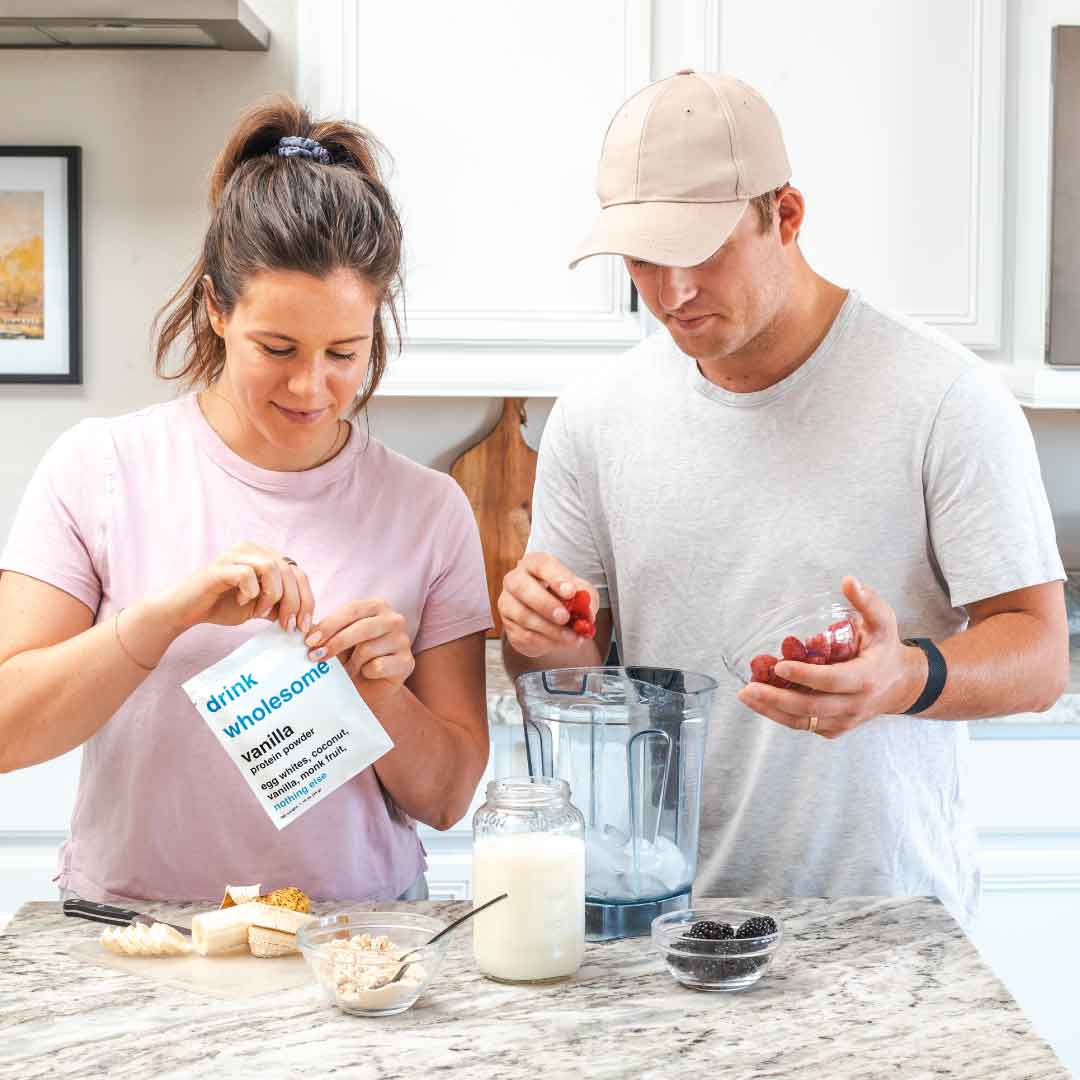
Adding a protein powder to your diet is an easy way to increase your protein intake and fill in nutritional gaps. That said, not all protein powders are created equal.
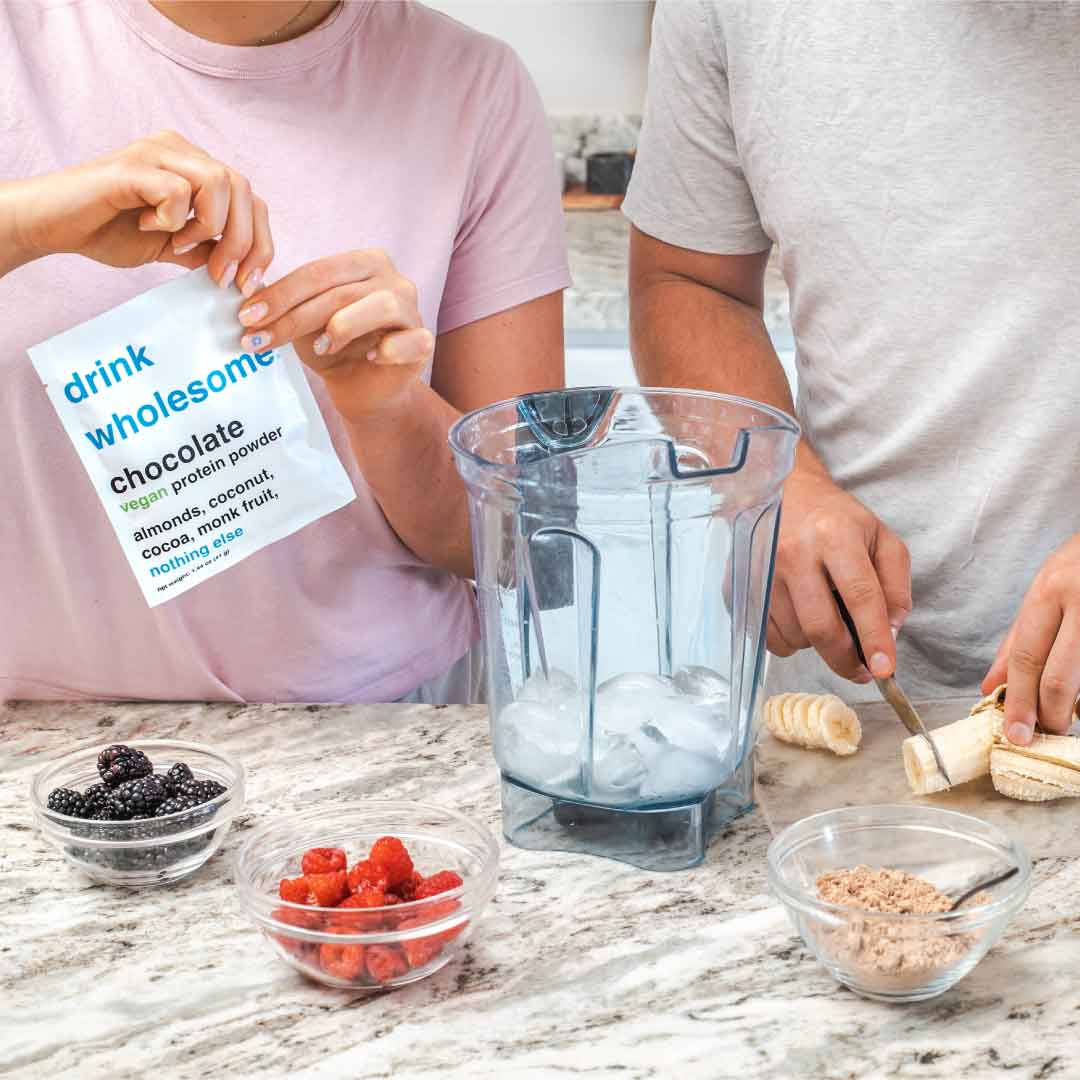
What is the best protein powder for IBD?
Many protein powders are made with ingredients that can cause painful side effects and long term health problems for someone with IBD. Among these ingredients are food additives, dairy-based proteins, and protein concentrates and isolates.
Avoid food additives
Regularly eating emulsifiers, thickeners, sugar substitutes, and other additives can not only upset your stomach, but also alter the composition of your gut microbiome – the collection of microorganisms living in your gut. This can lead to gut dysbiosis, which is linked to the development of both Crohn’s disease and ulcerative colitis.
Research shows that a healthy gut microbiome modulates the production and secretion of mucins and stratification of the mucus layers that make up the intestinal mucosal barrier. An unhealthy, or dysbiotic, gut microbiome results in the weakening of this barrier, thereby causing inflammatory damage. In case you were wondering, the intestinal mucosal barrier is a semipermeable membrane that allows you to absorb essential nutrients from food and prevents bacteria and other pathogens from entering your bloodstream.
Researchers have also found that a healthy gut microbiome contributes to inducing the expansion of regulatory T cells that reduce intestinal inflammation by mediating repair of the intestinal mucosal barrier. A dysbiotic gut microbiome thus makes you both more susceptible to inflammation, and less able to fight it. Here is a list of the most common food additives in protein powder:
acacia fiber, acacia gum, acesulfame potassium, artificial flavors, ascorbic acid, aspartame, calcium carbonate, carrageenan, cellulose gum, dextrin, dicalcium phosphate, dipotassium phosphate, erythritol, gellan gum, guar gum, gum arabic, inulin, locust bean gum, maltodextrin, mono- and diglycerides, ‘natural’ flavors, rice bran extract, rice dextrin, rice hulls, rosemary extract, silica, silicon dioxide, sodium alginate, sodium bicarbonate, soluble corn fiber, soy lecithin, sucralose, sunflower lecithin, tocopherols, tricalcium phosphate, xanthan gum, xylitol, zinc oxide
Avoid dairy-based proteins
Dairy-based proteins like whey and casein, although not an issue for everyone, can cause side effects like bloating and diarrhea. This is in part because they contain lactose, a sugar most adults cannot fully digest.
Avoid protein concentrates and isolates
Most protein powders are made from protein concentrates and isolates, which have been mechanically and or chemically stripped of everything but the protein, including the enzymes, fiber, and other natural digestive aids that help you break them down. As a result, they can cause digestive issues and possibly even disruptions to the gut microbiome.
Finding a protein powder free from food additives, dairy-based proteins, and protein concentrates and isolates is hard. In fact, 99% of protein supplements contain one or more of these problematic ingredients. This is why we created drink wholesome. Keep reading to learn more about why we make the best protein powder for IBD.
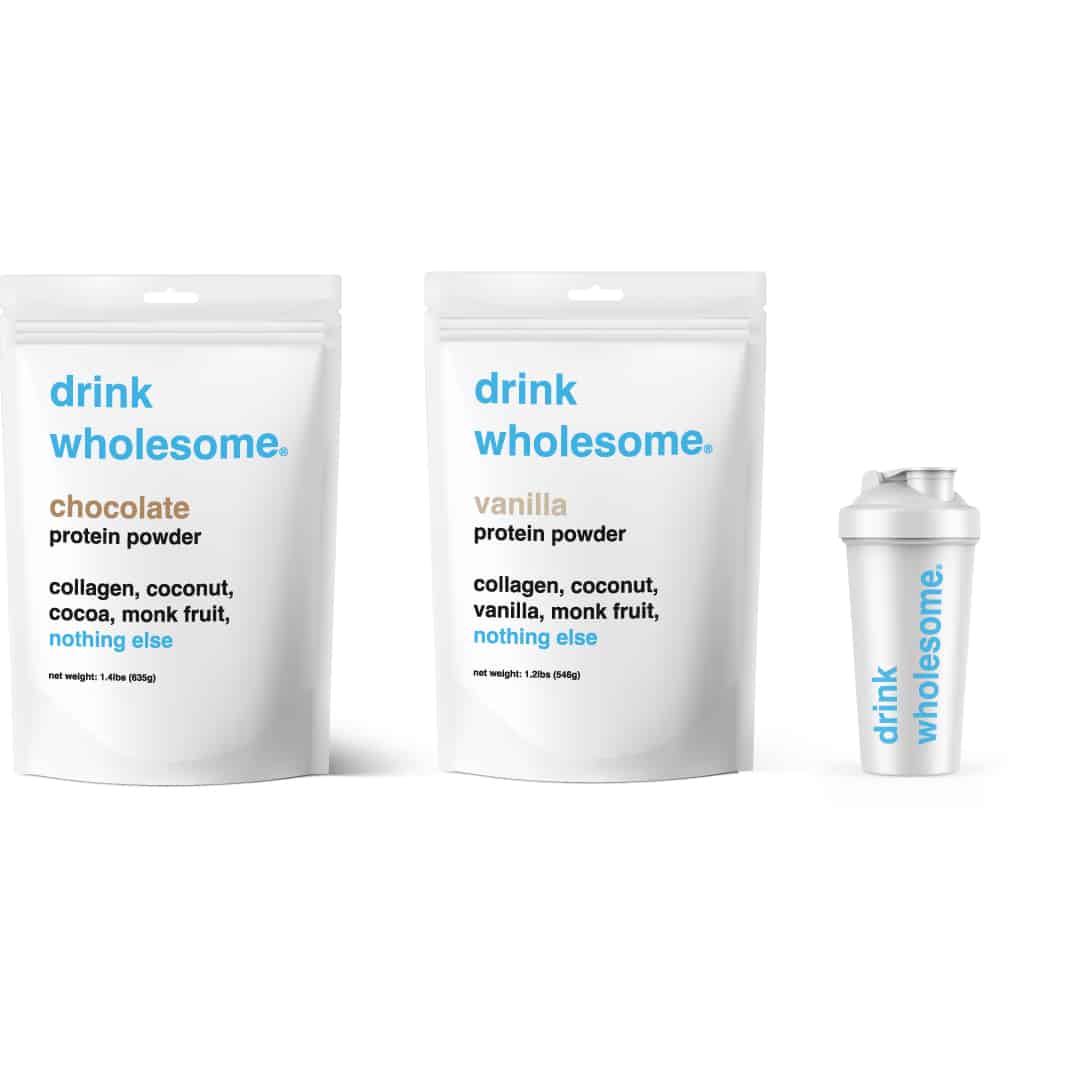
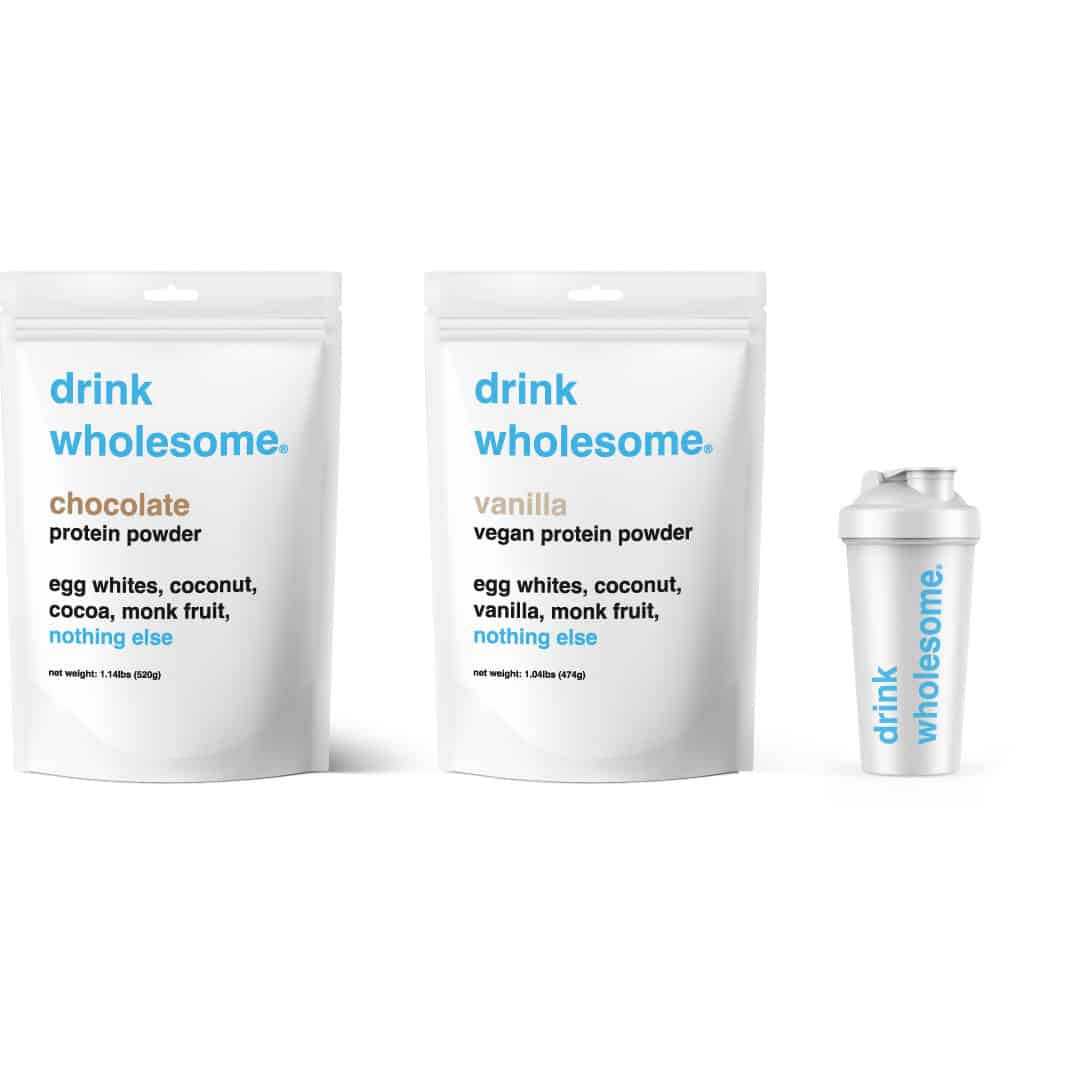
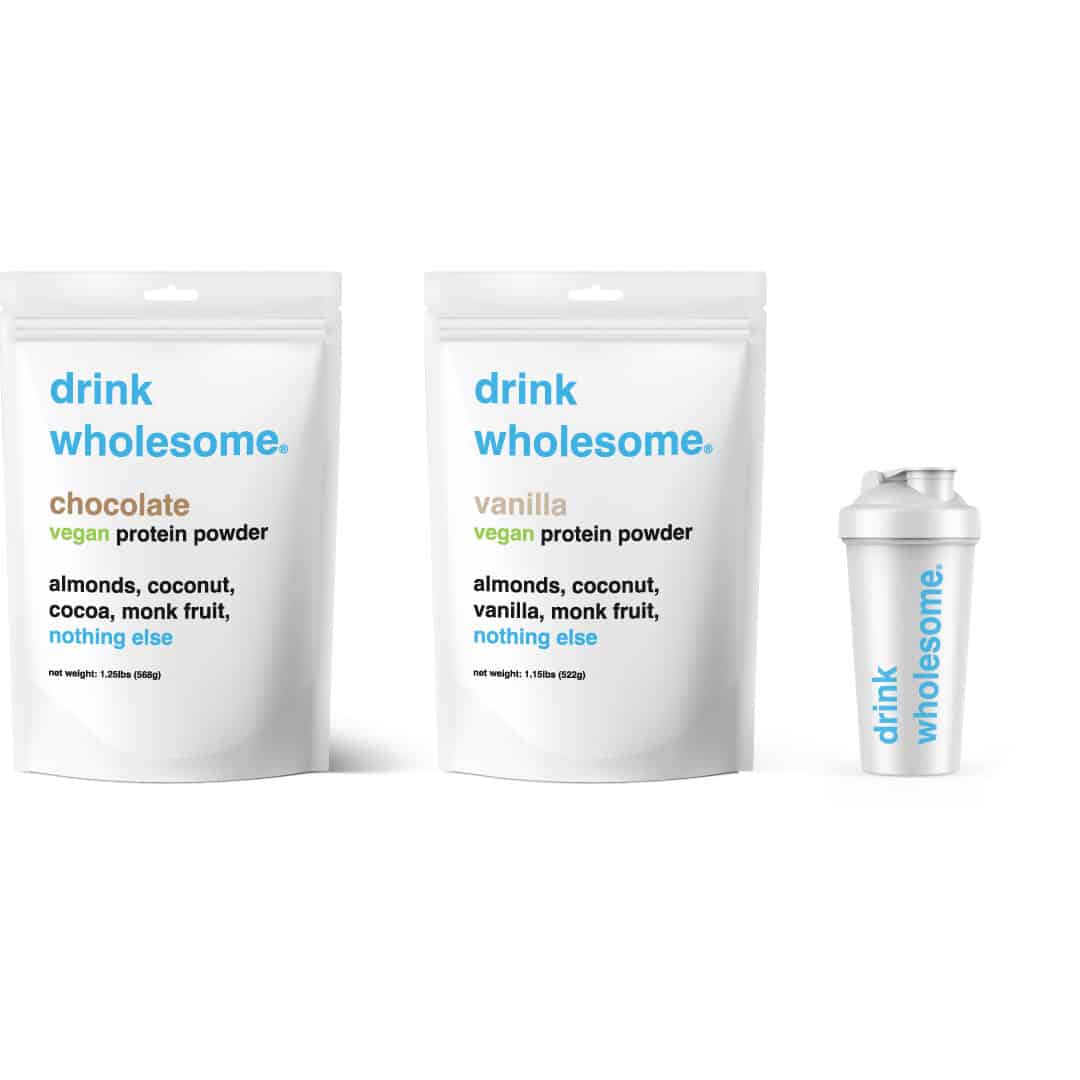
drink wholesome is the best protein powder for IBD
We make the best IBD-friendly protein powder because we use a short list of simple ingredients free from food additives, dairy-based proteins, and protein concentrates and isolates.
Our ingredients

egg whites
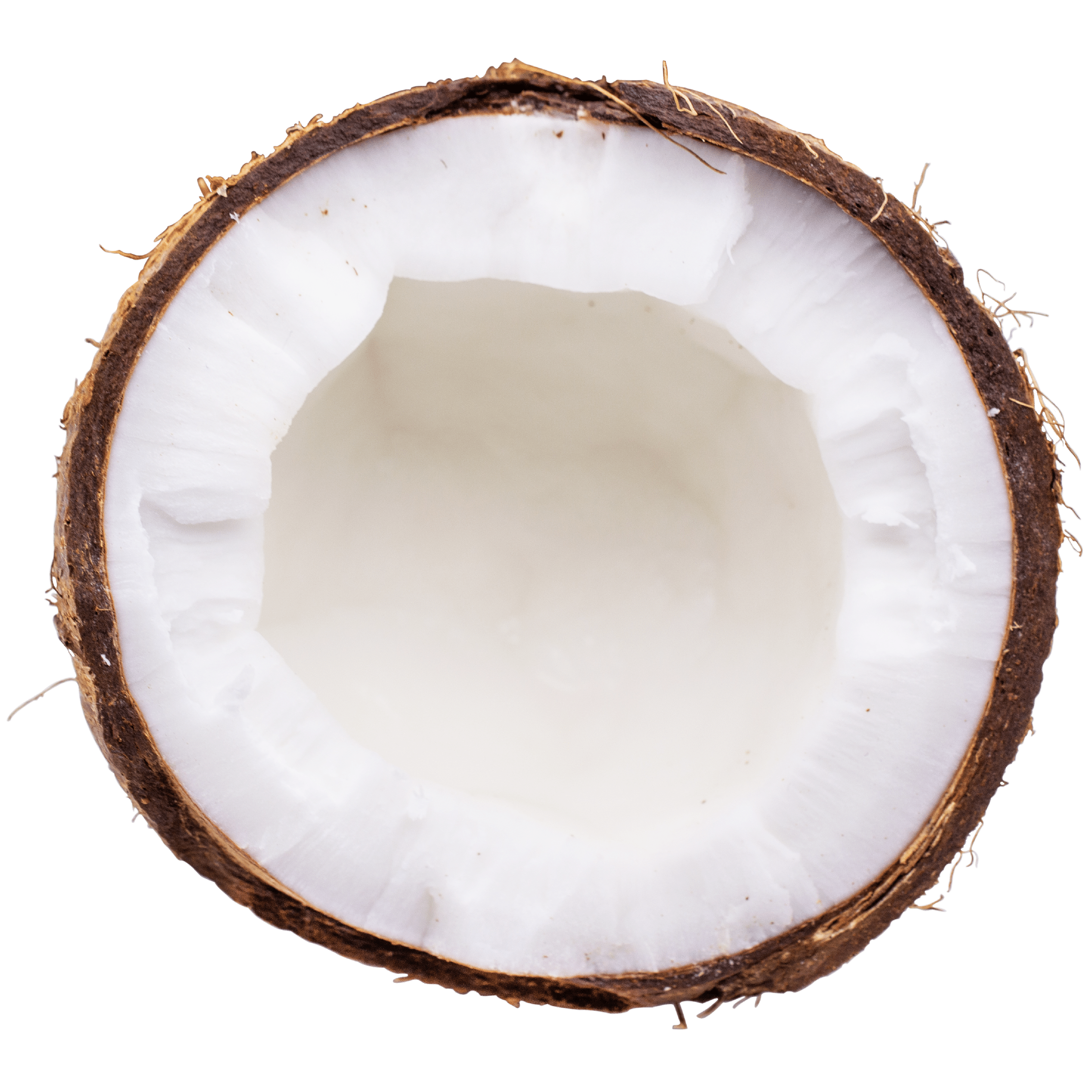
coconut

vanilla
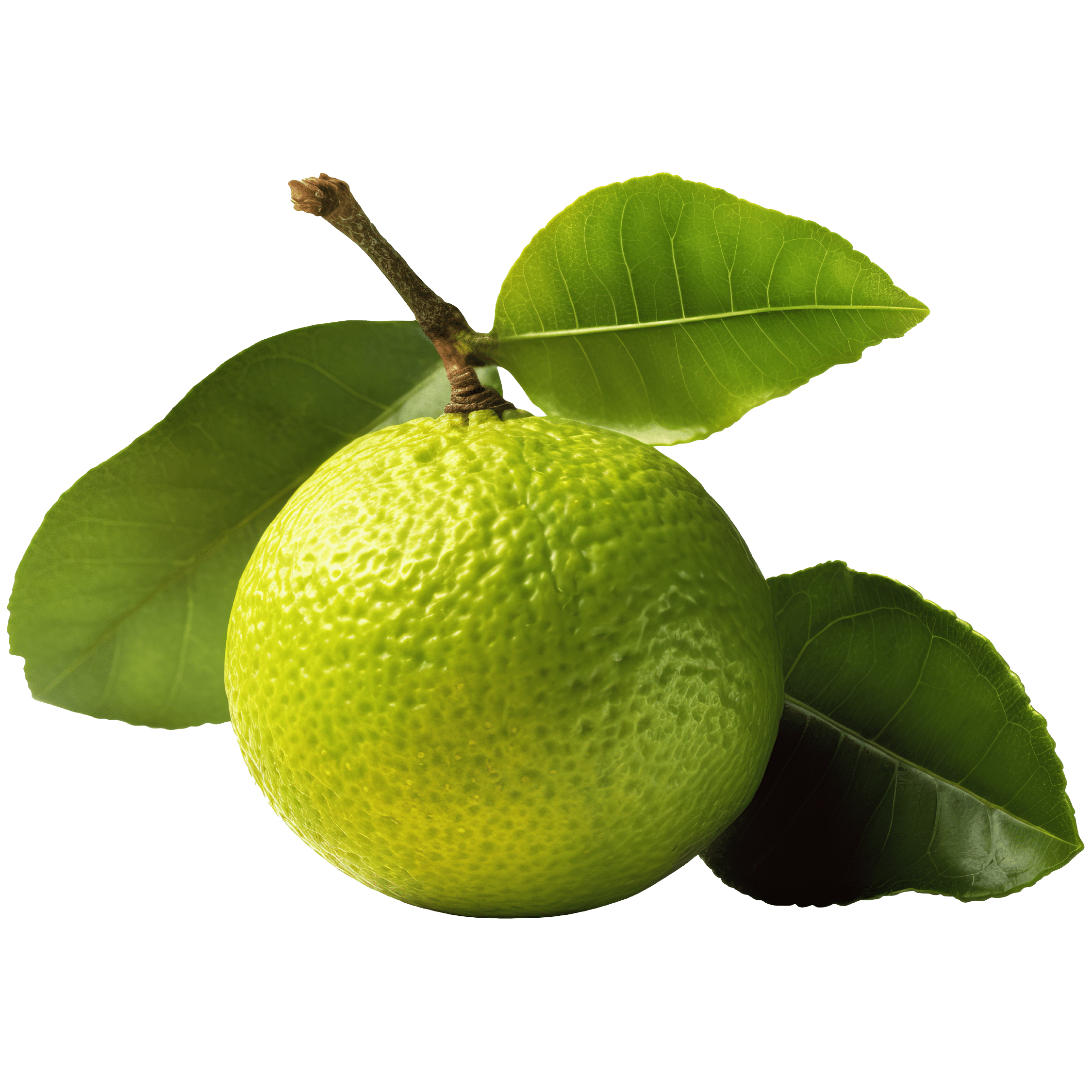
monk fruit
NOT our ingredients
-
acacia gum
-
acesulfame potassium
-
artificial flavors
-
carrageenan
-
erythritol
-
guar gum
-
inulin
-
maltodextrin
-
'natural' flavors
-
silica
-
soy lecithin
-
sucralose
-
xanthan gum
-
xylitol
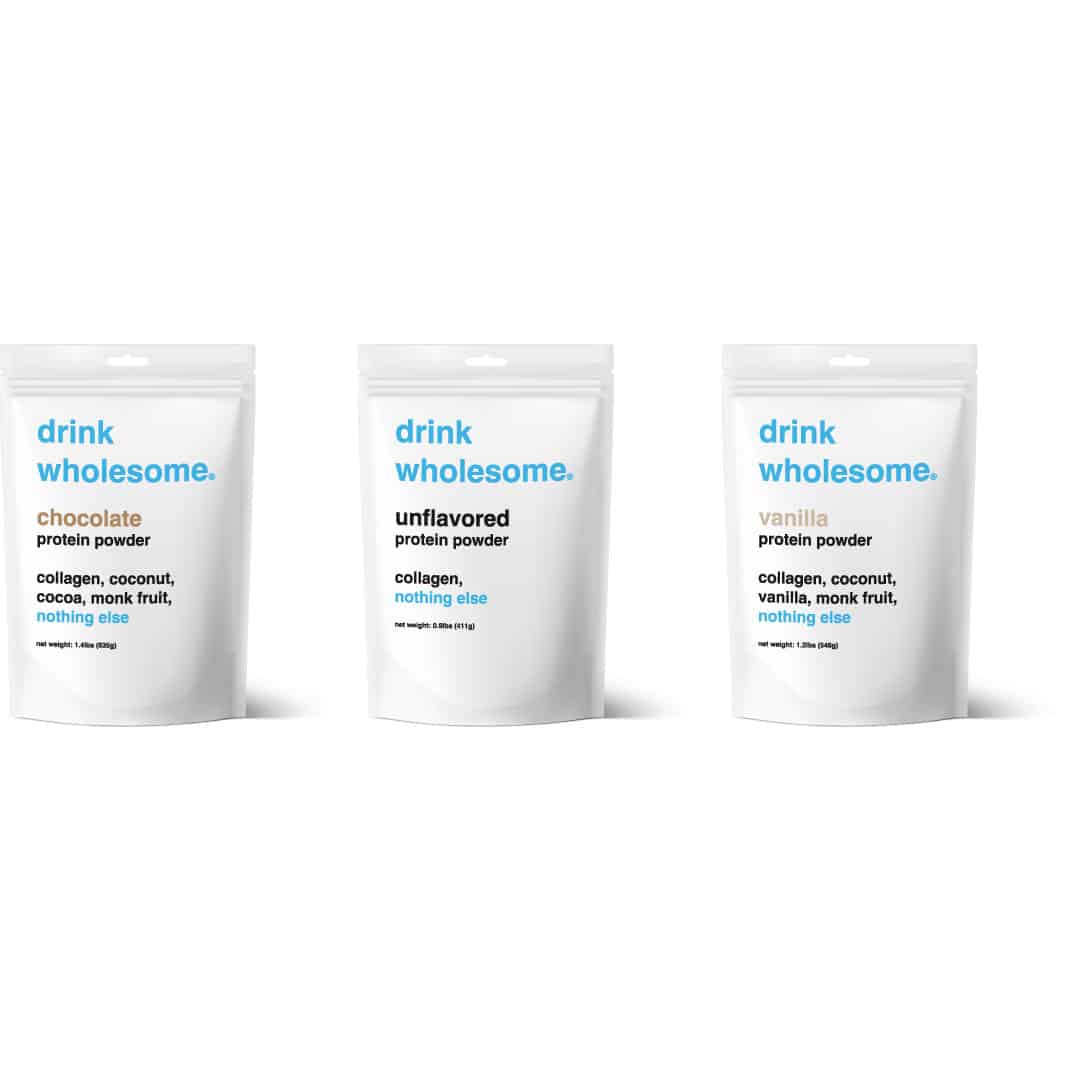
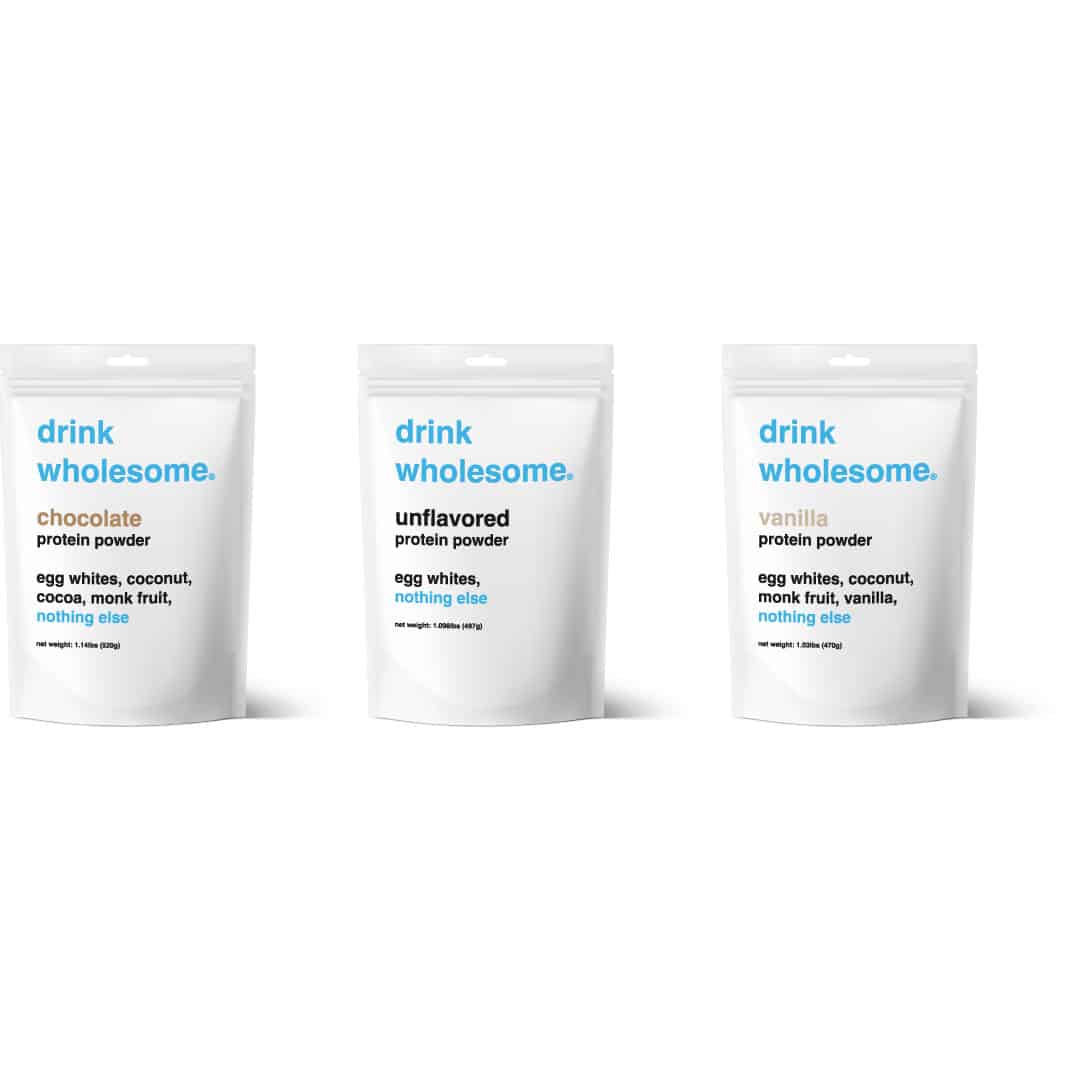
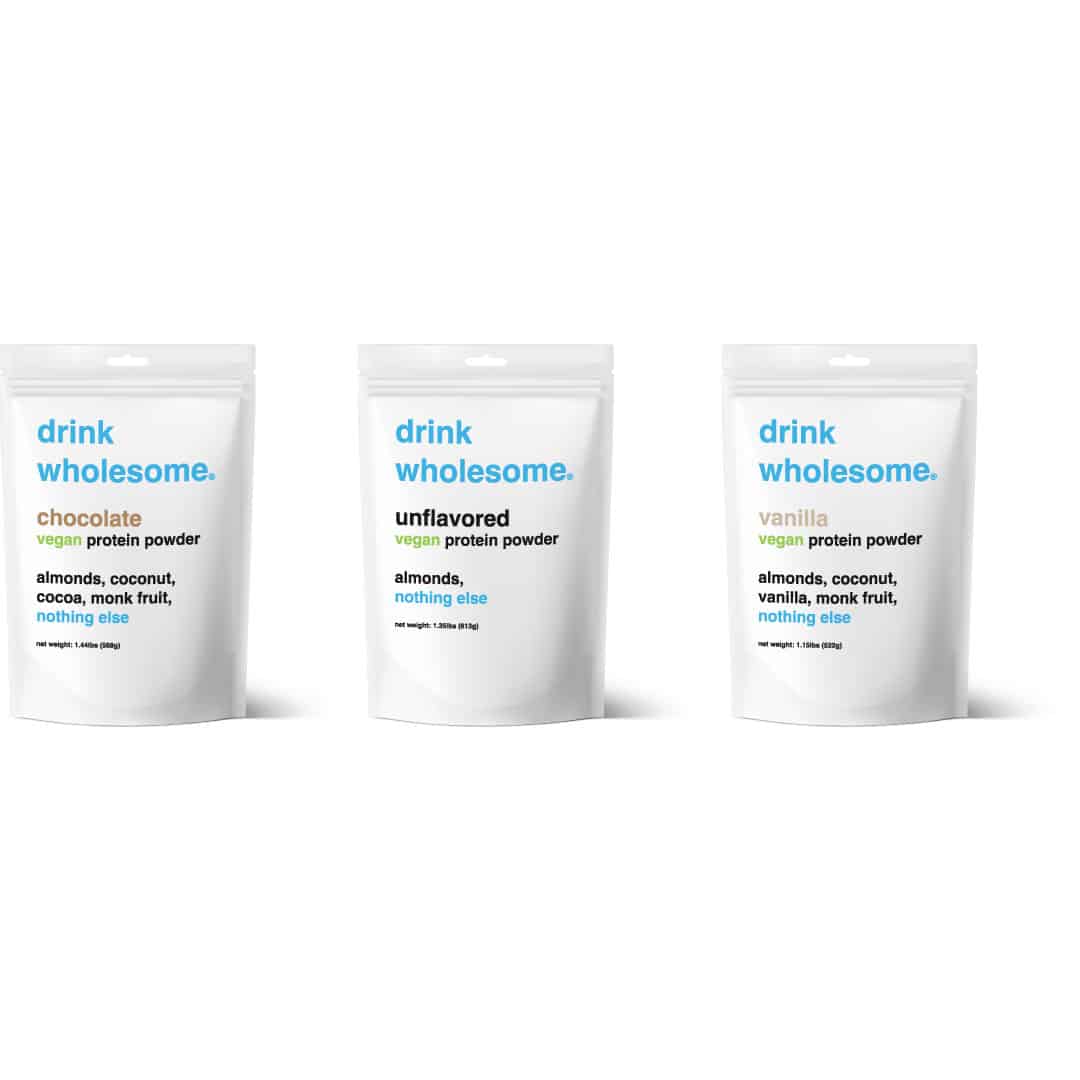
Note that instead of using protein concentrates or isolates, we use whole food protein sources like collagen, egg whites, and almonds, which are easier to digest and absorb. Whole food protein sources also have unique digestive benefits: collagen can reduce bloating and improve digestive symptoms, egg whites can help restore your mucosal intestinal barrier, and almonds can improve the composition of your gut microbiome.
It follows that our customers experience fewer digestive issues with our IBD protein powder than with any other type of protein supplement. Order samples to see for yourself.
Reviews
Paula
1 month ago
Verified Purchase Drink Wholesome is a protein drink I actually look forward to drinking every day. My nurse practitioner recommended it as a great way to get more protein into my diet. Purchased the new chocolate protein powder and I absolutely love it. It's reassuring to know I'm drinking simple ingredients that I can pronounce and keeps my gut happy at the same time.
Cindy
2 months ago
Verified Purchase I am greatly enjoying the egg white protein powders I've ordered from you and am thrilled that my stomach has no issues whatsoever. I have tried many, many other protein powders and have had problems with each of them. Yours is the one and only that actually makes my stomach feel better!
Sloane
2 months ago
Verified Purchase I LOVE Drink Wholesome - it’s the only protein powder I’ve found that consistently tastes good to me, and I love that I can add the unflavored egg white powder to just about anything! Thanks for making such a great product! 😊❤️
Frequently asked questions
Collagen vs egg white vs almond protein powder?
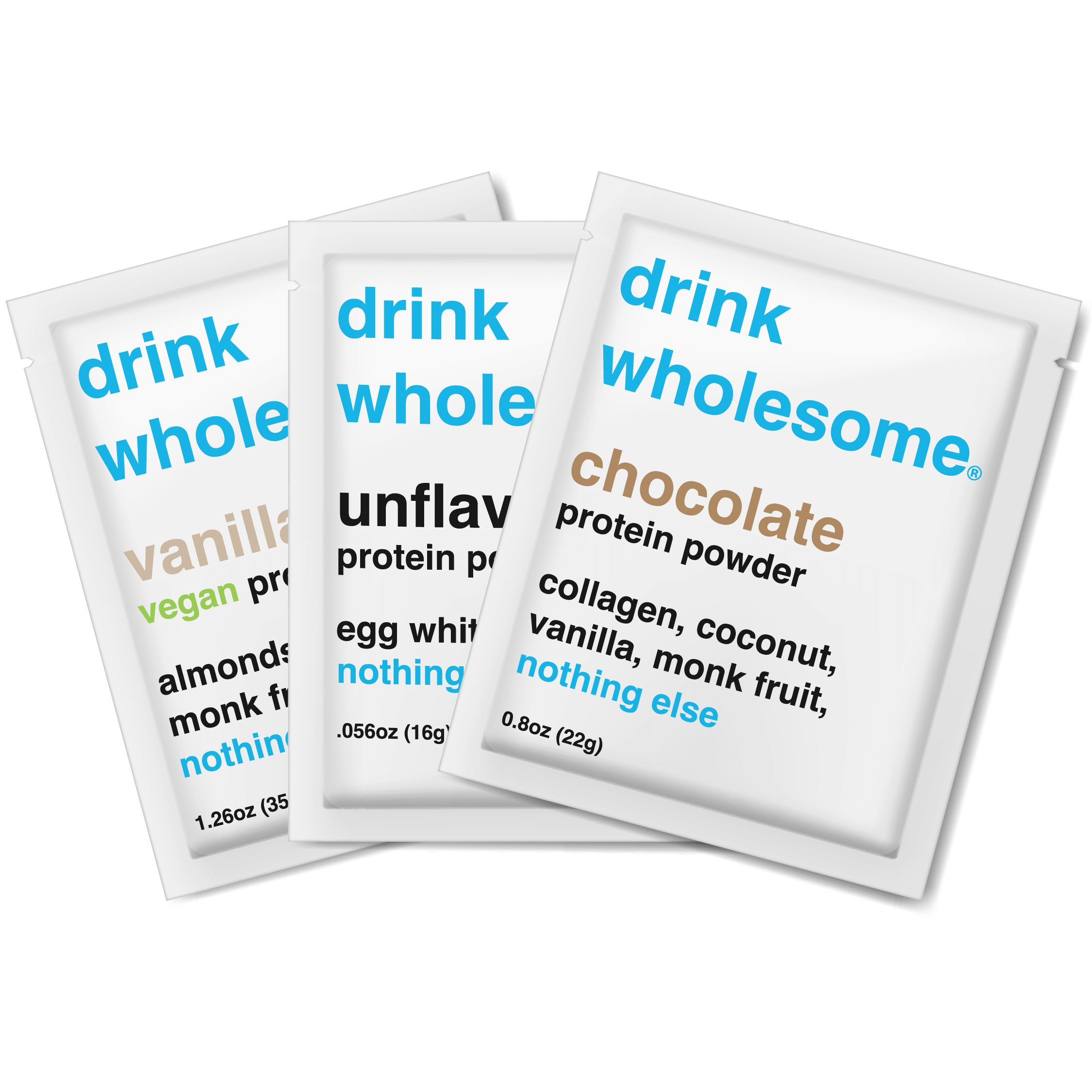
You may have noticed that we make three types of protein powder: collagen protein powder, egg white protein powder, and vegan almond protein powder. As long as you are eating a balanced diet, any type of protein powder can help you boost your protein intake. Just pick the type that best suits your dietary needs and personal preferences.
Protein powder vs meal replacement powder?
You may have noticed that we make protein powders and meal replacement powders. The difference between protein powders and meal replacement powders is the nutrition content. Protein powders are high in protein and low in everything else, whereas meal replacement powders contain fats, carbs, and protein because they are intended to replace the nutritional value of a healthy meal.
Learn more
My name is Jack and I created drink wholesome because I was sick of protein powders that upset my stomach. Read my story, check out my short list of simple ingredients, and browse reviews from other customers to learn more.
My protein powders are made specifically for people with sensitive stomachs and gut issues. If you suffer from candidiasis, Crohn’s, diverticulitis, gastritis, gastroparesis, GERD (acid reflux), lactose intolerance, leaky gut, IBS, IBD, SIBO, ulcerative colitis, or any other digestive issues, or if you regularly experience bloating, constipation, diarrhea, gas, or stomach pain, order samples to see if drink wholesome is right for you.
My clean protein powders are also perfect for someone who needs a dietary supplement without extra processing and added junk. This includes toddlers, kids, teens, and seniors, menopausal and perimenopausal women, and pregnant and breastfeeding mothers.
Using drink wholesome is an easy and safe way to meet your nutritional needs, whether that be increasing your protein intake, or simply adding extra calories and nutrients to your diet. Depending on how you use them, my protein powders can also help with weight management.
My collagen protein powders, egg white protein powders, vegan almond protein powders are dairy-free. They are also free from artificial sweeteners like sucralose – I use a natural sweetener called monk fruit, not stevia. In fact, I do not use any food additives in my recipes whatsoever. This includes gums, lecithin, and natural flavors.
You will be pleased to know I have options for almost every diet: alkaline, carnivore, keto, low cholesterol, low fodmap, low histamine, low sodium, low sugar, paleo, Whole30, and more. I also work with people with acne prone skin, bariatric patients, cancer and chemo patients, prediabetics and diabetics, gout sufferers, and women with PCOS, among others. Chances are high I make a protein powder that can meet your unique dietary needs. – Jack, founder
Protein Rice Krispies Treats
PREP TIME
15 min
COOK TIME
0 min
SERVES
2+
Ingredients
- 4 cups Rice Krispies cereal
- 1 10oz bag marshmallows
- 1 cup drink wholesome protein powder
- 3 tablespoons butter
Instructions
In a large pot, melt the butter over low heat. Add the marshmallows, and stir until the mixture is smooth. Remove the pot from the heat, and incorporate the protein powder. Add the Rice Krispies, stirring until combined. Transfer the mixture to a 9×13 inch greased pan. Let your Protein Rice Krispie Treats sit for 30 minutes before eating.
Disclaimer
This content is not intended to be a substitute for professional medical advice, diagnosis, or treatment. Drink Wholesome is not intended to diagnose, treat, cure or prevent any disease.