
Sick of protein powder diarrhea?
Sick of protein powder diarrhea? Learn more about what causes protein powder diarrhea, and how to avoid it. This article was written by Jack Schrupp and Brittany Adelman, RDN.
Protein powder diarrhea
Does protein powder cause diarrhea?
If protein shakes make you run to the bathroom, you are not alone. Many people experience protein powder diarrhea, meaning they have loose, watery bowel movements shortly after drinking a protein shake. Symptoms typically last for a few hours, but some people report having diarrhea for days. Despite affecting thousands of people every day, this common side effect is easily avoidable. If you are sick of protein powders that cause diarrhea, you have come to the right place.
Why does protein powder cause diarrhea?
I myself used to wonder why protein powder gives me diarrhea. It never made any sense to me, that is until I started paying more attention to ingredient lists. It turns out the average protein powder gives me diarrhea because it is full of added junk.
Here are the top 4 reasons why protein powders cause diarrhea. Keep in mind that what causes diarrhea for one person, may not cause it for the next. That said, it is safe to say that if your protein powder makes you run to the bathroom, one (or more) of these ingredients is to blame.
1) Food additives can cause diarrhea.
Food additives like emulsifiers, thickeners, and flavors tend to draw water into the colon, increasing the liquid content of the stool. This happens because they are hard to digest and create a high osmotic load. When the osmotic load is high, there is more osmotic pressure. Osmotic pressure is the pressure exerted by a solvent (usually water) as it moves across a semipermeable membrane (in this case the colon) in order to balance the concentration of solutes on each side of the membrane.
Here is a list of the most common food additives in protein powder:
acacia fiber, acacia gum, artificial flavors, ascorbic acid, aspartame, calcium carbonate, carrageenan, cellulose gum, dextrin, dicalcium phosphate, dipotassium phosphate, gellan gum, guar gum, gum arabic, inulin, locust bean gum, maltodextrin, mono- and diglycerides, ‘natural’ flavors, rice bran extract, rice dextrin, rice hulls, rosemary extract, silica, silicon dioxide, sodium alginate, sodium bicarbonate, soluble corn fiber, soy lecithin, sunflower lecithin, tocopherols, tricalcium phosphate, xanthan gum, zinc oxide
2) Dairy-based proteins can cause diarrhea.
Dairy-based proteins like whey and casein can make you poop because they contain lactose, a sugar most adults cannot fully digest.

3) Sugar alcohols can cause diarrhea.
Artificial sweeteners and sugar alcohols resist digestion and can have a laxative effect. Common artificial sweeteners are sucralose and acesulfame potassium. Common sugar alcohols are erythritol, sorbitol, and xylitol.
4) Insoluble fiber can cause diarrhea.
Insoluble fiber adds bulk to the stool. If you eat a lot of it at once, it can cause diarrhea. Most vegan protein powders contain some insoluble fiber. Some protein powders, especially those intended to help with weight loss, contain added insoluble fiber. In many cases, this added fiber is in the form of xanthan or guar gum, which are also used as laxatives.
5) Preexisting gut issues can cause diarrhea.
It is important to understand how the body breaks down and absorbs protein. When you eat dietary protein, it enters the stomach where stomach acid and enzymes start to break it down into smaller components. From there, the partially digested proteins move into the small intestine, where enzymes called proteases break them down into amino acids. Amino acids are then absorbed through the intestinal lining and enter the bloodstream, which transports them throughout the body.
If any part of this complex process is not working properly due to preexisting gut issues, the protein you eat will not be fully broken down and absorbed. Not only will this deprive you of the amino acids you need to stay strong and healthy, but it will also cause painful side effects like diarrhea.
Underlying health issues and diarrhea
As you just learned, preexisting health issues can cause protein powder diarrhea. Conditions such as lactose intolerance, food sensitivities, and digestive disease can affect how your body reacts to protein powder.
One of the most common underlying health issues that can lead to diarrhea is lactose intolerance. Lactose intolerance occurs when your body lacks lactase, the enzyme responsible for breaking down lactose, the sugar in milk and dairy products. When individuals with lactose intolerance consume protein powders made with whey or casein, which are byproducts of cheese and yogurt production, they often experience diarrhea.
Food sensitivities and allergies can also contribute to protein powder diarrhea. Individuals with sensitivities or allergies to soy, for example, need to be careful when using protein powders, as many contain soy-based additives like soy lecithin.
Certain digestive diseases can impact your ability to digest protein powder too, leading to diarrhea. Conditions such as irritable bowel syndrome (IBS) or inflammatory bowel disease (IBD) are notorious for making protein powder a one-way ticket to the toilet.
It is important to acknowledge the possibility that the underlying (possibly undiagnosed) health issues that may be contributing to your protein powder diarrhea. By identifying these issues, you can take the necessary steps to find a protein powder that suits your individual needs.

How to use protein powder for optimal digestion
When it comes to incorporating protein powder into your diet, being mindful of how you use it is crucial for digestion. By following the following guidelines from our expert dietitian, you can minimize the risk of experiencing diarrhea.
1. Start with small portion sizes
Eating too much protein at once can overwhelm your digestive system and lead to diarrhea. The body needs time to properly break down and absorb protein, so it is important to spread your protein intake throughout the day.
2. Consider timing
The timing of when you consume protein powder can also impact digestion. It is generally recommended to consume protein powder within 30 minutes of completing a workout to support muscle recovery and synthesis. If you have a sensitive stomach, however, it might be better to consume protein powder with a meal. Consuming just protein powder with other foods is often easier on your digestive system.
3. Pair thoughtfully
Protein powder alone may not be the sole culprit behind your digestive issues. In some cases, other foods or ingredients may cause or exacerbate side effects like diarrhea. For example, if you are lactose intolerant and mix your protein powder with milk, you may find yourself running to the bathroom. Similarly, if you add your protein powder to a smoothie full of high fiber fruits and veggies, your digestive system may feel some type of way. Pay attention to how your body reacts to different combinations of foods and consider alternative ways of preparing or consuming your protein powder to minimize side effects.
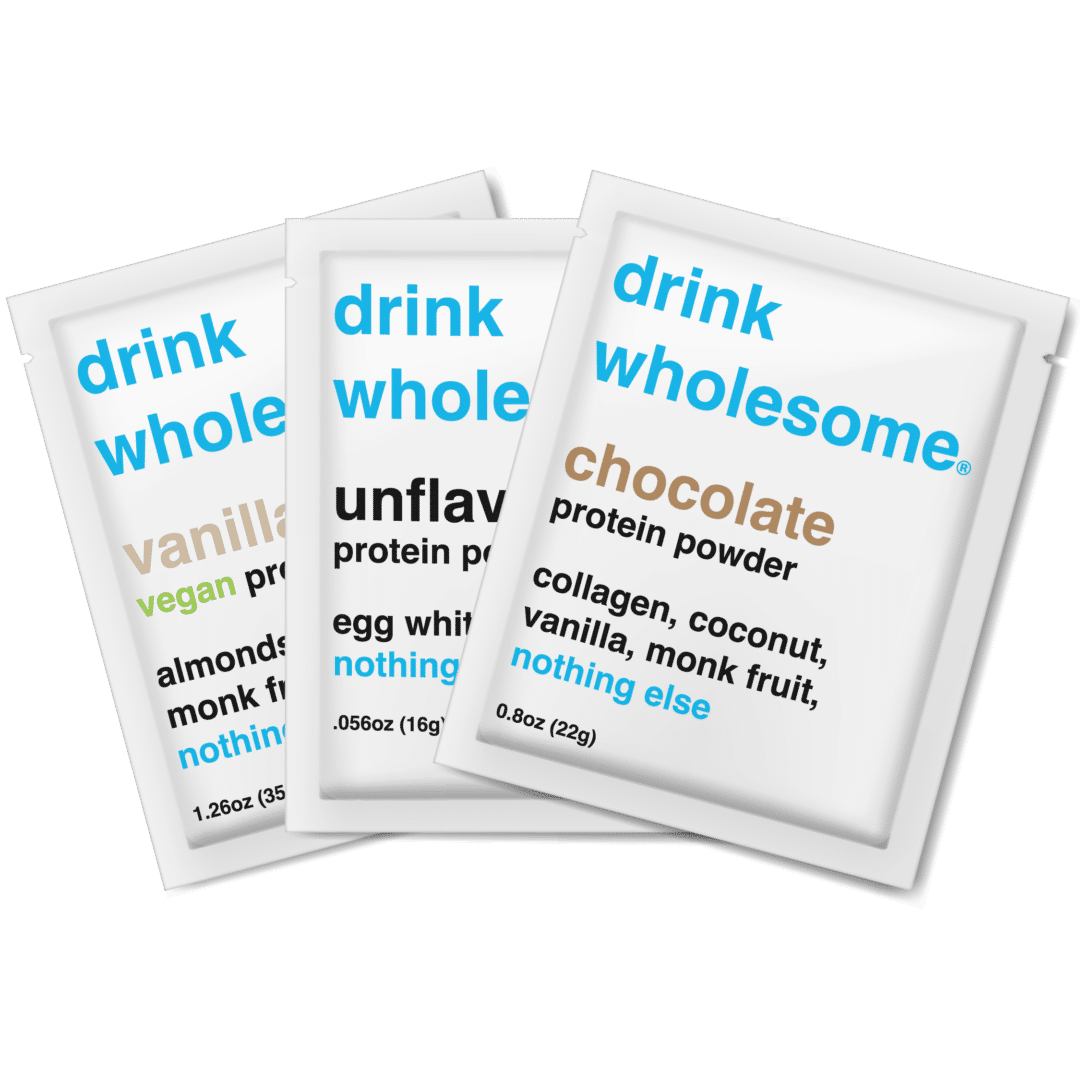
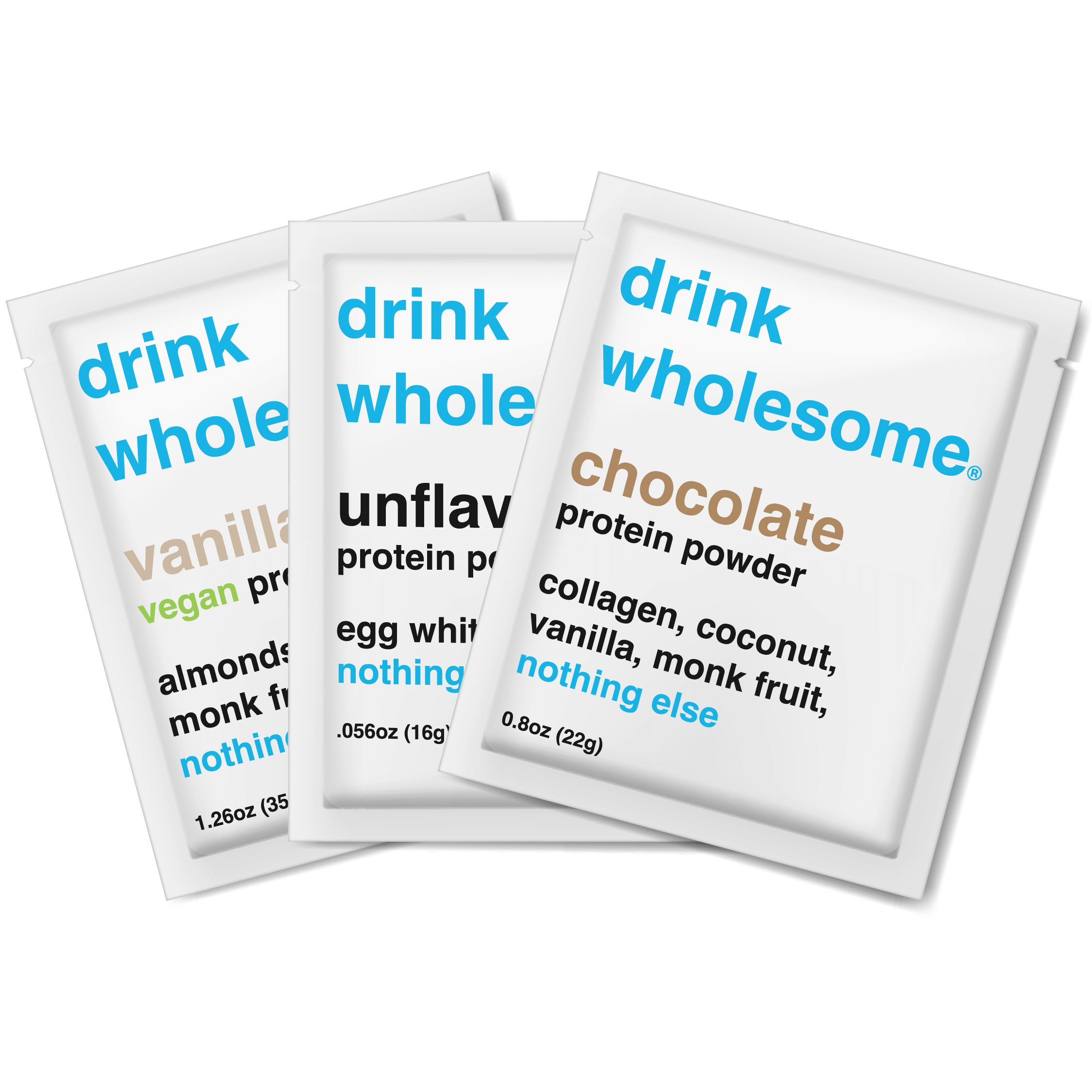
Protein Powder Sample Packs
$19.99
drink wholesome will not cause diarrhea
drink wholesome is additive-free
One of the reasons why we make protein powder that doesn’t cause diarrhea is that we do not use food additives like gums, lecithin, flavors, and artificial sweeteners. Even in small amounts, ingredients like these can cause painful GI side effects and long-term gut health problems.
Here is a list of the most common food additives in protein powder:
acacia fiber, acacia gum, acesulfame potassium, artificial flavors, ascorbic acid, aspartame, calcium carbonate, carrageenan, cellulose gum, dextrin, dicalcium phosphate, dipotassium phosphate, erythritol, gellan gum, guar gum, gum arabic, inulin, locust bean gum, maltodextrin, mono- and diglycerides, ‘natural’ flavors, rice bran extract, rice dextrin, rice hulls, rosemary extract, silica, silicon dioxide, sodium alginate, sodium bicarbonate, soluble corn fiber, soy lecithin, sucralose, sunflower lecithin, tocopherols, tricalcium phosphate, xanthan gum, xylitol, zinc oxide
Regularly eating certain food additives can also disrupt regulatory pathways in your intestines, setting the stage for inflammatory bowel disease (IBD) and other systemic inflammatory disorders. Some additives, especially artificial sweeteners and sugar alcohols, can also alter your gut microbiome. An altered or dysbiotic gut microbiome is one of the main reasons why people have trouble digesting food and experience digestive issues.
the alternative:
Protein Matrix Comprised of (Whey Protein Concentrate, Whey Protein Isolate, Calcium Caseinate, Micellar Casein, Milk Protein Isolate, Egg Albumen, Glutamine Peptides), Polydextrose, Sunflower Creamer (Sunflower Oil, Corn Syrup Solids, Sodium Caseinate, Mono- and Diglycerides, Dipotassium Phosphate, Tricalcium Phosphate, Soy Lecithin, Tocopherols), Natural and Artificial Flavor, MCT Powder (Medium Chain Triglycerides, Nonfat Dry Milk, Disodium Phosphate, Silicon Dioxide), Lecithin, Cellulose Gum, Salt, Yellow 5, Sucralose, Acesulfame Potassium, Papain, Bromelain
drink wholesome is dairy-free
Another reason why we make protein powder that doesn’t cause diarrhea is that we do not use dairy-based proteins. Whey and casein are infamous for making people run to the bathroom because they contain lactose – a sugar most adults cannot digest.
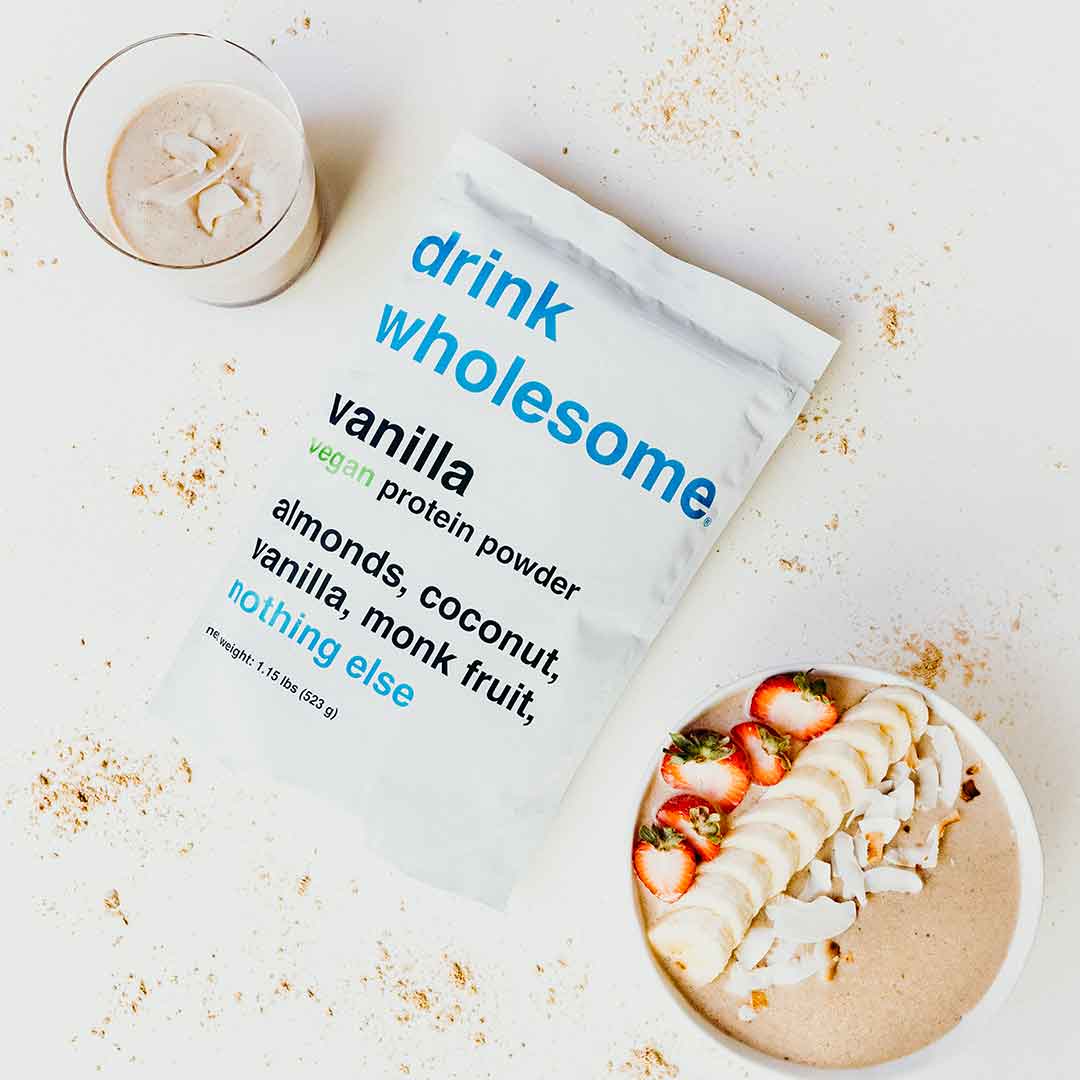

drink wholesome is made with real foods
A final reason why we make protein powder that doesn’t cause diarrhea is that we do not use protein concentrates or isolates. Almost all other protein powders are made from one or both of these protein sources, which are chemically and/or mechanically stripped down to just the protein.
Your gut is designed to digest minimally or unprocessed foods, not protein concentrates and isolates. Research shows, it follows, that regularly eating ingredients like these can cause gut dysbiosis and related side effects.

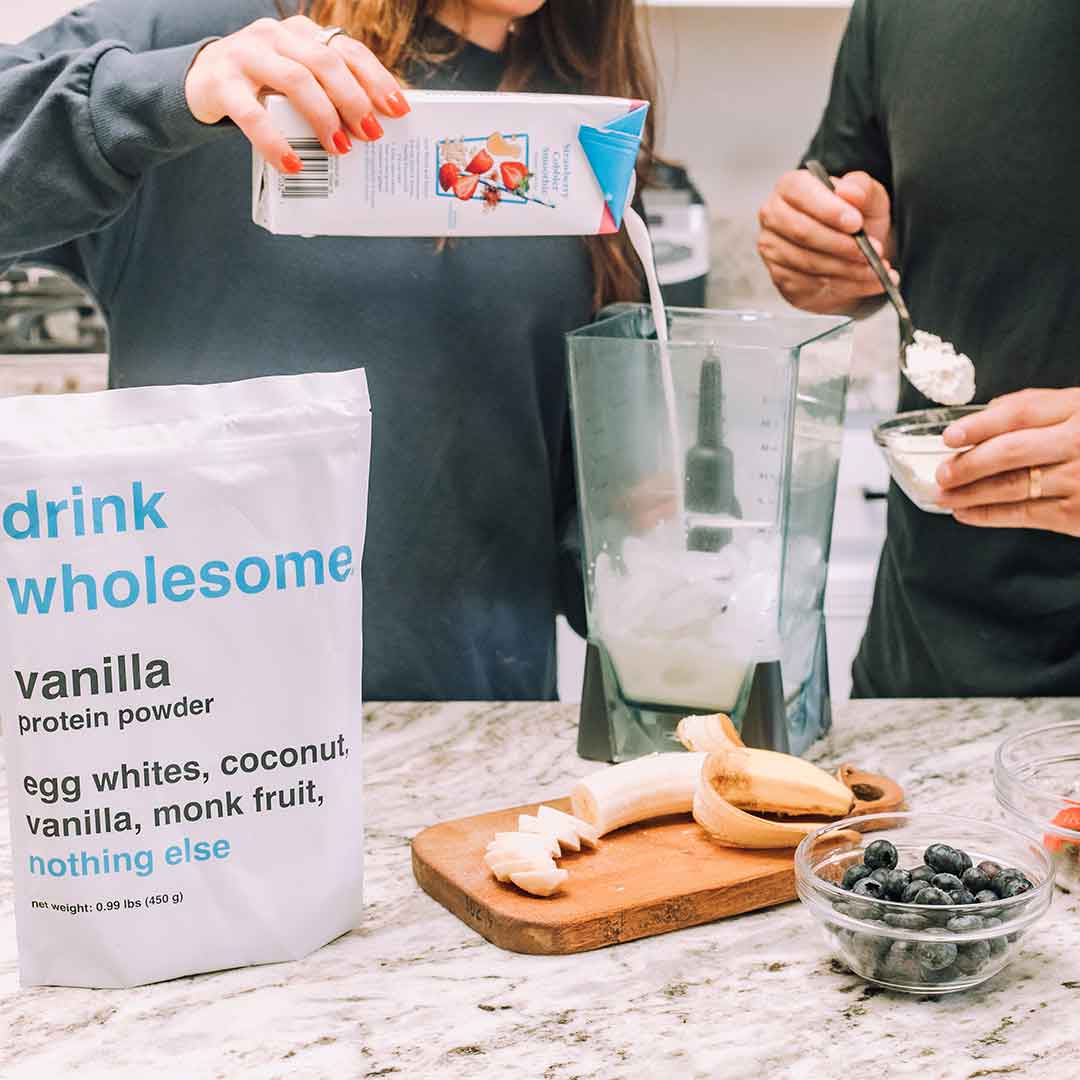
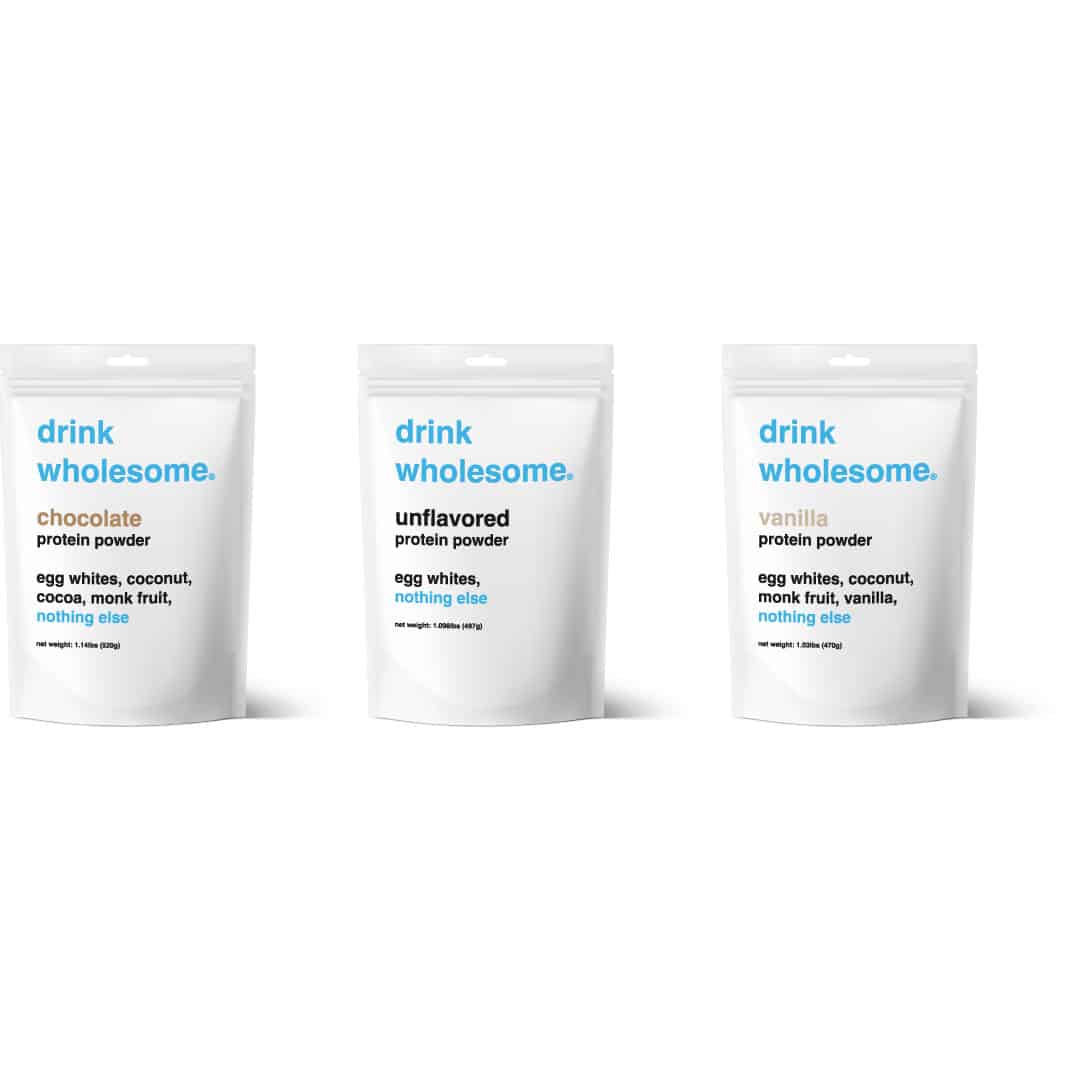
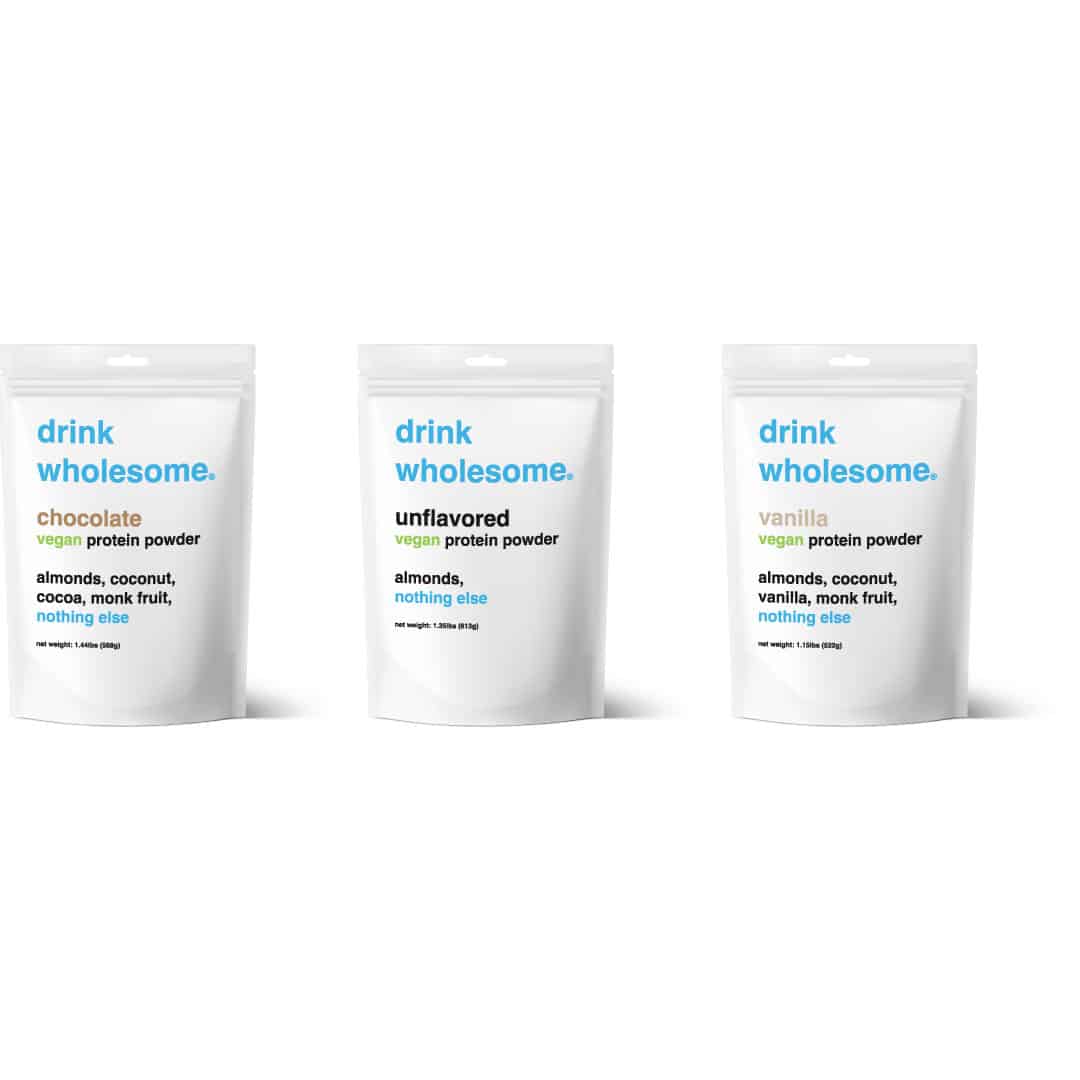
Instead of protein concentrates or isolates, we make easy to digest protein powders with egg whites and almonds. These minimally-processed protein sources are gut-friendly alternatives to protein concentrates and isolates.
Unlike protein isolates and concentrates, egg whites and almonds contain enzymes that help you break them down. Egg whites are also low fiber, low FODMAP (good for IBS), alkaline (meaning they balance the pH levels in your gut) and probiotic (meaning they promote the growth of healthy gut bacteria). Our customers experience fewer digestive issues with our egg white protein powder than with any other type of protein supplement.
For individuals who cannot eat eggs, our almond protein powder is a super easy to digest vegan protein powder. Almonds are prebiotic, meaning they improve composition of your gut microbiome, and promote healthy bowel movements.
In summary, our protein powders are additive and dairy-free and made with simple protein sources, making them a stomach-friendly way to eat more protein.
Other considerations for digestive health
While selecting the right protein powder for your digestive health is crucial, there are other factors to consider to ensure optimal digestion Achieving a healthy gut goes far beyond just the protein powder you use. By considering the following, you can support your overall digestive well-being and get the most out of your protein powder:
Chewing:
It sounds silly, but chewing your food thoroughly is an essential step in the digestion process. When food is properly broken down in your mouth, it eases the workload on your digestive system. If you add your protein power to solid foods, take your time and chew each bite thoroughly.
Stress management:
Stress can significantly impact digestion. When you are under stress, your body’s natural digestive processes may be compromised, leading to discomfort and digestive issues. Incorporate stress-management techniques such as meditation, exercise, and deep breathing exercises into your daily routine to support a healthy gut.
Regular exercise:
Engaging in regular physical activity can benefit your digestive health by stimulating the muscles in your intestines and promoting regular bowel movements. Aim for at least 30 minutes of moderate-intensity exercise, such as brisk walking or cycling, most days of the week to support healthy digestion.
Hydration:
Proper hydration is essential for healthy digestion. Drinking enough water throughout the day can aid in the breakdown and absorption of protein powder, reducing the risk of digestive distress.
By considering these additional factors and incorporating them into your lifestyle, you can support a healthy digestive system while enjoying the benefits of protein powder.
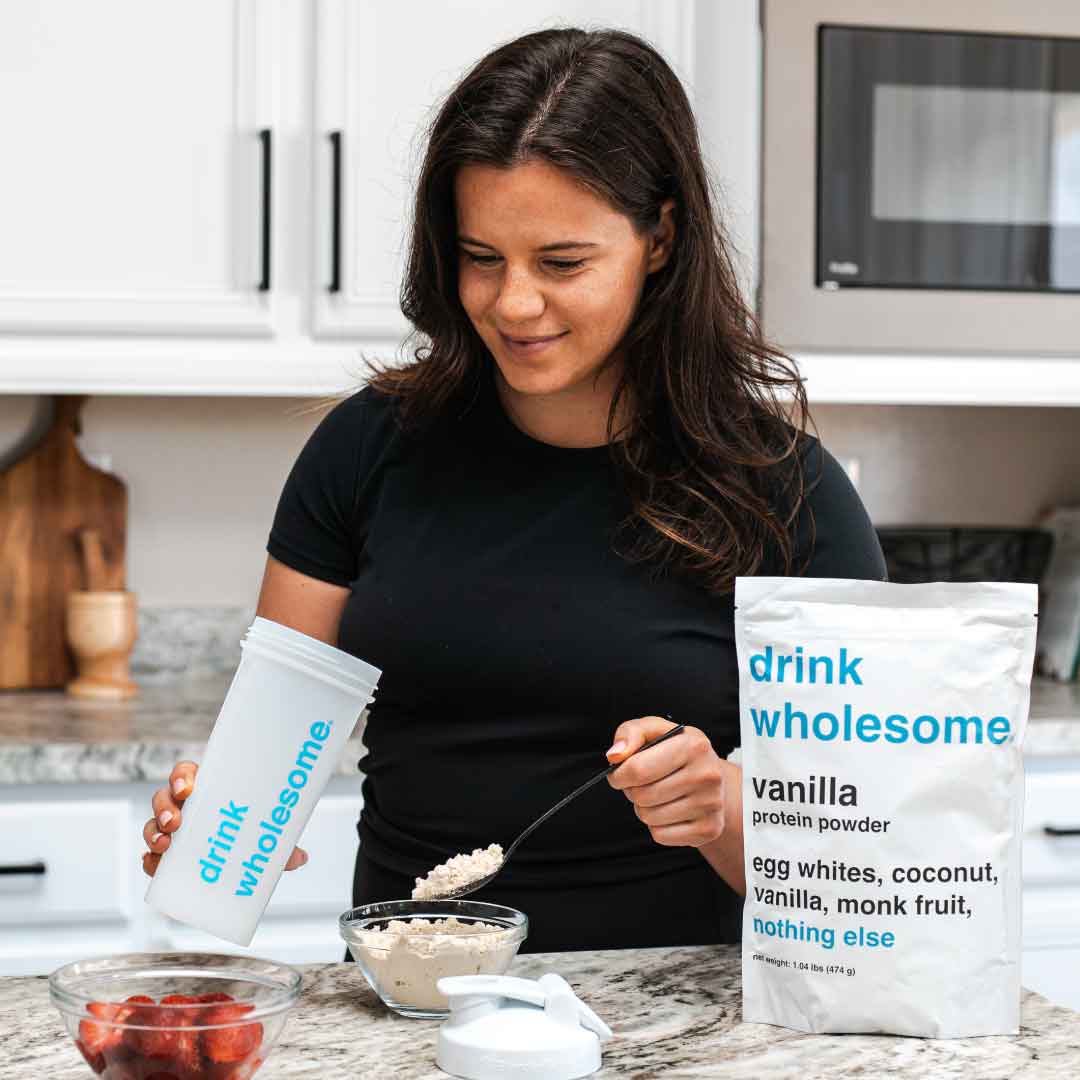


This content is not intended to be a substitute for professional medical advice, diagnosis, or treatment. drink wholesome is not intended to diagnose, treat, cure or prevent any disease.