
What is the best protein powder for leaky gut?
If you are looking for the best protein powder for leaky gut, you have come to the right place. In this article, you will learn how to find a leaky gut-friendly protein powder so you can easily increase your protein intake without upsetting your stomach. This article was written by Jack Schrupp.
What is leaky gut?
Leaky gut syndrome, also known as increased intestinal permeability, is a condition where your intestinal lining becomes damaged or compromised, making it easier for bacteria, toxins, and undigested food particles to pass into your bloodstream. Common symptoms include bloating and diarrhea. Several studies have associated leaky gut syndrome with chronic and autoimmune diseases like type 1 diabetes and celiac disease.
What exactly causes someone to have a leaky gut is somewhat of a mystery, and there is no recommended treatment. There are several ways to improve symptoms, however, one of which is making changes to your diet.
Many people find that avoiding certain foods, like refined carbohydrates, dairy, caffeine, and artificial sweeteners, help them reduce leaky gut symptoms. They also recommend eating a diet rich in foods that promote the growth of healthy gut bacteria, including fermented foods, fruits, vegetables, and whole grains. It is thought that the health of your gut microbiome – the collection of bacteria and other microorganisms living in your gut – is related to leaky gut syndrome.
Can protein powder cause leaky gut?
Research suggests that factors such as unhealthy diet, stress, and excessive alcohol, antibiotic, and drug consumption can disrupt the composition of your gut microbiome and the homeostasis of your intestinal barrier function, leading to increased intestinal permeability. In other words, researchers believe that foods that alter your gut microbiome can also alter your intestinal barrier, sometimes in a way that causes leaky gut syndrome. This means that protein powder could very well be part of the problem.
It is worth adding that protein powder tends to have a greater impact on gut health than other types of food because of how often it is consumed. Many people add protein powder to their diet every day, thereby exposing their gut to potentially harmful ingredients on a regular basis. This is why it is so important to choose your protein powder wisely.

Is protein powder good for leaky gut?
Leaky gut, because it involves damage to your intestinal lining, can affect your ability to absorb nutrients from food. Over time, this can lead to nutritional deficiencies and weight loss. To counteract this, it is important to be mindful of your nutrient intake.
One of the most important nutrients to be mindful of is protein. Dietary proteins are essential for the growth and repair of your mucosal intestinal barrier. Although more research into the role of proteins in intestinal barrier regulation is needed, it is known that some dietary peptides produced by the enzymatic digestion of dietary proteins enhance or protect the intestinal barrier.
Exactly how much protein you need will depend on a number of factors, but you should certainly eat at least 0.36 grams per pound of bodyweight per day. For some, especially those with dietary restrictions, eating this much protein can be hard. This is where protein powder can help. Incorporating a protein powder into your diet is an easy way to fill in nutritional gaps and ensure you meet your daily protein requirements. Not all protein powders are created equal, however.

What is the best protein powder for leaky gut?
Despite their benefits for someone who needs extra protein, many protein powders are made with ingredients that can cause painful side effects and long term complications for someone with a leaky gut. Among these ingredients are food additives, dairy-based proteins, and protein concentrates and isolates.
Avoid food additives
Regularly eating emulsifiers, thickeners, sugar substitutes, and other additives can not only upset your stomach, but also alter the composition of your gut microbiome. This can lead to gut dysbiosis, which is associated with the development of leaky gut.
Avoid dairy-based proteins
Dairy-based proteins like whey and casein, although not an issue for everyone, can cause side effects like bloating and diarrhea. This is in part because they contain lactose, a sugar most adults cannot fully digest.
Avoid protein concentrates and isolates
Most protein powders are made from protein concentrates and isolates, which have been mechanically and or chemically stripped of everything but the protein, including the enzymes, fiber, and other natural digestive aids that help you break them down. As a result, they can cause digestive issues and possibly even disruptions to the gut microbiome.
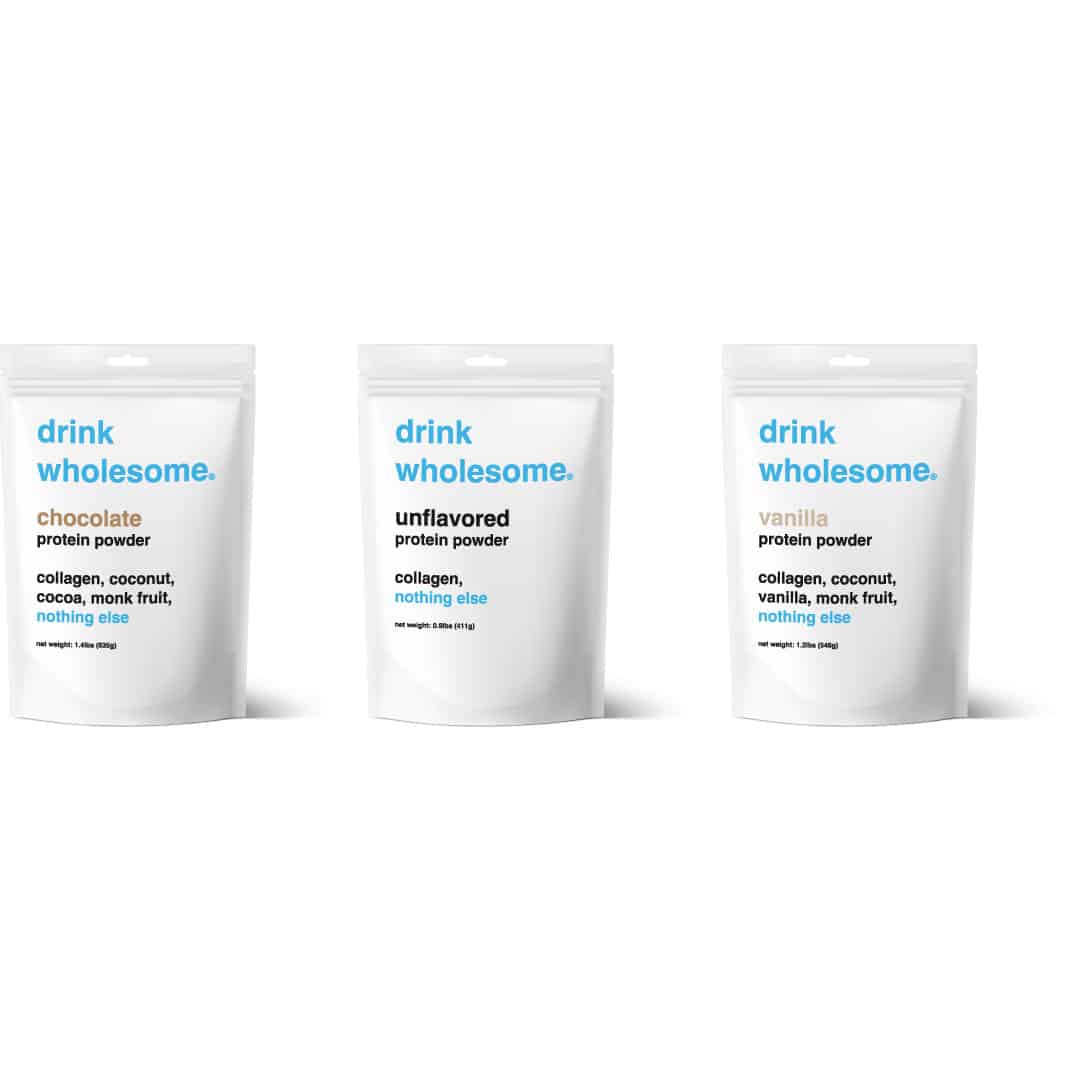
Finding a protein powder free from food additives, dairy-based proteins, and protein concentrates and isolates is hard. In fact, 99% of protein supplements contain one or more of these problematic ingredients. This is why we created drink wholesome. Keep reading to learn more about why we make the best protein powder for leaky gut.
drink wholesome is the best protein powder for leaky gut
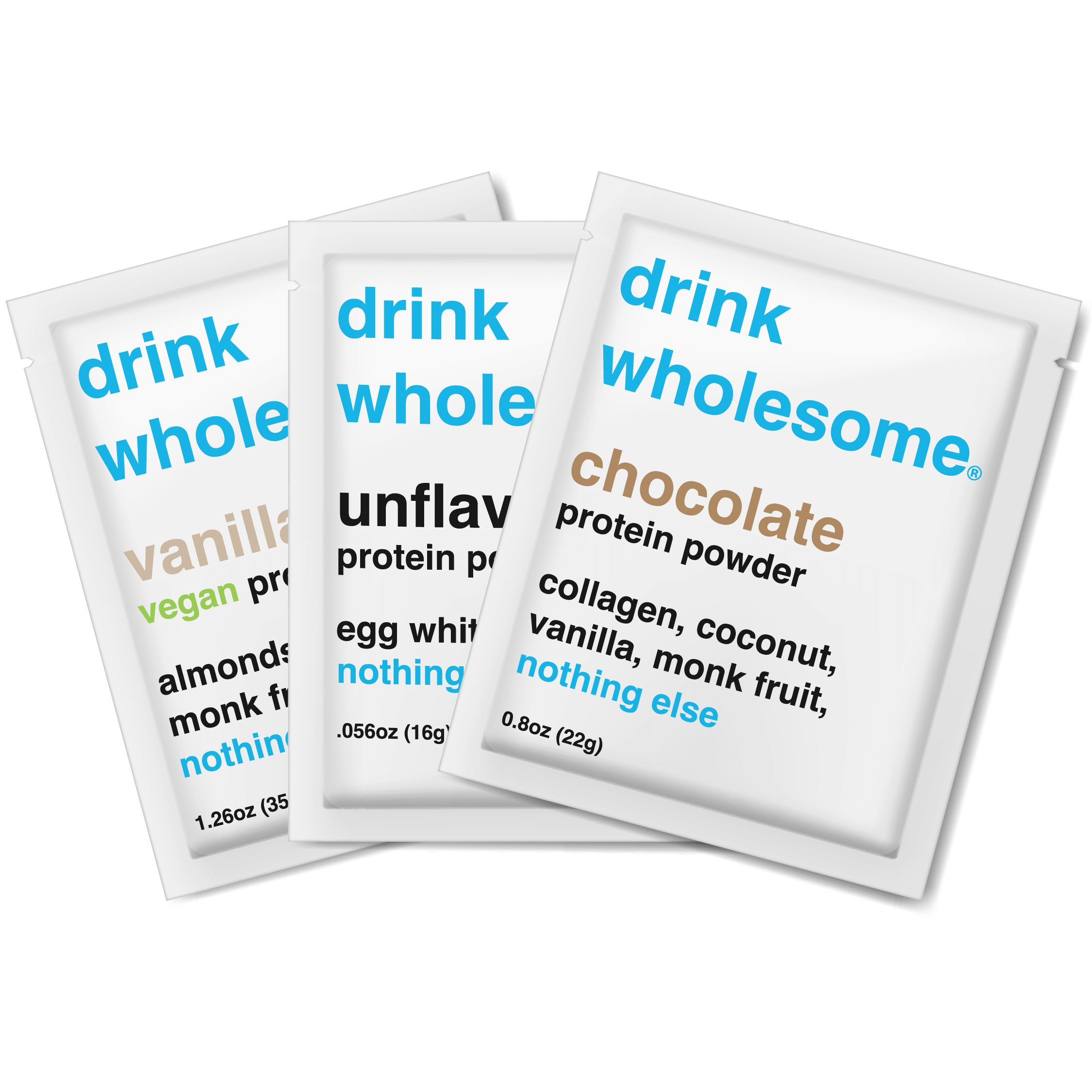
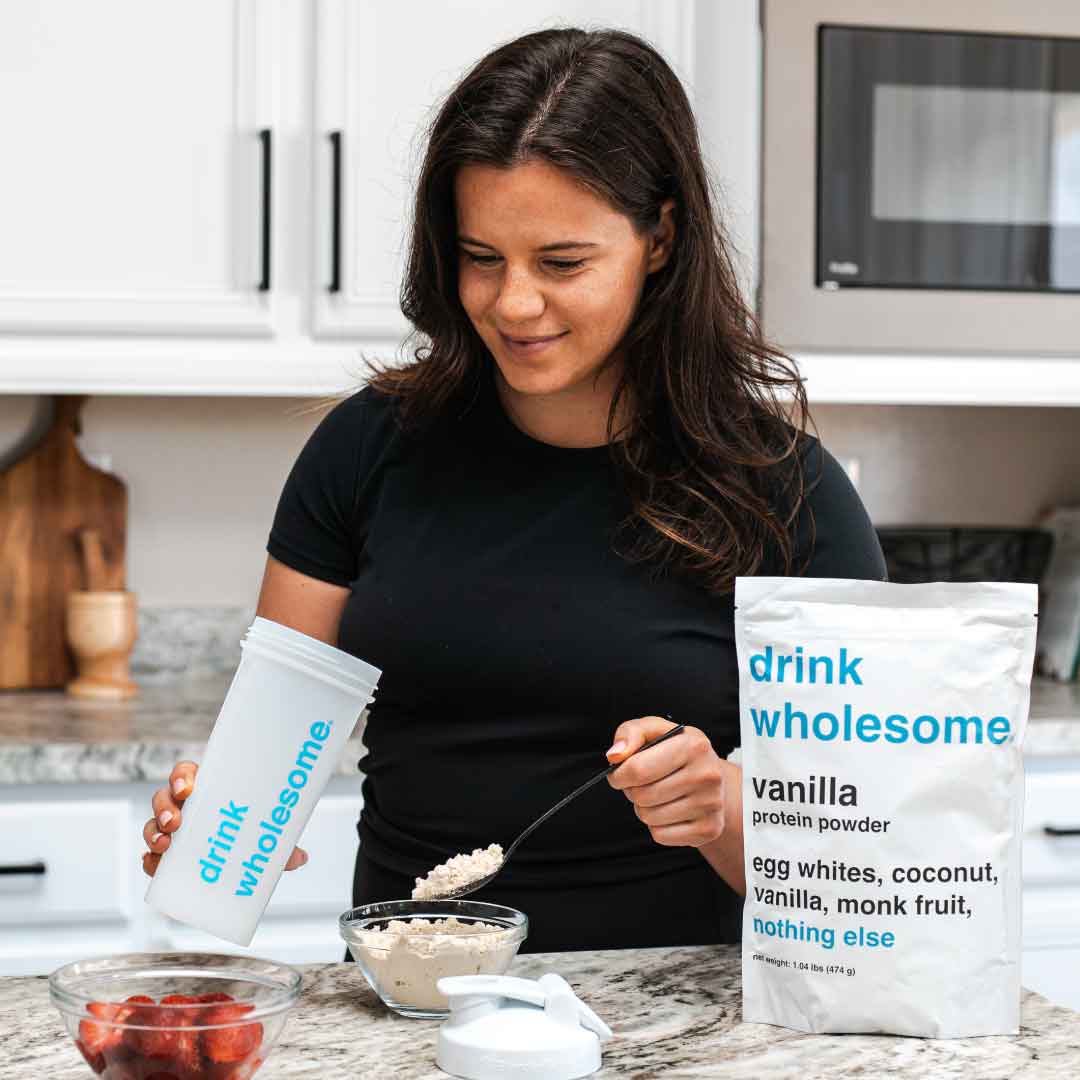
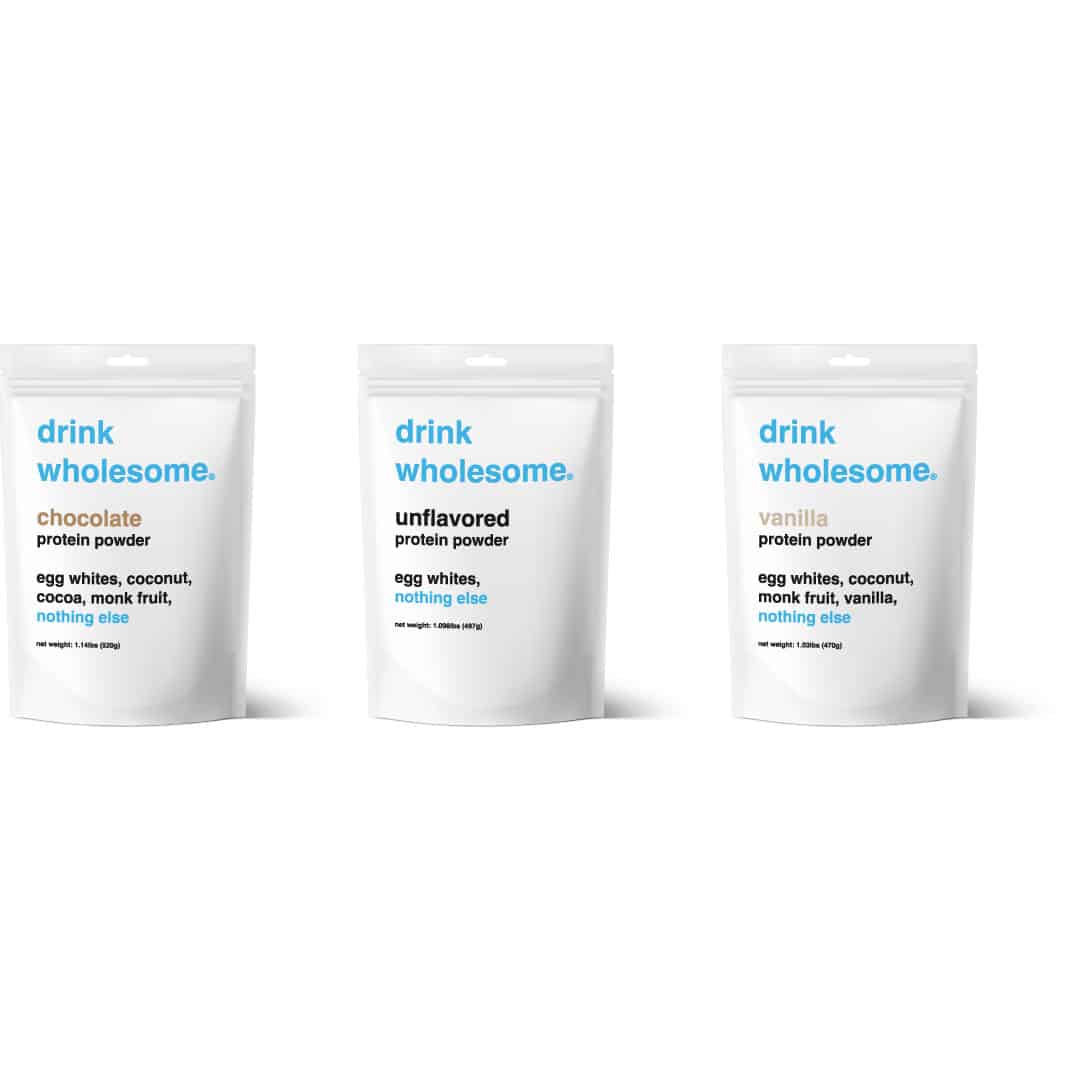
We make the best protein powder for leaky gut because we use a short list of simple ingredients free from food additives, dairy-based proteins, and protein concentrates and isolates.
egg whites, coconut, vanilla, monk fruit
the alternative:
Protein Matrix Comprised of (Whey Protein Concentrate, Whey Protein Isolate, Calcium Caseinate, Micellar Casein, Milk Protein Isolate, Egg Albumen, Glutamine Peptides), Polydextrose, Sunflower Creamer (Sunflower Oil, Corn Syrup Solids, Sodium Caseinate, Mono- and Diglycerides, Dipotassium Phosphate, Tricalcium Phosphate, Soy Lecithin, Tocopherols), Natural and Artificial Flavor, MCT Powder (Medium Chain Triglycerides, Nonfat Dry Milk, Disodium Phosphate, Silicon Dioxide), Lecithin, Cellulose Gum, Salt, Yellow 5, Sucralose, Acesulfame Potassium, Papain, Bromelain
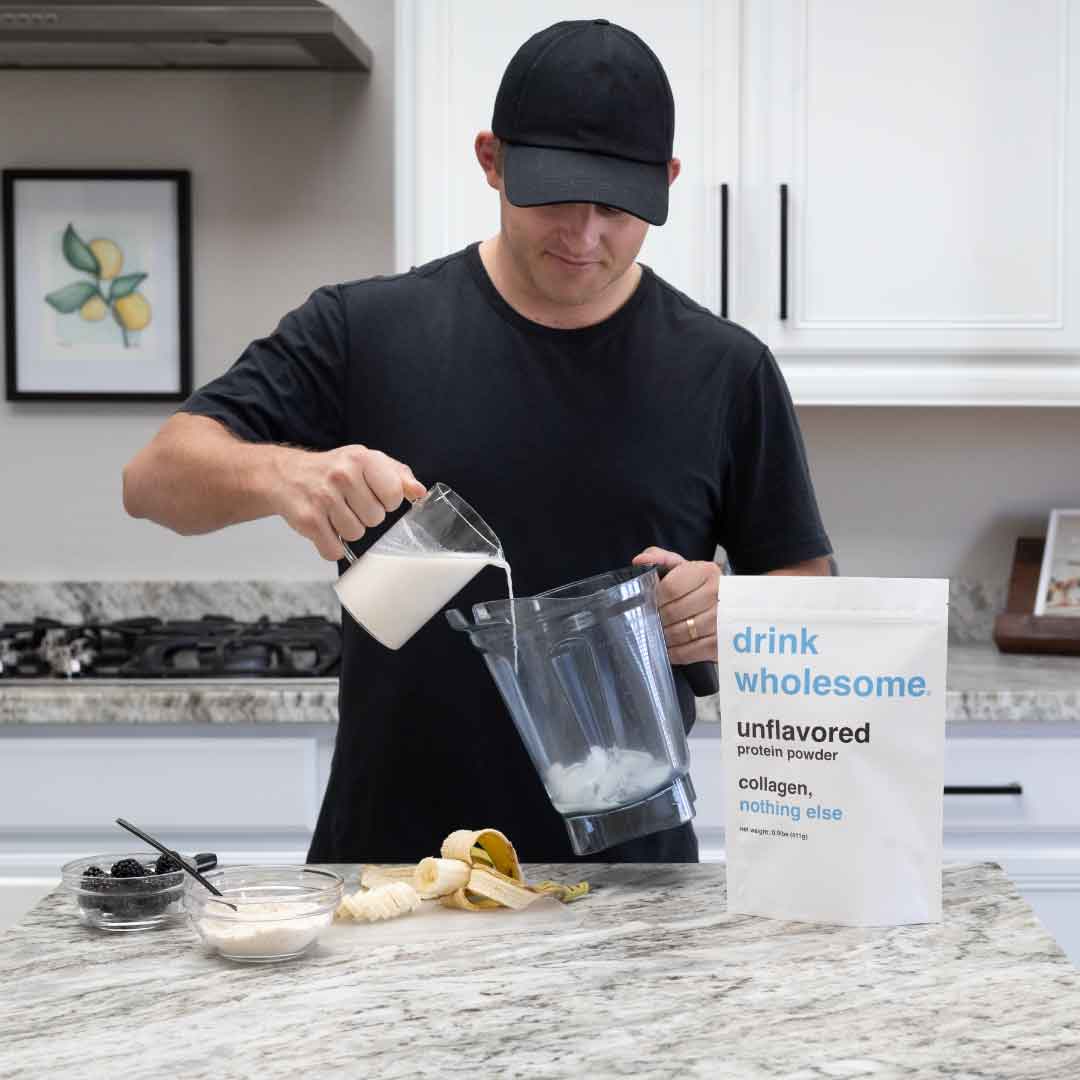
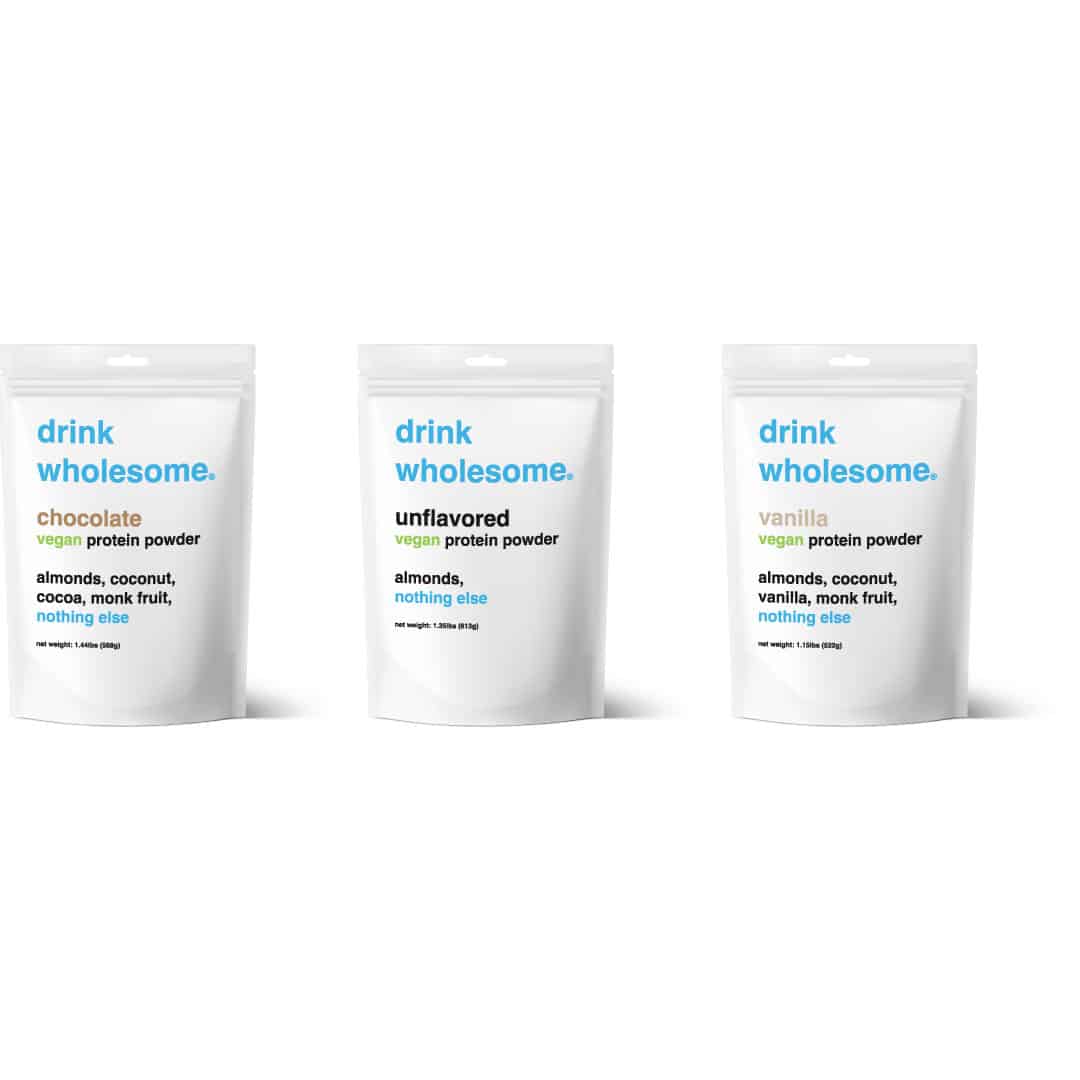
Note that instead of using protein concentrates or isolates, we use whole food protein sources like collagen, egg whites, and almonds. Simple protein sources like these are easy to digest and absorb. They also each bring a unique set of digestive benefits to the table.
Collagen has been shown to reduce bloating and improve digestive symptoms. Almonds are rich in prebiotic fiber and improve the composition of your gut microbiome. Egg whites are alkaline, meaning they balance the pH levels in your gut, and promote the growth of good gut bacteria.
Our customers thus experience fewer digestive issues with our leaky gut protein powder than with any other type of protein supplement. Order samples to see for yourself.

This content is not intended to be a substitute for professional medical advice, diagnosis, or treatment. drink wholesome is not intended to diagnose, treat, cure or prevent any disease.