

What is the best protein powder for prediabetes?
drink wholesome is the best protein powder for prediabetes. It is made with a short list of simple ingredients, so you can boost your protein intake without extra processing and added junk. Order samples to see if our prediabetes protein powder is right for you.
Written by Jack Schrupp & endorsed by Baylee Reller, RDN
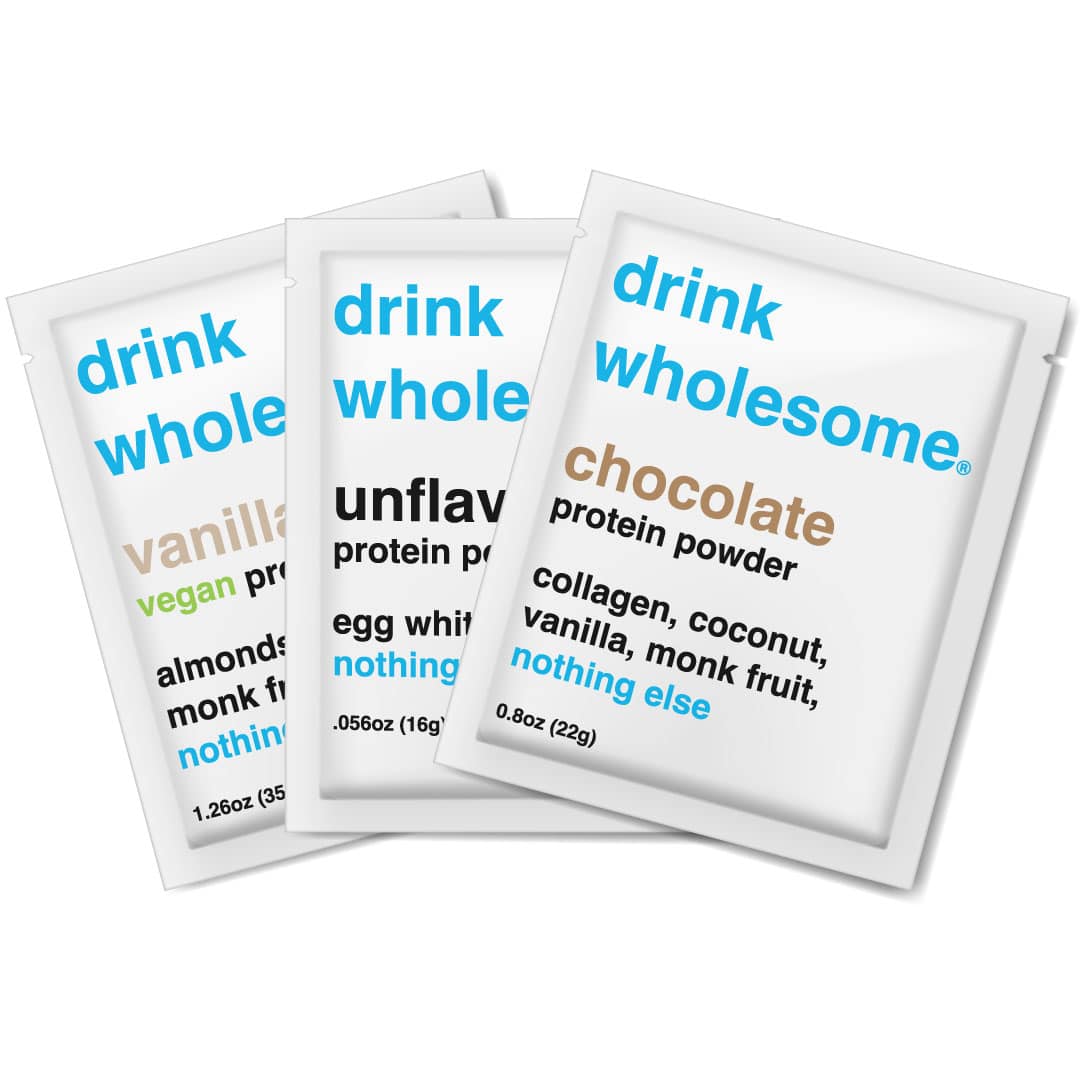
Protein Powder Sample Packs
How to pick a protein powder for prediabetes
What is prediabetes?
Prediabetes is a condition characterized by blood sugar levels that are higher than normal, but not high enough to be classified as type 2 diabetes. It is considered to be a warning sign that someone may develop type 2 diabetes if they do not make changes to their diet and lifestyle.
If you have prediabetes, your body either does not produce enough insulin, or your cells have become insulin resistant. Insulin is a hormone produced by your pancreas that regulates the amount of glucose (sugar) in your blood.
Food is broken down into glucose, which enters your bloodstream. A spike in blood glucose signals your pancreas to release insulin, which then signals your cells to remove glucose from the blood and use it for energy, or store it for later. If you do not produce enough insulin, or if your cells are insulin resistant, your blood sugar levels rise too high. Over time, this can lead to type 2 diabetes.

Is protein powder good for prediabetes?
If you are overweight, losing weight can prevent or delay the onset of type 2 diabetes. One of the easiest ways to lose weight is to make changes to your diet, and one of the most effective dietary changes you can make is increasing your protein intake.
Protein is the most satiating macronutrient, meaning it keeps you feeling full for longer than nutrients like fats and carbs. This can help prevent cravings and overeating.
Protein also increases thermogenesis, or your metabolic rate and energy expenditure. Did you know that 20-30% of protein calories are burned while the body is digesting and metabolizing the protein?
Finally, eating protein can also help you build muscle. People with more muscle mass have faster metabolisms (burn more calories) because it takes more energy (calories) to maintain muscle than fat.
In summary, increasing the percentage of your calories that come from protein can help you lose weight and prevent type 2 diabetes. You should aim to get as much protein as you can from dietary protein sources like eggs, fish, and meat, but people with dietary restrictions and busy schedules may have a hard time doing so. This is where protein powder can help. Adding a scoop of protein powder to your diet is a great way to ensure that you are meeting your protein goals.

What is the best protein powder for prediabetes?
If you have been diagnosed with prediabetes, you should avoid protein powders with lots of simple carbohydrates (Added Sugars), as they can trigger blood sugar spikes. Try to limit Added Sugar to only a few grams per serving. Naturally occurring sugars like those found in fruits and vegetables, on the other hand, are safe to eat. According to recent research, there is no link between natural sugar and prediabetes because naturally occurring sugars are digested and absorbed more slowly, and are therefore less likely to cause blood sugar spikes.
You should also avoid protein powders sweetened with artificial sweeteners. Several studies have shown that artificial sweeteners may increase cravings toward sugary and sweet foods, which can lead to binging and feelings of withdrawal. Other studies have associated artificial sweeteners with a higher risk of glucose intolerance, which is a precursor for pre-diabetes and diabetes.
You should avoid protein powders made with protein concentrates and isolates too. While high-protein, low-carb foods like these are low on the glycemic index, they can still measure high on the insulin index. For this reason, protein concentrates and isolates can cause hyperinsulinemia (abnormally high levels of insulin). In other words, while protein concentrates and isolates do not spike blood sugar the way that most carbohydrates do, they can still result in an insulin spike because they have an insulinotropic effect (they promote insulin secretion).
Finally, when buying protein powder for prediabetes, look for a short list of simple ingredients. The fewer food additives there are in your protein powder, the less likely it will be to cause gut health problems, which have been linked to the development of Type 2 diabetes. Keep reading to learn more.
drink wholesome is the best protein powder for prediabetes
drink wholesome is additive-free.
One of the reasons why we make the best protein powder for prediabetes is that we do not use food additives like gums, lecithin, flavors, and artificial sweeteners. Even in small amounts, ingredients like these can cause painful side effects.
Here is a list of the most common food additives in protein powder:
acacia fiber, acacia gum, acesulfame potassium, artificial flavors, ascorbic acid, aspartame, calcium carbonate, carrageenan, cellulose gum, dextrin, dicalcium phosphate, dipotassium phosphate, erythritol, gellan gum, guar gum, gum arabic, inulin, locust bean gum, maltodextrin, mono- and diglycerides, ‘natural’ flavors, rice bran extract, rice dextrin, rice hulls, rosemary extract, silica, silicon dioxide, sodium alginate, sodium bicarbonate, soluble corn fiber, soy lecithin, sucralose, sunflower lecithin, tocopherols, tricalcium phosphate, xanthan gum, xylitol, zinc oxide
Food additives look very little like food, making them challenging for your digestive system to break down. In some cases, this causes your colon to absorb excess water, leading to diarrhea. In other cases, the digestion resistant food additives feed your gut bacteria, which generate gas as they eat. Too much gas and cause bloating, flatulence, and stomach pain. Gas can also slow colonic transit – the amount of time it takes food to pass through the colon – leading to constipation.
In the long term, regularly eating food additives can disrupt regulatory pathways in your intestines, setting the stage for inflammatory bowel disease (IBD) and other systemic inflammatory disorders. Some additives, especially artificial sweeteners and sugar alcohols, can also disturb your gut microbiome – the collection of microorganisms living in your gut. This can trigger massive amounts of inflammation and the development of several chronic diseases, including type 2 diabetes.
the alternative:
Protein Matrix Comprised of (Whey Protein Concentrate, Whey Protein Isolate, Calcium Caseinate, Micellar Casein, Milk Protein Isolate, Egg Albumen, Glutamine Peptides), Polydextrose, Sunflower Creamer (Sunflower Oil, Corn Syrup Solids, Sodium Caseinate, Mono- and Diglycerides, Dipotassium Phosphate, Tricalcium Phosphate, Soy Lecithin, Tocopherols), Natural and Artificial Flavor, MCT Powder (Medium Chain Triglycerides, Nonfat Dry Milk, Disodium Phosphate, Silicon Dioxide), Lecithin, Cellulose Gum, Salt, Yellow 5, Sucralose, Acesulfame Potassium, Papain, Bromelain
drink wholesome is dairy-free.
Another reason why we make the best protein powder for prediabetes is that we do not use dairy-based proteins like whey and casein. Whey and casein, which are byproducts of cheese and yogurt manufacturing, are notorious for triggering gastrointestinal problems because they contain lactose – a sugar most adults cannot digest.
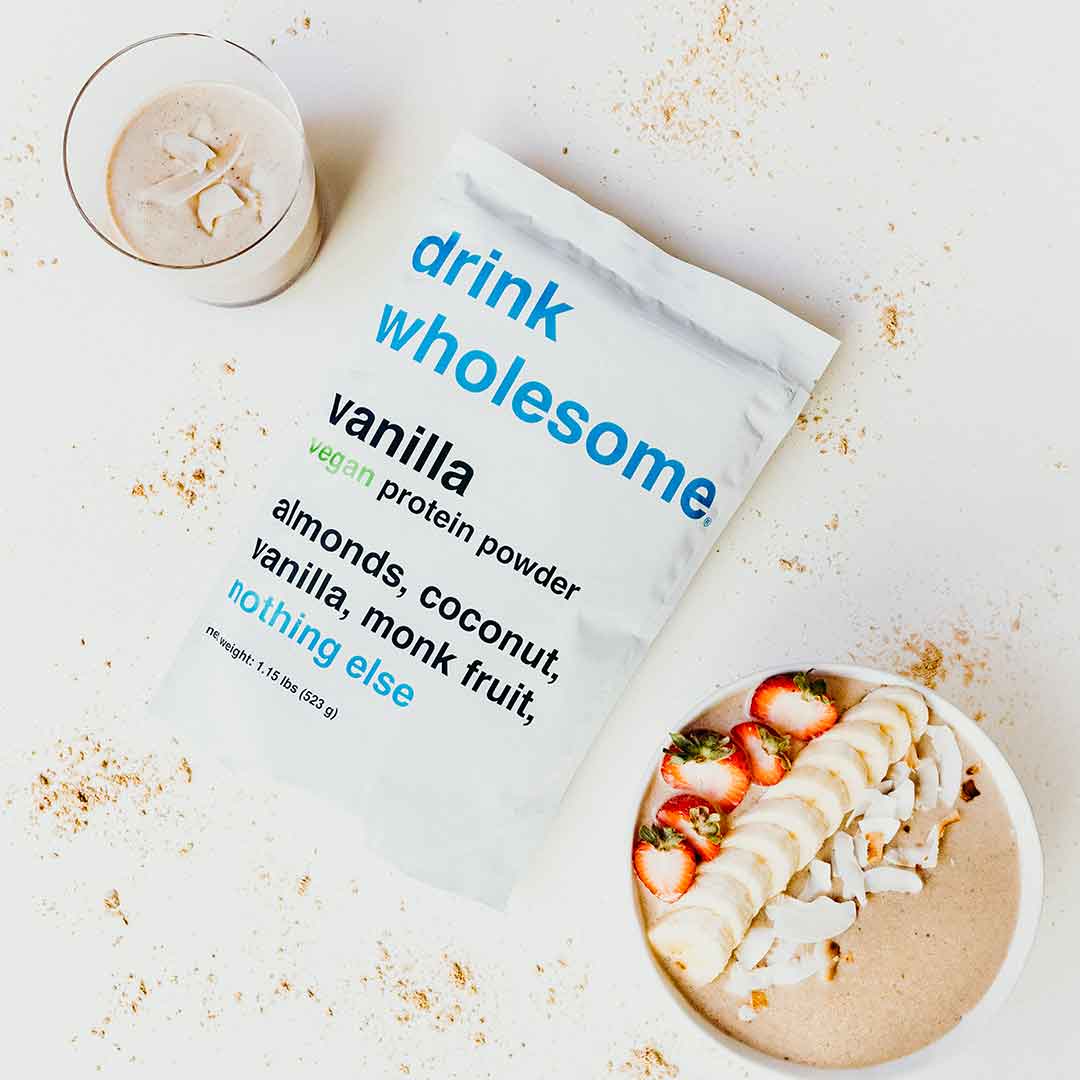

drink wholesome is made with real foods.
A final reason why we make the best protein powder for prediabetes is that we do not use protein concentrates or isolates. Nearly all other protein powders rely on one or both of these protein sources, which are chemically and/or mechanically stripped of everything but the protein.
Your gut is meant to digest minimally or unprocessed foods, not protein concentrates and isolates. This is why research shows that eating ingredients like these can cause hyperinsulinemia (abnormally high levels of insulin) and gut dysbiosis.

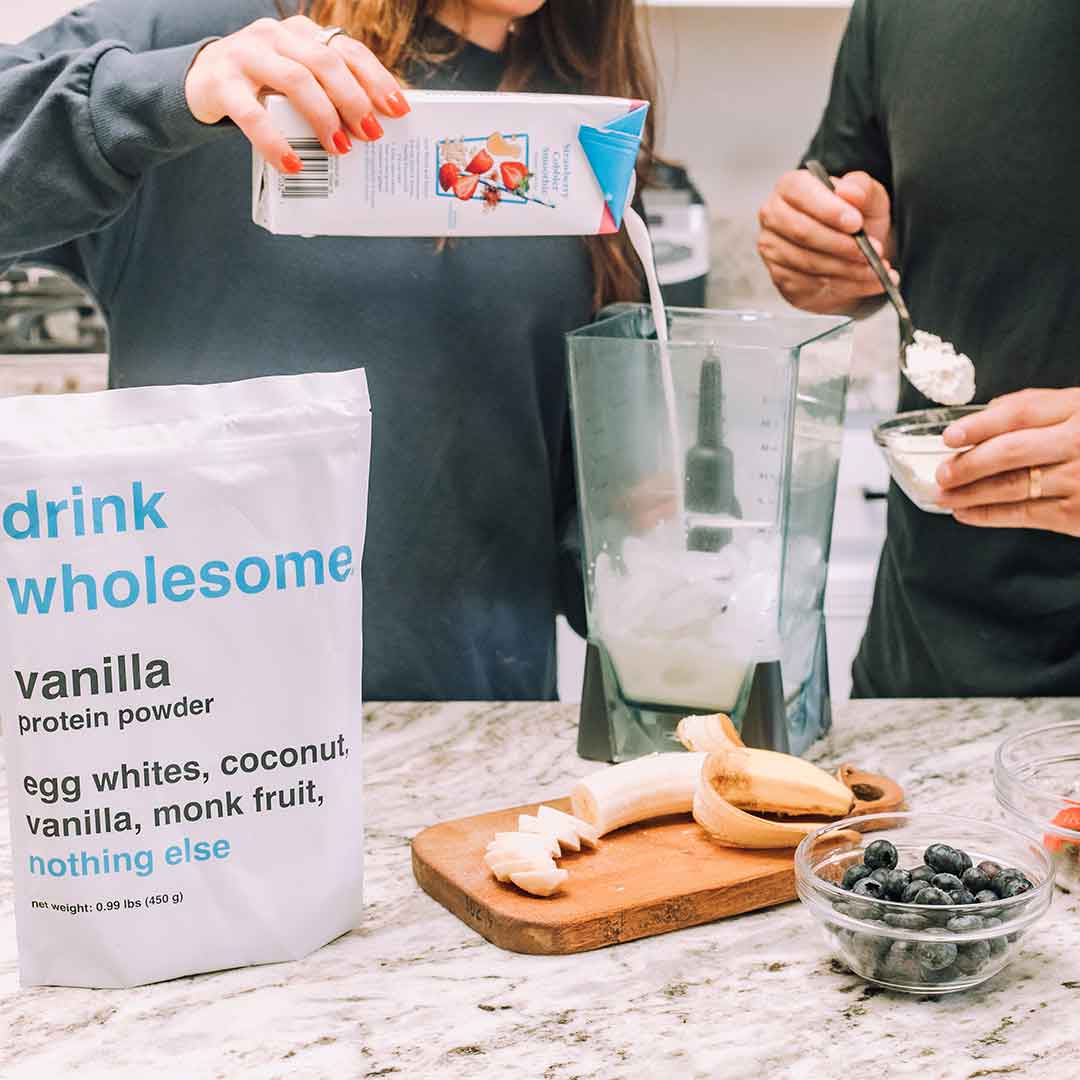
Instead of protein concentrates or isolates, we make the best prediabetes protein powder with egg whites and almonds. These minimally-processed protein sources are a gut-friendly alternative to protein concentrates and isolates.
Unlike protein isolates and concentrates, egg whites and almonds contain enzymes and that help you break them down. Egg whites are also low fiber, low FODMAP (good for IBS), alkaline (meaning they balance the pH levels in your gut) and probiotic (meaning they promote the growth of healthy gut bacteria). Our customers experience the fewest digestive issues when using our egg white protein powder.
For individuals unable to consume eggs, our almond protein powder is the best vegan protein powder for prediabetes. Almonds have prebiotic effects, meaning they improve composition of your gut microbiome.
In conclusion, our protein powders, because they are additive and dairy-free and made with simple whole foods, are a prediabetes-friendly way to boost your protein intake.
“I’m diabetic and was looking for something simple to help me boost my protein. I just add it to smoothies. No glucose spikes and fills me up.” – James
Read more reviews or take the quiz.
Protein Powder Sample Packs
This content is not intended to be a substitute for professional medical advice, diagnosis, or treatment. drink wholesome is not intended to diagnose, treat, cure or prevent any disease.