

Extreme stomach pain after protein shake?
Extreme stomach pain after protein shake? Learn more about why protein shakes cause stomach pain, and how to avoid this common side effect. Plus, if your protein powder gives you stomach pain, switch to drink wholesome. It is made with a short list of simple ingredients for people with gut issues and sensitive stomachs. Order samples to see for yourself.
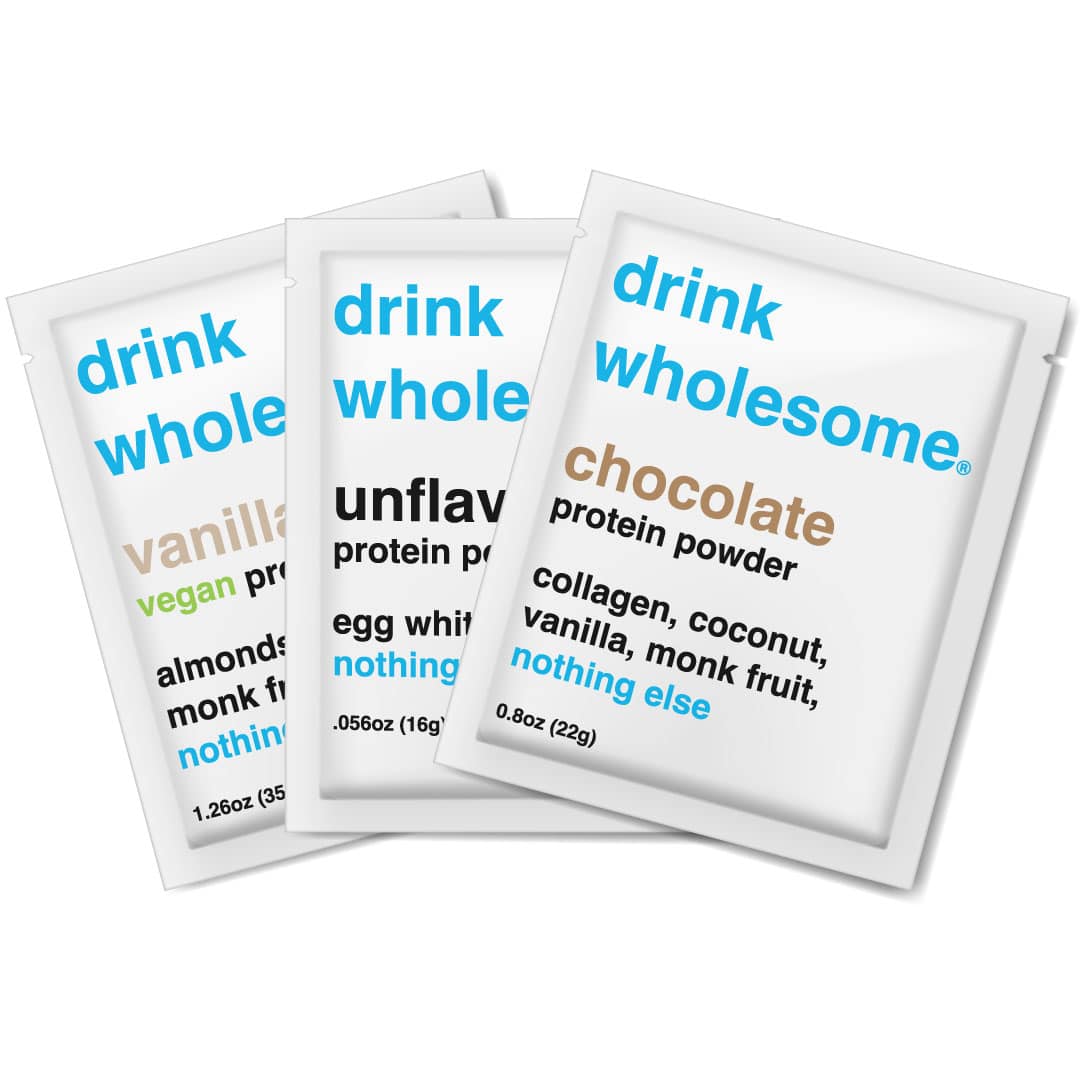
Protein Powder Sample Packs
How to avoid extreme stomach pain after protein shake.
Written by Jack Schrupp & endorsed by Baylee Reller, RDN
Can protein shakes cause extreme stomach pain?
If protein shakes upset your stomach, you are not alone. Protein shakes cause gastrointestinal (GI) side effects for many people. Common side effects include bloating, constipation, cramps, diarrhea, gas, nausea, and stomach pain. The severity of these symptoms can vary from person to person, and from mild to extreme. In some cases they only last for a few hours, but some people have reported feeling sick for days after a single protein shake.

How to stop extreme stomach pain after protein shake?
If you just drank a protein shake and are experiencing stomach pain, be sure to drink plenty of water. Hydrating and drinking ginger or peppermint tea are basically the only thing you can do to reduce pain in the short term. The rest of this article is thus designed to help you prevent stomach pain in the first place.
Dairy, or lactose, is the one of the main reasons why protein shakes cause stomach aches. If your protein supplement contains whey or casein protein, and experience GI side effects, it is time to switch to a dairy-free supplement. That said, the reason why many protein supplements cause stomach pain has nothing to do with protein.
Most protein shakes and powders are full of emulsifiers, stabilizers, thickeners, sweeteners, and flavors. Heavily-processed added ingredients can cause uncomfortable side effects and long-term gut damage. If your protein supplement is upsetting your stomach, it is therefore in your best interest to find a new, additive-free protein powder. Keep reading to learn more.

Why drink wholesome?
drink wholesome is additive-free.
One of the reasons why our protein powder does not cause stomach pain is that we do not use food additives. Even in the tiniest amounts, additives can cause a range of unwanted side effects including bloating, constipation, diarrhea, flatulence, and stomach pain.
These symptoms arise from the fact that additives look nothing like naturally occurring real foods. Your digestive system consequently struggles to fully break them down, which can lead to one of two scenarios: either water is drawn into your intestines, resulting in diarrhea, or the additives feed your gut bacteria, which generate gas. Excessive gas can cause bloating, flatulence, stomach pain, and can even hinder the passage of food through your colon, causing constipation.
Here is a list of the most common food additives in protein powder:
acacia gum, acesulfame potassium, artificial flavors, aspartame, carrageenan, cellulose gum, dextrin, dextrose, erythritol, gellan gum, guar gum, gum arabic, inulin, locust bean gum, “natural” flavors, maltodextrin, rice syrup solids, soy lecithin, silica, sucralose, sunflower lecithin, xanthan gum, xylitol
The consequences of consuming food additives over an extended period are even more troubling. Additives gradually disrupt crucial regulatory pathways within the intestines, thereby contributing to the development of inflammatory bowel disease (IBD) and other systemic inflammatory disorders.
Ongoing research suggests that food additives, especially artificial sweeteners, can also disturb the delicate balance of the gut microbiome — the community of microorganisms that help with food digestion. As you can imagine, this can significantly impact long-term gut health, and lead to even more stomach pain down the road.
the alternative:
Protein Matrix Comprised of (Whey Protein Concentrate, Whey Protein Isolate, Calcium Caseinate, Micellar Casein, Milk Protein Isolate, Egg Albumen, Glutamine Peptides), Polydextrose, Sunflower Creamer (Sunflower Oil, Corn Syrup Solids, Sodium Caseinate, Mono- and Diglycerides, Dipotassium Phosphate, Tricalcium Phosphate, Soy Lecithin, Tocopherols), Natural and Artificial Flavor, MCT Powder (Medium Chain Triglycerides, Nonfat Dry Milk, Disodium Phosphate, Silicon Dioxide), Lecithin, Cellulose Gum, Salt, Yellow 5, Sucralose, Acesulfame Potassium, Papain, Bromelain
drink wholesome is dairy-free.
Another reason why our protein powder does not cause stomach pain is that we do not use dairy-based proteins like whey and casein.Whey and casein, both byproducts of the manufacturing of cheese and yogurt, are known for causing digestive distress. This is particularly evident in individuals with lactose intolerance, as they lack the enzymes needed to completely digest lactose, the sugar in dairy. As you just discovered, partially digested food can lead to a variety of unpleasant symptoms.
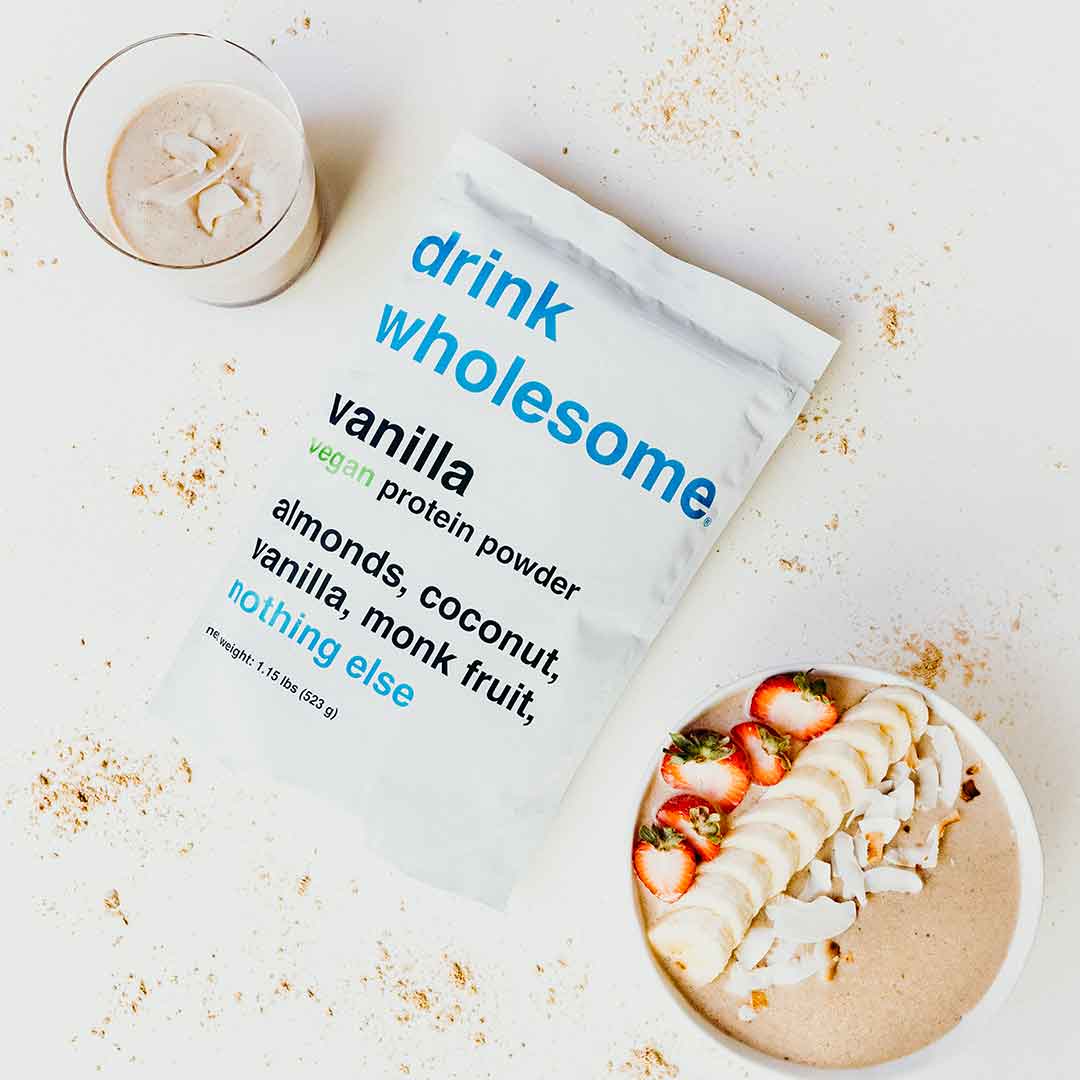

drink wholesome is made with real foods.
A final reason why our protein powder does not cause stomach pain is that we do not use protein concentrates or isolates. Nearly all other protein powders out there are made with one or both of these protein sources. The problem with protein concentrates and isolates is that they have been stripped of their non protein components, leaving them looking nothing like real food.
Your stomach is naturally designed to handle unprocessed or minimally-processed real foods, not protein concentrates or isolates. This is why recent research suggests that consistently consuming refined ingredients like these can disrupt the balance of your gut microbiome. As we discussed earlier, when your gut microbiome falls out of balance, it can make digesting food quite challenging.

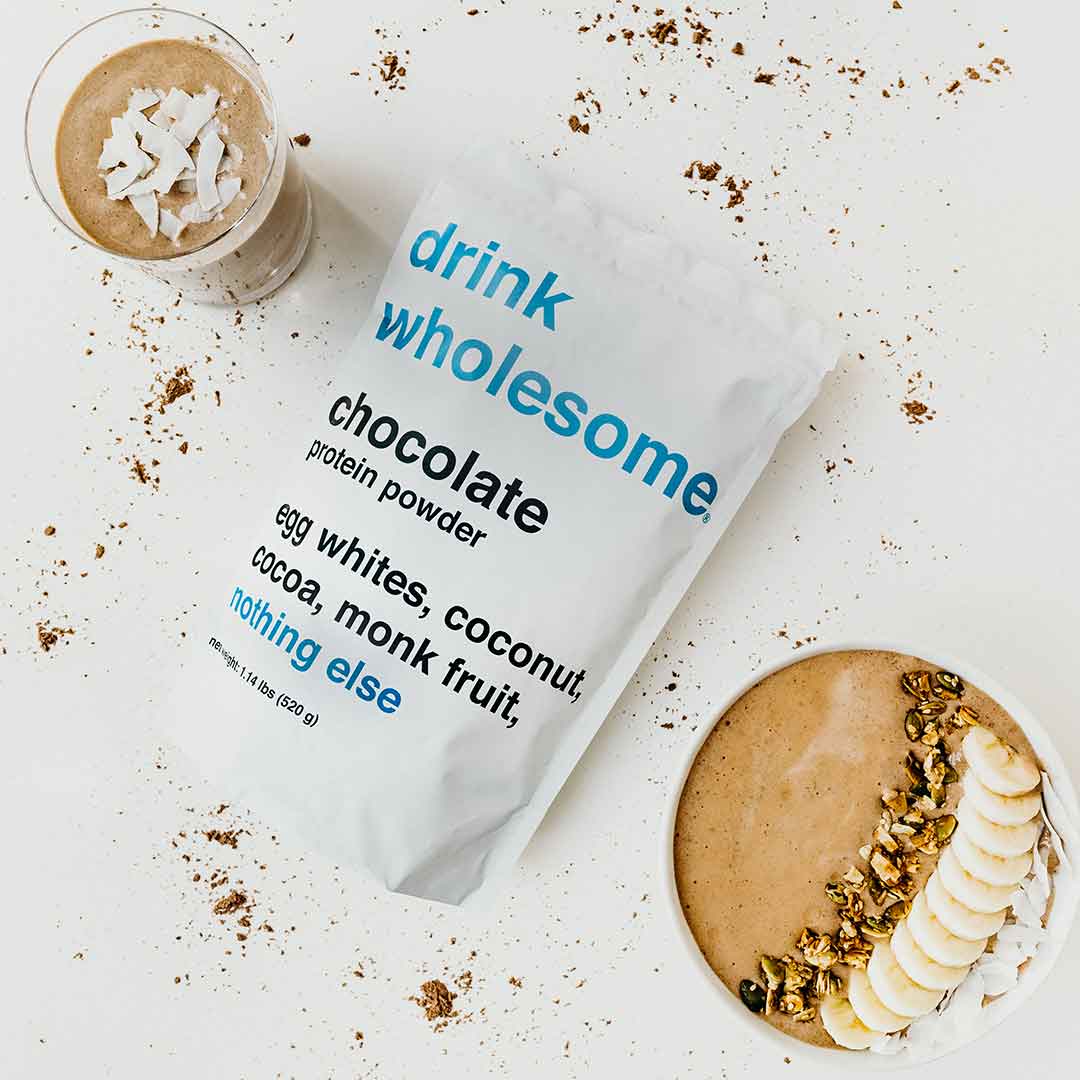
Instead of protein concentrates or isolates, we make easy to digest protein powder with egg whites and almonds. Simple Ingredients like these are much easier on the digestive system than protein concentrates and isolates.
Unlike protein isolates and concentrates, whole protein sources such as egg whites and almonds come equipped with natural enzymes and digestive aids that facilitate digestion. Egg whites are also low in fiber and FODMAPs, help maintain an alkaline gut environment, and foster the growth of good gut bacteria. Consequently, our satisfied customers have reported experiencing fewer digestive issues with our egg white protein powder than with any other protein supplement on the market.
For those adhering to a vegan diet or having dietary restrictions that exclude eggs, our vegan almond protein powder serves as an excellent plant-based alternative. Almonds possess prebiotic properties, enhancing the diversity of your gut microbiome while also promoting regular and healthy bowel movements. In essence, by using straightforward ingredients, we’ve developed protein powders that won’t cause stomach pain.
“Love this product. Getting over a severe flare up with diverticulitis and this was the only source of protein I could handle without having any pain afterwards.” – Gordo
Read more reviews or take the quiz.
Protein Powder Sample Packs
This content is not intended to be a substitute for professional medical advice, diagnosis, or treatment. drink wholesome is not intended to diagnose, treat, cure or prevent any disease.