
What is the best protein powder for gastroparesis?
If you are looking for the best protein powder for gastroparesis, you have come to the right place. In this article, you will learn how to find an gastroparesis-friendly protein powder so you can easily increase your protein intake without upsetting your stomach. This article was written by Jack Schrupp.
Protein powder and gastroparesis
What is gastroparesis?
If you have gastroparesis, which means partial paralysis of the stomach, your stomach does not empty as fast as it should. Symptoms include heartburn, nausea, vomiting, and feeling full while eating, sometimes after only a few bites. Diabetes, which can damage nerves in your stomach, is the most common known cause of gastroparesis. Other possible causes include viral infections, abdominal surgery, and certain medications. In the long term, gastroparesis can lead to malnutrition, weight loss, and bacterial overgrowth.
Although many people with gastroparesis look to diet for answers, there is no such thing as a gastroparesis diet. This is because the severity of gastroparesis varies from person to person. Gastroparesis is also not a static condition, as symptoms can vary from week-to-week or from even day-to-day. It is therefore important to find a flexible diet that works for you.

Is protein powder good for gastroparesis?
Protein powder, although it should never replace other forms of dietary protein, can be a useful tool for people with gastroparesis. For example, people with gastroparesis may have difficulty eating enough food to meet their nutritional needs. Because protein can be mixed with just water, or added to a wide range recipes, it is an easy way to fill in nutritional gaps.
Moreover, you may only be able to stomach liquid or soft foods during a gastroparesis flare. This is where protein powder can help you get the protein and calories need, without upsetting your stomach.
Finally, protein powder allows for portion control. It can be difficult to know how much food you can tolerate at one time, so eating something that can be precisely measured reduces the risk of symptoms. That said, not all protein powders are created equal.

What is the best protein powder for gastroparesis?
Many protein powders are made with ingredients that can cause painful side effects and long term health problems for someone with gastroparesis. Among these ingredients are food additives, dairy-based proteins, and protein concentrates and isolates.
Avoid food additives
Regularly eating emulsifiers, thickeners, sugar substitutes, and other additives can not only upset your stomach, but also alter the composition of your gut microbiome – the collection of microorganisms living in your gut. This can lead to gut dysbiosis, which is a leading driver of inflammation, and associated with the development of gastroparesis. Here is a list of the most common food additives in protein powder:
acacia fiber, acacia gum, acesulfame potassium, artificial flavors, ascorbic acid, aspartame, calcium carbonate, carrageenan, cellulose gum, dextrin, dicalcium phosphate, dipotassium phosphate, erythritol, gellan gum, guar gum, gum arabic, inulin, locust bean gum, maltodextrin, mono- and diglycerides, ‘natural’ flavors, rice bran extract, rice dextrin, rice hulls, rosemary extract, silica, silicon dioxide, sodium alginate, sodium bicarbonate, soluble corn fiber, soy lecithin, sucralose, sunflower lecithin, tocopherols, tricalcium phosphate, xanthan gum, xylitol, zinc oxide
Avoid dairy-based proteins
Dairy-based proteins like whey and casein, although not an issue for everyone, can cause side effects like bloating and diarrhea. This is in part because they contain lactose, a sugar most adults cannot fully digest.
Avoid protein concentrates and isolates
Most protein powders are made from protein concentrates and isolates, which have been mechanically and or chemically stripped of everything but the protein, including the enzymes, fiber, and other natural digestive aids that help you break them down. As a result, they can cause digestive issues and possibly even disruptions to the gut microbiome.
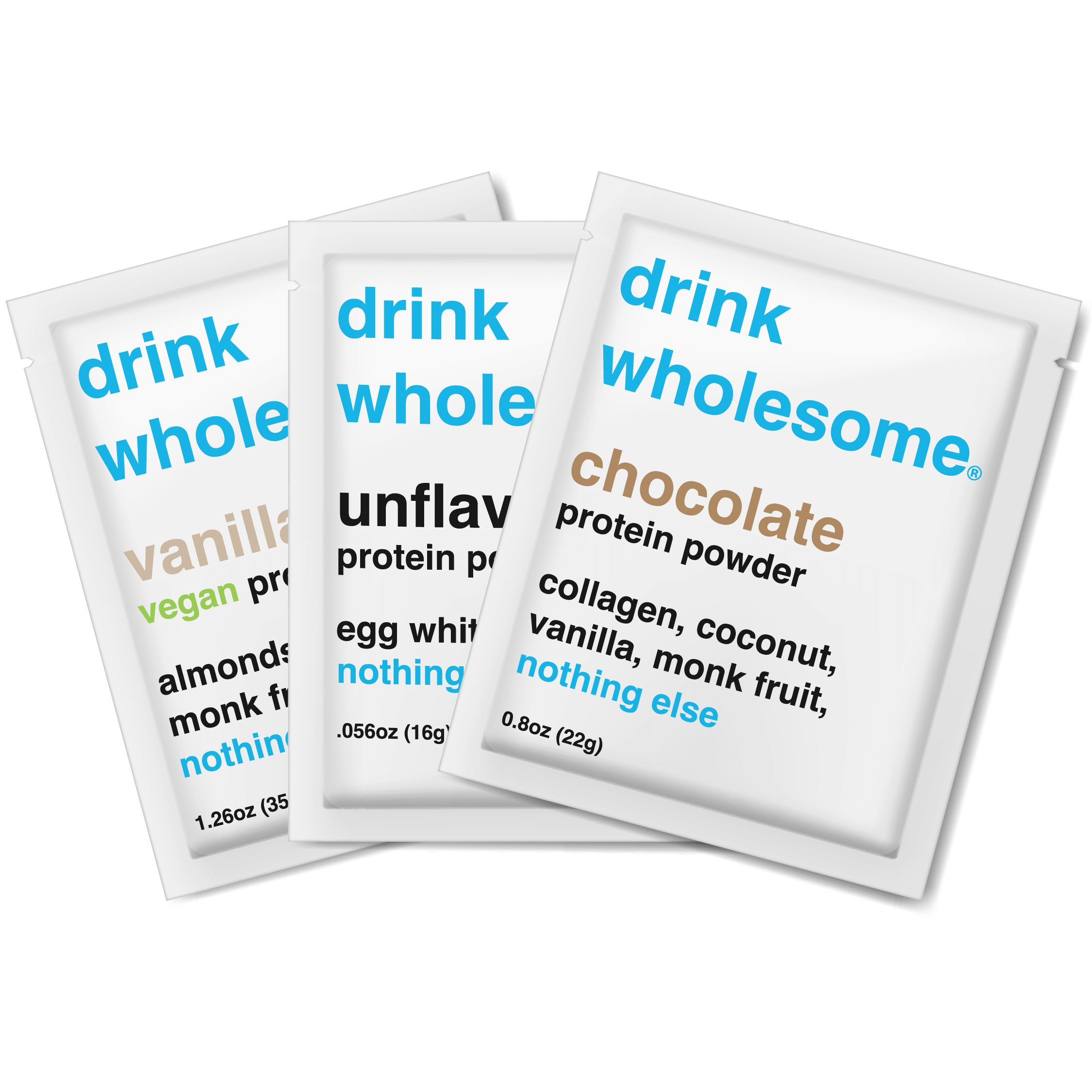
Finding a protein powder free from food additives, dairy-based proteins, and protein concentrates and isolates is hard. In fact, 99% of protein supplements contain one or more of these problematic ingredients. This is why we created drink wholesome. Keep reading to learn more about why we make the best protein powder for gastroparesis.
drink wholesome is the best protein powder for gastroparesis
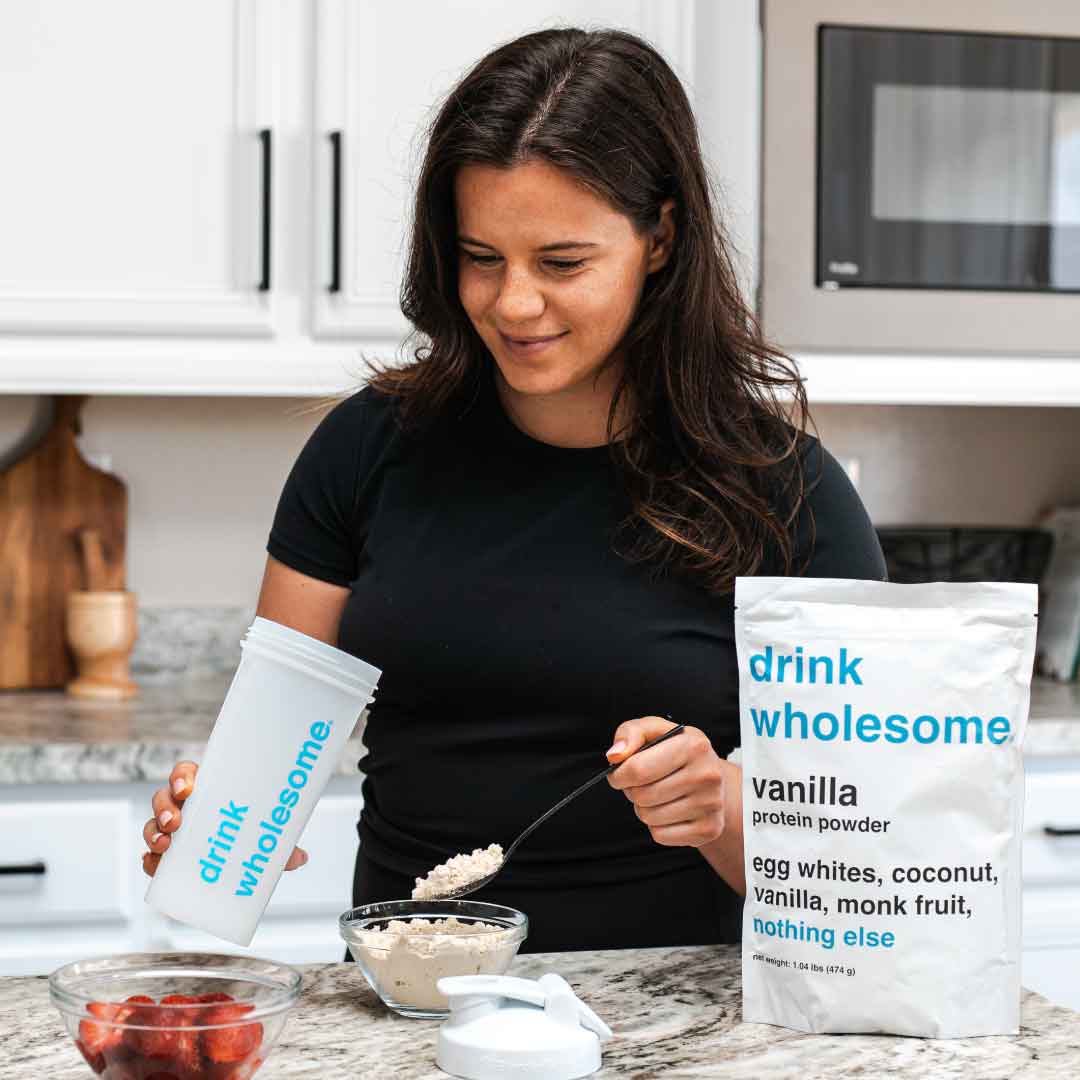
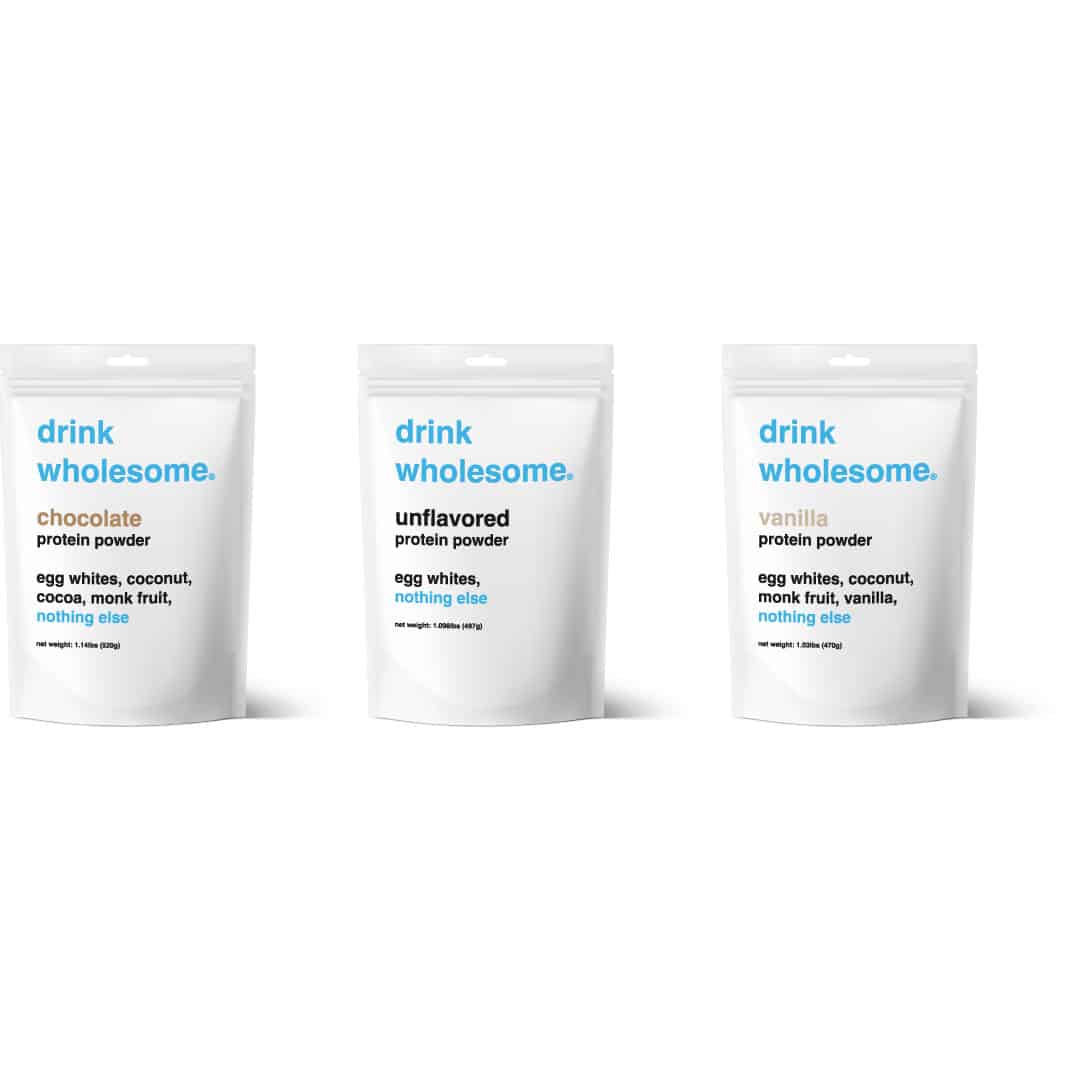
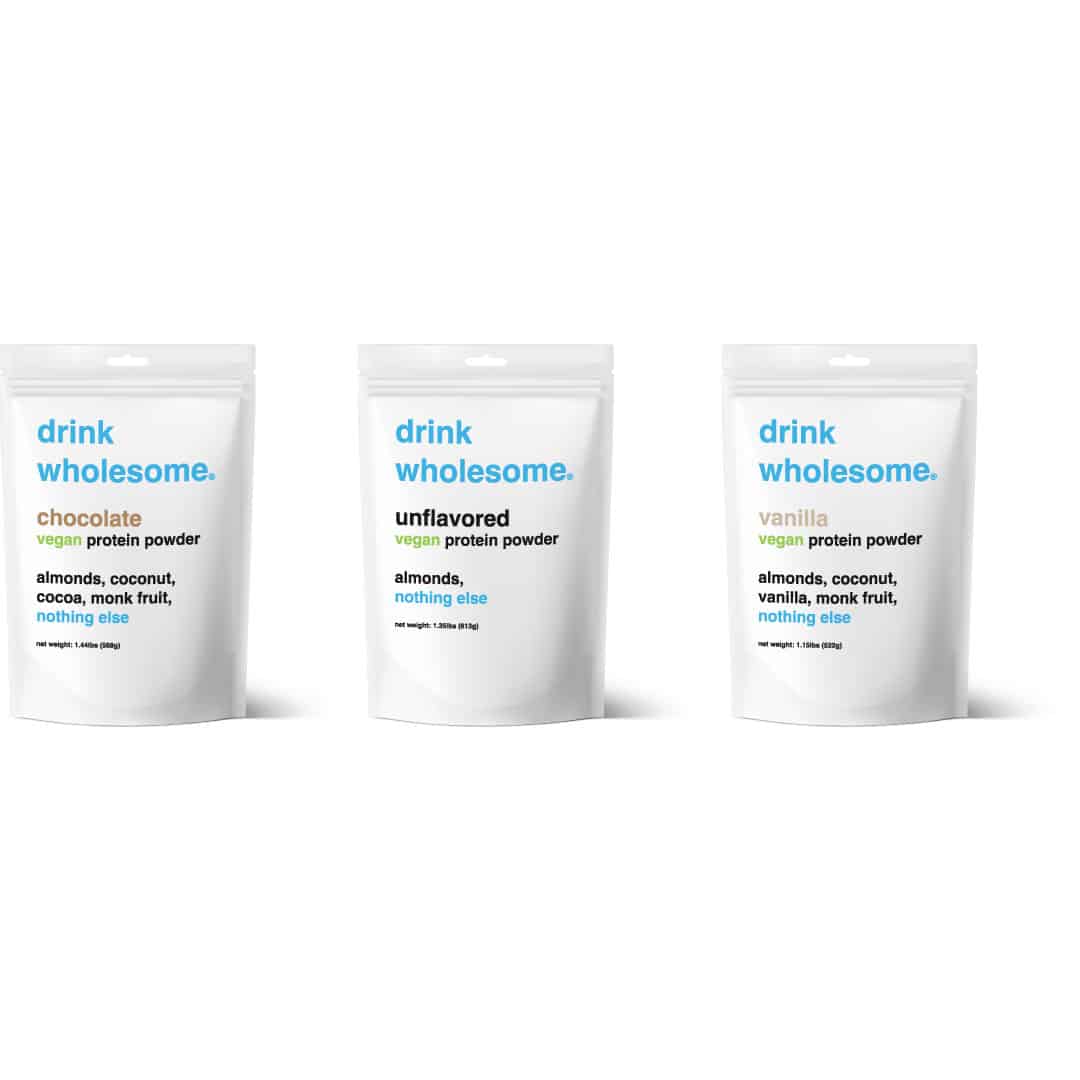
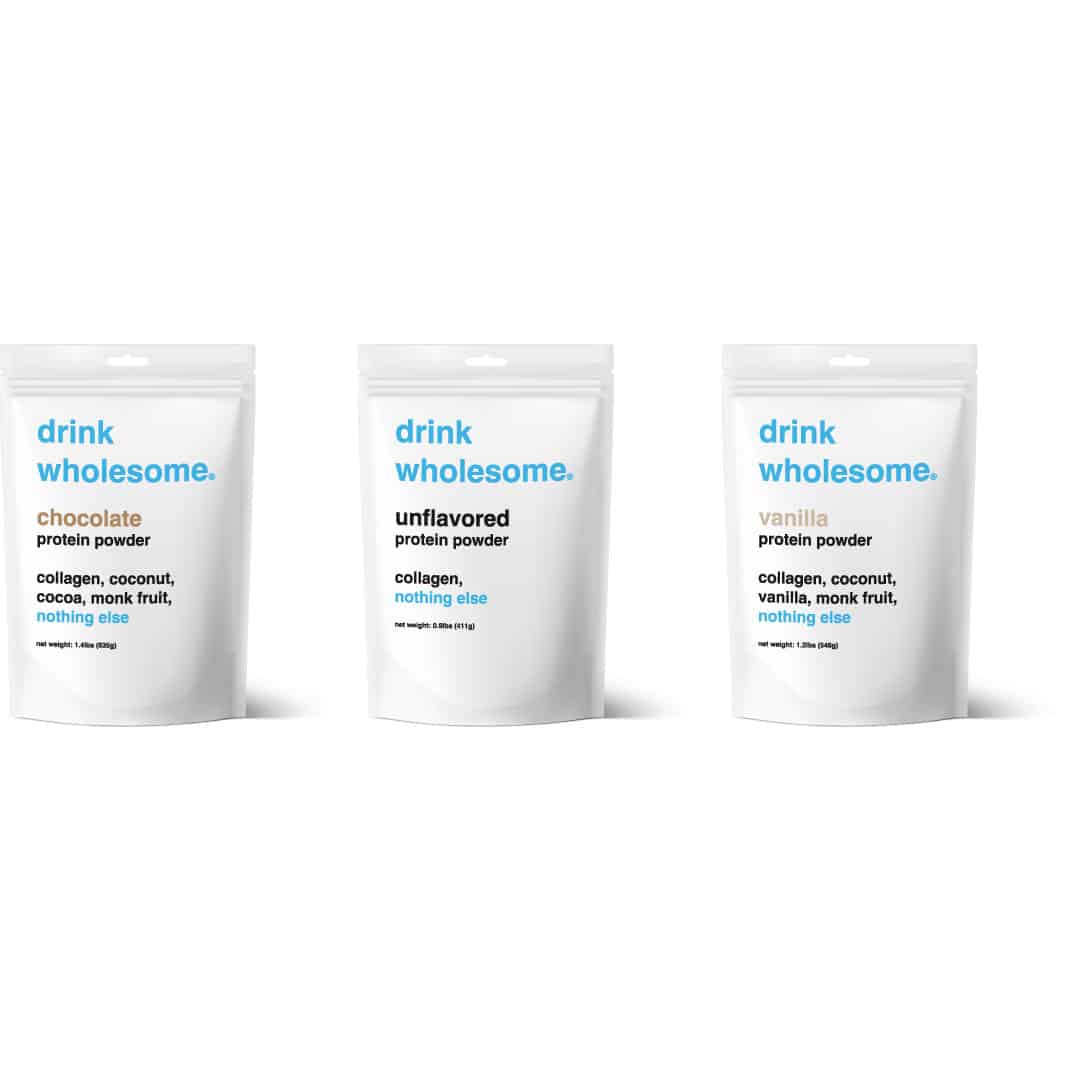
We make the best protein powder for gastroparesis because we use a short list of simple ingredients free from food additives, dairy-based proteins, and protein concentrates and isolates.
egg whites, coconut, vanilla, monk fruit
the alternative:
Protein Matrix Comprised of (Whey Protein Concentrate, Whey Protein Isolate, Calcium Caseinate, Micellar Casein, Milk Protein Isolate, Egg Albumen, Glutamine Peptides), Polydextrose, Sunflower Creamer (Sunflower Oil, Corn Syrup Solids, Sodium Caseinate, Mono- and Diglycerides, Dipotassium Phosphate, Tricalcium Phosphate, Soy Lecithin, Tocopherols), Natural and Artificial Flavor, MCT Powder (Medium Chain Triglycerides, Nonfat Dry Milk, Disodium Phosphate, Silicon Dioxide), Lecithin, Cellulose Gum, Salt, Yellow 5, Sucralose, Acesulfame Potassium, Papain, Bromelain
Note that instead of using protein concentrates or isolates, we use whole food protein sources like collagen, egg whites, and almonds. Simple protein sources like these are easy to digest and absorb. They also each bring a unique set of digestive benefits to the table.
Collagen has been shown to reduce bloating and improve digestive symptoms. Almonds are rich in prebiotic fiber and improve the composition of your gut microbiome. Egg whites are alkaline, meaning they balance the pH levels in your gut, and promote the growth of good gut bacteria.
Our customers thus experience fewer digestive issues with our gastroparesis protein powder than with any other type of protein supplement. Order samples to see for yourself.


This content is not intended to be a substitute for professional medical advice, diagnosis, or treatment. drink wholesome is not intended to diagnose, treat, cure or prevent any disease.