

What is the best protein powder for GERD?
drink wholesome is the best protein powder for GERD. It is made with a short list of simple ingredients, making it perfect for people with GERD and sensitive stomachs. If you are looking to boost your protein intake without the extra processing and added junk, you have to come to the right place. Order samples to see if our GERD protein powder is right for you.
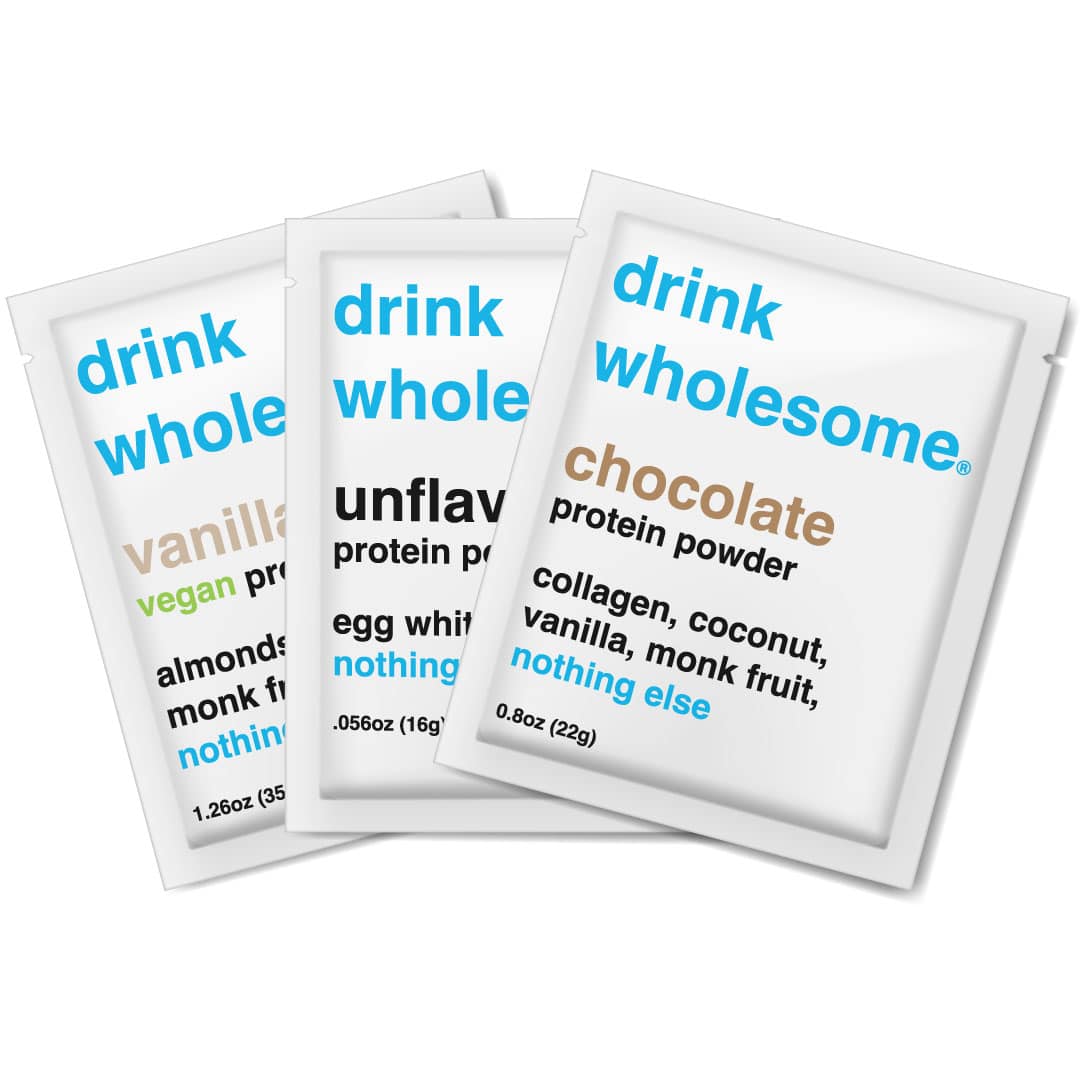
Protein Powder Sample Packs
drink wholesome is the best protein powder for GERD.
Written by Jack Schrupp & endorsed by Baylee Reller, RDN
What is GERD?
You have probably heard of acid reflux, or gastroesophageal reflux (GER), which is the backward flow of stomach acid into the esophagus. What you may not have heard, however, is that severe acid reflux can lead to gastroesophageal reflux disease, or GERD. GERD is a common disease that affects about 20% of the population, and the most common symptom is frequent heartburn. Foods known to trigger heartburn delay the digestive process, letting food sit in the stomach longer. They also cause the esophageal sphincter to relax, which allows stomach acid back up (reflux) into the esophagus.
The foods you eat affect the amount of acid your stomach produces, and eating the right kinds of food is key to controlling GERD. Eliminating certain foods from your diet is one of the best ways to mitigate GERD symptoms. An elimination diet can also be used to learn whether or not certain foods cause or aggravate your symptoms, which is important because every stomach is different; a food that causes GERD symptoms for one person may not cause them for someone else.
It follows that there is considerable controversy over which foods actually cause acid reflux. There are, however, a few foods that everyone agrees are common acid reflux triggers. They include (but are not limited to) alcohol, caffeine, chocolate, citrus, tomatoes, garlic, mint, onions, spicy foods, fatty foods, fried foods, and processed foods. This last one is especially important when it comes to choosing a protein powder for GERD. Keep reading to learn more/
What is the best protein powder for GERD?
Most protein powders are full of heavily-processed ingredients that can upset your stomach. Emulsifiers, stabilizers, thickeners, sweeteners, and flavors are just some of the added ingredients known to trigger side effects for people with sensitive stomachs.
It follows that the best protein powder for acid reflux is one made with a short list of simple ingredients. The more your protein supplement looks like real food, the better. Keep reading to learn more.

Why drink wholesome?
drink wholesome is additive-free.
One of the reasons why we make the best protein powder for GERD is that we do not use food additives. Most protein powders, in contrast, are packed with additives. While xanthan gum and sunflower lecithin may not be harmful in small quantities, they can add up if you drink protein shakes on a regular basis, and their cumulative effect to be significant. Food additives can cause a range of gastrointestinal (GI) side effects, including bloating, constipation, diarrhea, gas, stomach pain, and heartburn.
Here is a list of the most common food additives in protein powder:
acacia gum, acesulfame potassium, artificial flavors, aspartame, carrageenan, cellulose gum, dextrin, dextrose, erythritol, gellan gum, guar gum, gum arabic, inulin, locust bean gum, “natural” flavors, maltodextrin, rice syrup solids, soy lecithin, silica, sucralose, sunflower lecithin, xanthan gum, xylitol
Because food additives do not look like real food, they are hard to break down. This means that they sit in your gut for longer than food is supposed to, which is a problem for two reasons. First of all, as they sit in your gut, food additives can also trigger the overproduction of stomach acid. Food additives also feed your gut bacteria, which produce gas. Excessive gas can put pressure on the small intestine and stomach, pushing stomach acid into the esophagus and causing heartburn.
the alternative:
Protein Matrix Comprised of (Whey Protein Concentrate, Whey Protein Isolate, Calcium Caseinate, Micellar Casein, Milk Protein Isolate, Egg Albumen, Glutamine Peptides), Polydextrose, Sunflower Creamer (Sunflower Oil, Corn Syrup Solids, Sodium Caseinate, Mono- and Diglycerides, Dipotassium Phosphate, Tricalcium Phosphate, Soy Lecithin, Tocopherols), Natural and Artificial Flavor, MCT Powder (Medium Chain Triglycerides, Nonfat Dry Milk, Disodium Phosphate, Silicon Dioxide), Lecithin, Cellulose Gum, Salt, Yellow 5, Sucralose, Acesulfame Potassium, Papain, Bromelain
drink wholesome is dairy-free.
Another reason why we make the best GERD protein powder is that we do not use dairy-based proteins. A ton of protein powders are made with whey and casein protein, byproducts of cheese and yogurt production. Because many people have trouble fully digesting lactose, the sugar in dairy, whey and casein can feed those hungry gut bacteria, which produce gas and cause acid reflux symptoms.

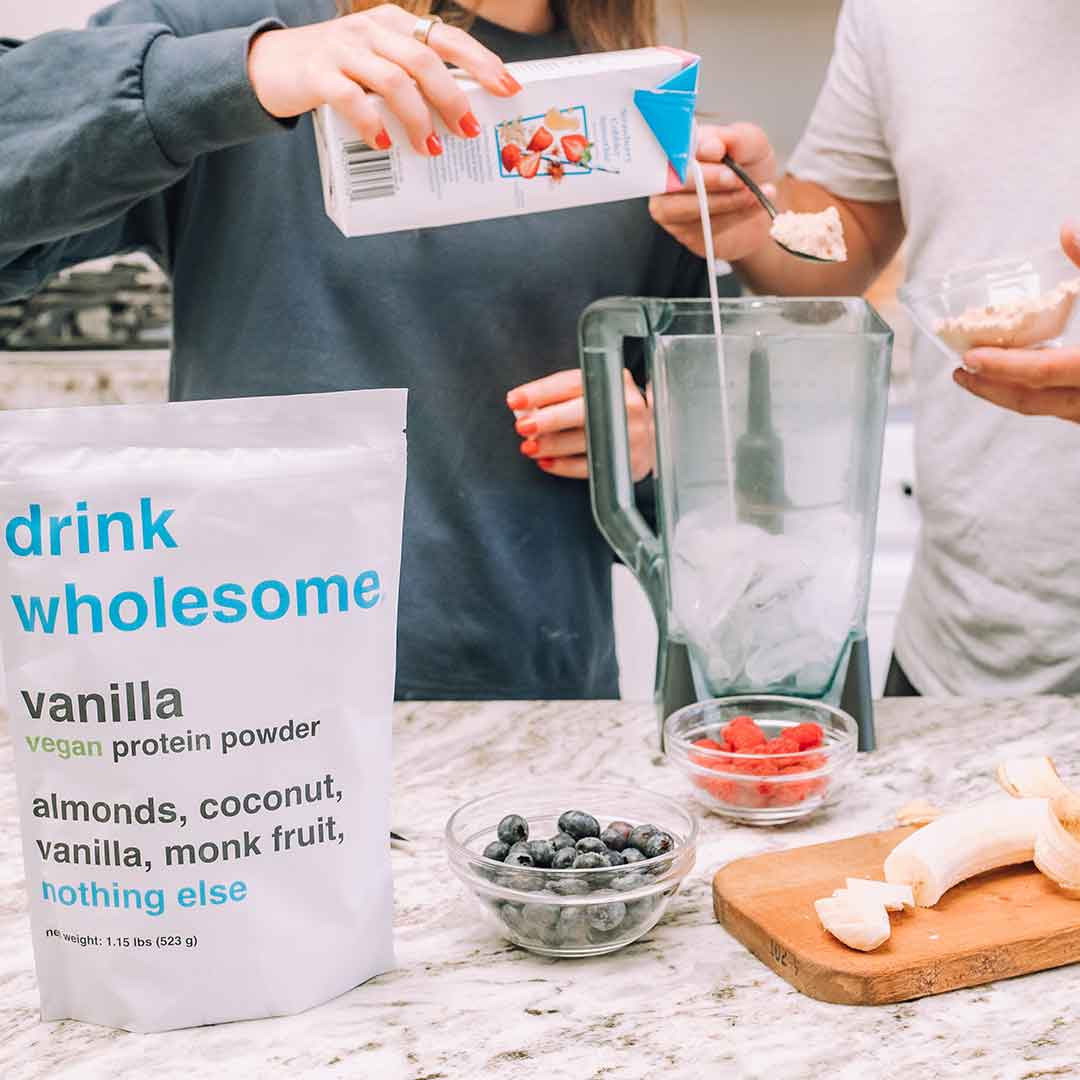
drink wholesome is made with real foods.
A final reason why we make the best protein powder for GERD is that we do not use protein concentrates or isolates. On the flip side, the vast majority of other protein powders are made with one or both of these protein sources. Concentrates and isolates, in essence, are foods that have been stripped down to nothing but the protein itself. They go through extensive mechanical and chemical processing, sometimes involving the use of solvents like hexane. Consequently, what you end up putting into your body hardly resembles real food.
Your digestive system, by design, is designed to deal with unprocessed or minimally-processed real foods, not protein concentrates or isolates. This is precisely why a growing body of research is shedding light on the fact that regular consumption of highly processed ingredients like these can disrupt your gut microbiome, which does far more than just facilitate digestion.
Your gut microbiome plays a pivotal role in shielding your body against harmful pathogens, educating your immune system, and exerting a direct or indirect influence on a multitude of bodily functions. It’s important to recognize that an imbalanced gut microbiome, known as a dysbiotic gut, is a matter that should not be taken lightly.

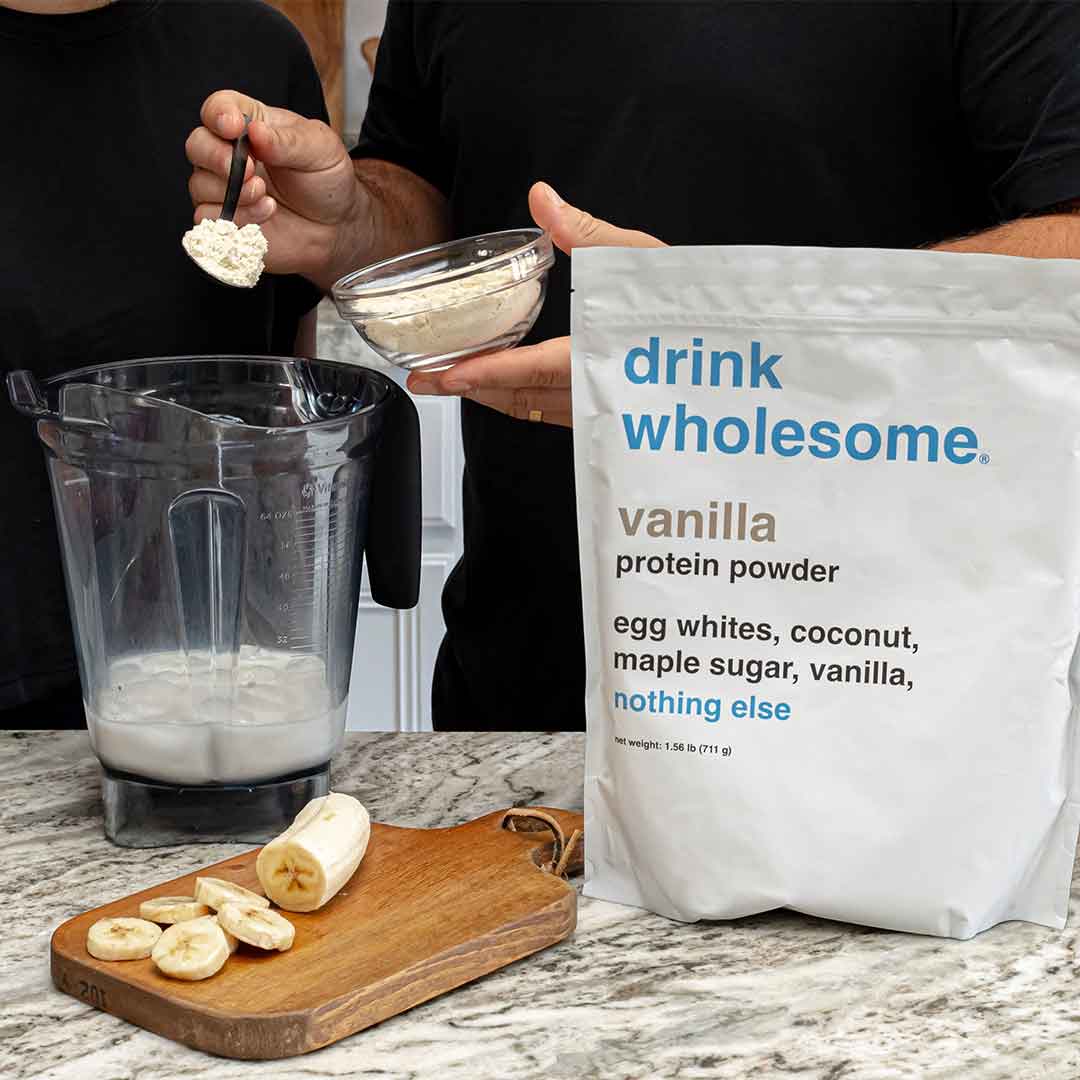
Instead of relying on protein concentrates or isolates, we have formulated the best GERD protein powder with wholesome ingredients such as egg whites and almonds. Egg whites undergo a simple process of pasteurization and drying, while almonds are roasted, pressed to reduce some oil content, and finely ground.
These minimally-processed ingredients make for protein powders that are exceptionally kind to the digestive system. This is primarily because real foods, unlike protein isolates and concentrates, come equipped with natural enzymes and digestive aids that help you break them down.
For individuals who do not have egg allergies or sensitivities, egg white protein emerges as a truly excellent choice for promoting gut health. Egg whites are low in fiber, low in FODMAP, and have been shown to enhance the population of beneficial bacteria in the gut. Our delighted customers often highlight the fact that they encounter fewer digestive issues when incorporating our egg white protein powder into their routines compared to other protein supplements.
Meanwhile, for those following a vegan diet or facing dietary restrictions that prevent them from consuming eggs, our vegan almond protein powder stands is a good alternative. Almonds bring prebiotic effects to the table, fostering the richness and diversity of the gut microbiome. They also facilitate healthy and regular bowel movements. In summary, we take immense pride in creating protein powders with minimal processing, ensuring that you can reap the benefits of protein supplementation without compromising your gut health.
“This protein powder has taken my oatmeal to the next level. I can’t say enough good things about how it tastes!!! A good option for people with acid reflux.” – Kenzie
Read more reviews or take the quiz.
Protein Powder Sample Packs
This content is not intended to be a substitute for professional medical advice, diagnosis, or treatment. drink wholesome is not intended to diagnose, treat, cure or prevent any disease.