
What is the best protein powder without additives?
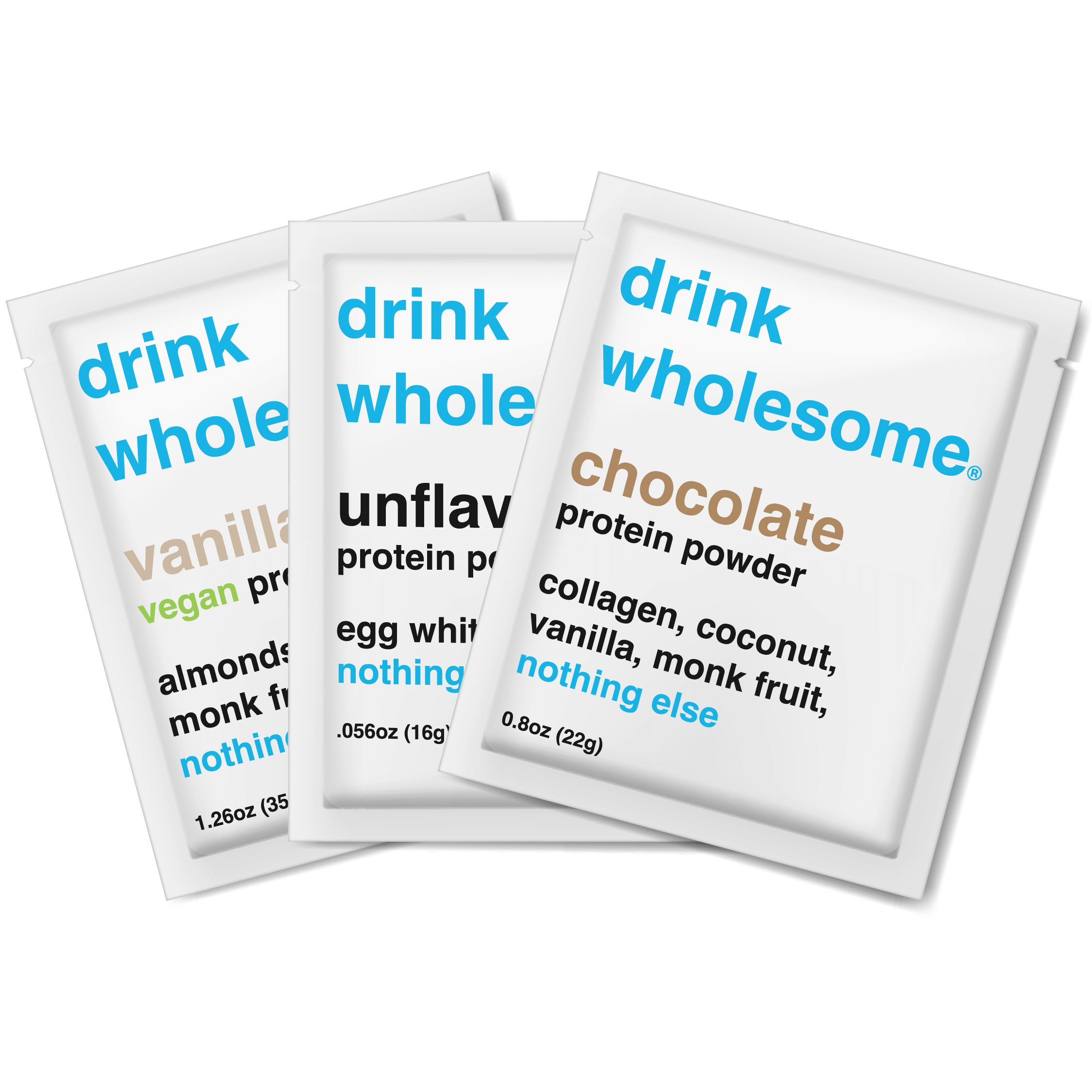
drink wholesome is the best protein powder without additives. It is additive-free, dairy-free, and made with real foods, not protein isolates – 99% of supplements fail to meet at least one of these criteria. This makes it perfect for people with gut issues and sensitive stomachs, as well as for people looking to boost their protein intake without the processing and added junk. Order samples to see if our protein powder is right for you.
“It has ingredients you can actually pronounce and is freaking delicious.”
-Kallie
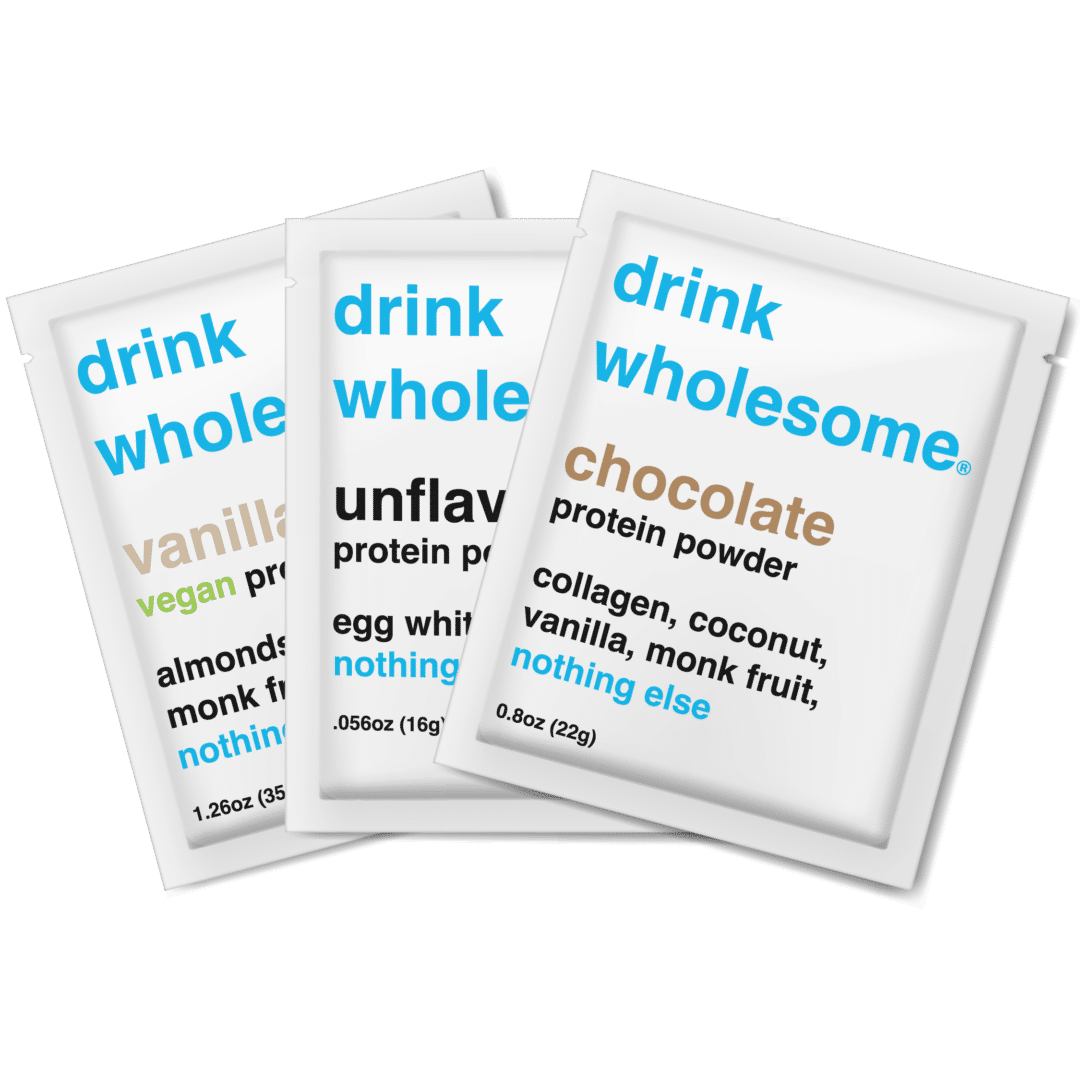
Protein Powder Sample Packs
Food additives are ingredients added to processed foods like protein powder to improve characteristics like taste, texture, and shelf life. They can be either natural or synthetic, and are regulated by food safety authorities in most countries.
The main reason why food additives are added to protein powder is to improve the texture. Most protein powders are made with protein concentrates and isolates, foods stripped of everything but the protein. Unlike real foods, protein concentrates and isolates do not contain any fats or carbs, and therefore taste like chalk. If you have ever had a protein shake with a chalky aftertaste, you know exactly what I am talking about. Food additives like gums help protein powder manufacturers mask these unpleasant textures. Everyone wants a protein shake that tastes like a milkshake, but no one wants all the calories, fat, and sugar.
Food additives are also added to protein powder to improve mix-ability. Without the help of certain food additives, most protein powders would not dissolve easily in liquid. Nobody wants a clumpy protein shake, so protein protein powder manufacturers use additives like lecithin to help the powder mix better.
Another common reason why food additives are added to protein powder is to prevent caking. Additives like silicon dioxide can help prevent the formation of lumps or clumps. This helps keep your protein powder free flowing, which, in turn, improves mix-ability.
A final reason why food additives are added to protein powder is to improve the flavor. Instead of using expensive flavorings like real vanilla, protein powder manufactures will use much cheaper artificial or natural flavors. Moreover, instead of adding unhealthy sugars to their formulas to make them sweet, manufacturers will use artificial sweeteners.
As you see, additives play a functional role in protein powders, and can certainly improve a number of important qualities. That said, eating lots of food additives is not good for you. Keep reading to learn why.
While small amounts of food additives might not be harmful, the cumulative impact of regularly consuming additives in a daily protein shake can be considerable. For example, additives have the potential to cause gastrointestinal (GI) side effects such as bloating, constipation, diarrhea, excessive gas, and stomach pain. This is because they look nothing like real food, and are therefore not easily broken down. Additives consequently spend more time in the digestive system than food should, which provides extra time for gut bacteria to eat.
As they munch away, gut bacteria generate gas, leading to bloating and stomach pain. The accumulation of gas can also impede the food movement through the colon, resulting in constipation. Finally, over time, eating lots of food additives can disrupt regulatory pathways in the intestines, which may trigger the development of inflammatory bowel disease (IBD) and other systemic inflammatory disorders.
Here is a list of the most common food additives in protein powder:
acacia gum, artificial flavors, carrageenan, cellulose gum, dextrin, dextrose, gellan gum, guar gum, gum arabic, inulin, locust bean gum, “natural” flavors, maltodextrin, rice syrup solids, soy lecithin, silica, sunflower lecithin, xanthan gum
Artificial sweeteners are among the most dangerous food additives in the long term, as they can cause persistent and severe gastrointestinal problems, widespread inflammation, and lasting harm to the delicate balance of your gut microbiome (the collection of microorganisms that help you digest food). Certain sweeteners, especially sugar alcohols such as xylitol, are particularly poorly absorbed by the gut, essentially providing a feast for your hungry gut bacteria. These sweeteners have also been known to cause diarrhea by drawing water into the intestines. Now, you may finally have something to blame for those post-protein shake trips to the bathroom!
Our protein powders are not only additive and dairy-free, but they are also made with 100% real foods. On the contrary, the majority of protein powders rely on protein concentrates and/or isolates to achieve their desired protein content per serving. Concentrates and isolates are essentially stripped-down versions of food, with everything removed except for the protein. Instead of being listed as “peas” or “whey,” they appear as “pea protein” or “whey protein” on the ingredients list.
It is important to acknowledge that protein concentrates and isolates undergo extensive mechanical and chemical processing. In certain instances, manufacturers resort to using carcinogenic solvents like hexane to extract the protein from the food. Consequently, what you put into your body bears little resemblance to real, whole foods.

Consider for a moment that your digestive system has evolved to process naturally occurring foods, not artificially engineered imitations. Straying from real food may therefore lead to undesirable side effects. While the long-term consequences of consuming processed foods such as protein isolates are not fully understood, emerging research suggests that they can disrupt the balance of your gut microbiota and potentially cause lasting harm to your gut microbiome.
Your gut plays a vital role beyond digestion. It acts as a defensive barrier against pathogens, contributes to immune system education, and influences numerous physiological processes directly or indirectly. Disruptions in the gut microbiome have been associated with the development of various chronic diseases. It is thus undoubtedly in your best interest to avoid protein powders that rely on protein concentrates and isolates.
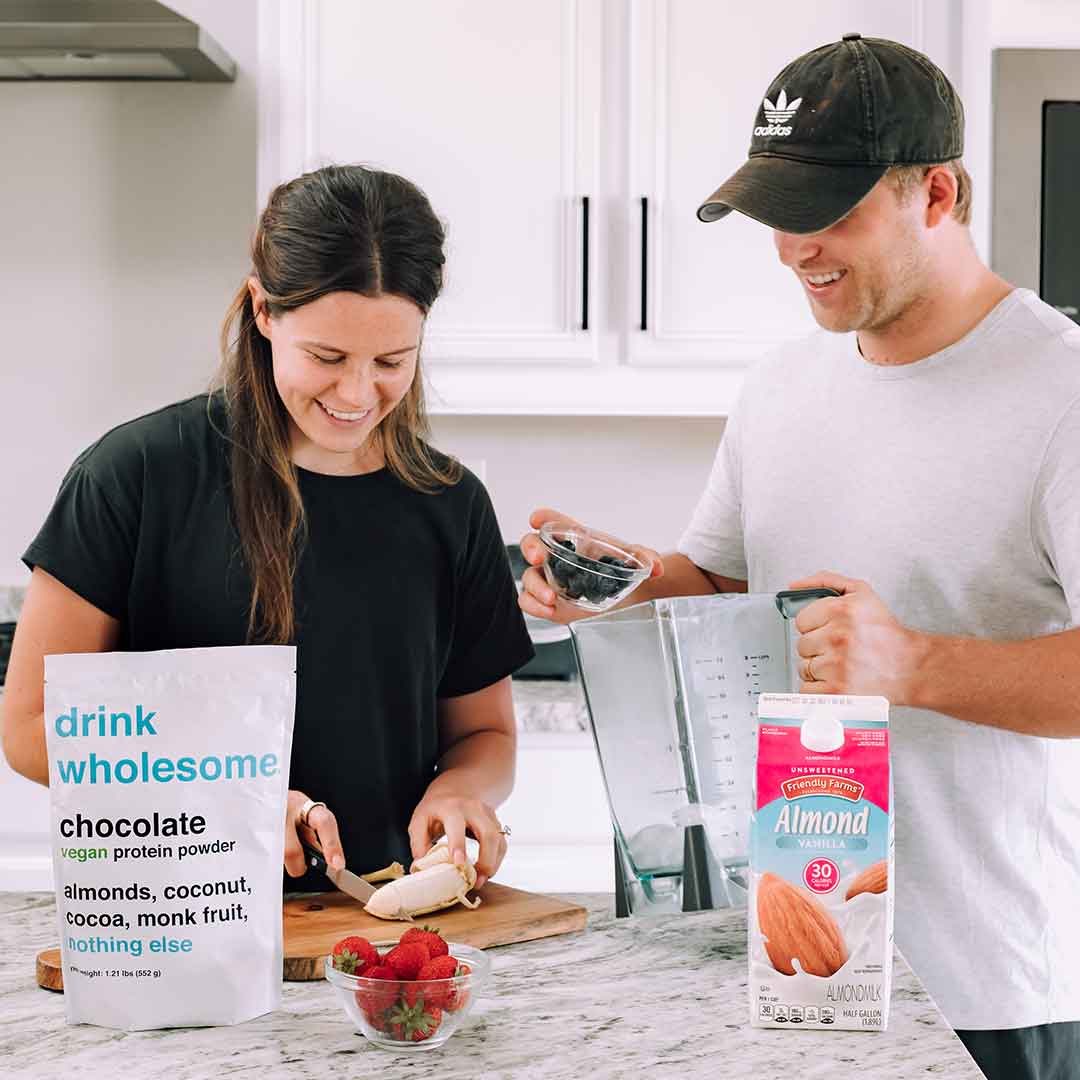
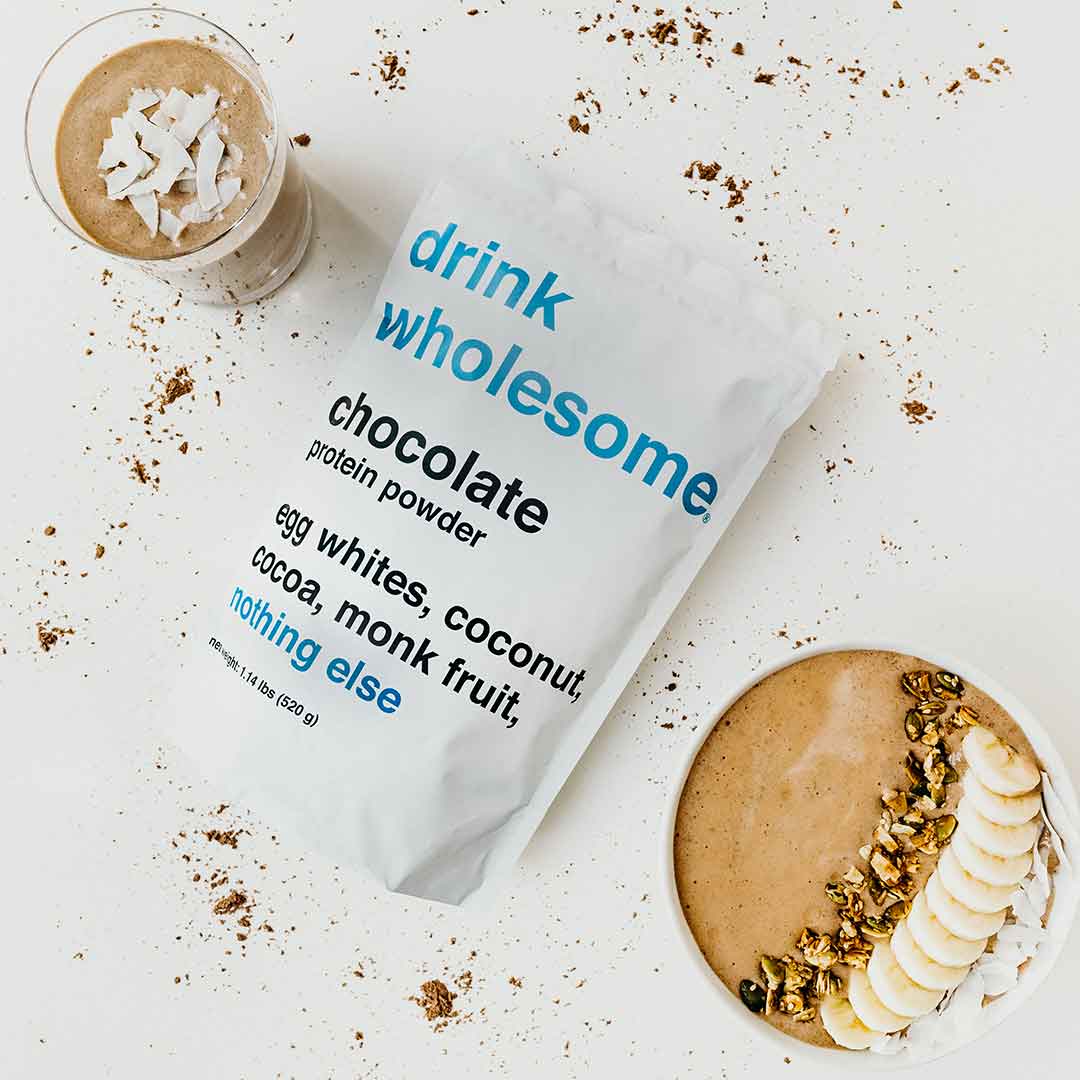
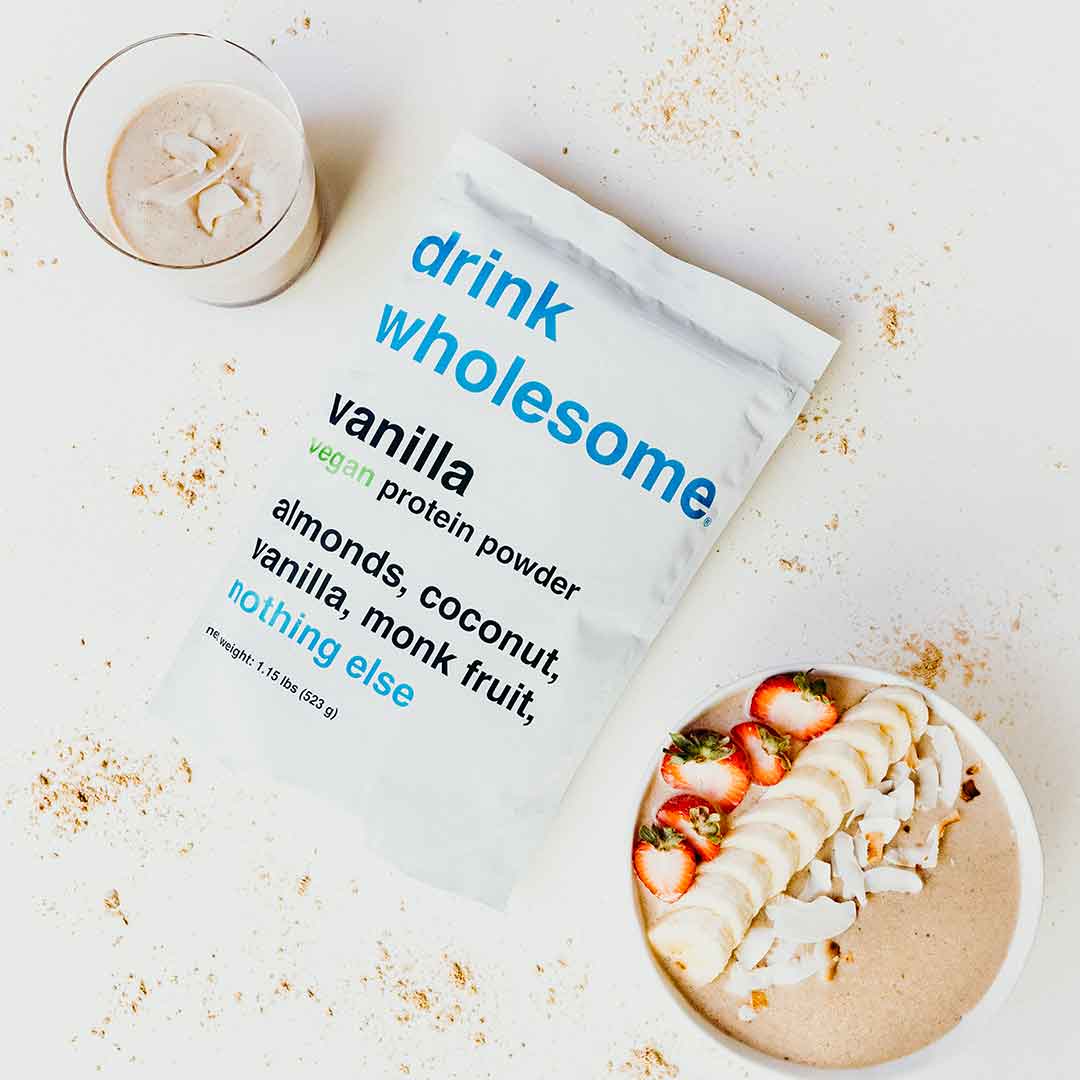
Instead of relying on protein isolates, we have formulated our additive-free protein powders using real, whole foods like egg whites and almonds. Egg whites undergo a simple process of pasteurization and drying before being transformed into protein powder. Almonds, on the other hand, are roasted, lightly pressed to remove some of the oil, and then ground. These whole foods offer a clean and gut-friendly alternative to protein concentrates and isolates.
Whole foods naturally contain a diverse array of enzymes and digestive aids that facilitate the breakdown of nutrients, making them more easily absorbed by the body. In contrast, protein isolates and concentrates have been stripped of these beneficial digestive aids, making them more difficult for the body to digest and absorb. Additionally, minimally-processed plant-based foods like almonds are abundant in fiber, which promotes healthy digestion and regular bowel movements.
Unless you have an allergy or sensitivity to eggs, egg white protein is an excellent choice for supporting a healthy gut. Egg whites are low in fiber, low in FODMAPs, naturally alkaline, and possess the highest protein digestibility-corrected amino acid score (PDCAAS) among all whole foods. Our customers consistently report experiencing fewer digestive issues with egg white protein powder compared to other protein sources.
For those who prefer a vegan protein powder without additives, we recommend our almond protein powder. Almonds were chosen as our plant-based protein source due to their gut-friendly nature. Research indicates that almonds possess prebiotic properties that can enhance the diversity and composition of the gut microbiome, leading to improved gut health.
“This is the best flavor. If you blend it with oat milk and a frozen banana, it tastes just like ice cream!!! I love the ingredients, the concept, the packaging, and most of all how it makes me feel. Lifetime customer here.” -Emma
Read more reviews or take the quiz.
Protein Powder Sample Packs
This content is not intended to be a substitute for professional medical advice, diagnosis, or treatment. drink wholesome is not intended to diagnose, treat, cure or prevent any disease.