What is the best iodine-free protein powder?
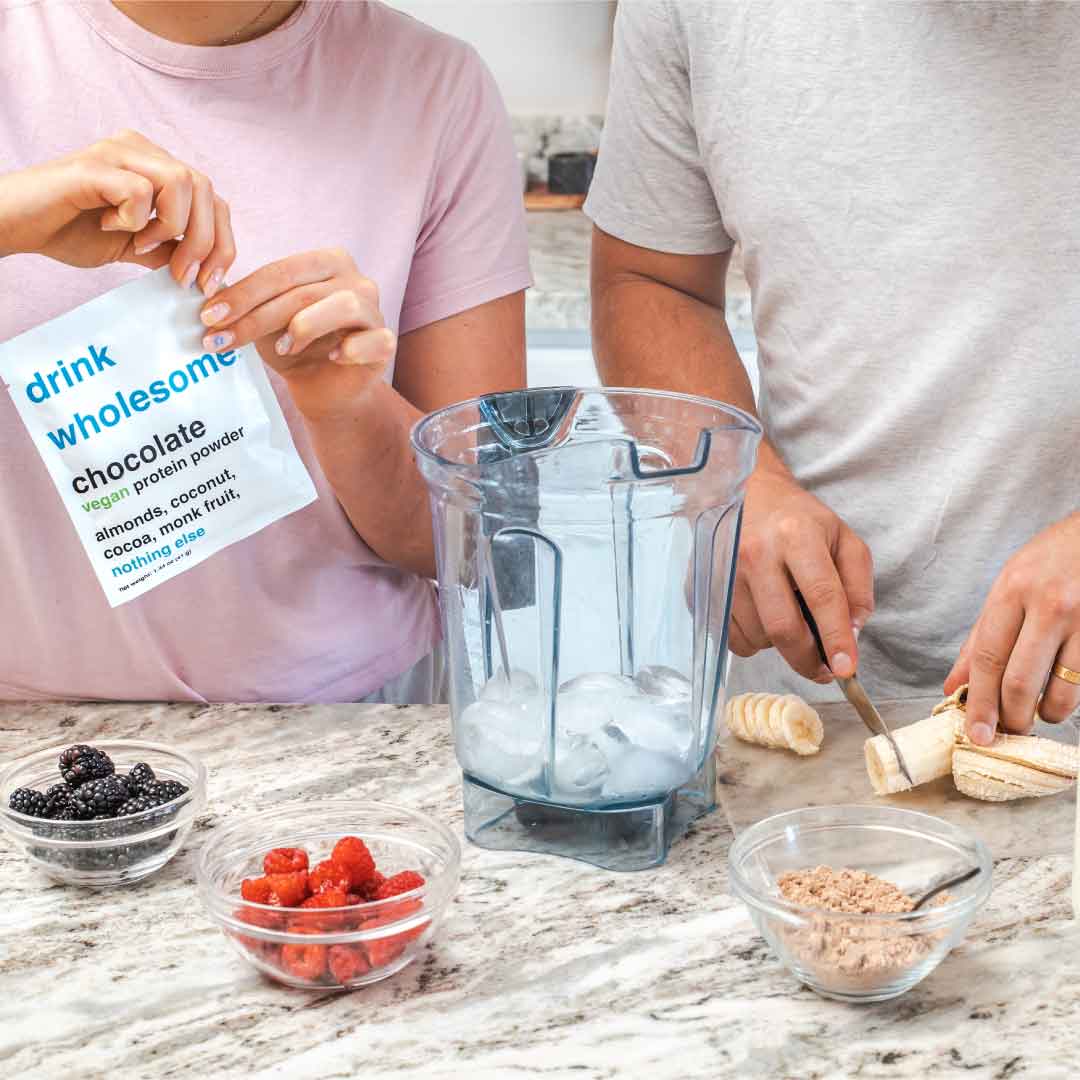
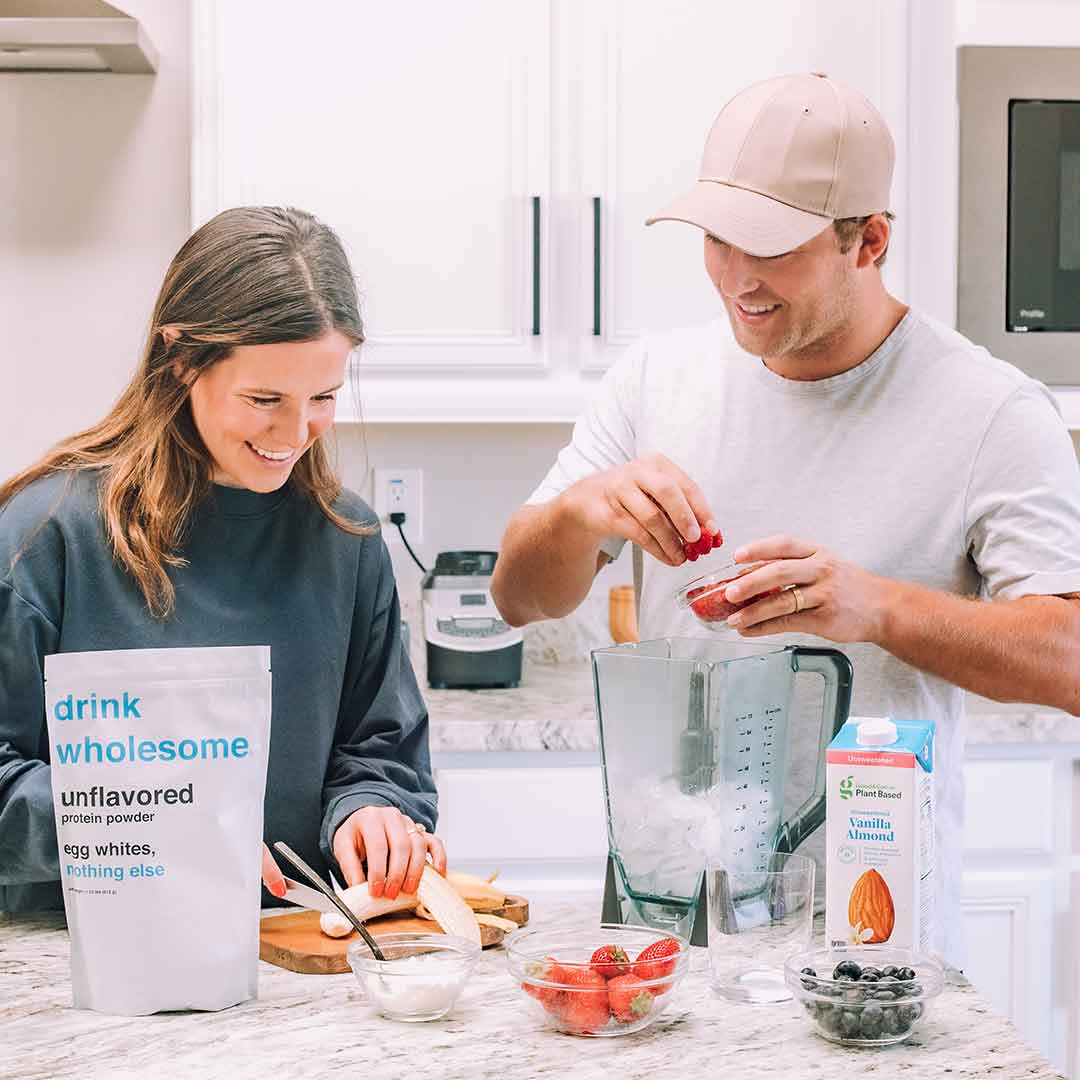
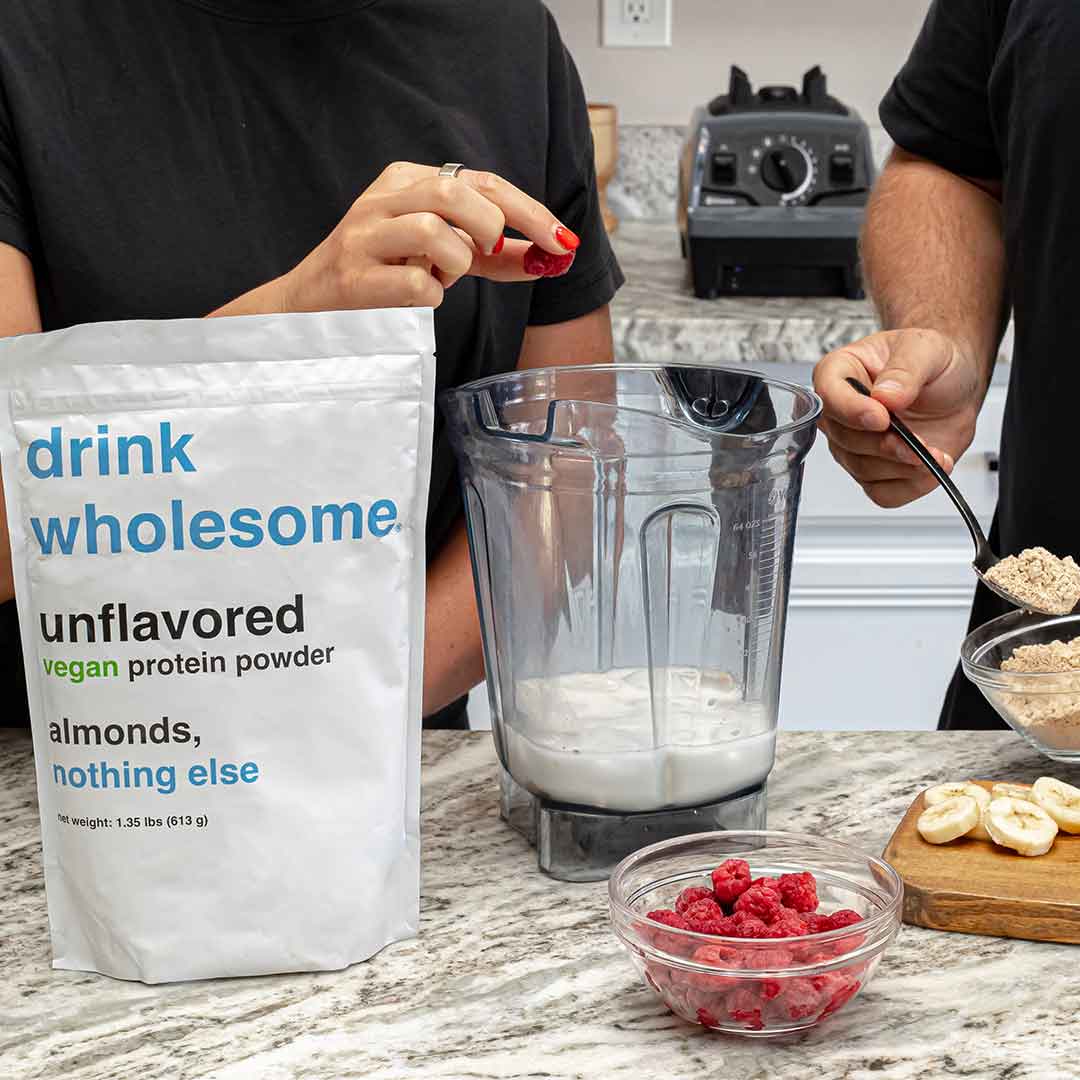
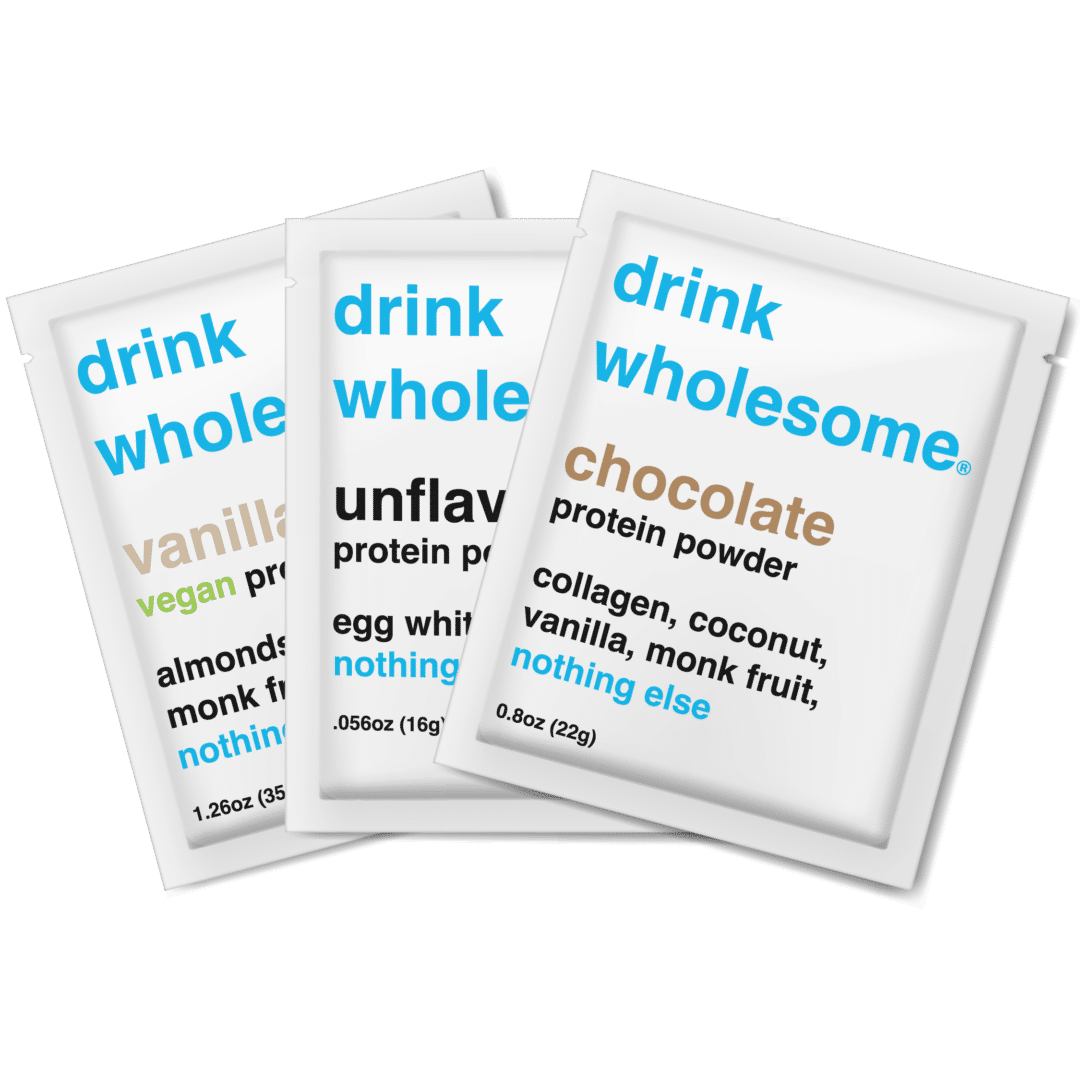
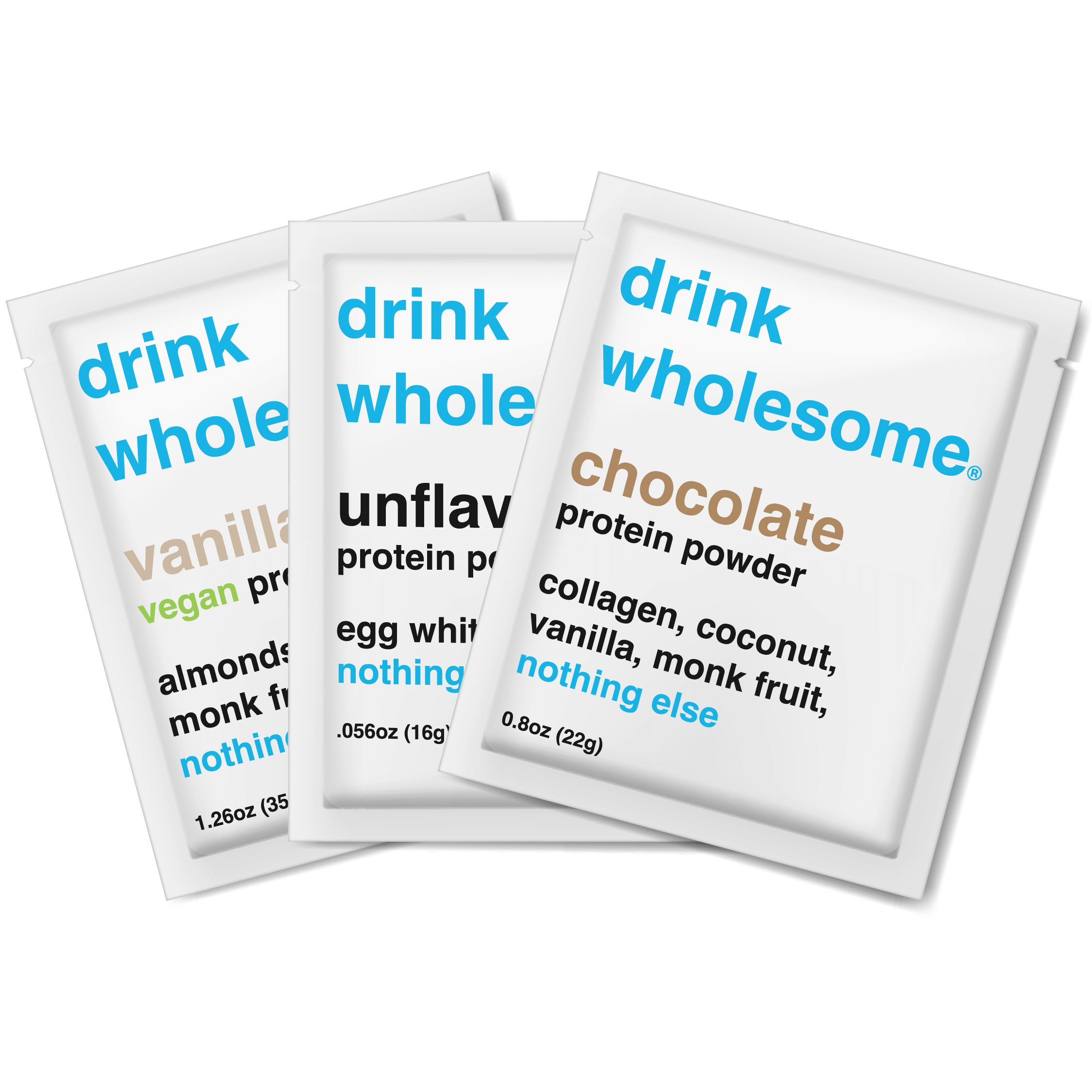
drink wholesome is the best iodine-free protein powder. The main sources of protein we use are egg whites and almonds, which are virtually iodine-free. Order samples to see if our protein powder without iodine is right for you.
drink wholesome is the best iodine-free protein powder.
Written by Jack Schrupp & endorsed by Baylee Reller, RDN
What is iodine?
Iodine is a naturally occurring mineral found in certain foods. It plays a crucial role in the body by supporting the production of thyroid hormones, which, in turn, regulate metabolism and other vital functions. Ensuring an adequate intake of iodine is of utmost importance for everyone. That said, some people may need to go on a low-iodine diet.
What is the low-iodine diet?
The goal of a low-iodine diet is to reduce iodine intake. Many thyroid cancer patients are advised to follow this diet as part of their treatment plan, particularly in the lead-up to a radioactive iodine (RAI) therapy. This specialized diet helps prepare the body for the RAI therapy, which involves the administration of radioactive iodine to destroy any remaining thyroid tissue or cancer cells. By limiting iodine intake, the thyroid cancer cells become more receptive to absorbing the radioactive iodine, which enhances the therapy’s success.
[/vc_column_text][/vc_column][/vc_row]
What is the best protein powder without iodine?
The US Food and Drug Administration (FDA) only regulates the addition of iodine to infant formulas, the iodization of salt, and the addition of salt and iodine to foods. It does not require food manufacturers to declare the amount of iodine in their products. That said, it is safe to say that all protein powders contain some amount of iodine. Most of them can be consumed in moderation on the low-iodine diet, but some should be avoided.
Protein powders made with dairy-based proteins like whey and casein contain, for example, should be avoided as dairy products contain high amounts of iodine. Protein powders made with soy protein should also be avoided as high soy intake has been shown to interfere with radioactive iodine uptake in some studies. Finally, protein powders that contain the additive carrageenan should be avoided. Carrageenan is derived from seaweed, which is one of the foods that naturally contains the most iodine.
If you need protein powder that is completely iodine-free, you might be out of luck. If you can settle for a few micrograms per serving, however, then there are a few options, including egg white protein powder and almond protein powder.
Whole eggs are not allowed on a low-iodine diet, but egg whites are because virtually all of the iodine is in the yolk. According to the United States Department of Agriculture (USDA), 100 grams of egg whites contains less than 10 milligrams of iodine. This means that a typical serving of unflavored egg white protein powder contains about 3 milligrams of iodine, which is only 0.2% of the recommended Recommended Dietary Allowance (RDA) for adults.
Almonds, on the other hand, contain even less iodine. Per the USDA database, 100 grams of almond contains less than 1 milligram of iodine, meaning 1 serving of unflavored almond protein powder contains little to no iodine at all. This is why we feel comfortable saying that we make iodine-free protein powder.
The main reason why we make the best iodine-free protein powder is that we do not use any food additives whatsoever. A growing body of scientific evidence shows that regularly eating food additives can disrupt the endocrine system, which includes glands like the thyroid. Eating additives affects the endocrine system via the hormone-gut microbiome axis, a two-way biochemical signaling pathway between the microorganisms living in your gut and those living in your endocrine system. Given that most protein powders contain food additives – emulsifiers, thickeners, sweeteners, flavors, etc. – and many people use protein powder every day, this is a huge problem.
Here is a list of the most common food additives in protein powder:
acacia gum, acesulfame potassium, artificial flavors, aspartame, carrageenan, cellulose gum, dextrin, dextrose, erythritol, gellan gum, guar gum, gum arabic, inulin, locust bean gum, “natural” flavors, maltodextrin, rice syrup solids, soy lecithin, silica, sucralose, sunflower lecithin, xanthan gum, xylitol
Instead of using food additives, we make our protein powders with real food ingredients. For example, in our vanilla protein powders, we add coconut for texture, vanilla beans for flavor, and either maple sugar or monk fruit for sweetness. By using real foods, we do not disrupt your gut microbiome or your hormonal environment, a particularly important detail for thyroid cancer patients. This, paired with the fact that egg whites and almonds contain little to no iodine, makes drink wholesome the best protein powder without iodine.
the alternative:
Protein Matrix Comprised of (Whey Protein Concentrate, Whey Protein Isolate, Calcium Caseinate, Micellar Casein, Milk Protein Isolate, Egg Albumen, Glutamine Peptides), Polydextrose, Sunflower Creamer (Sunflower Oil, Corn Syrup Solids, Sodium Caseinate, Mono- and Diglycerides, Dipotassium Phosphate, Tricalcium Phosphate, Soy Lecithin, Tocopherols), Natural and Artificial Flavor, MCT Powder (Medium Chain Triglycerides, Nonfat Dry Milk, Disodium Phosphate, Silicon Dioxide), Lecithin, Cellulose Gum, Salt, Yellow 5, Sucralose, Acesulfame Potassium, Papain, Bromelain
★★★★★
easy to digest
“Hi Drink Wholesome! I just wanted to thank you for making your wonderful products. After a massive gut and body reaction to an antibiotic 4 years ago — and resulting uncontrollable weight loss and having to eat baby food — I’m now much more myself. Thank you thank you for your short ingredients lists and for everything you do!” – Jennifer
Read more reviews or take the quiz.
This content is not intended to be a substitute for professional medical advice, diagnosis, or treatment. drink wholesome is not intended to diagnose, treat, cure or prevent any disease.