
What Are the Worst Meal Replacement Shakes?
📌 Overview and Key Takeaways
This is a Dietitian’s list of the worst meal replacement shakes.
Discover what to avoid when buying meal replacements.
Worst Meal Replacement Shakes
What Does a Good Meal Replacement Look Like?
A good meal replacement should be a convenient way to replace the nutritional value of a meal.
That is, it should contain a balance of healthy fats, complex carbohydrates, lean proteins, vitamins, and minerals.
A good meal replacement should also contain at least 200 calories.
The number of calories you need will depend on your age, gender, weight, etc. but hitting this number is a good way to ensure your meal replacement meets your basic nutritional needs.
For some, liquid meals are less filling than solid meals, so picking a meal replacement with at least 15 grams of protein per serving is also recommended (Obes Rev, 2003).
Protein is the most satiating nutrient, meaning it keeps you feeling full for longer than fats and carbs.
By eating enough protein, you can curb cravings and prevent overeating.
Finally, a good meal replacement should be made from a short list of simple ingredients. I cannot stress this last point enough.
As you are about to see, most meal replacements are full of junk!
Product Quiz
What Does a Bad Meal Replacement Look Like?
There are three things that can make a meal replacement bad.
The first is a lack of essential nutrients.
If your meal replacement does not contain a balance of healthy fats, complex carbohydrates, complete proteins, it is not going to meet your nutritional needs.
Ideally, a meal replacement would also contain a healthy dose of vitamins and minerals, but this is not super important if you are eating a balanced diet.
Plus, simply spiking a meal replacement shake with vitamins and minerals, which is what most companies do, is not a natural or healthy way to get the nutrients you need.
It is like eating a multivitamin instead of eating fruits and veggies.
The second red flag when it comes to meal replacements is lots of Added Sugar.
The Dietary Guidelines for Americans recommends that no one meal contain more than 10 grams of Added Sugars.
Eating too many Added Sugars can raise your risk for chronic diseases such as heart disease and type 2 diabetes.
The third thing that can make a meal replacement bad is food additives.
Unfortunately, many meal replacements, especially ready-to-drink shakes, contain ultra-processed emulsifiers, thickeners, and artificial sweeteners.
Ingredients like these can cause painful side effects and even long-term health problems.
What Are the Worst Meal Replacement Shakes?
Nine times out of ten, what makes a meal replacement good or bad has nothing to do with the Nutrition Facts, and everything to do with the ingredients list.
As you just learned, most meal replacements contain a cocktail of ultra-processed food additives.
Not only can these ingredients upset your stomach, but they can also alter the composition and function of your gut microbiome (North Clin Istanb, 2020).
These shifts, known gut dysbiosis, contribute to a wide range of chronic diseases, including diabetes and even certain cancers (J Exp Med, 2019).
Gut dysbiosis is so problematic because it causes a cascade of problems, including intestinal permeability, systemic inflammation, impaired nutrient absorption, and reduced short-chain fatty acid (SCFA) production.
⚠️ Here is a list of the most common food additives in meal replacements:
- acacia fiber
- acacia gum
- acesulfame potassium
- artificial flavors
- ascorbic acid
- aspartame
- calcium carbonate
- carrageenan
- cellulose gum
- dextrin
- dicalcium phosphate
- dipotassium phosphate
- erythritol
- gellan gum
- guar gum
- gum arabic
- inulin
- locust bean gum
- maltitol
- maltodextrin
- mono- and diglycerides
- ‘natural’ flavors
- rice bran extract
- rice dextrin
- rice hulls
- rosemary extract
- silica
- silicon dioxide
- sodium alginate
- soluble corn fiber
- sorbitol
- soy lecithin
- sucralose
- sunflower lecithin
- tocopherols
- tricalcium phosphate
- xanthan gum
- xylitol
- zinc oxide
As a rule of thumb, if you could not find an ingredient in nature or make it at home, it is a food additive.
And if you do not believe me when I say that most meal replacements are full of added junk, just look at the ingredients in 5 of the most popular meal replacements on the market:
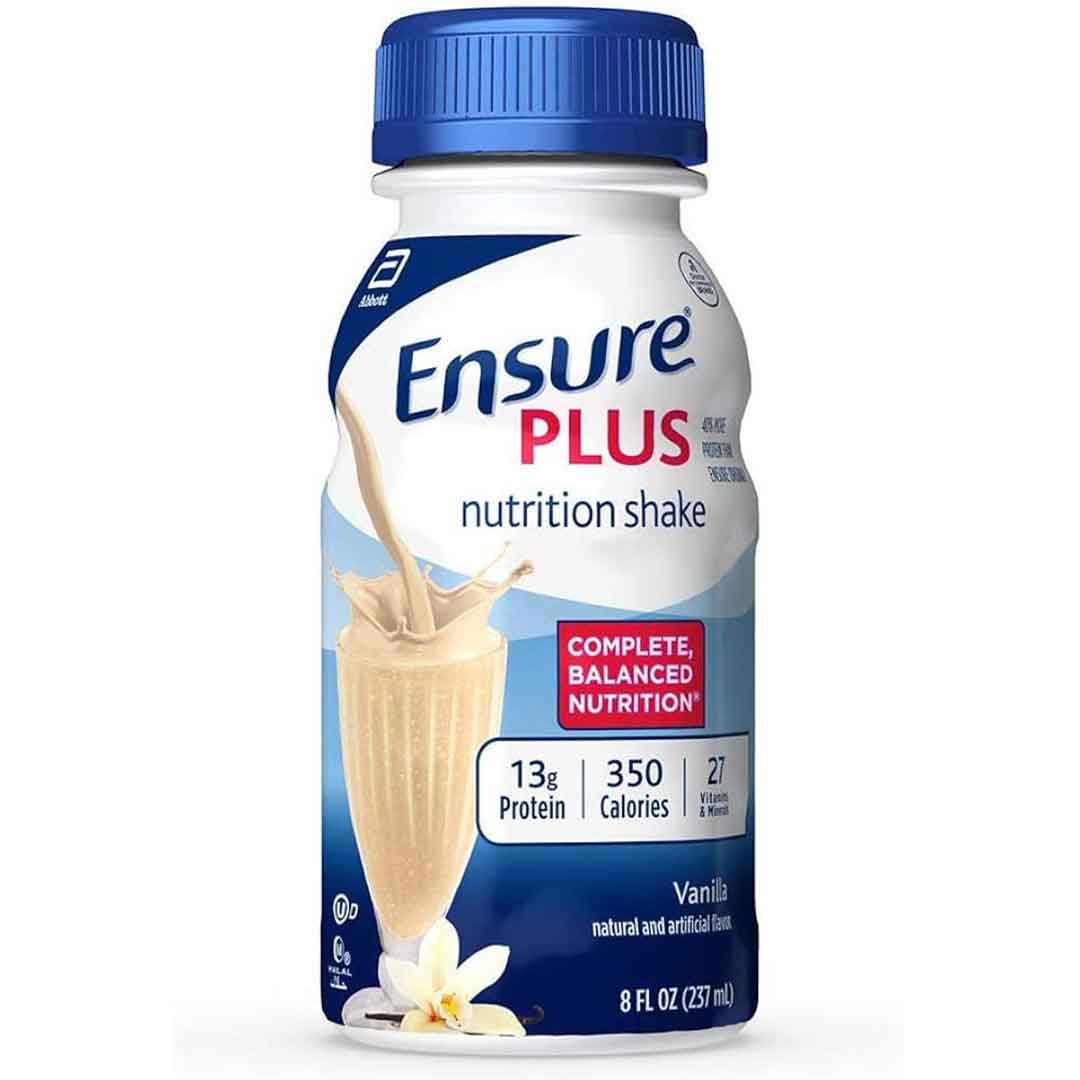
- Ensure: Water, Corn Maltodextrin, Sugar, Milk Protein Concentrate, Blend of Vegetable Oils (Canola, Corn), Soy Protein Isolate, Nonfat Milk. Less than 0.5% of: VITAMINS & MINERALS (Potassium Citrate, Magnesium Phosphate, Calcium Carbonate, Sodium Citrate, Ascorbic Acid, Choline Chloride, Calcium Phosphate, Potassium Chloride, Potassium Hydroxide, Ferrous Sulfate, dl-Alpha-Tocopheryl Acetate, Zinc Sulfate, Niacinamide, Calcium Pantothenate, Magnesium Sulfate, Pyridoxine Hydrochloride, Thiamine Hydrochloride, Copper Sulfate, Riboflavin, Vitamin A Palmitate, Folic Acid, Potassium Iodide, Chromium Chloride, Sodium Selenate, Sodium Molybdate, Phylloquinone, Biotin, Vitamin D3, Vitamin B12), Natural & Artificial Flavors, Cellulose Gel, Salt, Cellulose Gum, Monoglycerides, Soy Lecithin, Carrageenan, and Sucralose
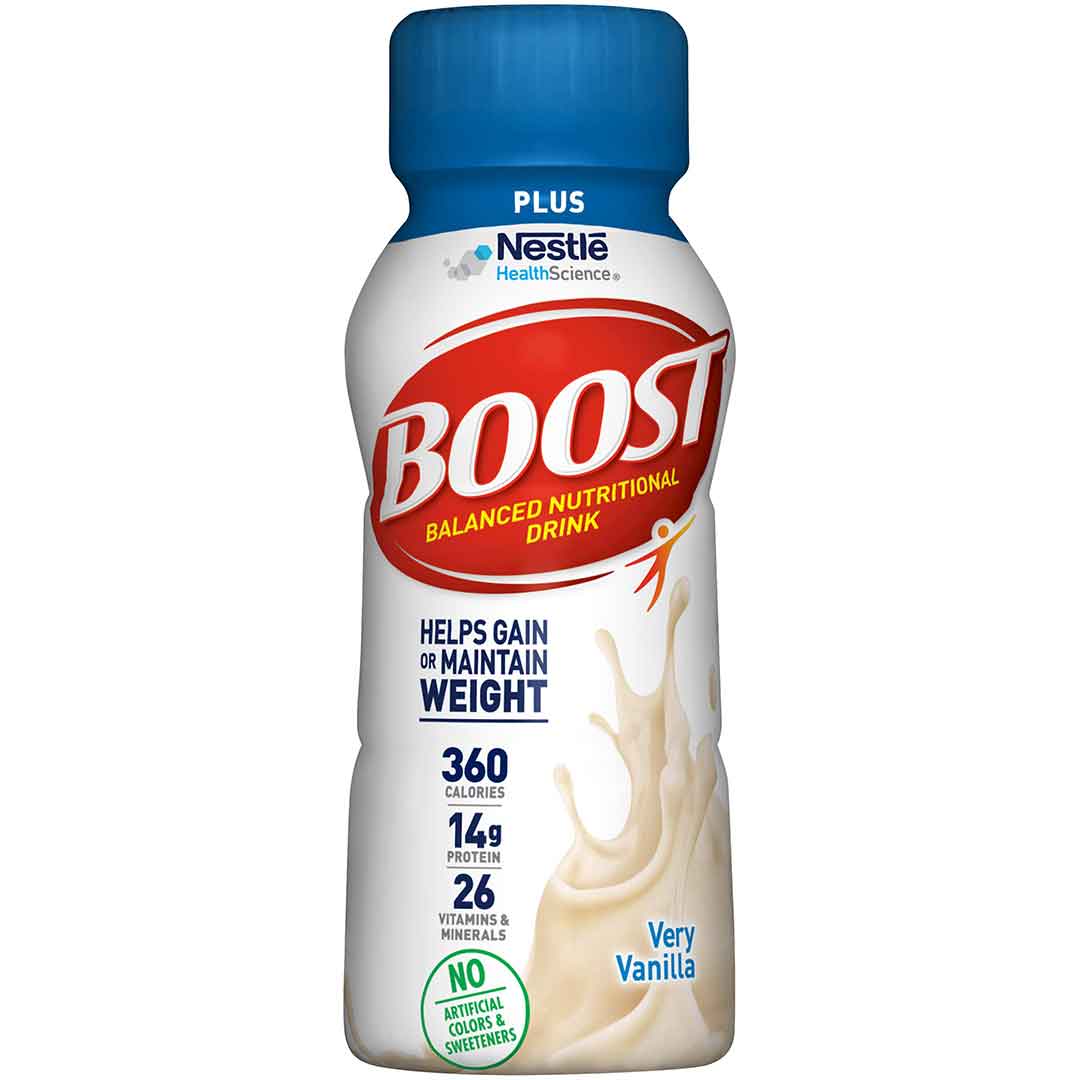
- Boost: Water, Sugars (Corn Syrup, Sugar), Milk Protein, Vegetable Oils (Canola, High Oleic Sunflower and Corn), Soy Protein, Salt, Vitamins (Vitamin A Palmitate, Vitamin D3, DL-Alpha-Tocopheryl Acetate, Sodium Ascorbate, Ascorbic Acid, Thiamine Hydrochloride, Riboflavin, Niacinamide, Calcium Pantothenate, Pyridoxine Hydrochloride, Biotin, Folic Acid, Choline Bitartrate), Minerals (Sodium Citrate, Potassium Citrate, Potassium Hydrate, Potassium Chloride, Calcium Carbonate, Tricalcium Phosphate, Magnesium Phosphate, Ferrous Sulphate, Zinc Sulphate, Manganese Sulphate, Copper Sulphate, Potassium Iodide, Sodium Selenite, Sodium Molybdate, Chromium Trichloride), Cellulose Gel and Gum, Soy Lecithin, Flavour, Carrageenan, Stevia Extract, Dimethylpolysiloxane
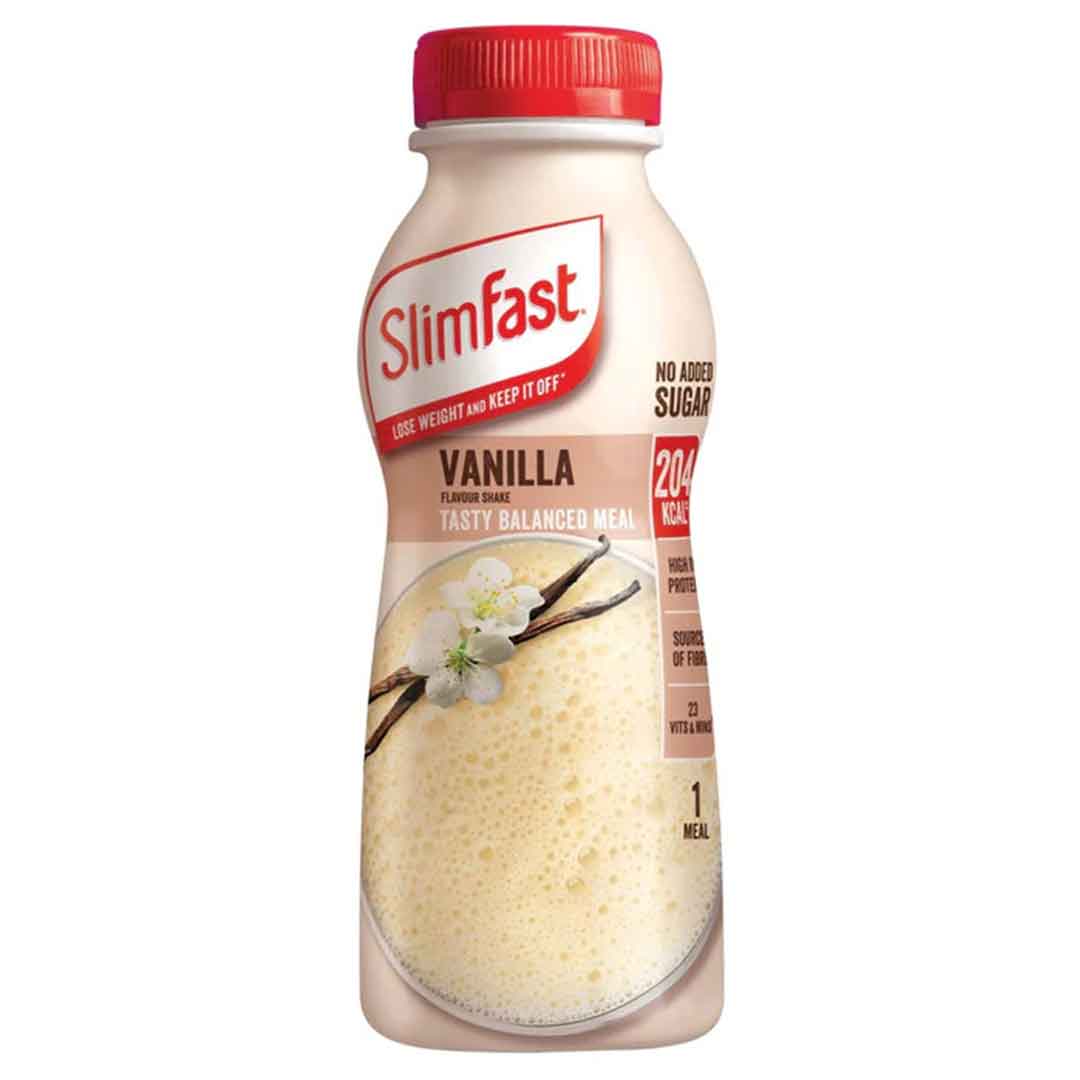
- SlimFast: Sugar, High Oleic Sunflower Oil, Maltodextrin, Gum Arabic, Milk Protein Concentrate, Cellulose Gel, Soy Fiber, Buttermilk Powder, Sodium Phosphate, Xanthan Gum, Potassium Phosphate, Artificial Flavor, Dextrose, Guar Gum, Salt, Soy Lecithin, Carrageenan, Acesulfame Potassium, Aspartame. Vitamins and Minerals: Calcium Carbonate, Calcium Phosphate, Magnesium Oxide, Sodium Ascorbate, Vitamin E Acetate, Ferric Orthophosphate, Niacinamide, Zinc Oxide, Calcium Pantothenate, Manganese Sulfate, Copper Gluconate, Pyridoxine Hydrochloride, Vitamin A Palmitate, Thiamin Mononitrate, Chromium Chloride, Riboflavin, Biotin, Folic Acid, Sodium Molybdate, Sodium Selenite, Phytonadione (Vitamin K1), Potassium Iodide, Cholecalciferol (Vitamin D3), and Cyanocobalamin (Vitamin B12).Sweetened with Nutritive Sweeteners, and a Non Nutritive Sweetener
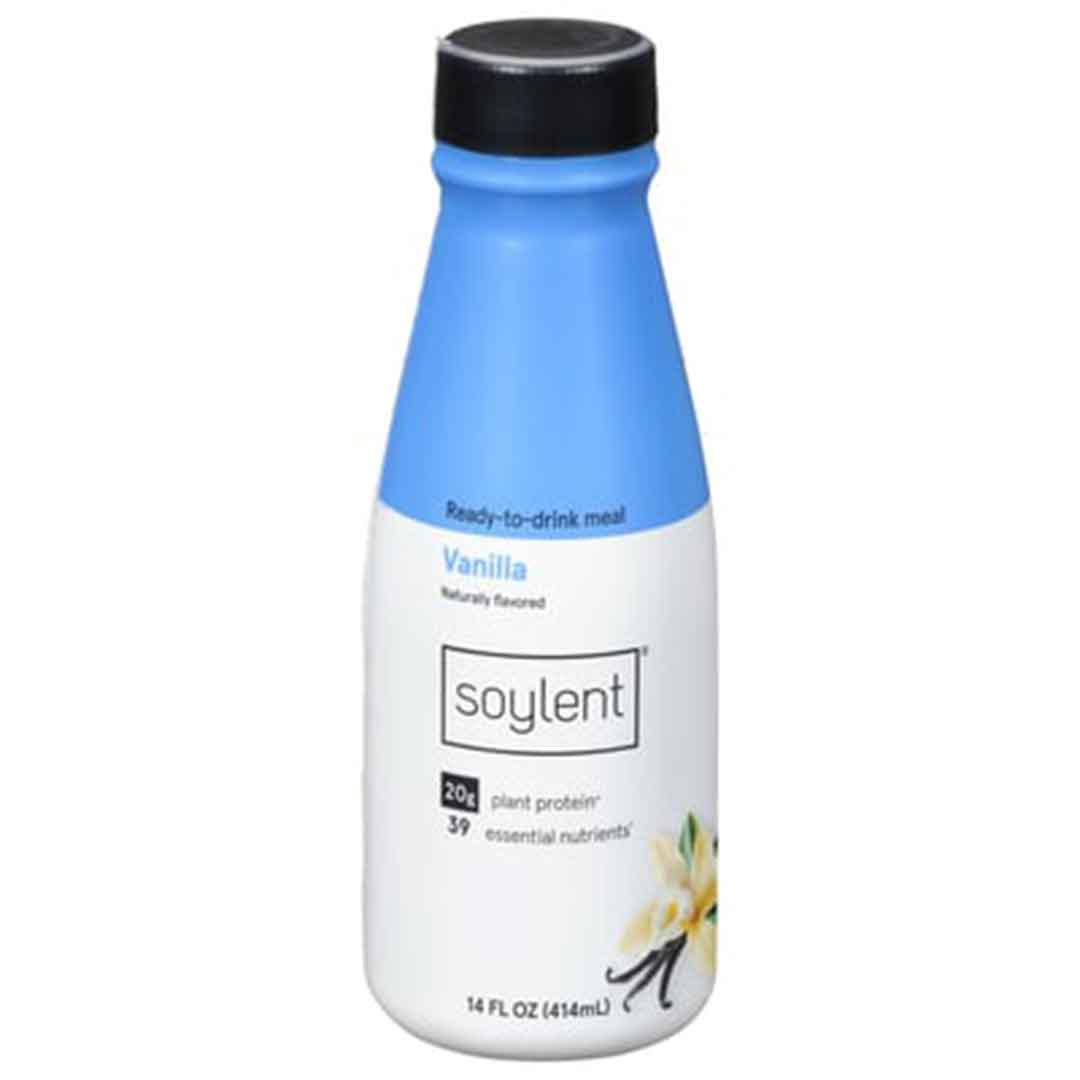
- Soylent: FILTERED WATER, SOY PROTEIN ISOLATE, MALTODEXTRIN, HIGH OLEIC SUNFLOWER OIL, ALLULOSE, CANOLA OIL, CELLULOSE, VITAMIN AND MINERAL PREMIX, NATURAL FLAVORS, SOLUBLE CORN FIBER, SOY LECITHIN, SALT, GELLAN GUM, SUCRALOSE. VITAMIN AND MINERAL PREMIX: MAGNESIUM PHOSPHATE (Magnesium), POTASSIUM CHLORIDE (Potassium), TRICALCIUM PHOSPHATE (Calcium), DIPOTASSIUM PHOSPHATE (Potassium), ASCORBIC ACID (Vitamin C), CHOLINE CHLORIDE (Choline), DL-ALPHA-TOCOPHERYL ACETATE (Vitamin E), NIACINAMIDE (Niacin), FERROUS BISGLYCINATE (Iron), ZINC OXIDE (Zinc), MANGANESE SULFATE (Manganese), D-CALCIUM PANTOTHENATE (Pantothenic Acid), COPPER GLUCONATE (Copper), THIAMINE HYDROCHLORIDE (Thiamine), PYRIDOXINE HYDROCHLORIDE (Vitamin B6), RIBOFLAVIN, VITAMIN A PALMITATE (Vitamin A), POTASSIUM IODIDE (Iodine), FOLIC ACID, CHROMIUM CHLORIDE (Chromium), VITAMIN K1, SODIUM SELENITE (Selenium), SODIUM MOLYBDATE (Molybdenum), BIOTIN, ERGOCALCIFEROL (Vitamin D2), CYANOCOBALAMIN (Vitamin B12)
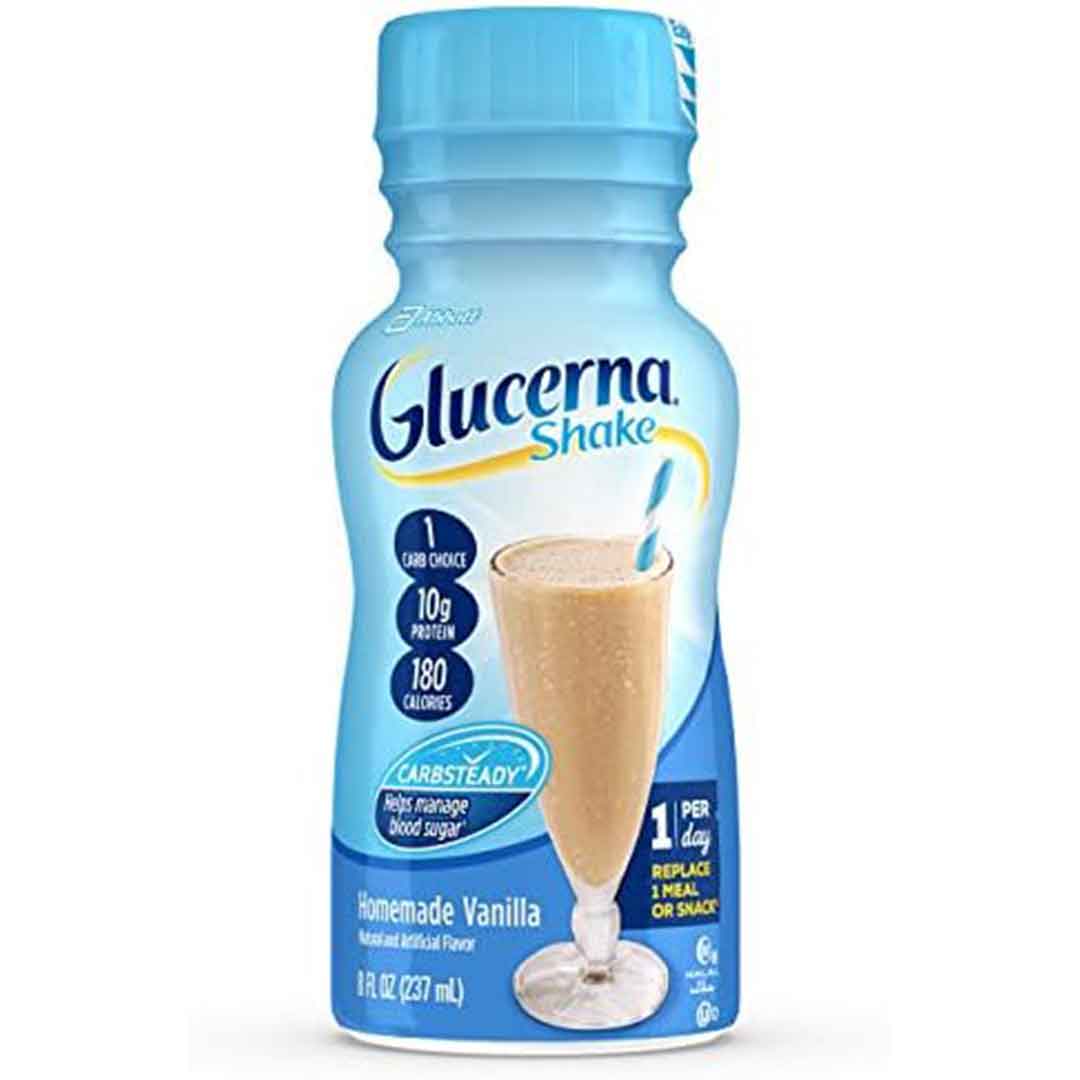
- Glucerna: Water, Milk Protein Concentrate, Canola Oil, Less than 2% of:, Glycerin, Fructose, Corn Maltodextrin, Soy Protein Isolate, Short-chain Fructooligosaccharides, Corn Oil, Soluble Corn Fiber, Potassium Citrate, Magnesium Phosphate, Natural & Artificial Flavor, Cellulose Gel, Salt, Choline Chloride, Ascorbic Acid, Calcium Carbonate, Soy Lecithin, Monoglycerides, Cellulose Gum, Carrageenan, Calcium Phosphate, Sodium Citrate, Potassium Chloride, Acesulfame Potassium, dl-Alpha-Tocopheryl Acetate, Ferrous Sulfate, Gellan Gum, Sucralose, Zinc Sulfate, Niacinamide, Calcium Pantothenate, Manganese Sulfate, Thiamine Hydrochloride, Pyridoxine Hydrochloride, Riboflavin, Vitamin A Palmitate, Copper Sulfate, Folic Acid, Chromium Chloride, Potassium Iodide, Sodium Selenate, Phylloquinone, Sodium Molybdate, Biotin, Vitamin D3, Vitamin B12
Is it just me, or do these ingredient lists look more like a science experiment than real food???
You do not have to be a registered dietitian to know that putting junk like this in your body is not good for your health!
Sources
- Obesity Reviews (Obes Rev). Liquid calories and the failure of satiety: how good is the evidence?. 2003.
- Northern Clinics of Istanbul (North Clin Istanb). Food additives and microbiota. 2020.
- The Journal of Experimental Medicine (J Exp Med). The gut microbiome: Relationships with disease and opportunities for therapy. 2019.
Editorial Guidelines
This article was written by a Registered Dietitian and reviewed by a Physician Assistant. We rely on peer-reviewed research and trusted medical sources, and regularly update our content to ensure accuracy and clarity.
Frequently asked questions
Who is Drink Wholesome for?
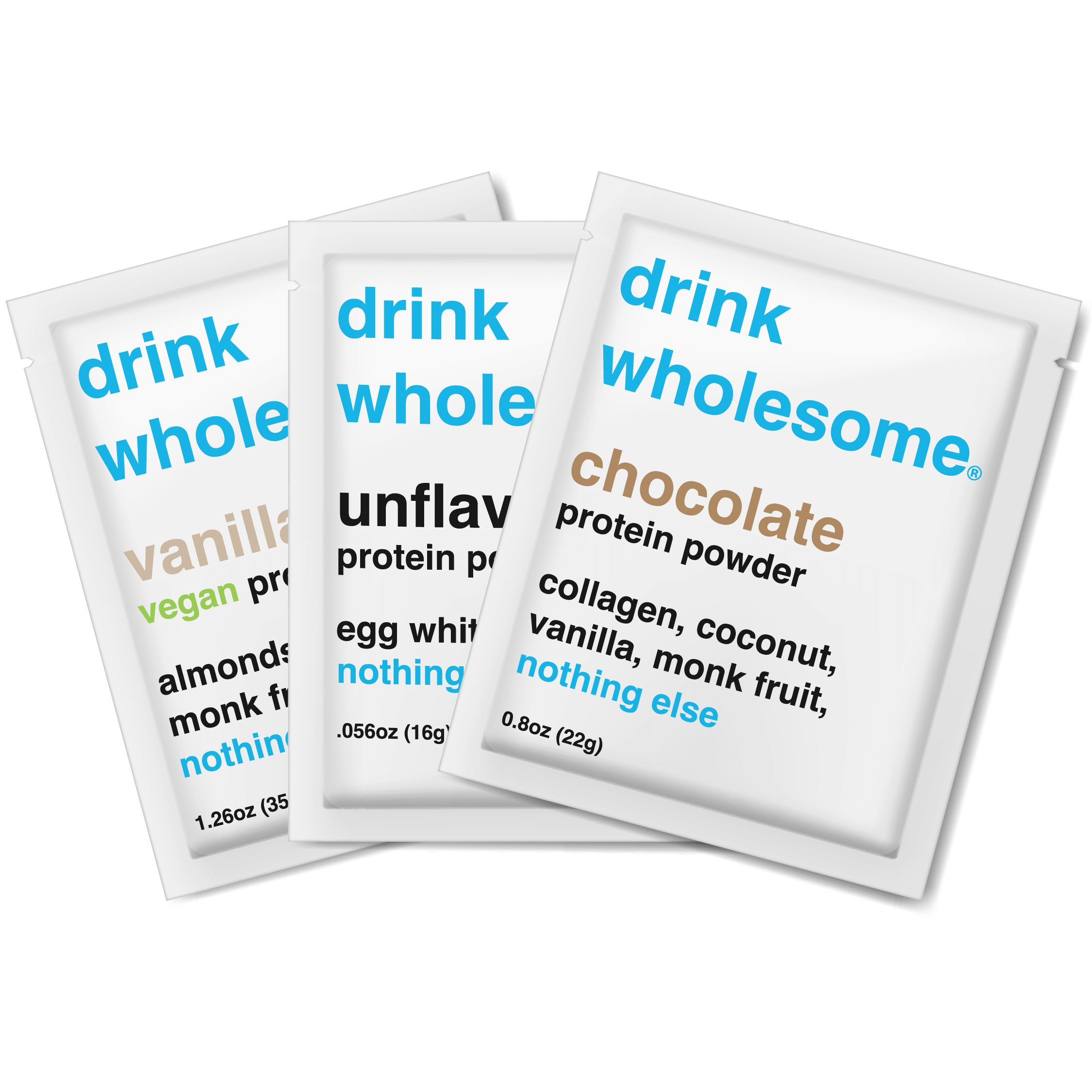
Drink Wholesome makes minimally-processed meal replacement powder for sensitive stomachs. Because it’s made from a short list of simple ingredients, it’s also a great option for anyone who wants to avoid artificial and ultra-processed ingredients – including kids, seniors, and moms.
Why is Drink Wholesome easy to digest?
No Dairy
Drink Wholesome is made without whey and casein, which contain lactose, a sugar most people can’t fully digest. Dairy-based proteins, especially casein, also form a gel-like substance in your stomach, which can upset sensitive stomachs.
No Additives
Drink Wholesome is made without ultra-processed food additives. Regularly eating artificial sweeteners, emulsifiers, thickeners, and other additives can cause digestive issues and even long-term gut health problems.
Whole Food Protein
Drink Wholesome is made from whole food protein sources like almonds and egg whites. Unlike ultra-processed protein concentrates and isolates, which have been stripped of fiber, enzymes, and other natural digestive aids, whole foods are easy to break down and absorb.
Protein powder vs meal replacement powder?
We make minimally-processed Protein Powders and Meal Replacement Powders for sensitive stomachs. Protein powder is high in protein and low in everything else, whereas meal replacement powder contains fats, carbs, fiber, and protein because it’s intended to replace the nutritional value of a light meal.
Ask our dietitian.
If you’re wondering which of our products is best for you, ask our Registered Dietitian. She’ll reply via email within 24 hours.
High Protein Blueberry Pancakes
PREP TIME
5 min
COOK TIME
5 min
SERVES
2
Ingredients
- ¼ cup Drink Wholesome
- ⅓ cup flour
- 2 egg whites
- ¼ cup plant milk
- 1 tbsp nut butter
- 2 tbsp maple syrup
- 1 cup blueberries
Instructions
In a blender, combine the egg whites, milk, ¼ cup blueberries, and almond butter. Pour the mixture into a small mixing bowl and add the protein powder and flour. Whisk until smooth. Pour ⅓ cup batter onto a heated and greased (or non-stick) pan to form pancakes. Cook each side for 2-3 minutes. This recipe makes 4-5 pancakes. Then, in a small saucepan, heat ¾ cup blueberries and the maple syrup over medium heat, stirring occasionally, for about 8 minutes. Plate the pancakes and spoon blueberry jam on top.

Protein Powder Samples
Starting at: $9.99
BUY NOWProtein Calculator
Product Quiz