
What Is the Best Toddler Meal Replacement?


Are you looking for the best toddler meal replacement? Discover how to safely supplement your toddler’s diet.

Meal Replacement for Toddlers

Are Meal Replacements Good for Toddlers?


Feeding toddlers (children between the ages of 1 and 3) can be challenging because they experience several developmental changes at the same time.

For starters, human growth rate slows considerably after the first year of life.

While babies typically double in weight by the time they are 6 months old, toddlers gain only 5 pounds per year on average.

And this slower growth rate is usually paired with a smaller appetite. 

Toddlers are also striving for independence and control, especially when it comes to food.

It is between the ages of 1 and 3 that many children become picky eaters, which can make mealtime difficult.

As a result, some children do not get enough calories and nutrients.

Toddlers need to eat between 1,000 and 1,400 calories per day depending on their age, size, and physical activity level (most are considered active).

Here is a breakdown of the recommended daily calorie intake for toddlers based on their age:

  • 1-year-old: 900-1,000 calories per day
  • 2-year-old: 1,000-1,200 calories per day
  • 3-year-old: 1,100-1,400 calories per day

It is important to note that these are just general guidelines and individual toddlers may need more or less calories depending on their unique needs.

It therefore always a good idea to consult with a pediatrician or registered dietitian to determine the appropriate calorie intake for your toddler.
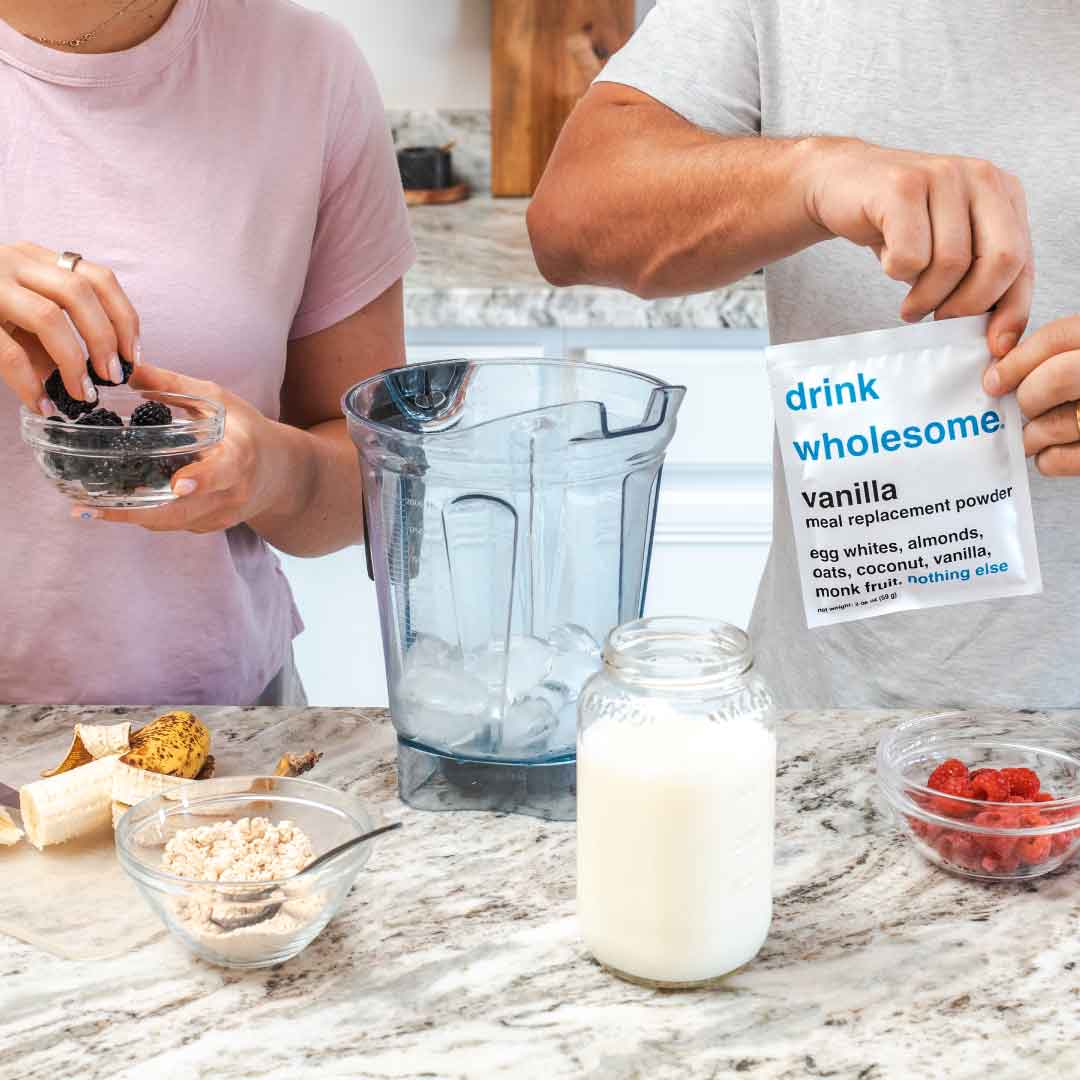
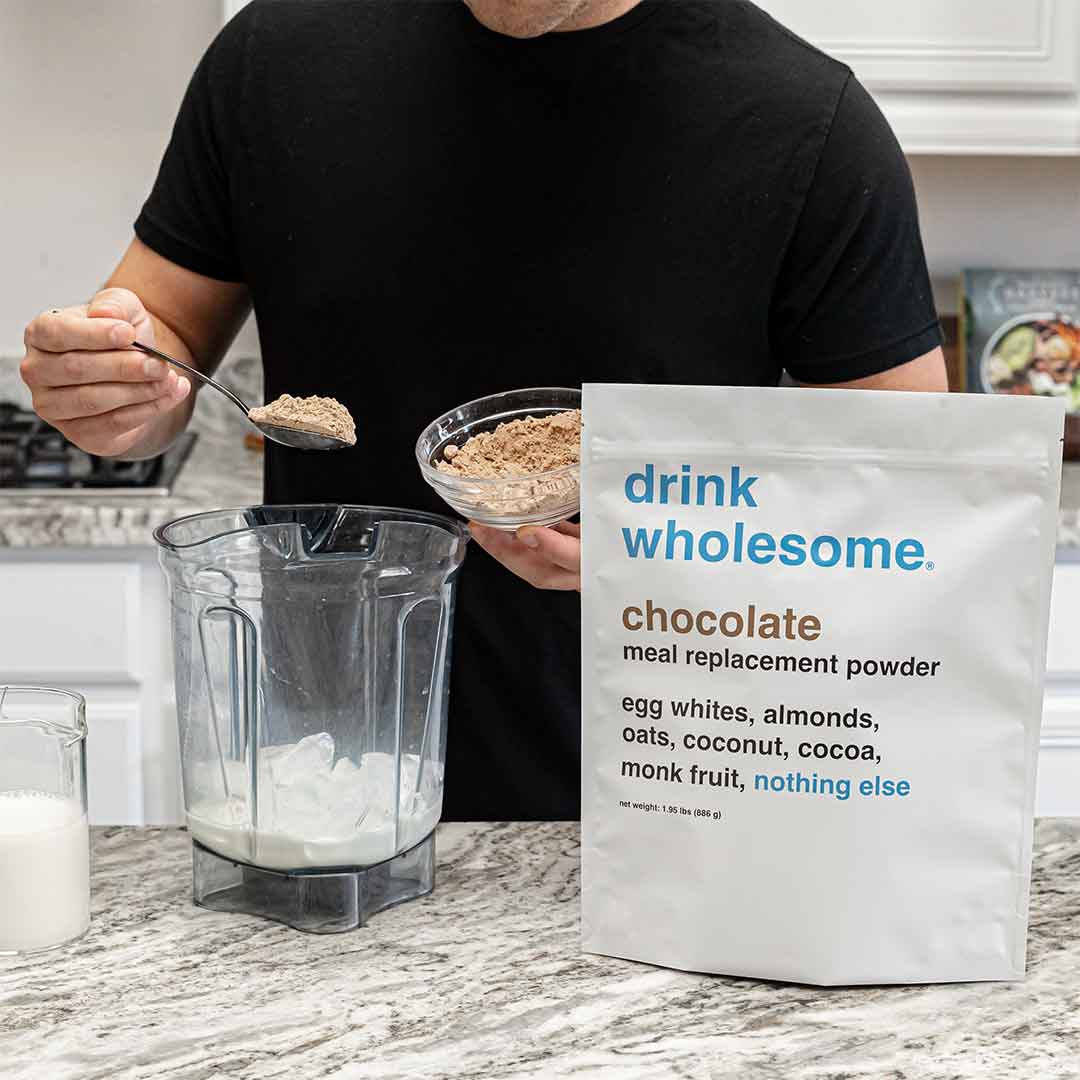
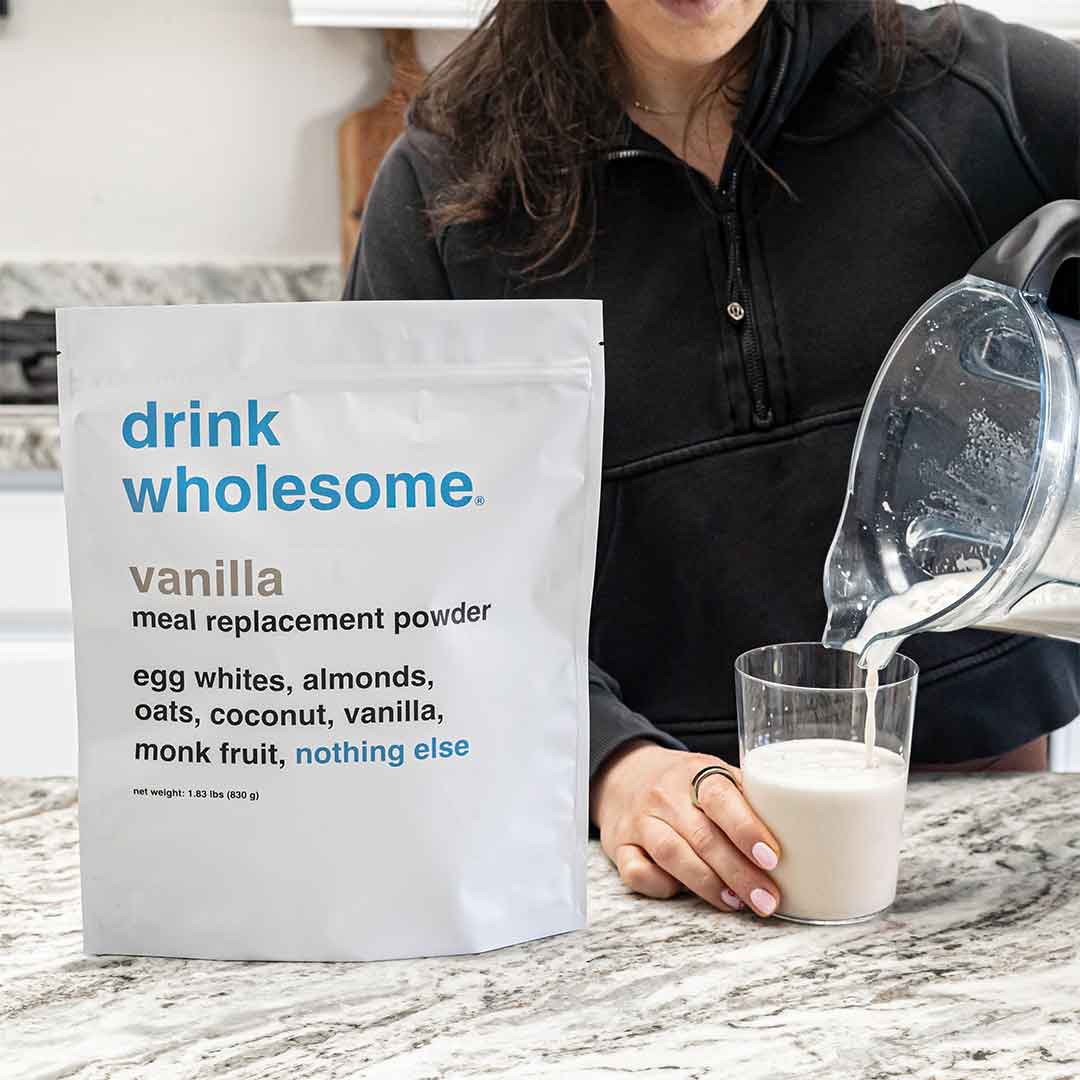
a man and a woman making a meal replacement shake with drink wholesome meal replacement powder

It is important to keep in mind that meal replacements should not replace other forms of nutrition.

That is, you should feed your toddler balanced, nutritious meals whenever possible.

For most toddlers, this should be more than enough to cover their nutritional needs.

Some toddlers, especially picky eaters or those with dietary restrictions, might need a little help, however.

This is where a meal replacement can be a lifesaver.

That said, not all meal replacements are created equal.

family-making-a-meal-replacement-shake-with-drink-wholesome-meal-replacement-powder

What is the best meal replacement for toddlers?


Many meal replacements contain ingredients that might cause long-term health problems for toddlers.

Among these potentially problematic ingredients are food additives and protein concentrates/isolates.

Avoid Food Additives

Regularly eating emulsifiers, thickeners, artificial sweeteners and other ultra-processed additives can not only upset your toddler’s stomach, but also alter the composition of his or her gut microbiome.

Over time, this can lead to gut dysbiosis, which contributes to the development of several chronic diseases, including allergies, asthma, and obesity.

If you are wondering why this link exists, keep in mind that the gut microbiome affects many physiological processes, including immune function and inflammation.

Here is a list of the most common food additives in meal replacements:

  • acacia fiber
  • acacia gum
  • acesulfame potassium
  • artificial flavors
  • ascorbic acid
  • aspartame
  • calcium carbonate
  • carrageenan
  • cellulose gum
  • dextrin
  • dicalcium phosphate
  • dipotassium phosphate
  • erythritol
  • gellan gum
  • guar gum
  • gum arabic
  • inulin
  • locust bean gum
  • maltitol
  • maltodextrin
  • mono- and diglycerides
  • ‘natural’ flavors
  • rice bran extract
  • rice dextrin
  • rice hulls
  • rosemary extract
  • silica
  • silicon dioxide
  • sodium alginate
  • soluble corn fiber
  • sorbitol
  • soy lecithin
  • sucralose
  • sunflower lecithin
  • tocopherols
  • tricalcium phosphate
  • xanthan gum
  • xylitol
  • zinc oxide

As a rule of thumb, if you could not find an ingredient in nature or make it at home, it should not be in your meal replacement.

Avoid Protein Concentrates and Isolates

You should also consider avoiding protein concentrates and isolates.

Most meal replacements are made from one or both of these protein sources, which have been mechanically and/or chemically stripped of everything but the protein.

This includes the enzymes, fiber, and other natural digestive aids that help you break them down.

You therefore do not digest them in the same way that you do whole foods, which can affect your gut health.

In fact, studies show that regularly eating protein concentrates and isolates can disrupt your gut microbiome and cause the formation of toxic byproducts in your gut.

Sticking to whole food protein sources is thus a good idea​, especially when it comes to feeding toddlers.

Drink Wholesome Is the Best Toddler Meal Replacement

Finding a meal replacement free from food additives and protein concentrates and isolates is hard.

In fact, 99% of meal replacements contain one or more of these problematic ingredients, which is why we created Drink Wholesome.

We make the best meal replacement for toddlers because we use a short list of simple ingredients.

Our Ingredients

egg whites

egg whites

coconut

coconut

vanilla

vanilla

monk fruit

monk fruit

NOT Our Ingredients

  • acacia gum

  • acesulfame potassium

  • artificial flavors

  • carrageenan

  • erythritol

  • guar gum

  • inulin

  • maltodextrin

  • 'natural' flavors

  • silica

  • soy lecithin

  • sucralose

  • xanthan gum

  • xylitol

Note that instead of using protein concentrates or isolates, we use whole food protein sources like egg whites and almonds, which are easier to digest and absorb.

It follows that toddlers experience fewer digestive issues with our Meal Replacement Powder than with any other type of meal replacement.

Order Samples to see for yourself. 

Reviews

Gabriella

3 weeks ago

Verified Purchase As someone who has struggled with chronic conditions for 10+ years, getting in nutrient-dense foods is big part of how I care for my body. Finding options that are tasty and convenient is difficult. And I am always trying to eat enough in order to maintain my weight. Providers consistently recommend smoothies/shakes. I have tried so many over the years and each time the GI symptoms are intense or the flavor is awful! Since finding Drink Wholesome, I have finally been able to incorporate higher protein smoothies and shakes without the digestive upset. As a result, I have been able to maintain my weight more easily and even gain some beneficial weight. digestive issues

For Egg White Protein Powder

Gayle

2 months ago

Verified Purchase Drink Wholesome is really the best handful of ingredients protein powder that didnt give me any stomach issues at all. Anyone who has had bloat, etc should try this protein powder. I’ve been making smoothies since April 2025 and no problems at all. bloating

For Egg White Protein Powder

Matt

2 months ago

Verified Purchase After trying so many protein options and trying to live well with IBS on the go and staying fit and healthy in my 50s, I can honestly say what you are doing at Drink Wholesome is great. Keep up the great work, keep it simple and clean, and keep it positive like you have been. It’s refreshing and it works. Thank you. IBS

For Egg White Protein Powder

Frequently asked questions

Who is Drink Wholesome for?

Drink Wholesome is the best protein powder for sensitive stomachs. Because it’s made from a short list of simple ingredients, it’s also a great option for anyone who wants to avoid artificial and ultra-processed ingredients – including kids, seniors, and moms.

Why is Drink Wholesome easy to digest?

No Dairy 

Drink Wholesome is made without whey and casein, which contain lactose, a sugar most people can’t fully digest. Dairy-based proteins, especially casein, also form a gel-like substance in your stomach, which can upset sensitive stomachs.

No Additives

Drink Wholesome is made without food additives. Regularly eating artificial sweeteners, emulsifiers, thickeners, and other additives can cause digestive issues and even long-term gut health problems.

Whole Food Protein

Drink Wholesome is made from whole food protein sources like almonds and egg whites. Unlike ultra-processed protein concentrates and isolates, which have been stripped of fiber, enzymes, and other natural digestive aids, whole foods are easy to break down and absorb.

Collagen vs egg white vs almond protein powder?

We make three types of Protein Powder for sensitive stomachs: Collagen Protein Powder, Egg White Protein Powder, and Vegan Almond Protein Powder. As long as you eat a balanced diet (get protein from a variety of sources), any type of protein powder can help you meet your protein needs. So just pick the type that best suits your personal preferences.

Ask our dietitian.

If you’re wondering which of our products is best for you, ask our registered dietitian. He’ll reply via email within 24 hours.

Ask Our Dietitian
Name
Name
First
Last

High Protein Blueberry Pancakes

PREP TIME

5 min

COOK TIME

5 min

SERVES

2

Ingredients
  • ¼ cup Drink Wholesome
  • ⅓ cup flour
  • 2 egg whites
  • ¼ cup plant milk
  • 1 tbsp nut butter
  • 2 tbsp maple syrup
  • 1 cup blueberries
Instructions

In a blender, combine the egg whites, milk, ¼ cup blueberries, and almond butter. Pour the mixture into a small mixing bowl and add the protein powder and flour. Whisk until smooth. Pour ⅓ cup batter onto a heated and greased (or non-stick) pan to form pancakes. Cook each side for 2-3 minutes. This recipe makes 4-5 pancakes. Then, in a small saucepan, heat ¾ cup blueberries and the maple syrup over medium heat, stirring occasionally, for about 8 minutes. Plate the pancakes and spoon blueberry jam on top.

Close