
How to Choose the Best Protein Powder for Sensitive Stomachs

📌 Overview and Key Takeaways

This is a Dietitian’s guide on how to choose the best protein powder for sensitive stomachs.

Discover how to supplement your protein intake without upsetting your stomach.

kayla-kamen-dietitian
Last Updated
Mar 11, 2026
Author and Medical Reviewer

Written by Kayla Kamen, MS, RD

Kayla Kamen is a Registered Dietitian with a MS in Nutrition.

Medically reviewed by Jennifer Fossett, PA-C

Jennifer Fossett is a Physician Assistant with a BA in Nutritional Sciences.

Protein Powder for Sensitive Stomachs

How Do I Choose a Protein Powder for Sensitive Stomachs?

Do you experience bloating, cramping, constipation, diarrhea, gas, nausea, or stomach pain on a regular basis?

If you answered “yes” to any of these questions, you might have a sensitive stomach. 

The term “sensitive stomach” is a non-medical phrase to describe a stomach that is easily upset.

According to the National Institute of Diabetes and Digestive and Kidney Diseases, 1 in 5 people have one, meaning they regularly experience gastrointestinal (GI) distress (NIDDK, 2014).

Food allergies and chronic digestive diseases such as irritable bowel syndrome (IBS) are common causes of a sensitive stomach, but sometimes the cause is unknown.

Typically, you can successfully manage symptoms by making dietary and lifestyle changes and by learning which trigger foods to avoid.

Many protein powders, for example, contain ingredients known to cause painful digestive issues and even long-term gut health problems.

Among these ingredients are food additives, added vitamins and minerals, dairy-based proteins, and protein concentrates and isolates. 

avoid food additives

🚫 Avoid Food Additives

Emulsifiers, thickeners, and other additives are so processed that they look nothing like real food.

This makes them hard to break down and absorb, which can lead to painful side effects like bloating and diarrhea.

It can also cause long-term digestive issues. 

Regularly consuming certain food additives, for example, might alter the composition and function of your gut microbiome (NCI, 2019).

These shifts, known as gut dysbiosis, have been linked to the development of chronic digestive issues like irritable bowel syndrome (IBS) (JGH Open, 2021).

⚠️ Here is a list of the most common food additives in protein supplements:

  • acacia fiber
  • acacia gum
  • acesulfame potassium
  • artificial flavors
  • ascorbic acid
  • aspartame
  • calcium carbonate
  • carrageenan
  • cellulose gum
  • dextrin
  • dicalcium phosphate
  • dipotassium phosphate
  • erythritol
  • gellan gum
  • guar gum
  • gum arabic
  • inulin
  • locust bean gum
  • maltitol
  • maltodextrin
  • mono- and diglycerides
  • ‘natural’ flavors
  • rice bran extract
  • rice dextrin
  • rice hulls
  • rosemary extract
  • silica
  • silicon dioxide
  • sodium alginate
  • soluble corn fiber
  • sorbitol
  • soy lecithin
  • sucralose
  • sunflower lecithin
  • tocopherols
  • tricalcium phosphate
  • xanthan gum
  • xylitol
  • zinc oxide

As a rule of thumb, if you cannot find it in nature or make it at home, it is probably a food additive.

🚫 Avoid Added Vitamins and Minerals

Added vitamins and minerals in protein supplements might cause digestive issues too.

Certain micronutrients can affect gut barrier function and immune response, indirectly influencing gastrointestinal health.

In one case, the chronic overconsumption of vitamins (A, selenium, zinc) led to permanent abdominal discomfort (J Int Soc Sports Nutr, 2015).

🚫 Avoid Dairy-Based Proteins

Dairy-based proteins like whey and casein, although not an issue for everyone, can cause digestive issues.

This is usually because they contain lactose, a sugar many individuals with sensitive stomachs cannot fully digest.

But you might be sensitive to dairy-based proteins even if you are not lactose intolerant.

This is particularly true for casein protein, which forms a gel-like substance in your stomach that slows down digestion (Crit Rev Food Sci Nutr, 2023).

avoid ultra processing

🚫 Avoid Protein Concentrates and Isolates

If you have a sensitive stomach, you might also want to avoid ultra-processed protein concentrates and isolates.

Most protein supplements are made from one or both of these ultra-processed protein sources, which have been mechanically and/or chemically stripped of everything but the protein.

This includes the enzymes, fiber, and other natural digestive aids that help your gut break them down.

You therefore do not digest them in the same way that you do whole foods, which could affect your gut health.

Studies show that regularly eating protein concentrates and isolates might disrupt your gut microbiome and cause the formation of toxic byproducts in your gut (Nutrients, 2018) (Mol Nutr Food Res, 2024).

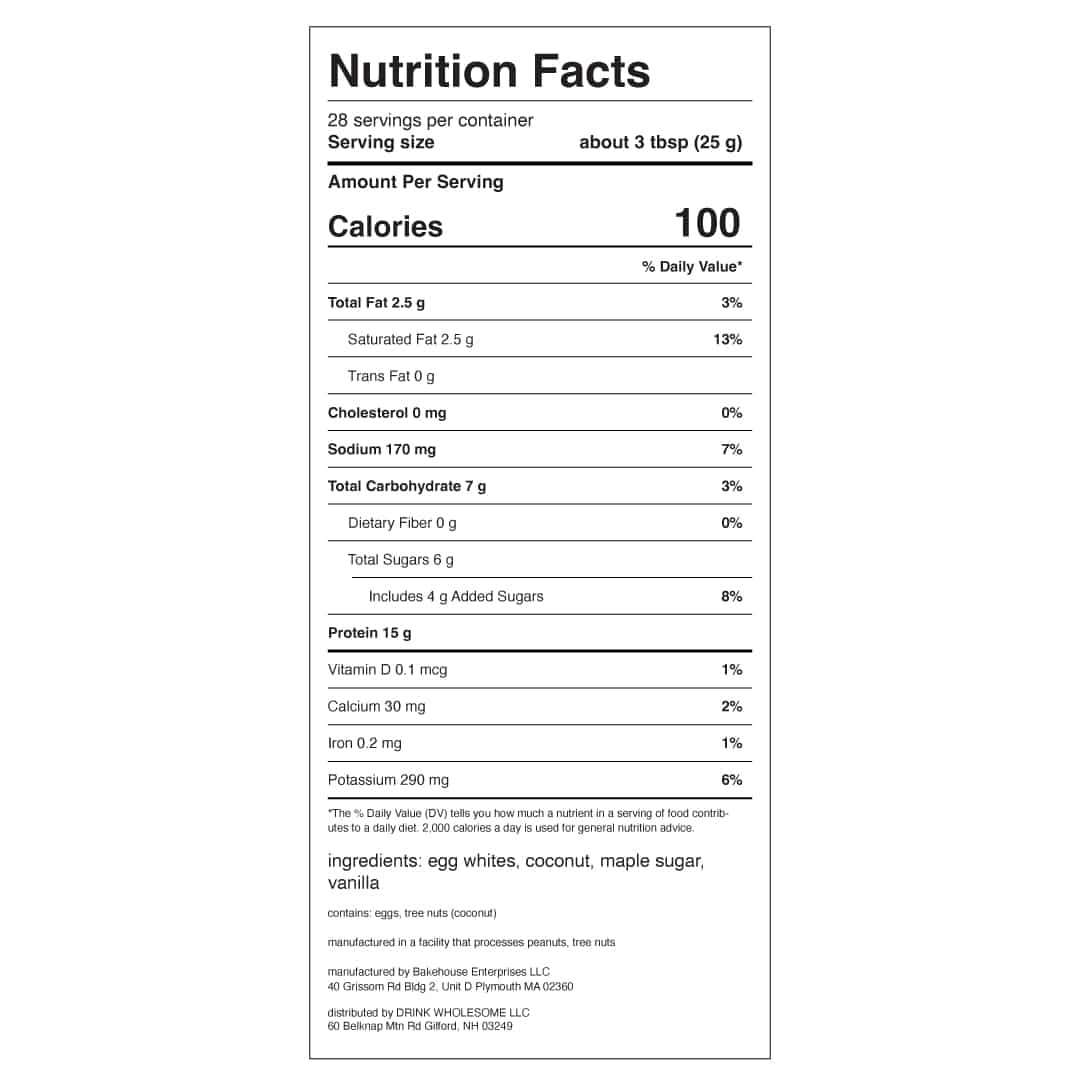
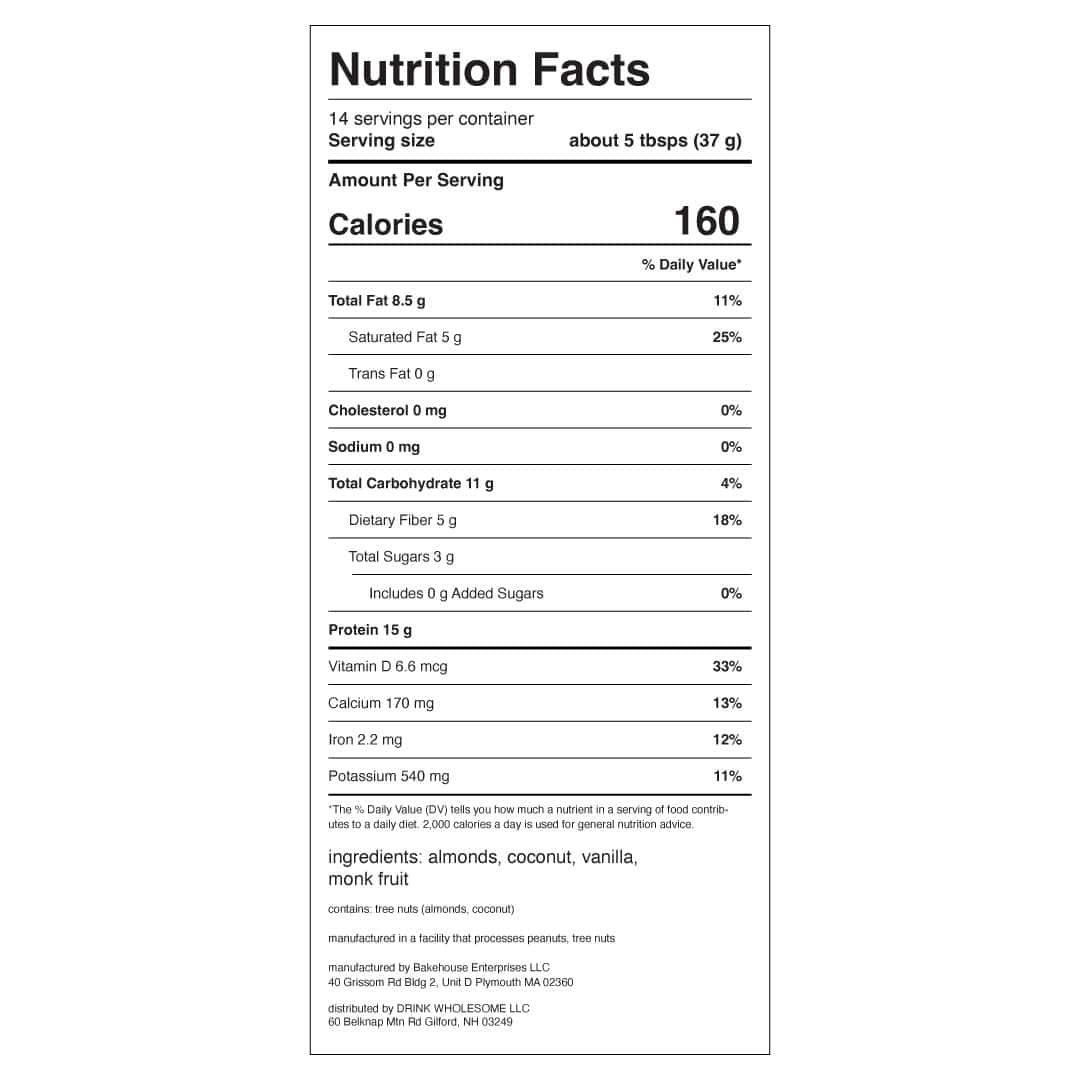
Individuals with sensitive stomachs should thus consider protein supplements made from whole food protein sources like egg whites and almonds, which are easier to digest and absorb.

Order Samples to see for yourself.

Why Else Might Protein Powder Upset My Stomach?

There are several other reasons why protein powder might upset your stomach, including:

  • Cross-Contamination: Some protein powders might be cross-contaminated with substances like gluten, which can cause digestive issues for individuals with gluten sensitivity or celiac disease.
  • Serving Size: It is possible that you are consuming too much protein powder at once, which can overwhelm your digestive system.
  • Timing: Some people find that consuming protein powder before or after a meal, rather than on an empty stomach, reduces digestive issues. Some people also find that drinking a protein shake right before bed can cause digestive issues, particularly acid reflux.
  • What You Mix It With: Sometimes, the type of liquid you mix your protein powder with can affect digestion. Try mixing it with water, milk, a milk substitute, or another liquid to see if one works better for you.

If you have specific dietary concerns, you should consult with a healthcare professional.

He or she can provide personalized advice and help you identify the underlying issues that may be contributing to your condition or symptoms.

Which Type of Protein Is Best for Sensitive Stomachs?

Although the type of protein is by no means the most important factor when it comes to digestion, it can make a difference for some people.

Beef Protein Powder

  • Beef protein, which is derived from lean beef, is a GOOD choice for sensitive stomachs.
  • Few people experience digestive issues with beef protein.
  • Beef protein is low FODMAP.

Casein Protein Powder

  • Casein protein, which is derived from cow’s milk, is a BAD choice for sensitive stomachs.
  • Many people experience digestive issues with casein protein.
  • Casein contains lactose.

Collagen Protein Powder

  • Collagen protein, which is derived from the connective tissues of animals, is a GOOD choice for sensitive stomachs.
  • Few people experience digestive issues with collagen protein.
  • Collagen is low FODMAP.

Egg White Protein Powder

  • Egg white protein, which is made by drying egg whites, is THE BEST choice for sensitive stomachs.
  • Very few people experience digestive issues with egg white protein.
  • Egg whites are low FODMAP.

Hemp Protein Powder

  • Hemp protein, which is made by grinding hemp seeds into a fine powder, is a GOOD choice for sensitive stomachs.
  • Few people experience digestive issues with hemp protein.
  • Hemp protein is high fiber, which may be an issue for some people.

Nut Protein Powder

  • Nut protein, which is made by grinding partially-defatted nuts (almonds, peanuts, etc.) into a fine powder, is a GOOD choice for sensitive stomachs.
  • Few people experience digestive issues with nut protein.
  • The most common types of nut protein powder are almond, peanut, and walnut.

Pea Protein Powder

  • Pea protein, which is derived from green or yellow split peas, is an OK choice for sensitive stomachs.
  • Some people experience digestive issues with pea protein.
  • I have observed that pea protein is hit or miss when it comes to digestibility, so buyers beware.

Rice Protein Powder

  • Rice protein, which is derived from brown rice, is an OK choice for sensitive stomachs.
  • Some people experience digestive issues with rice protein.
  • Like pea protein, rice protein digestibility can vary considerably from product to product.

Soy Protein Powder

  • Soy protein, which is derived from soybeans, is an OK choice for sensitive stomachs.
  • Some people experience digestive issues with soy protein.
  • Soy is a common allergen and some people are sensitive to it, especially in large amounts.

Whey Protein Powder

  • Whey protein, which is derived from the liquid part of cow’s milk that separates during cheese or yogurt production, is THE WORST choice for sensitive stomachs.
  • Many people experience digestive issues with whey protein.
  • Whey contains lactose.

Note that “derived from” means that the protein powder does not contain a whole food protein source, but an ultra-processed protein concentrate or isolate.

This is important to consider because, generally speaking, the less processed a protein source is, the better it is for your digestive health.

The reason egg whites are the best source of dietary protein for sensitive stomachs is they are hardly processed at all.

A dried egg white naturally contains over 80% protein, whereas most other high protein foods contain half (if that) as much protein.

Egg whites thus do not need to be stripped of fats, carbs, etc. to be used as a protein supplement.

Are Some Types of Protein Easier to Digest Than Others? 

Some types of protein are technically easier to digest than others, but digestion is complicated.

In other words, there are some scientific measures of digestibility, but they are imperfect and do not take into account individual tolerances.

The most widely accepted way to measure the digestibility of dietary protein is the Protein Digestibility Corrected Amino Acid Score (PDCAAS).

It takes into account both the amino acid profile of the protein as well as how easy it is to break down and absorb.

Protein sources like eggs and dairy have a PDCAAS of 1.0, the highest possible score, which might make it seem like they are the best protein sources for people with sensitive stomachs.

But digestion is not that straightforward, and a dietary protein source that is easy for one person to break down and absorb might be really hard to digest for someone else.

For example, although dairy is technically (according to its PDCAAS) easy to digest, many people have a hard time digesting it because it contains lactose, a sugar that they cannot fully break down.

In short, although all types of dietary protein are not digested at the same rate or to the same extent, worrying about these differences is a more or less a waste of time.

Product Quiz

Product Quiz

Find the best product for you.

press Enter
What is your main goal?
Are you on a vegan diet?
Are you on a low sodium diet?
Do you prefer flavored or unflavored?
How would you typically use our products?
What's your sex (assigned at birth)?
What's your age?
Do you have sensitive stomach?
Have you ever been diagnosed with a digestive disease?
Select your condition(s).
Use Shift+Tab to go back

Which Brand of Protein Powder Is Best for Sensitive Stomachs?

Finding a protein powder free from food additives, added vitamins and minerals, dairy-based proteins, and protein concentrates and isolates is hard.

In fact, most protein supplements contain one or more of these problematic ingredients.

Here are the few protein powders that do not: 

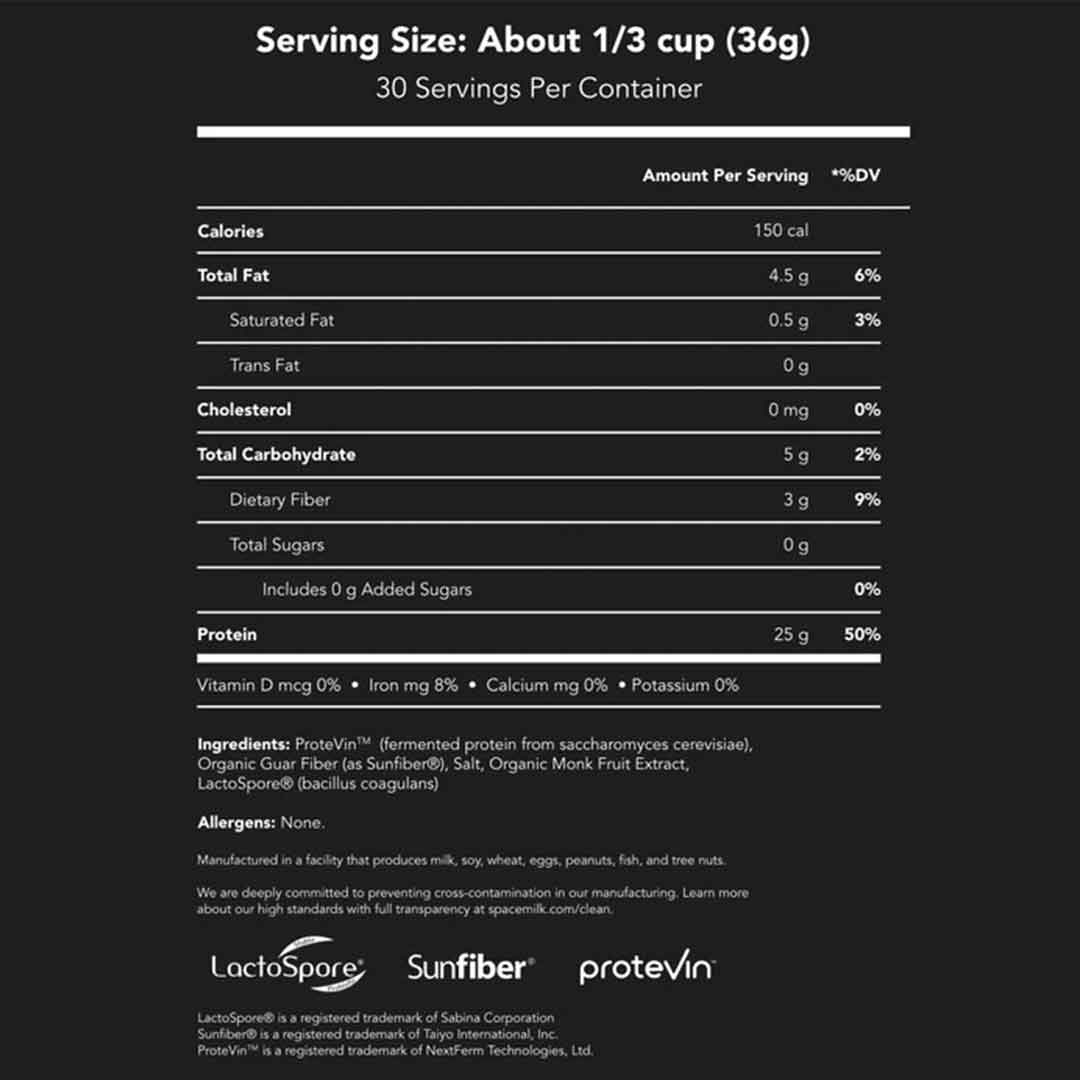
1. Space Milk

Made from a cell-based protein derived from yeast, Space Milk is a good option for sensitive stomachs.

✅ This protein powder is made from a single ingredient, which reduces the likelihood that it causes symptoms. 

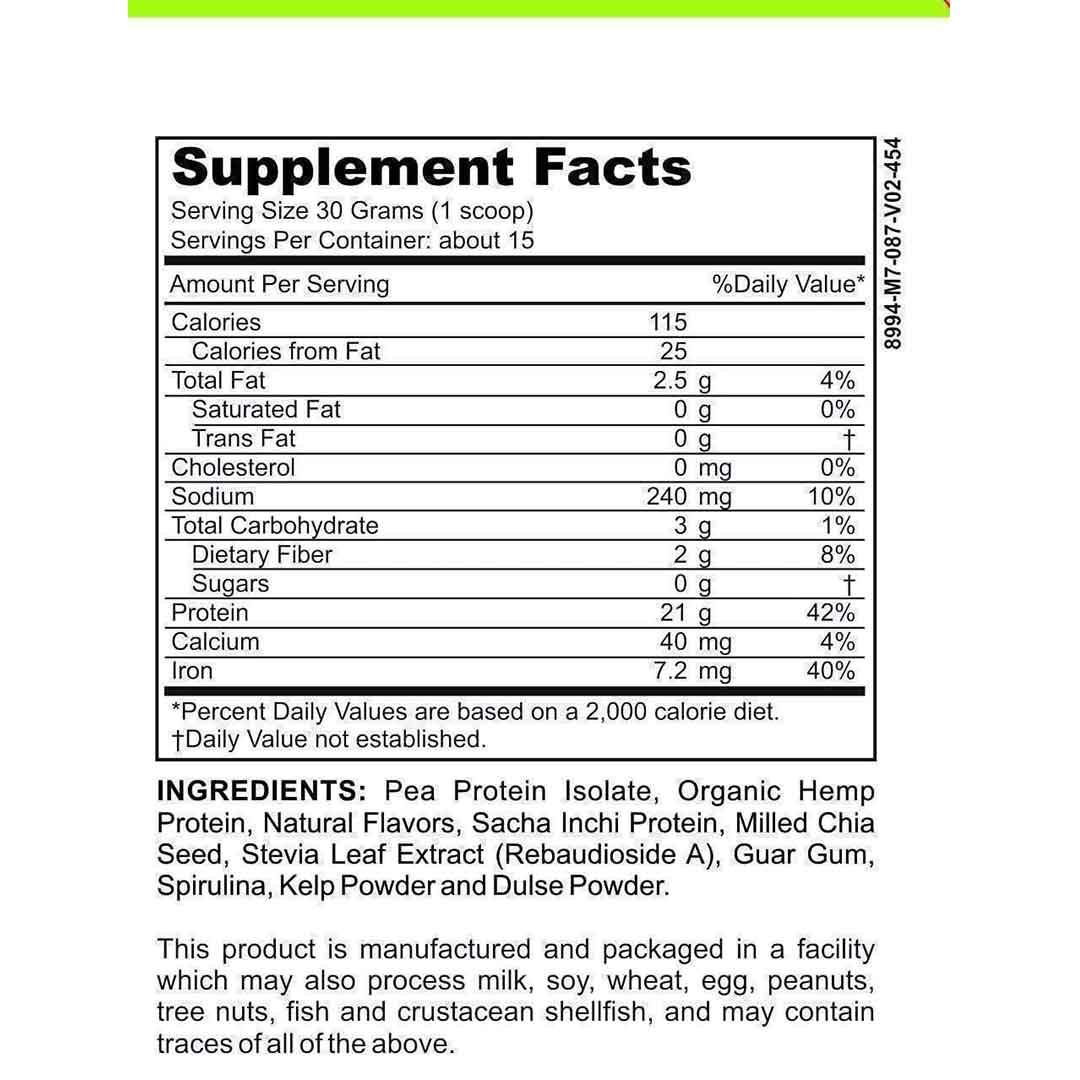
2. Casa de Sante

Made from a blend of pea protein and hemp protein, Casa de Sante is a good option for sensitive stomachs.

⚠️ This protein powder contains natural flavors and guar gum (a thickener), both of which can cause digestive issues for some individuals. 

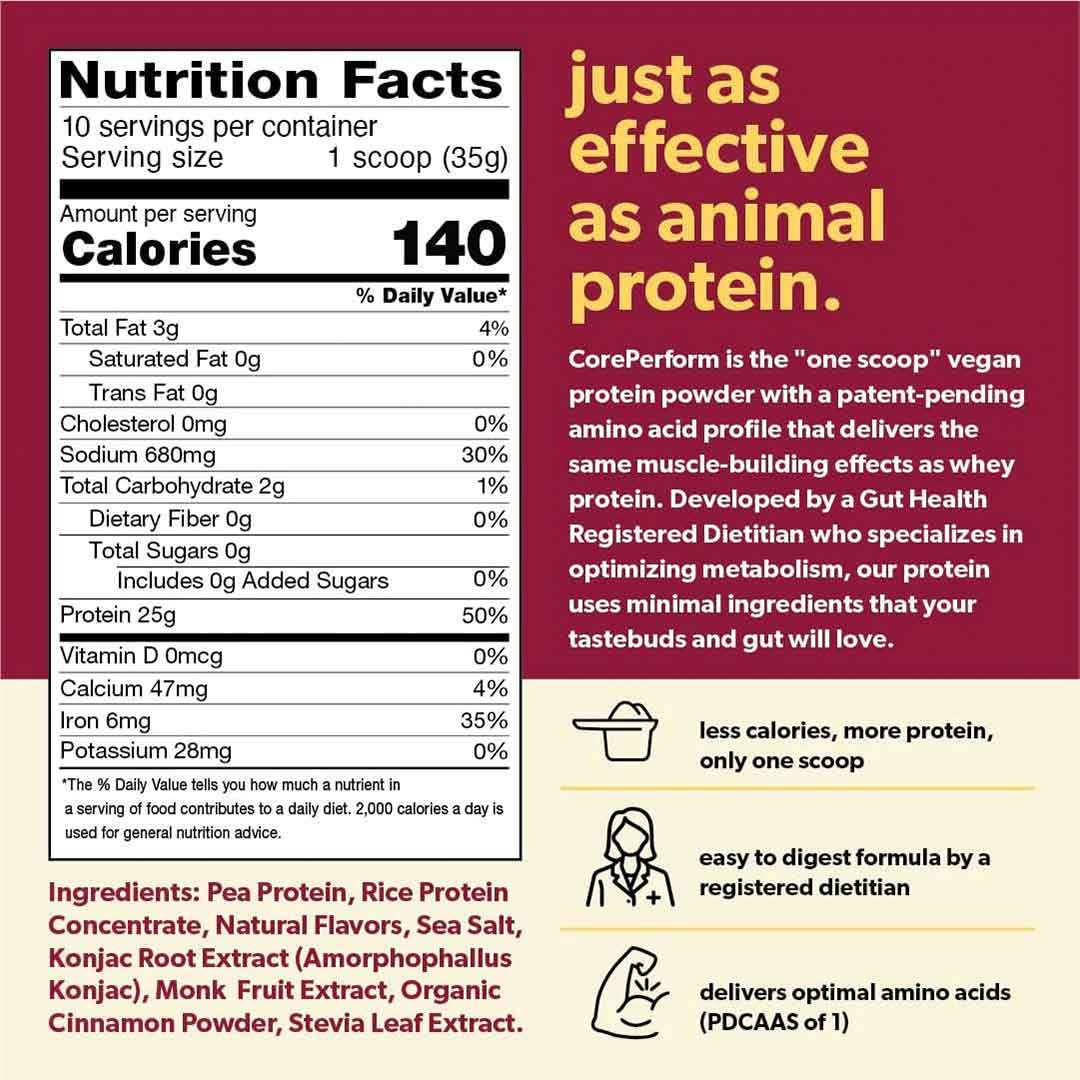
3. CorePerform

Made from a blend of pea protein and brown rice protein, CorePerform is a good option for sensitive stomachs.

⚠️ This protein powder does contain konjac (a thickener) and natural flavors, however, both of which can cause digestive issues for some individuals. 

4. TumLove

Made from a blend of pea protein and brown rice protein, TumLove is a good option for sensitive stomachs.

⚠️ This protein powder for sensitive stomachs does contain natural flavors, however, which can cause digestive issues for some individuals. 

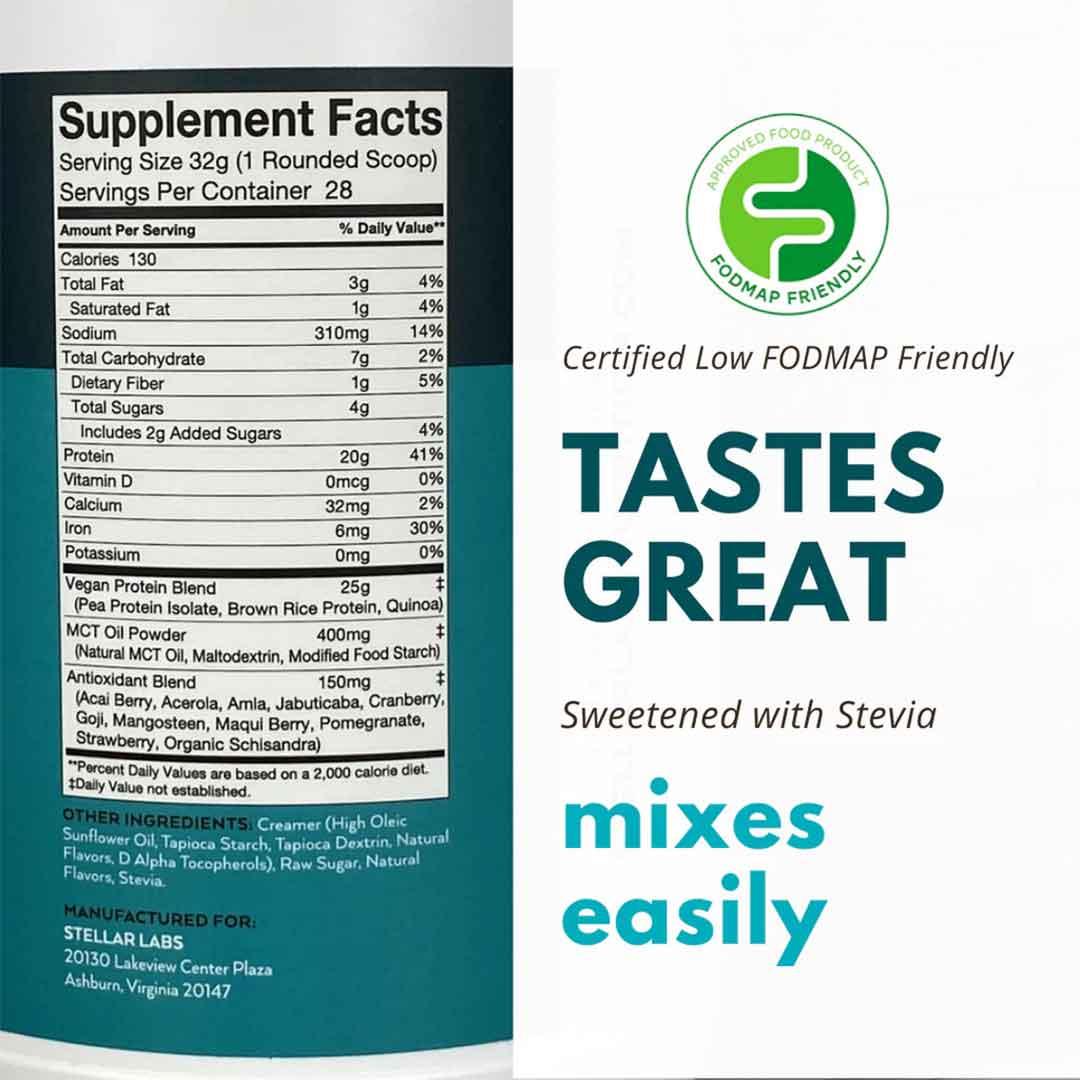
5. Stellar Labs

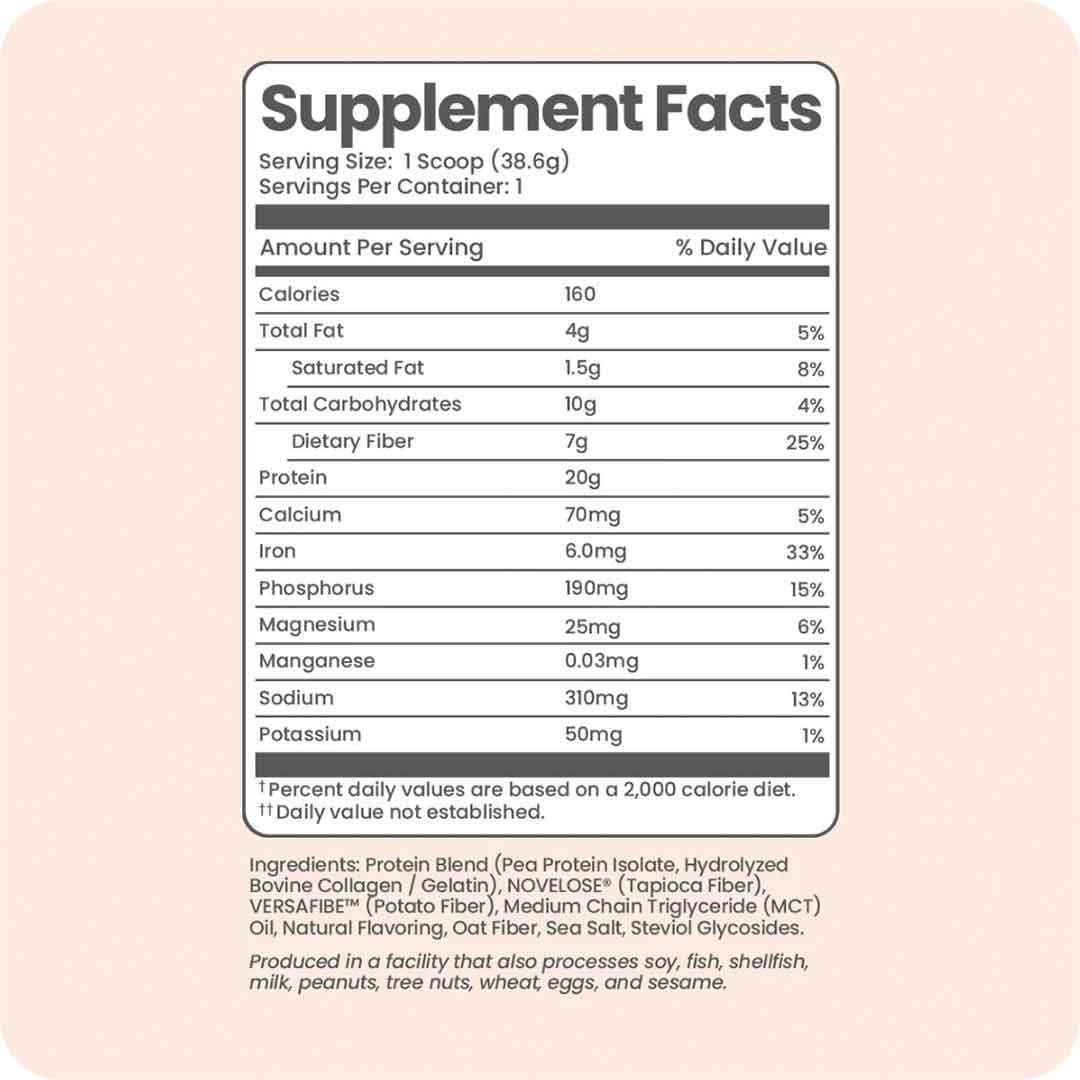
Made from a blend of pea protein, brown rice protein, quinoa protein, Stellar Labs is a good option for sensitive stomachs.

⚠️ This protein powder does contain thickeners and natural flavors, however, both of which can cause digestive issues for some individuals. 

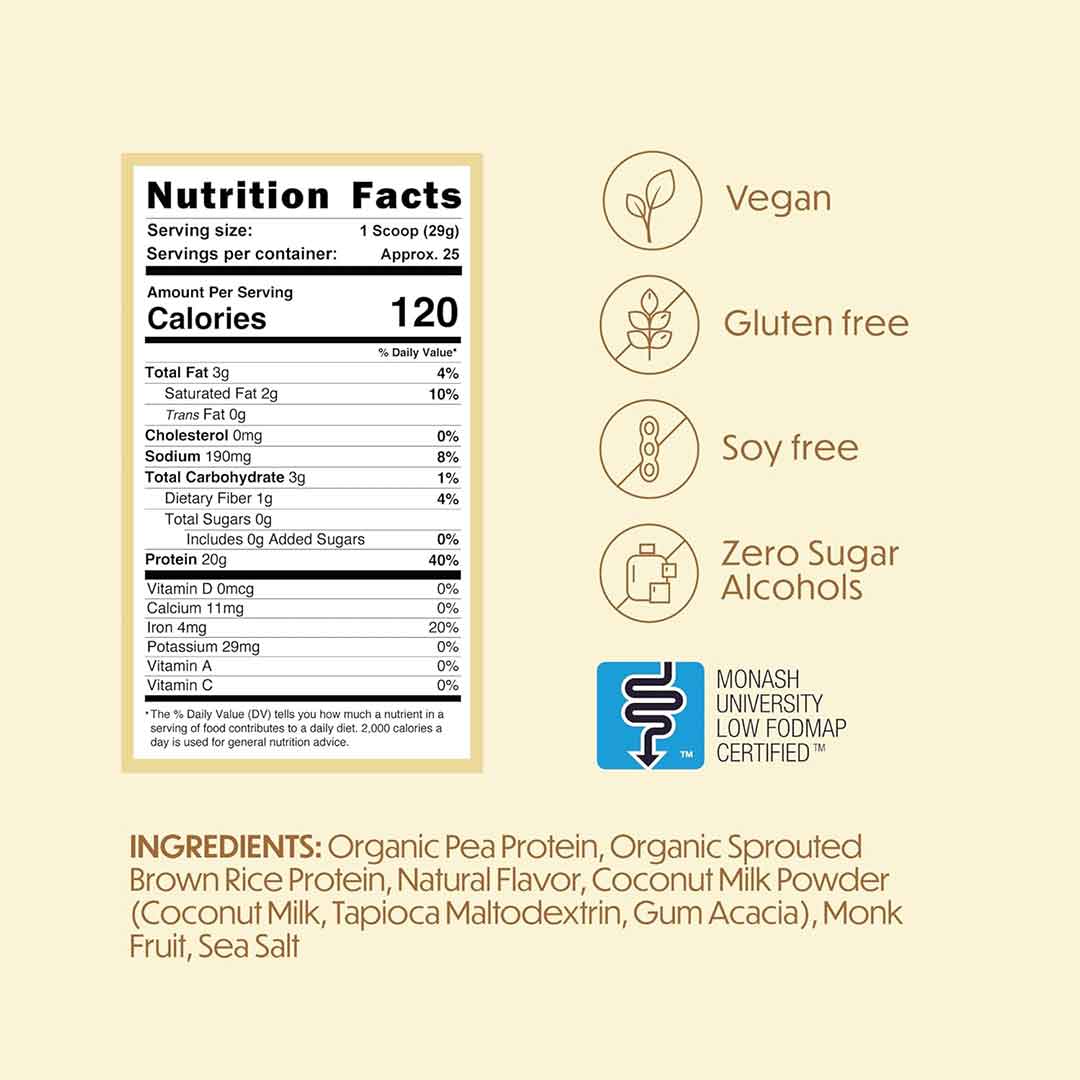
6. Better Blends

Made from a blend of pea protein and brown rice protein, Better Blends is a good option for sensitive stomachs.

⚠️ This protein powder for sensitive stomachs does contain natural flavors, however, which can cause digestive issues for some individuals. 

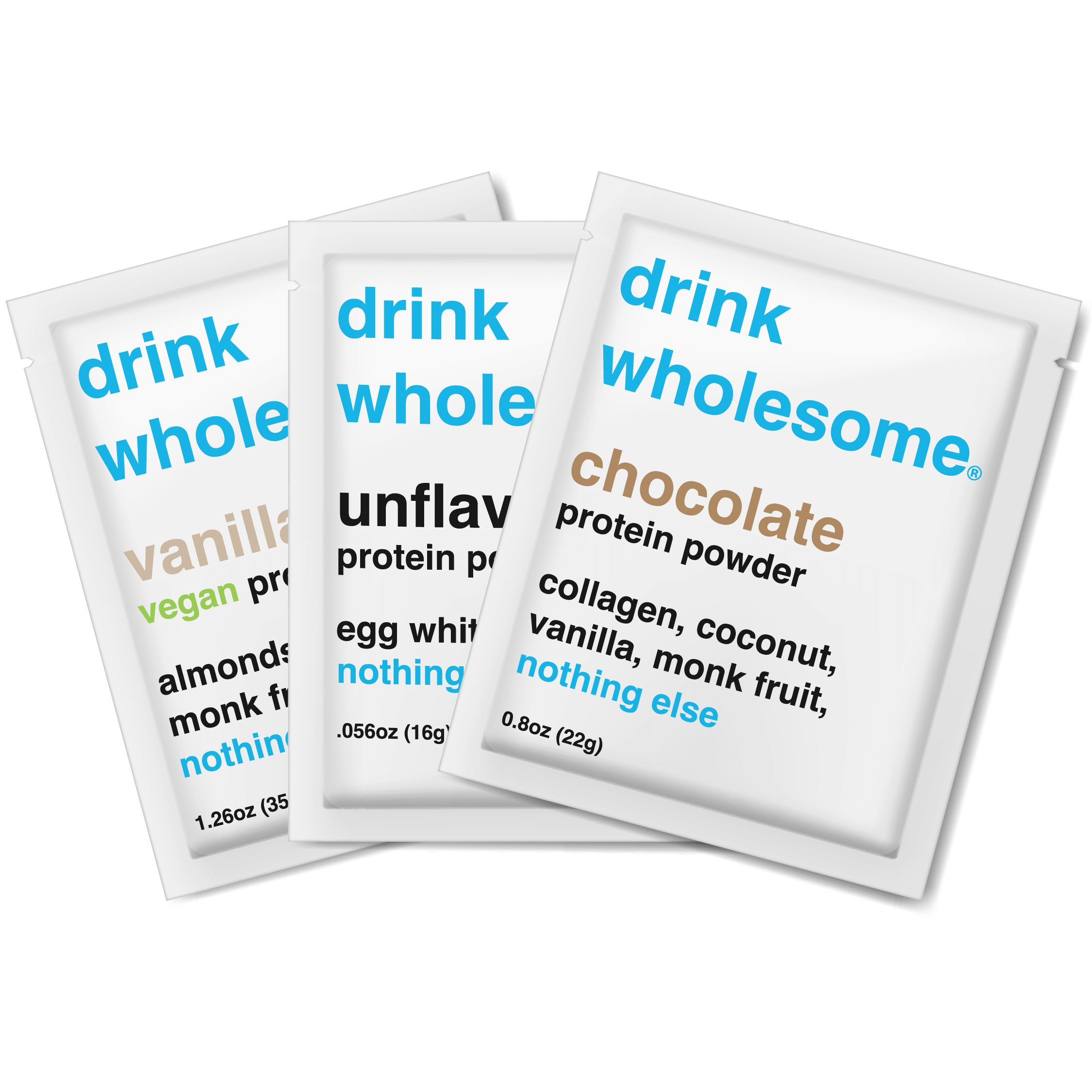
7. Drink Wholesome

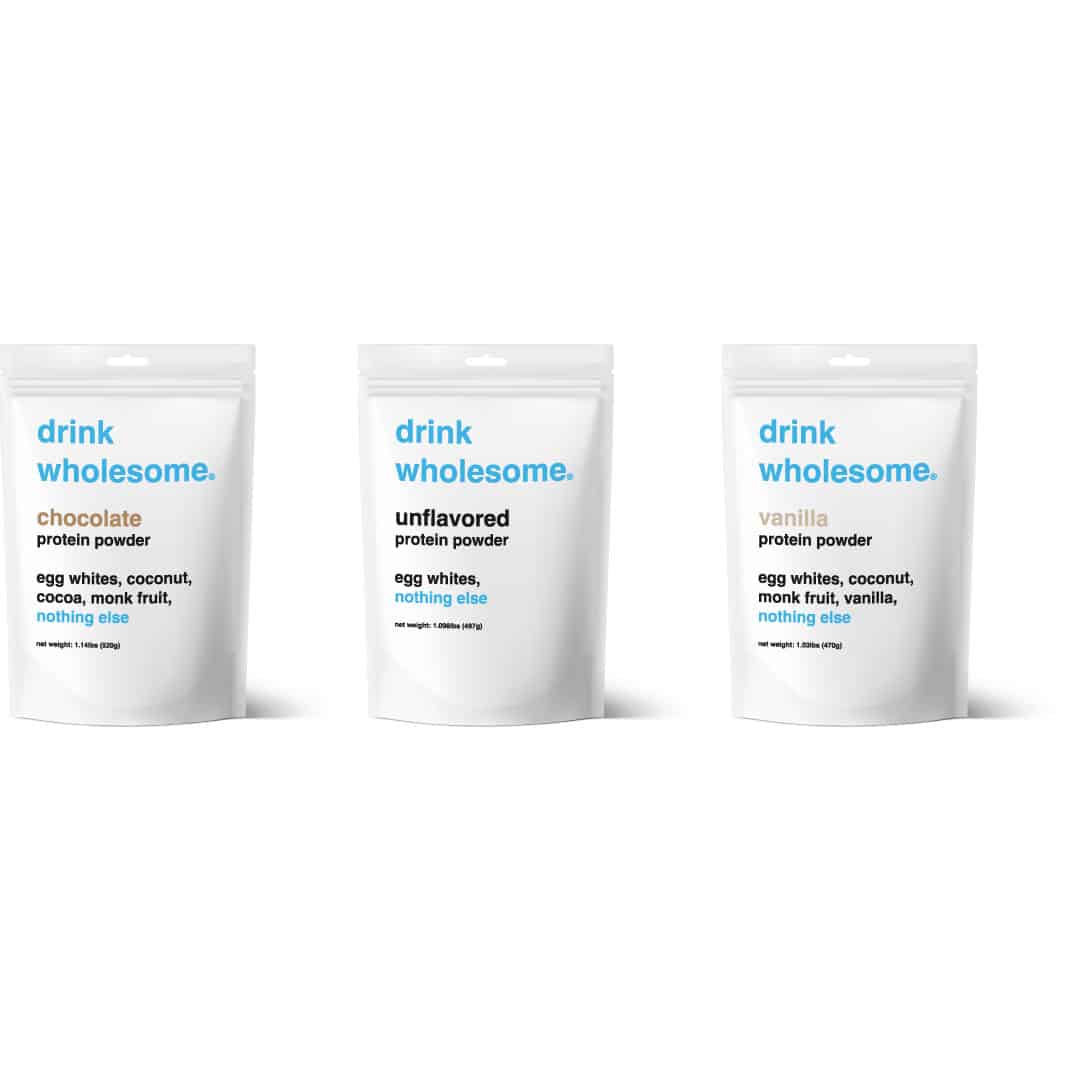
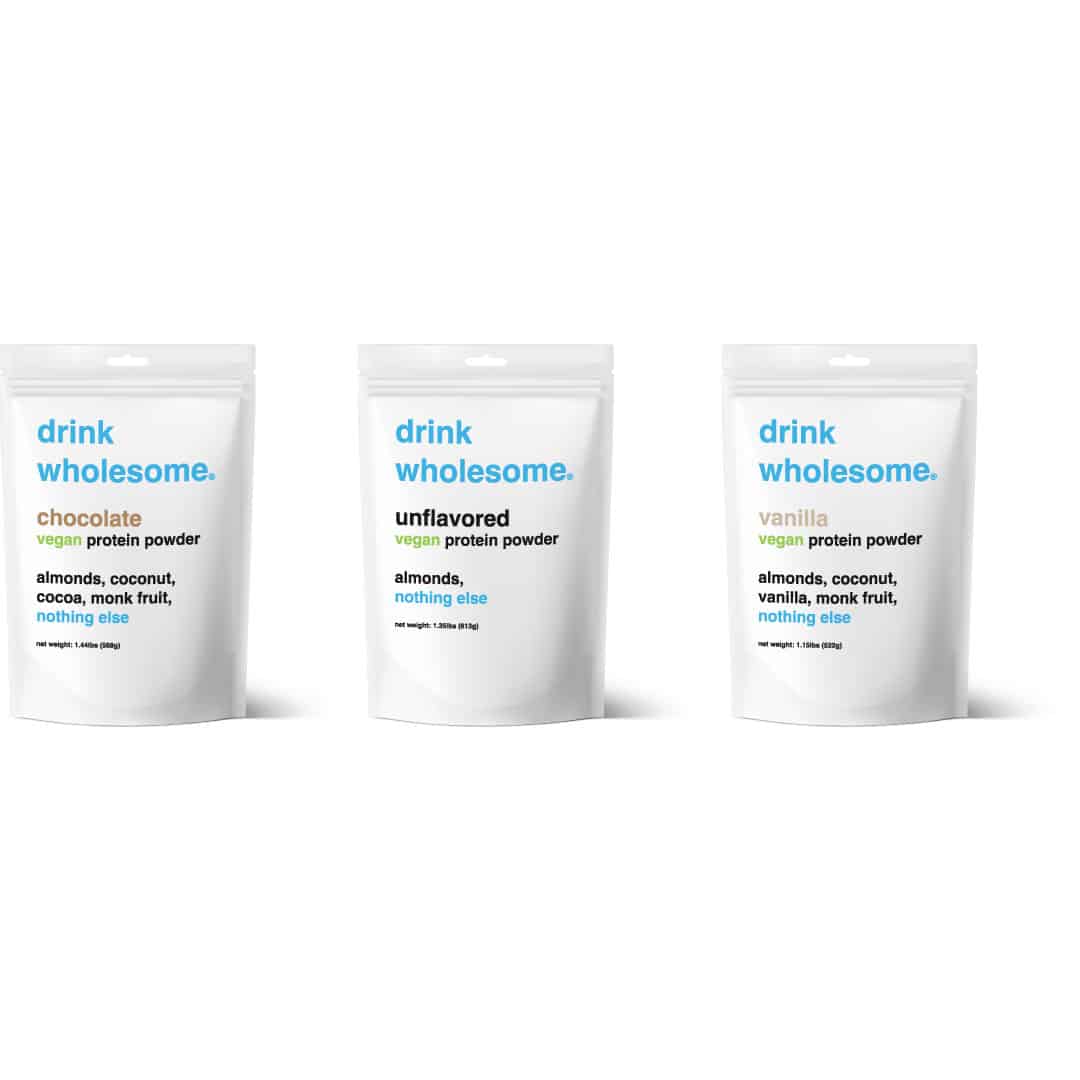
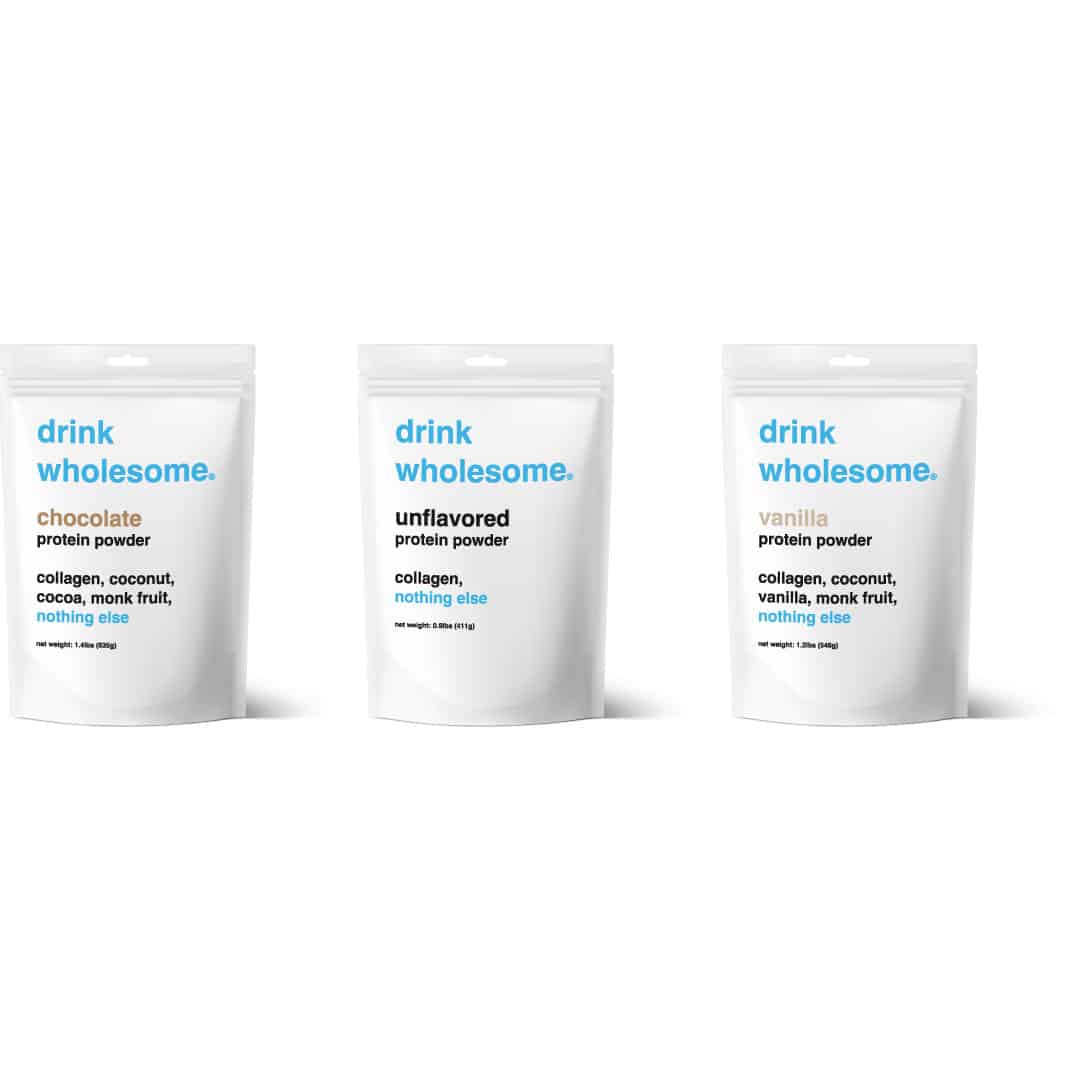
Made from either egg whites, almonds, or collagen, Drink Wholesome is a good option for sensitive stomachs

✅ And of all the products on this list, it is the only protein powder for sensitive stomachs that is made from food protein sources – not ultra-processed protein concentrates or isolates.

If you drink a protein shake every day, this can make a huge difference for your digestion.

Can Protein Powder Help with Digestive Health?

Protein is needed to build and maintain muscle mass.

It is also needed to make enzymes, hormones, and antibodies that protect your body against illness.

Needless to say, eating enough protein is important, especially if you suffer from a chronic digestive condition.

This is because people with sensitive stomachs often need extra protein.

Certain gastrointestinal disorders, particularly those associated with chronic inflammation or malabsorption, such as inflammatory bowel disease (IBD), can increase your protein needs by as much as 25% (Lancet Gastroenterol Hepatol, 2018).

This happens for several reasons, including:

  1. Increased inflammation: Digestive issues can cause chronic inflammation in the digestive tract, which increases metabolism and the breakdown of proteins. Extra protein is thus needed to maintain muscle mass and a healthy body weight.
  2. Malabsorption: Digestive issues can damage the lining of the intestines, impairing the absorption of nutrients, including proteins. Extra protein is needed to compensate for the protein that was not absorbed.
  3. Wound healing: Digestive issues can cause tissue damage in the digestive tract. Extra protein needed to heal these tissues and support recovery.

Furthermore, if you have a sensitive stomach, it might be challenging to find high protein foods that do not trigger flare ups, which is where protein powder can help.

Adding protein powder to your diet is a great way to fill in nutritional gaps, ensuring you stay strong and healthy.

As you just learned, however, not all protein powders are created equal.

It is important that you prioritize products made with a short list of simple ingredients and avoid problematic food additives, dairy-based proteins, and protein concentrates and isolates.

Protein Intake Calculator

[Popup] Protein Calculator

Calculate your daily protein needs.

press Enter
Are you pregnant or breastfeeding?

g protein/day
Use Shift+Tab to go back

When Should I Use Low FODMAP Protein Powder? 

If you suffer from a digestive condition like irritable bowel syndrome (IBS), you might want to consider using a low FODMAP protein powder.

Collagen, egg white, and hemp are a few examples of IBS-friendly, low FODMAP protein sources.

Keep in mind that many protein powders contain high FODMAP additives like inulin and xylitol.

To play it safe, choose a protein powder that has been low FODMAP-certified by an official certification body.

Our Unflavored Egg White Protein Powder, for example, is low FODMAP-certified by Monash University.

Which Protein Powders Are AIP-Compliant?

If you are following the AIP (Autoimmune Protocol) Diet, specifically the elimination phrase of the AIP diet, there are very few AIP-compliant protein powders.

Basically, your only options are beef protein isolate and collagen protein powder.

Once you complete the elimination phrase, however, the list of safe options grows to include most types of protein powder.

That said, you still have to avoid ingredients like emulsifiers, thickeners, and artificial sweeteners, which are not AIP-compliant.

Which Protein Powders Are Alkaline?

If you need an alkaline protein powder, it is generally recommended that you choose a plant-based protein powder like almond protein powder.

Almonds, like most plant-based protein sources, are alkaline-forming when digested. 

If you prefer to use an animal-based protein powder, egg white protein powder is a good option.

Unlike whole eggs, egg whites are naturally alkaline.

In fact, egg whites are the only animal product that are naturally alkaline, with a pH as high as 9.2 (Nutrients, 2018).

Which Protein Powders Are Lectin-Free?

Most protein powders do not contain many lectins.

If you are worried about lectins in your protein powder, however, then I recommend avoiding pea and soy proteins, as peas and soybeans are lectin-rich legumes.

You may have heard that you also have to be careful with animal proteins like whey and eggs because many cows and chickens are fed grains and legumes, but this is not true.

There may be trace amounts of lectins in animal products, but they are so small that they will not affect your digestion.

Which Protein Powders Are Low Fiber?

Although fiber intake supports digestive health, some individuals, like those with digestive conditions like inflammatory bowel disease (IBD), might need to limit their fiber intake at times.

A low-fiber diet helps reduce bowel movement frequency, providing relief during IBD flare-ups.

All plants contain fiber, so, if you want to limit your fiber intake, stick to animal-based options like beef, collagen, egg white, and whey.

You should also avoid most plant-based food additives, especially gums.

Many protein powders contain added gums like guar gum and xanthan gum, all of which are extremely high in fiber. 

Which Protein Powders Are Low Histamine?

Histamine intolerance, which has been linked to a range of digestive issues, can vary greatly from person to person, meaning a protein powder that works for one person might not work for someone else.

That said, there are several guidelines that anyone with histamine intolerance can follow.

First of all, egg white protein, hemp protein, and rice protein are all low in histamine, so it is best to start with one of these protein sources.

Then, make sure your protein powder does not contain any food additives, as certain additives can be problematic for individuals with histamine intolerance (BMC Med, 2011).

How Can I Make Protein Powder Easier to Digest?

If you have a sensitive stomach and are adding protein powder to your diet for the first time, follow these tips to avoid digestive issues:

  1. Start small. Use a smaller serving (half of the recommended serving) at first to see how your stomach responds. Eating too much protein at once can overwhelm your digestive system and result in delayed gastric emptying.
  2. Mix it with easy to digest liquids. Start by mixing your protein powder with just water. If that goes well, you can try mixing it with cow’s milk or plant milk. Just be sure to avoid plant milks with added gums and seed oils.
  3. Be careful with high fiber add-ins. High fiber fruits and vegetables can cause digestive issues, so use them with caution.
  4. Be mindful of timing. Try not to drink a protein shake on an empty stomach, immediately after a large meal, or right before bed (lying down). This allows for better digestion.
  5. Hydrate well. Ensure you are drinking lots of water throughout the day, as dehydration can make digestion more difficult, especially if you have a sensitive stomach.

In conclusion, using protein powder with a sensitive stomach requires careful consideration of the ingredients, serving size, and how and when you consume it.

By following the steps above, you can enjoy the benefits of protein powder without digestive discomfort.

Why Does Protein Powder Digestion Matter? 

How easy your protein powder is to digest can make a huge difference in terms of both how it makes you feel and how it fuels your body. 

For starters, protein powders that are easy to digest are less likely to cause digestive issues like bloating and stomach pain.

If you ask me, that is reason enough to make digestibility a top priority when adding a new protein powder to your diet.

Digestion is far more complex than just how protein powder makes you feel, however.

Because protein powder is something you consume regularly (if not every day) protein powders that are easy to digest tend to be better for the health of your gut microbiome.

Your gut microbiome is the collection of microorganisms living in your gut that helps you break down food and absorb nutrients. 

It follows that individuals with an unhealthy gut microbiome might be unable to fully digest and use the food they eat (Microorganisms, 2023). 

This means that if your protein powder is bad for your gut health, you will eventually get less out of it.

When Should I Consult a Healthcare Professional?

Before adding a new food or supplement to your diet, it is recommended to seek the advice of a healthcare professional, especially if you have unique dietary requirements or preexisting health conditions.

A healthcare professional like a registered dietitian can help guide you in choosing the right protein powder based on your specific needs.

Keep in mind that some individuals have specific allergies or sensitivities that should be taken into account when selecting a protein powder.

A healthcare professional can assist in identifying potential allergens and suggest appropriate alternatives.

Can Protein Powder Support My Digestive Health?

Certain types of protein may support your digestive health.

Almond protein, for example, may improve the composition of your gut microbiome (Curr Dev Nutr, 2019).

You might have noticed that some protein supplements contain added enzymes and probiotics intended to support digestion and a healthy gut.  

Although this may seem like a good thing, a company should not have to add enzymes to its product to make them easy to digest.

Added enzymes may actually be a sign that a company is trying to make up for enzymes lost during processing.

And although the evidence is promising, more research is needed on the benefits of added probiotics.

That is, the scientific community still disagrees about which strains of probiotics are good, and which are bad (Gut Microbes, 2017).

In some cases, adding probiotics to food can actually make gut issues worse (Cureus, 2020).

In short, some types of protein powder may help support your digestive health, but you should be wary of those that contain added “gut healthy” ingredients. 

What Should I Mix Protein Powder with if I Have a Sensitive Stomach?

If you have a sensitive stomach, here are a few safe things to mix with your protein powder with:

  • Water: Water is the safest option and the least likely to cause digestive issues.
  • Plant milk:  Unsweetened, unflavored plant milk is another safe option. Just be sure to avoid options with added gums and seed oils.
  • Coconut water:  If you are looking for a hydrating protein shake, try coconut water.
  • Oatmeal: You can mix protein powder with warm oats for a nutritious, easy-to-digest meal.
  • Greek yogurt: If you can tolerate dairy, mixing protein powder Greek yogurt is another stomach-friendly meal option.

Generally speaking, avoid mixing protein powder with cow’s milk, high-acid juices like orange juice, high fiber fruits and veggies, and high fat ingredients like full-fat coconut milk.

Obviously, all of these ingredients can be part of a healthy diet, so feel free to use them in moderation as tolerated.

What Should I Do if My Protein Powder Upsets My Stomach? 

First of all, if your protein powder upsets your stomach or causes bloating, diarrhea, or other digestive issues, stop using it!

Then, if your symptoms persist, try the following:

  • Drink ginger or peppermint tea: Both ginger and peppermint are known for their soothing effects on the digestive system. Ginger helps reduce nausea and promote digestion, while peppermint relaxes the stomach muscles, easing cramping and bloating.
  • Take a walk: Walking can be an effective way to relieve a stomach ache, especially if it is caused by bloating or gas. It promotes the passage of food and gas through the digestive tract, which can relieve discomfort.
  • Use a heating pad: Applying a heating pad or warm compress to your abdomen can help relax your muscles, reduce cramping, and alleviate pain. The warmth increases blood flow to the area, promoting quicker relief.

If your symptoms continue to get worse, or are accompanied by a fever, vomiting, or severe pain, consult a healthcare professional.

A healthcare professional, such as a gastroenterologist or dietitian, can help you determine the root cause of your digestive issues through a systematic approach that may include:

  • A detailed analysis of your medical history, any existing conditions you might have, and any medications you are currently taking
  • A thorough review of your diet, which may require keeping a food and symptom diary
  • An elimination diet to identify potential allergies or food intolerances
  • Diagnostic tests, including blood test, stool tests, and endoscopy/colonoscopy
  • A stress and mental health assessment

An experienced professional can use this combination of history, testing, and observation to pinpoint potential causes and develop a personalized treatment plan.

Sources

  1. National Institute of Diabetes and Digestive and Kidney Diseases (NIDDK). Digestive Diseases Statistics for the United States. 2014.
  2. Northern Clinics of Istanbul (NCI). Food additives and microbiota. 2019.
  3. Journal of Gastroenterology and Hepatology Open (JGH Open). Gut microbiota dysbiosis in functional gastrointestinal disorders: Underpinning the symptoms and pathophysiology. 2021.
  4. Journal of the International Society of Sports Nutrition (J Int Soc Sports Nutr). The risks of self-made diets: the case of an amateur bodybuilder. 2015.
  5. Critical Reviews in Food Science and Nutrition (Crit Rev Food Sci Nutr). Milk proteins: Processing, gastric coagulation, amino acid availability and muscle protein synthesis. 2023.
  6. Nutrients. Effect of a Protein Supplement on the Gut Microbiota of Endurance Athletes: A Randomized, Controlled, Double-Blind Pilot Study. 2018.
  7. Molecular Nutrition & Food Research (Mol Nutr Food Res). In Vitro Fermentation of Animal and Plant Protein Isolates by the Human Gut Microbiota Under High and Low Carbohydrate Conditions. 2024.
  8. Lancet Gastroenterol Hepatol. Inflammation and malnutrition in inflammatory bowel disease. 2023.
  9. Nutrients. Egg Intake in Chronic Kidney Disease. 2018.
  10. BMC Medicine (BMC Med). Q&A: Food additive intolerance. 2011.
  11. Microorganisms. Association between Gut Dysbiosis and the Occurrence of SIBO, LIBO, SIFO and IMO. 2023.
  12. Current Developments in Nutrition (Curr Dev Nutr). Almond Snacking for 8 wk Increases Alpha-Diversity of the Gastrointestinal Microbiome and Decreases Bacteroides fragilis Abundance Compared with an Isocaloric Snack in College Freshmen. 2019.
  13. Gut Microbes. Using probiotics in clinical practice: Where are we now? A review of existing meta-analyses. 2017.
  14. Cureus. Small Intestinal Bacterial Overgrowth: Comprehensive Review of Diagnosis, Prevention, and Treatment Methods. 2020.

Editorial Guidelines


Our articles are written by a Registered Dietitian and medically reviewed by a Physician Assistant. We rely on peer-reviewed research and trusted medical sources, and regularly update our content to ensure accuracy and clarity.

Frequently asked questions

Who is Drink Wholesome for?

Drink Wholesome makes minimally-processed protein powder for sensitive stomachs. Because it’s made from a short list of simple ingredients, it’s also a great option for anyone who wants to avoid artificial and ultra-processed ingredients – including kids, seniors, and moms.

Why is Drink Wholesome easy to digest?

No Dairy 

Drink Wholesome is made without whey and casein, which contain lactose, a sugar most people can’t fully digest. Dairy-based proteins, especially casein, also form a gel-like substance in your stomach, which can upset sensitive stomachs.

No Additives

Drink Wholesome is made without ultra-processed food additives. Regularly eating artificial sweeteners, emulsifiers, thickeners, and other additives can cause digestive issues and even long-term gut health problems.

Whole Food Protein

Drink Wholesome is made from whole food protein sources like almonds and egg whites. Unlike ultra-processed protein concentrates and isolates, which have been stripped of fiber, enzymes, and other natural digestive aids, whole foods are easy to break down and absorb.

Collagen vs egg white vs almond protein powder?

We make three types of minimally-processed Protein Powder for sensitive stomachs: Collagen Protein Powder, Egg White Protein Powder, and Vegan Almond Protein Powder. As long as you eat a balanced diet (get protein from a variety of sources), any type of protein powder can help you meet your protein needs. So just pick the type that best suits your personal preferences.

Ask our dietitian.

If you’re wondering which of our products is best for you, ask our Registered Dietitian. She’ll reply via email within 24 hours.

Ask Our Dietitian
Name
Name
First
Last

High Protein Blueberry Pancakes

PREP TIME

5 min

COOK TIME

5 min

SERVES

2

Ingredients
  • ¼ cup Drink Wholesome
  • ⅓ cup flour
  • 2 egg whites
  • ¼ cup plant milk
  • 1 tbsp nut butter
  • 2 tbsp maple syrup
  • 1 cup blueberries
Instructions

In a blender, combine the egg whites, milk, ¼ cup blueberries, and almond butter. Pour the mixture into a small mixing bowl and add the protein powder and flour. Whisk until smooth. Pour ⅓ cup batter onto a heated and greased (or non-stick) pan to form pancakes. Cook each side for 2-3 minutes. This recipe makes 4-5 pancakes. Then, in a small saucepan, heat ¾ cup blueberries and the maple syrup over medium heat, stirring occasionally, for about 8 minutes. Plate the pancakes and spoon blueberry jam on top.