
How to Find the Best Protein Powder for Lupus

📌 Overview and Key Takeaways

This is a Dietitian’s guide on how to find the best protein powder for lupus.

Discover how to safely supplement your dietary protein intake with lupus.

drink wholesome founder
Last Updated
Jan 26, 2026
Author and Medical Reviewer

Written by Jack, Founder

Jack is the Founder of Drink Wholesome.

Medically reviewed by Brittany, MS, RD and Jenn, PA-C

Kayla is a Registered Dietitian with a MS in Nutrition.

Jennifer is a Physician Assistant with a BA in Nutritional Sciences.

Protein Powder for Lupus

Is Protein Powder Good for Lupus Patients?

Lupus, also known as systemic lupus erythematosus (SLE), is a chronic autoimmune disease that can cause inflammation and pain in any part of your body.

When you have lupus, your immune system mistakenly attacks healthy tissues and organs, most often your skin, joints, kidneys, and heart.

Because lupus affects many parts of the body, it can cause many different symptoms, including fatigue, joint pain, and rashes.

Unfortunately, there is no cure for lupus, but treatments include certain medications and lifestyle changes.

Lupus patients do not have universally elevated protein needs.

That said, some individuals with lupus experience weight and muscle loss due to loss of appetite and complications such as protein-losing enteropathy.

If this is you, and you get enough protein from foods like eggs, fish, legumes, meat, nuts, and seeds, then adding protein powder to your diet might be a good idea.

Protein powder makes it easy to fill in gaps in your diet and ensure that you are meeting your protein needs.

That said, not all protein powders are created equal.

Daily Protein Intake Calculator

[Popup] Protein Calculator

Calculate your daily protein needs.

press Enter
Are you pregnant or breastfeeding?

g protein/day
Use Shift+Tab to go back

What Is the Best Protein Powder for People with Lupus?

The type of protein powder you use might not matter when it comes to lupus, but ingredients do matter.

Many protein powders contain ingredients that might contribute to the development and progression of lupus.

Among these potentially problematic ingredients are food additives and protein concentrates and isolates.

avoid food additives

🚫 Avoid Food Additives

Regularly eating emulsifiers, thickeners, artificial sweeteners, and other additives can alter the composition and function of your gut microbiome (North Clin Istanb, 2019).

Over time, this can lead to gut dysbiosis, which has been linked to autoimmune conditions like lupus (Front Immunol, 2023; Nutrients, 2022).

Although more research is needed, there is evidence that gut dysbiosis can make autoimmune conditions worse via immune system confusion, leaky gut, and changes in gut metabolism byproducts (Int J Mol Sci, 2022).

⚠️ Here is a list of the most common food additives in protein supplements:

  • acacia fiber
  • acacia gum
  • acesulfame potassium
  • artificial flavors
  • ascorbic acid
  • aspartame
  • calcium carbonate
  • carrageenan
  • cellulose gum
  • dextrin
  • dicalcium phosphate
  • dipotassium phosphate
  • erythritol
  • gellan gum
  • guar gum
  • gum arabic
  • inulin
  • locust bean gum
  • maltitol
  • maltodextrin
  • mono- and diglycerides
  • ‘natural’ flavors
  • rice bran extract
  • rice dextrin
  • rice hulls
  • rosemary extract
  • silica
  • silicon dioxide
  • sodium alginate
  • soluble corn fiber
  • sorbitol
  • soy lecithin
  • sucralose
  • sunflower lecithin
  • tocopherols
  • tricalcium phosphate
  • xanthan gum
  • xylitol
  • zinc oxide

As a rule of thumb, if you cannot find it in nature or make it at home, it is probably a food additive.

avoid ultra processing

🚫 Avoid Protein Concentrates and Isolates

You might also want to avoid ultra-processed protein concentrates and isolates.

Most protein supplements are made from one or both of these ultra-processed protein sources, which have been mechanically and/or chemically stripped of everything but the protein.

This includes the enzymes, fiber, and other natural digestive aids that help your gut break them down.

You therefore do not digest them in the same way that you do whole foods, which could affect your gut health.

Studies show that regularly eating protein concentrates and isolates might disrupt your gut microbiome and cause the formation of toxic byproducts in your gut (Nutrients, 2018; Mol Nutr Food Res, 2024).

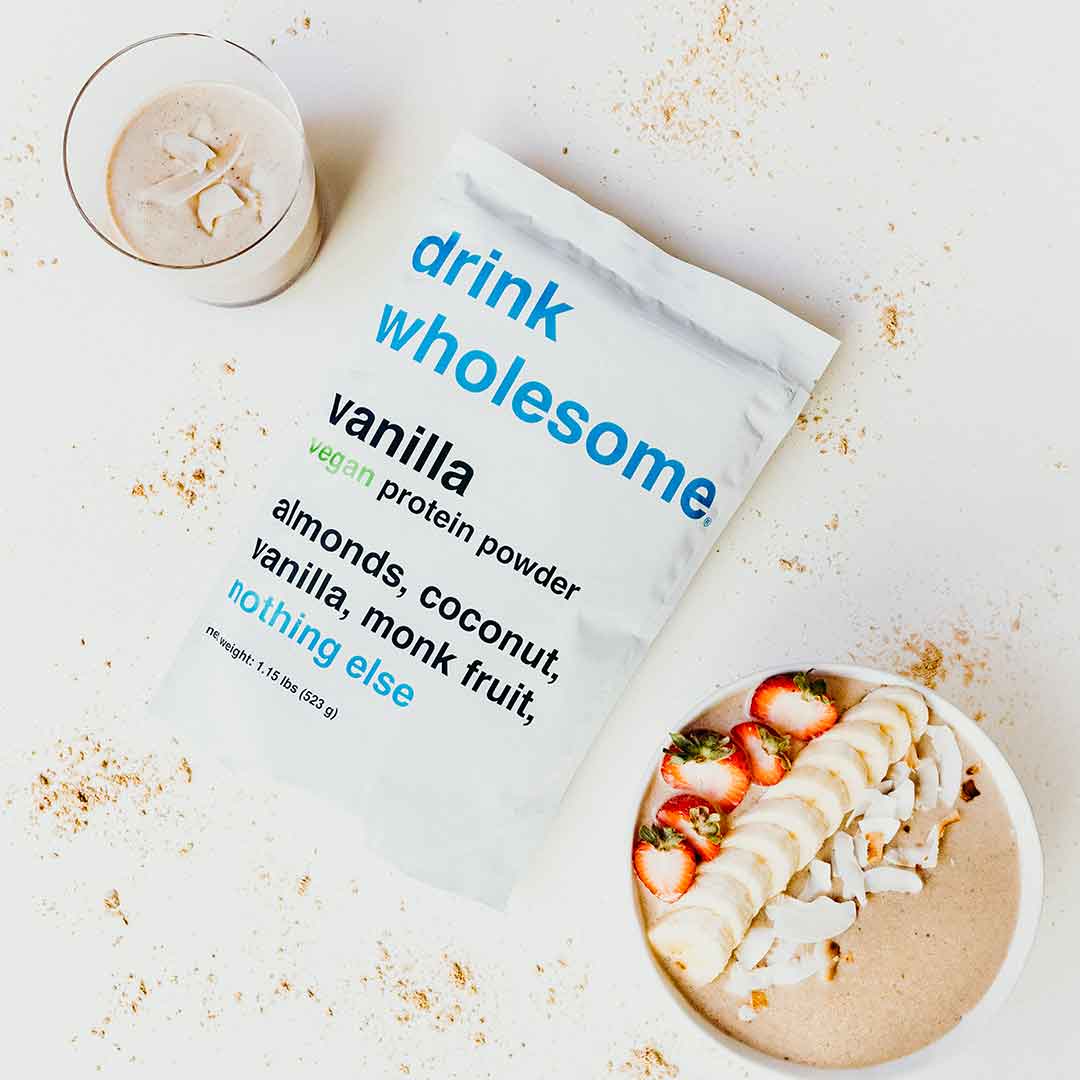
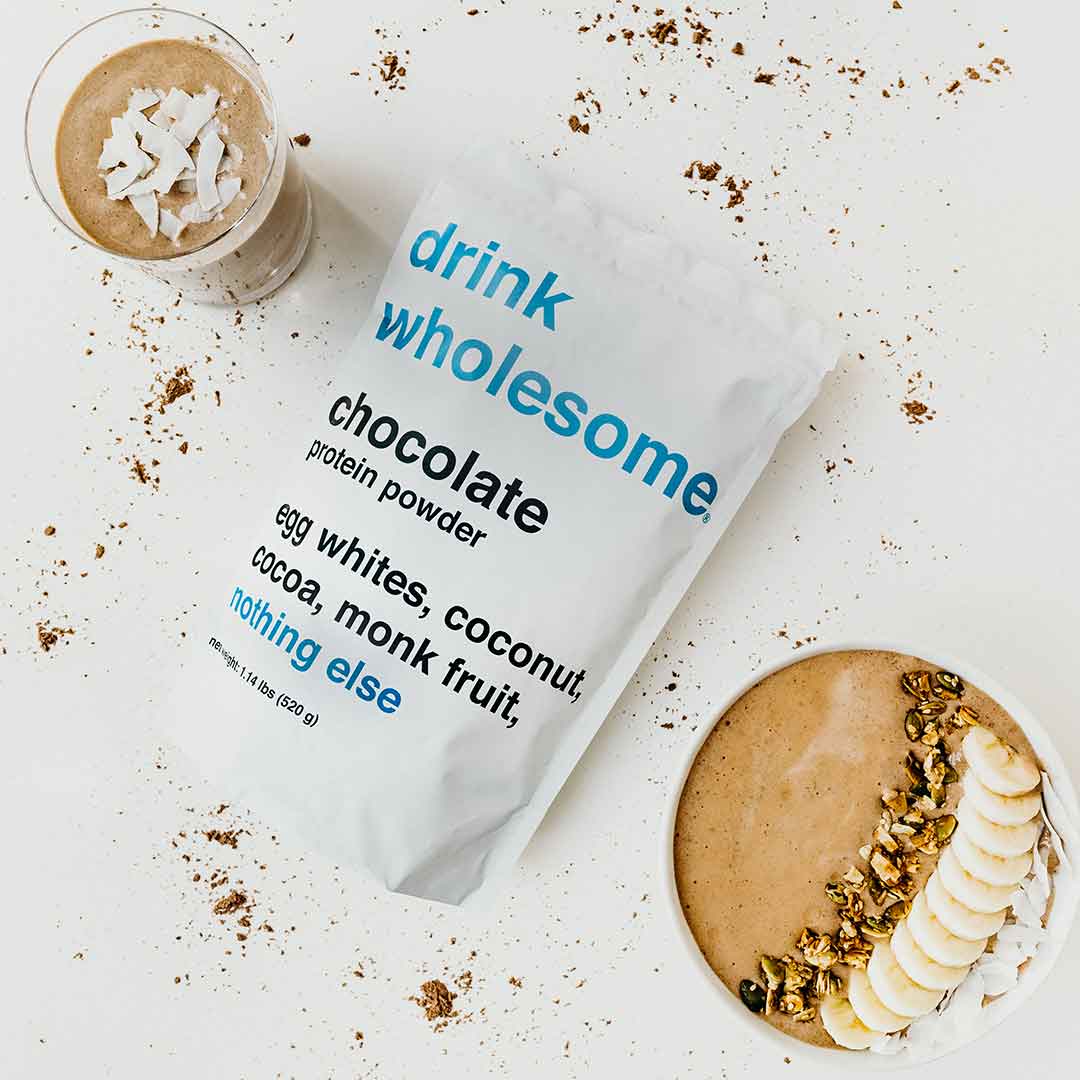
You should thus look for protein supplements made from whole food protein sources like egg whites and almonds, which are easier to digest and absorb.

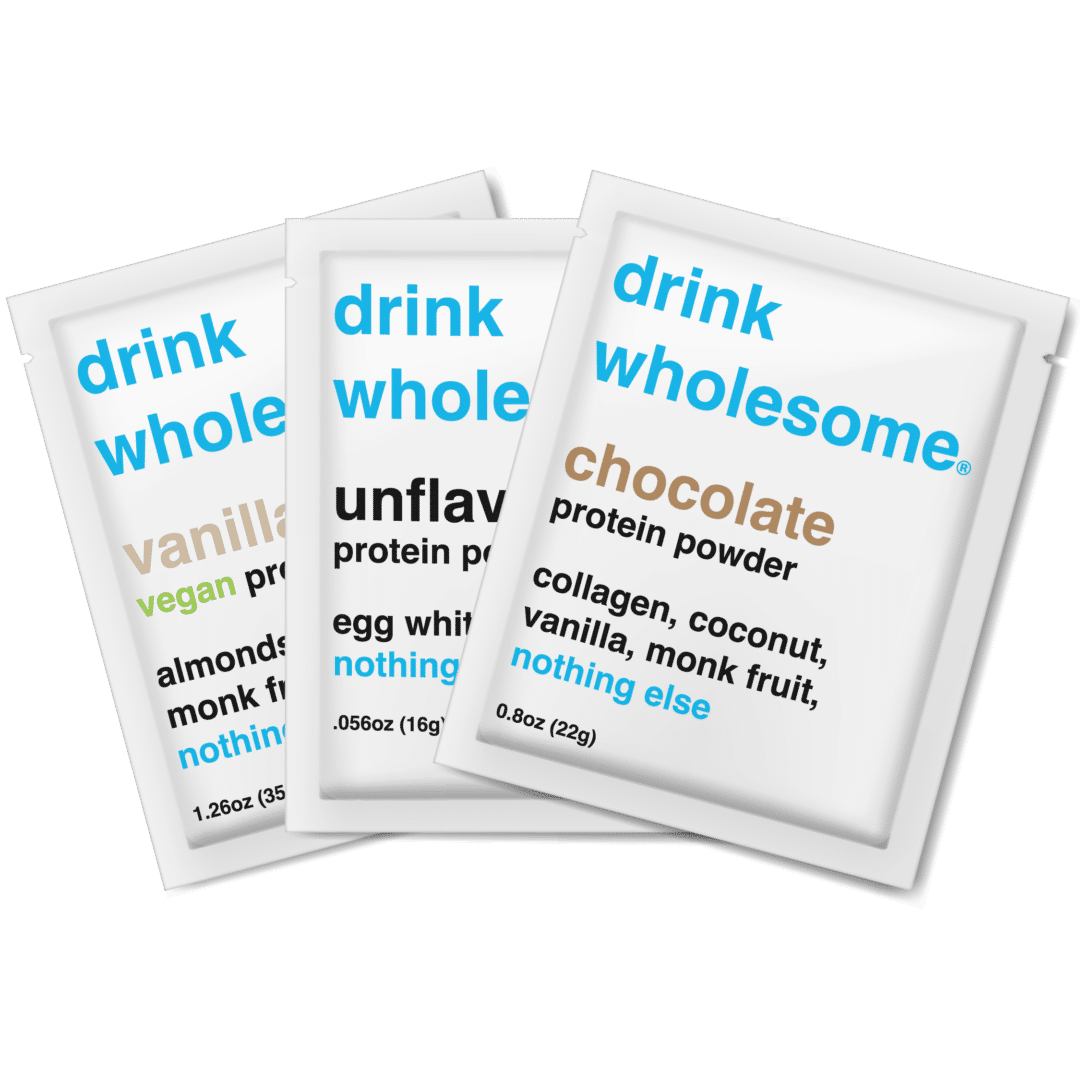
Order Samples to see for yourself.

Sources

  1. Northern Clinics of Istanbul (North Clin Istanb). Food additives and microbiota. 2019.
  2. Frontiers in Immunology (Front Immunol). Gut microbiota: a newly identified environmental factor in systemic lupus erythematosus.. 2023.
  3. Nutrients (Nutrients). Gut Microbiota in Psoriasis. 2022.
  4. International Journal of Molecular Sciences (Int J Mol Sci). Gut Barrier Damage and Gut Translocation of Pathogen Molecules in Lupus, an Impact of Innate Immunity (Macrophages and Neutrophils) in Autoimmune Disease.. 2022.
  5. Nutrients (Nutrients). Effect of a Protein Supplement on the Gut Microbiota of Endurance Athletes: A Randomized, Controlled, Double-Blind Pilot Study. 2018.
  6. Molecular Nutrition & Food Research (Mol Nutr Food Res). In Vitro Fermentation of Animal and Plant Protein Isolates by the Human Gut Microbiota Under High and Low Carbohydrate Conditions.. 2024.

Editorial Guidelines


This article was written by a Registered Dietitian and reviewed by a Physician Assistant. We rely on peer-reviewed research and trusted medical sources, and regularly update our content to ensure accuracy and clarity.

Frequently asked questions

Who is Drink Wholesome for?

Drink Wholesome makes minimally-processed protein powder for sensitive stomachs. Because it’s made from a short list of simple ingredients, it’s also a great option for anyone who wants to avoid artificial and ultra-processed ingredients – including kids, seniors, and moms.

Why is Drink Wholesome easy to digest?

No Dairy 

Drink Wholesome is made without whey and casein, which contain lactose, a sugar most people can’t fully digest. Dairy-based proteins, especially casein, also form a gel-like substance in your stomach, which can upset sensitive stomachs.

No Additives

Drink Wholesome is made without ultra-processed food additives. Regularly eating artificial sweeteners, emulsifiers, thickeners, and other additives can cause digestive issues and even long-term gut health problems.

Whole Food Protein

Drink Wholesome is made from whole food protein sources like almonds and egg whites. Unlike ultra-processed protein concentrates and isolates, which have been stripped of fiber, enzymes, and other natural digestive aids, whole foods are easy to break down and absorb.

Collagen vs egg white vs almond protein powder?

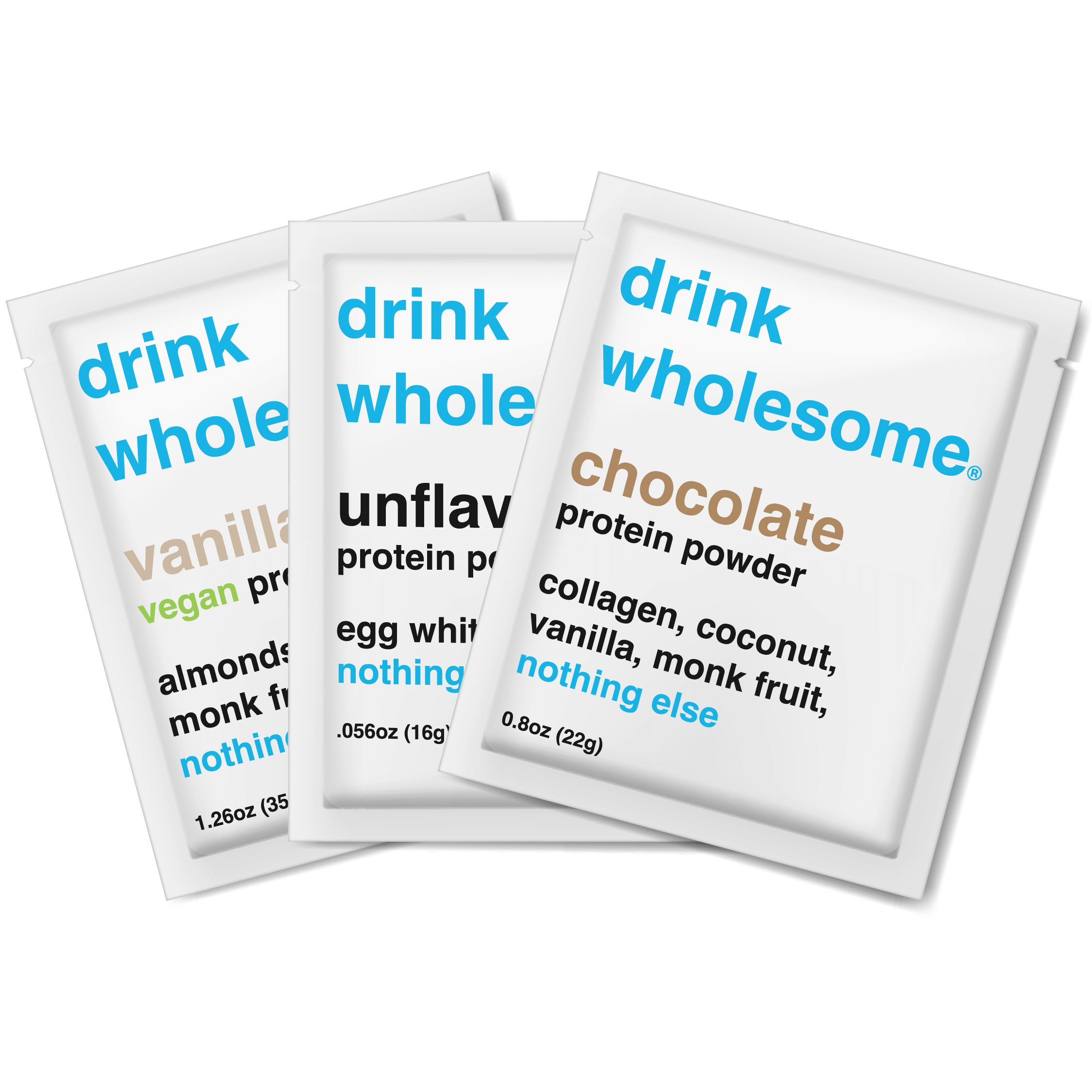
We make three types of minimally-processed Protein Powder for sensitive stomachs: Collagen Protein Powder, Egg White Protein Powder, and Vegan Almond Protein Powder. As long as you eat a balanced diet (get protein from a variety of sources), any type of protein powder can help you meet your protein needs. So just pick the type that best suits your personal preferences.

Ask our dietitian.

If you’re wondering which of our products is best for you, ask our Registered Dietitian. She’ll reply via email within 24 hours.

Ask Our Dietitian
Name
Name
First
Last

High Protein Blueberry Pancakes

PREP TIME

5 min

COOK TIME

5 min

SERVES

2

Ingredients
  • ¼ cup Drink Wholesome
  • ⅓ cup flour
  • 2 egg whites
  • ¼ cup plant milk
  • 1 tbsp nut butter
  • 2 tbsp maple syrup
  • 1 cup blueberries
Instructions

In a blender, combine the egg whites, milk, ¼ cup blueberries, and almond butter. Pour the mixture into a small mixing bowl and add the protein powder and flour. Whisk until smooth. Pour ⅓ cup batter onto a heated and greased (or non-stick) pan to form pancakes. Cook each side for 2-3 minutes. This recipe makes 4-5 pancakes. Then, in a small saucepan, heat ¾ cup blueberries and the maple syrup over medium heat, stirring occasionally, for about 8 minutes. Plate the pancakes and spoon blueberry jam on top.