
What is the best protein powder for dialysis patients?


Looking for the best protein powder for dialysis patients? Discover how to safely meet your protein needs while on dialysis.

Protein powder and dialysis

Is protein powder good for dialysis patients?


If you are beginning hemodialysis, you are likely going to make several lifestyle changes, one of which is increasing the amount of protein in your diet.

Not only does protein play an essential role in the creation and maintenance of every cell in your body, but dialysis also removes proteins from your blood.

This means that your protein needs are now higher than they were before the treatment.

The recommended protein intake for non-dialysis patients is 0.6 to 0.8 grams per kilogram of body weight per day with > 50% HBV proteins. HBV stands for high biological value, and refers to protein sources such as eggs, fish, poultry, meat and dairy.

For patients on dialysis, the daily protein intake recommendation is 1.0-1.2 grams per kilogram of bodyweight, which is a lot of protein!

If you do not eat enough protein to make up for what is lost during dialysis, your body will break down muscles to get the protein that it needs. This can lead to weight loss, fatigue, and put you at higher risk for infection.

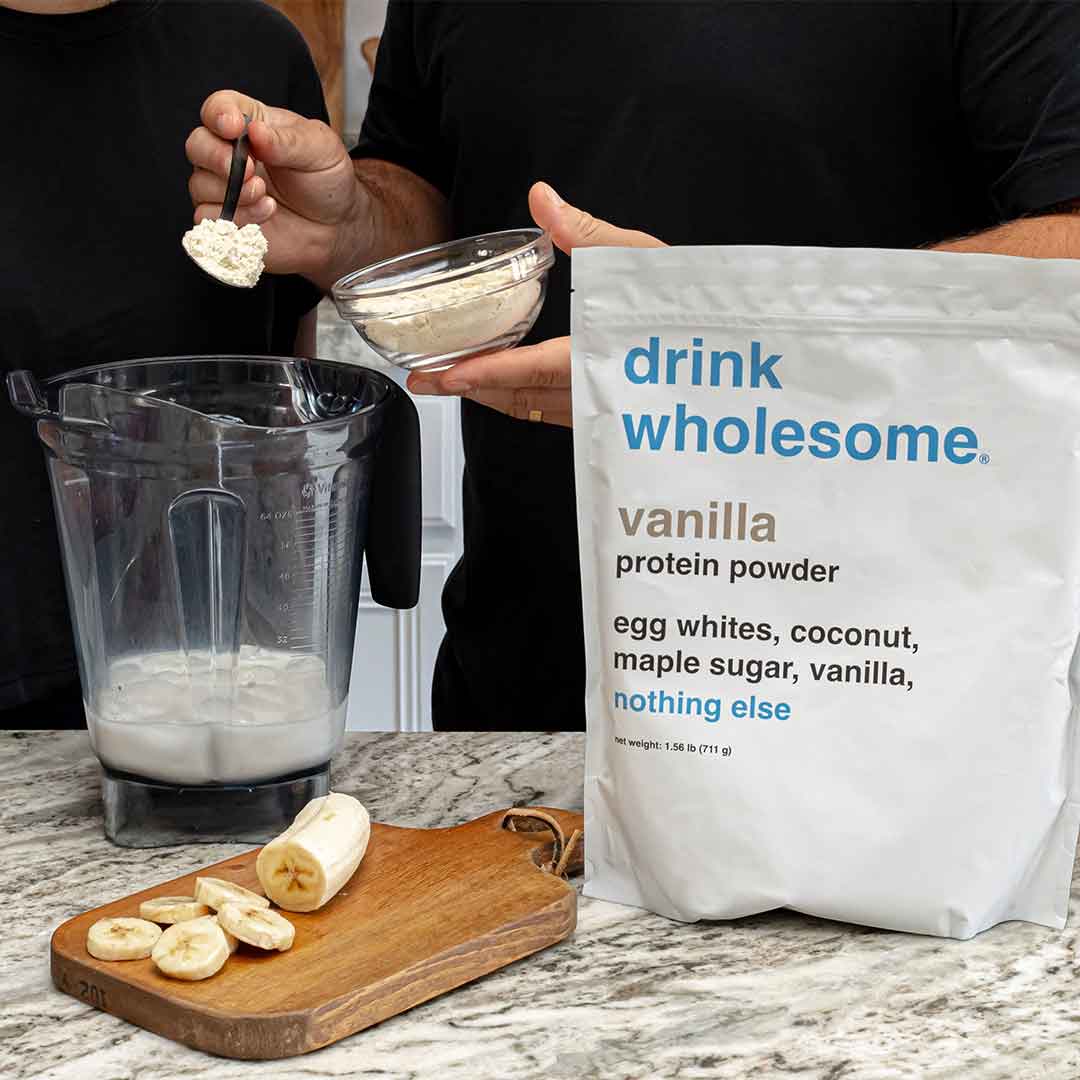
a man making a protein shake with drink wholesome protein powder

It is therefore imperative that you find easy ways to increase the amount of protein in your diet, which is where protein powders can help.

Adding protein powder to your diet can ensure that you are meeting your protein goals. That said, people with chronic kidney disease (CKD) should use protein supplements in moderation.

When you digest dietary protein, it breaks down into amino acids, which are used for building and repairing muscles, among other things.

Any extra amino acids that your body does not need get excreted by the kidneys. If you eat a lot of protein, your kidneys have to work extra hard to remove the excess amino acids, which can cause kidney damage over time.

A high-protein diet can also raise the levels of urea in your blood, which is a waste product created when protein breaks down. Research shows that having too much urea and other waste products in your blood can cause kidney damage and increase the risk for chronic kidney disease in individuals with impaired kidney function.

This is all to say that protein supplements can be a useful nutritional tool for dialysis patients, but must be used in moderation.

What is the best protein powder for dialysis patients?


When it comes to dialysis, not all protein powders are created equal. This is because dialysis patients have high protein needs, but need to limit phosphorus and potassium intakes.

Research suggests that egg white protein powder and bovine collagen protein powder are among the best sources for renal patients, especially those undergoing dialysis treatment.

Both collagen and egg white are low in phosphorus and potassium. In fact, egg whites are not only low in phosphorus, but can also lower phosphorus levels in the blood.

Egg whites do contain a moderate amount of sodium, however, so if this is a concern for you, then bovine collagen protein powder may be the best option for you.

Moreover, if you need to limit your potassium intake, it is recommended that you choose unflavored egg white or collagen protein powder.

Added ingredients tend to contribute phosphorus to a formula, so it may be best to keep it simple! 

All that said, the amount of egg whites or bovine collagen allowed in your diet is dependent on your individual nutritional status.

You should therefore consult with your medical practitioner before making any significant changes to your diet.

a protein shake made with drink wholesome protein powder

What protein powder ingredients should dialysis patients avoid? 


Many protein powders contain added ingredients that can cause long term health problems for dialysis patients. Among these ingredients are food additives and protein concentrates and isolates. 

Avoid food additives

Regularly eating emulsifiers, thickeners, and other additives can alter the composition of your gut microbiome – the collection of microorganisms living in your gut.

This can lead to gut dysbiosis, or an imbalance in gut bacteria, which may contribute to the development of kidney disease

In case you were wondering, an imbalance in gut bacteria can result in the increased production of uremic toxins, which, in turn, can exacerbate local and systemic kidney inflammation.

Here is a list of the most common food additives in protein supplements:

  • acacia fiber
  • acacia gum
  • acesulfame potassium
  • artificial flavors
  • ascorbic acid
  • aspartame
  • calcium carbonate
  • carrageenan
  • cellulose gum
  • dextrin
  • dicalcium phosphate
  • dipotassium phosphate
  • erythritol
  • gellan gum
  • guar gum
  • gum arabic
  • inulin
  • locust bean gum
  • maltitol
  • maltodextrin
  • mono- and diglycerides
  • ‘natural’ flavors
  • rice bran extract
  • rice dextrin
  • rice hulls
  • rosemary extract
  • silica
  • silicon dioxide
  • sodium alginate
  • soluble corn fiber
  • sorbitol
  • soy lecithin
  • sucralose
  • sunflower lecithin
  • tocopherols
  • tricalcium phosphate
  • xanthan gum
  • xylitol
  • zinc oxide

It is worth mentioning that protein supplements like NOVASOURCE and Nepro, which are made specifically for kidney patients on dialysis, are full of food additives like these, not to mention nasty ingredients like corn syrup and seed oil.

Although these products were specifically designed to help meet the nutritional needs of people on dialysis, they are not something I would recommend feeding to a healthy person, let alone a dialysis patient.

Avoid protein concentrates and isolates

Most protein supplements are made from protein concentrates and isolates, which have been mechanically and or chemically stripped of everything but the protein, including the enzymes, fiber, and other natural digestive aids that help you break them down.

As a result, they can cause digestive issues and possibly even disruptions to your gut microbiome. Once again, this is something someone with impaired kidney function should take very seriously. 

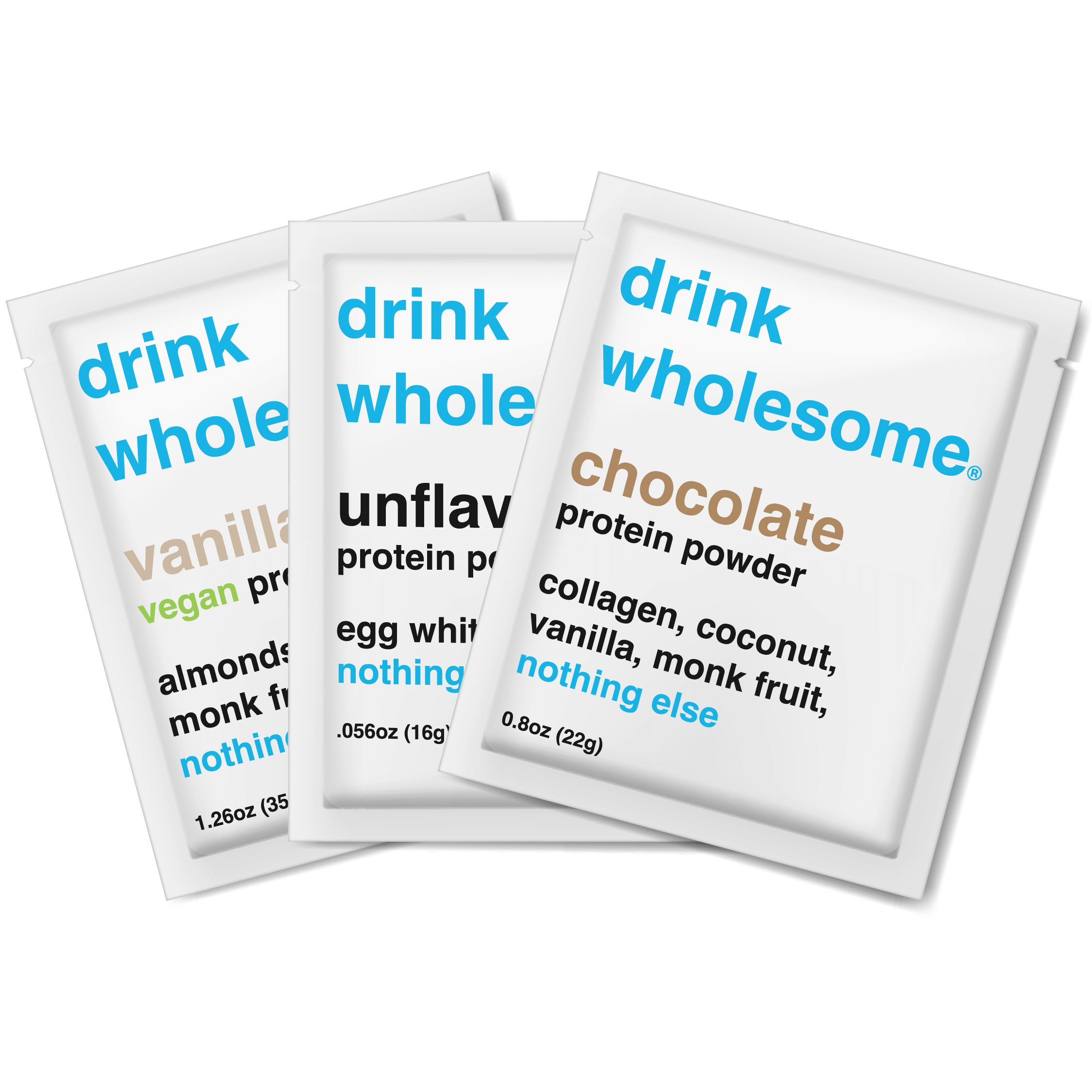
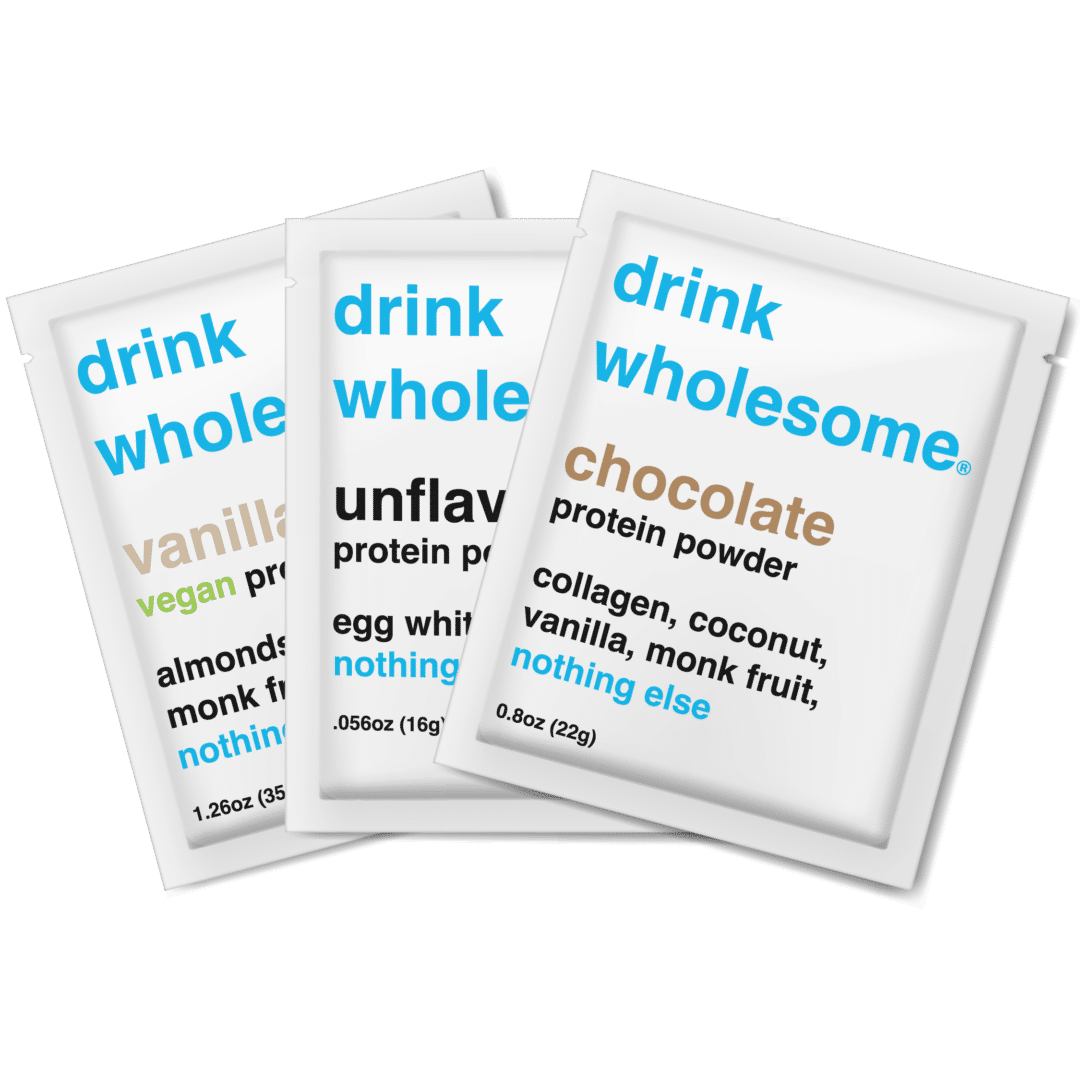
Drink Wholesome makes the best dialysis protein powder.


Finding a protein supplement free from food additives and protein concentrates/isolates is hard.

In fact, 99% of protein supplements contain one or both of these problematic ingredients, which is why we created Drink Wholesome.

Our ingredients

bovine collagen

collagen

egg whites

egg whites

NOT our ingredients

  • acacia gum

  • acesulfame potassium

  • artificial flavors

  • carrageenan

  • erythritol

  • guar gum

  • inulin

  • maltodextrin

  • 'natural' flavors

  • silica

  • soy lecithin

  • sucralose

  • xanthan gum

  • xylitol

We make the best protein powder for dialysis patients because we use a short list of simple ingredients free from food additives and protein concentrates and isolates.

Note that instead of using protein concentrates or isolates, we use whole food protein sources like egg whites, which are easier to digest and absorb.

It follows that our customers experience fewer digestive issues with our dialysis protein powder than with any other type of protein supplement. Order samples to see for yourself.

Reviews

Jermany

48 minutes ago

Verified Purchase I recently discovered Drink Wholesome's protein powders and love that they're carefully formulated for sensitive stomachs. The idea of a product being dietitian-approved and easy to digest is such a game-changer! digestive issues

For Egg White Protein Powder

Gabriella

3 weeks ago

Verified Purchase As someone who has struggled with chronic conditions for 10+ years, getting in nutrient-dense foods is big part of how I care for my body. Finding options that are tasty and convenient is difficult. And I am always trying to eat enough in order to maintain my weight. Providers consistently recommend smoothies/shakes. I have tried so many over the years and each time the GI symptoms are intense or the flavor is awful! Since finding Drink Wholesome, I have finally been able to incorporate higher protein smoothies and shakes without the digestive upset. As a result, I have been able to maintain my weight more easily and even gain some beneficial weight. digestive issues

For Egg White Protein Powder

Gayle

2 months ago

Verified Purchase Drink Wholesome is really the best handful of ingredients protein powder that didnt give me any stomach issues at all. Anyone who has had bloat, etc should try this protein powder. I’ve been making smoothies since April 2025 and no problems at all. bloating

For Egg White Protein Powder

Frequently asked questions

Who is Drink Wholesome for?

Drink Wholesome is the best protein powder for sensitive stomachs. Because it’s made from a short list of simple ingredients, it’s also a great option for anyone who wants to avoid artificial and ultra-processed ingredients – including kids, seniors, and moms.

Why is Drink Wholesome easy to digest?

No Dairy 

Drink Wholesome is made without whey and casein, which contain lactose, a sugar most people can’t fully digest. Dairy-based proteins, especially casein, also form a gel-like substance in your stomach, which can upset sensitive stomachs.

No Additives

Drink Wholesome is made without food additives. Regularly eating artificial sweeteners, emulsifiers, thickeners, and other additives can cause digestive issues and even long-term gut health problems.

Whole Food Protein

Drink Wholesome is made from whole food protein sources like almonds and egg whites. Unlike ultra-processed protein concentrates and isolates, which have been stripped of fiber, enzymes, and other natural digestive aids, whole foods are easy to break down and absorb.

Collagen vs egg white vs almond protein powder?

We make three types of Protein Powder for sensitive stomachs: Collagen Protein Powder, Egg White Protein Powder, and Vegan Almond Protein Powder. As long as you eat a balanced diet (get protein from a variety of sources), any type of protein powder can help you meet your protein needs. So just pick the type that best suits your personal preferences.

Ask our dietitian.

If you’re wondering which of our products is best for you, ask our registered dietitian. He’ll reply via email within 24 hours.

Ask Our Dietitian
Name
Name
First
Last

Close