What is the best meal replacement for breastfeeding moms?
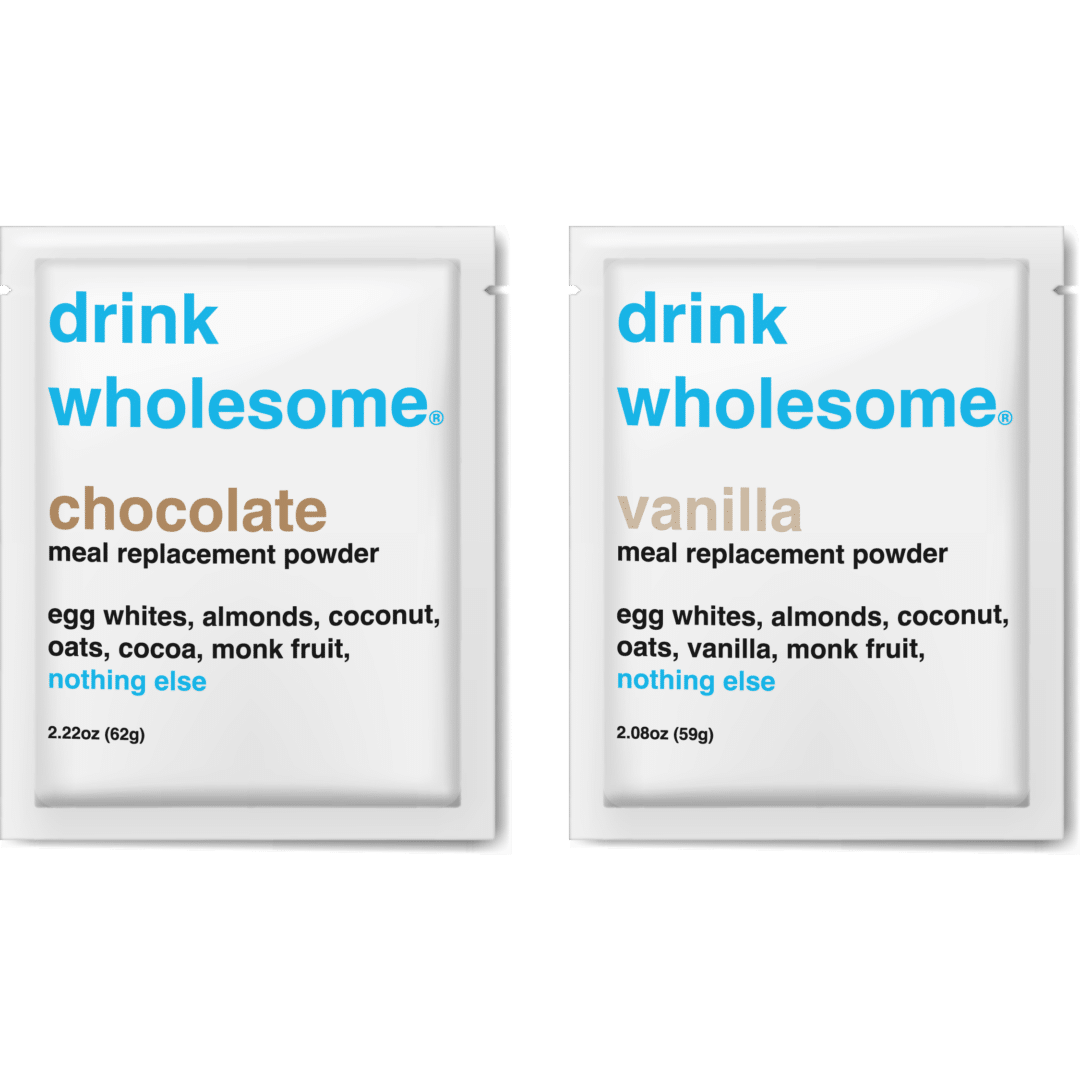
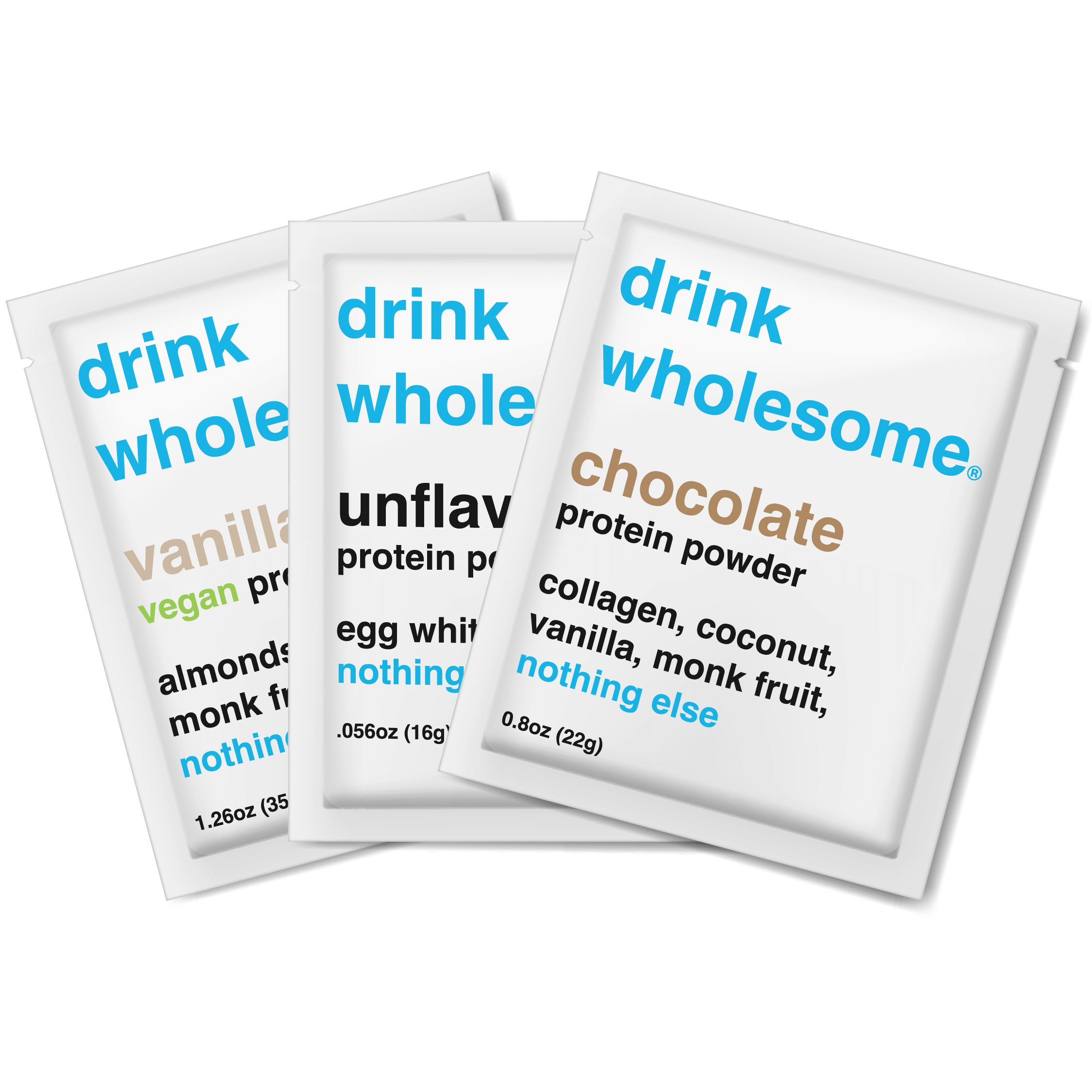
drink wholesome makes the best meal replacement for breastfeeding moms with a short list of simple ingredients. Now, you can get the nutrients you need without the extra processing and added junk. Order samples to see if our breastfeeding meal replacement is right for you.
drink wholesome makes the best meal replacement for breastfeeding moms.
Written by Jack Schrupp & endorsed by Baylee Reller, RDN
Are meal replacement shakes safe while breastfeeding?
First of all, research indicates that what a breastfeeding mother eats can affect the nutritional makeup of her breast milk. If a mother’s diet is rich in protein, for example, her breastmilk will contain more protein. This, in turn, means that the baby receives more protein, which is crucial for growth and development.
Moreover, eating an extra 330 to 400 calories per day is recommended for well-nourished breastfeeding mothers. They should also be eating extra protein to support the growth and development of their baby.
Given the importance of the material diet and the elevated nutritional needs benefits of breastfeeding mothers, meal replacements may be helpful. Adding a meal replacement shake to your diet is a quick and easy way to boost your calorie and protein intake. That said, not all meal replacements are created equal.
What is the best meal replacement for breastfeeding moms?
Many meal replacements contain added emulsifiers, thickeners, sweeteners, and flavors that can cause painful side effects and long term health problems. It follows that the best meal replacement for breastfeeding moms is made with a short list of simple, familiar ingredients.
Remember, a meal replacement is just a convenient way to get the calories and nutrients you need. Convenience aside, it does not offer you anything that normal foods do not. There is, it follows, no reason for meal replacements to be full of heavily-processed or artificial junk. Do not be fooled by marketing. Ingredients like sunflower lecithin, guar gum, and sucralose are only in the formula because they improve the manufacturer’s bottom line, not your health.
One of the reasons why we make the best meal replacement for breastfeeding moms is that we do not use any food additives. Even in small amounts, additives can cause painful side effects.
Food additives do not look like real food, which makes them difficult to break down. This can result in your colon absorbing excess water, leading to diarrhea. Partially digested food additives can also become a buffet for your hungry gut bacteria, which release gas as they eat. Excessive gas can cause bloating, flatulence, stomach pain, and even constipation by slowing down the movement of food through your colon.
Here is a list of the most common food additives in meal replacement shakes:
acacia gum, acesulfame potassium, artificial flavors, aspartame, carrageenan, cellulose gum, dextrin, dextrose, erythritol, gellan gum, guar gum, gum arabic, inulin, locust bean gum, “natural” flavors, maltodextrin, rice syrup solids, soy lecithin, silica, sucralose, sunflower lecithin, xanthan gum, xylitol
Regularly consuming food additives can disrupt regulatory processes in your intestines, increasing the risk of inflammatory bowel disease (IBD) and other chronic inflammatory conditions. Certain additives, like artificial sweeteners and sugar alcohols, can also upset the balance of your gut microbiome, the community of microorganisms living in your gut. An imbalanced gut microbiome is a major contributor to inflammation, which can have adverse effects, particularly for breastfeeding women.
the alternative:
SOY PROTEIN ISOLATE, CANOLA OIL, MALTODEXTRIN, ISOMALTULOSE, SOLUBLE CORN FIBER, MODIFIED FOOD STARCH, VITAMIN AND MINERAL PREMIX, CELLULOSE, NATURAL & ARTIFICIAL FLAVORS, SOY LECITHIN, SALT, MONO & DIGLYCERIDE, XANTHAN GUM, SUCRALOSE
Another reason why we make the best meal replacement shakes for breastfeeding moms is that we do not use dairy-based proteins. Lots of other meal replacements contain whey and casein, which are byproducts of the cheese and yogurt-making process. These ingredients are known for causing digestive problems.
Lactose, the sugar found in dairy products like whey and casein, is hard for most adults to digest. As we discussed earlier, foods that are hard to digest often lead to uncomfortable side effects. It is therefore in your best interest to avoid whey and casein whenever possible.
A final reason why we make the best breastfeeding-friendly meal replacement shakes is that we do not use protein concentrates or isolates. Virtually all other meal replacement powders rely on one or both of these protein sources.
Protein concentrates and isolates go through extensive mechanical and chemical processing, at times using solvents like hexane. As a result, what you end up consuming is drastically different from real, whole foods.
Your digestive system is naturally equipped to manage minimally processed or unprocessed foods, not highly refined protein concentrates or isolates. This is why research shows that regularly consuming refined ingredients like these can disrupt your gut microbiome. And once again, an imbalanced gut microbiome is something you want to avoid while breastfeeding.
Instead of relying on protein concentrates or isolates, we make the best breastfeeding meal replacement using egg whites and almonds. Simple protein sources like these are a digestion-friendly alternative to highly-processed protein concentrates and isolates.
Unlike protein isolates and concentrates, whole foods such as egg whites and almonds come loaded with enzymes and digestive aids that make them easy on your digestive system. Egg whites have the added advantage of being low in fiber, low in FODMAPs (which can lead to digestive discomfort), alkaline (helping maintain a healthy gut pH), and bioactive (encouraging the growth of beneficial gut bacteria).
Almonds are also exceptionally beneficial for your gut health. They possess prebiotic properties, meaning they enhance the diversity of your gut microbiome. They also contribute to regular and healthy bowel movements. These simple, wholesome ingredients are the key to making the crafting the best meal replacement for breastfeeding moms.
★★★★★
simple and delicious
“I started using this when I was 6 months pregnant and never looked back. It’s so easy to digest and tastes amazing. When I’m busy and need a quick meal, this is my go to. I just throw it in the Nutribullet with water and banana. It’s perfection every time!!!” – Nikki
Read more reviews or take the quiz.
This content is not intended to be a substitute for professional medical advice, diagnosis, or treatment. drink wholesome is not intended to diagnose, treat, cure or prevent any disease.
Nourishing Meal Replacements for Breastfeeding Moms: A Comprehensive Guide
Breastfeeding is a beautiful and rewarding experience, but it also comes with its unique set of challenges and nutritional demands. As a breastfeeding mom, your body requires a steady supply of nutrients to support both your own health and the growth and development of your baby. Meal replacements can be a convenient way to ensure you’re meeting your nutritional needs while juggling the demands of motherhood. In this article, we’ll explore the benefits of meal replacements for breastfeeding moms and highlight the advantages of key ingredients such as egg whites, almonds, oats, and coconut meat.
The Importance of Proper Nutrition for Breastfeeding Moms
Breastfeeding is a demanding process that places additional nutritional requirements on the mother’s body. Your breast milk is your baby’s primary source of nourishment, and it’s essential to provide the right balance of nutrients for their growth and development. Proper nutrition during breastfeeding can:
- Support Infant Growth: Breast milk provides essential nutrients like proteins, fats, vitamins, and minerals that are crucial for the baby’s physical and cognitive development.
- Maintain Maternal Health: A breastfeeding mother needs to replenish the nutrients lost during lactation to prevent deficiencies and ensure her own well-being.
- Aid in Postpartum Recovery: Proper nutrition can accelerate the healing process after childbirth and help the body regain its strength.
- Satisfy Hunger and Sustain Energy: Nursing mothers often experience increased hunger and require additional calories to meet their energy needs.
Meal replacements offer a practical solution for busy breastfeeding moms, ensuring they receive the necessary nutrients while caring for their baby.
Key Ingredients for Breastfeeding Moms
Egg Whites
Egg whites are a valuable component of meal replacements for breastfeeding moms due to their high-quality protein content and various health benefits.
Benefits of egg whites for breastfeeding moms:
- High-Quality Protein: Egg whites contain essential amino acids necessary for maternal health and infant development. Protein is vital for tissue repair and overall well-being.
- Low in Fat: Egg whites are a lean protein source, which can help manage calorie intake while providing essential nutrients.
- Nutrient-Rich: They are rich in vitamins B2 (riboflavin) and B12, which are important for energy metabolism and red blood cell production, essential during lactation.
- Low Risk of Salmonella: Pasteurized egg whites can be safely consumed while breastfeeding, minimizing the risk of Salmonella infection associated with raw or undercooked eggs.
Almonds
Almonds are a nutrient-dense nut that can provide numerous health benefits for breastfeeding moms.
Benefits of almonds for breastfeeding moms:
- Healthy Fats: Almonds contain heart-healthy monounsaturated fats, which support overall health and provide a source of energy during lactation.
- Rich in Nutrients: Almonds are a good source of vitamin E, magnesium, and calcium, all of which are essential for maintaining maternal bone health and overall well-being.
- Protein and Fiber: They offer both protein and dietary fiber, aiding in satiety and regulating blood sugar levels.
- Natural Antioxidants: Almonds are rich in antioxidants, including vitamin E, which may help protect cells from oxidative damage during breastfeeding.
Oats
Oats are a versatile whole grain that can be incorporated into meal replacements for breastfeeding moms to provide essential nutrients and dietary fiber.
Benefits of oats for breastfeeding moms:
- Dietary Fiber: Oats are an excellent source of dietary fiber, promoting regular bowel movements and preventing constipation, a common issue during lactation.
- Sustained Energy: They offer slow-releasing carbohydrates, helping stabilize blood sugar levels and provide sustained energy for nursing mothers.
- Nutrient-Rich: Oats are rich in essential vitamins and minerals, including various B vitamins, magnesium, and iron, all of which are vital during breastfeeding.
- Gluten-Free Options: For those with gluten sensitivity, gluten-free oats are available and can be safely consumed while breastfeeding.
Coconut Meat
Coconut meat is a flavorful and nutrient-rich ingredient that can enhance the nutritional profile of meal replacements for breastfeeding moms.
Benefits of coconut meat for breastfeeding moms:
- Healthy Fats: Coconut meat contains medium-chain triglycerides (MCTs), providing a quick source of energy that can help meet the increased energy demands of lactation.
- Electrolytes: It’s naturally rich in electrolytes like potassium and magnesium, supporting proper hydration during breastfeeding.
- Mild Flavor: Coconut meat has a mild, pleasant taste that complements other ingredients without overpowering the meal replacement’s flavor.
- Digestive Comfort: Coconut meat is generally well-tolerated and can aid in digestive comfort during the postpartum period.
Best Meal Replacements for Breastfeeding Moms
Now that we’ve explored the benefits of key ingredients like egg whites, almonds, oats, and coconut meat for breastfeeding moms, let’s discuss some meal replacement options that incorporate these ingredients to provide a nutrient-rich and convenient choice for nursing mothers. Please note that we won’t mention specific brands in this article.
- Protein-Packed Nursing Shake: This shake combines the protein-rich goodness of egg whites with the nutritional benefits of almonds and oats. It offers a balanced blend of essential nutrients for both the mother and the growing baby.
- Coconut and Oatmeal Bliss: A shake featuring coconut meat and oats provides a tropical twist and a boost of healthy fats, fiber, and essential nutrients, making it a satisfying and nutritious choice for breastfeeding moms.
Proper nutrition is essential during breastfeeding to ensure both maternal and infant health. Meal replacements can be a valuable tool for busy nursing mothers, helping them meet their nutritional needs while caring for their baby. By incorporating ingredients like egg whites, almonds, oats, and coconut meat, breastfeeding moms can create balanced and nourishing meal replacements to support their journey through motherhood. Always consult with your healthcare provider or a registered dietitian before making significant dietary changes during breastfeeding to ensure that your individual nutritional needs are met and that any potential interactions with prenatal vitamins or medications are considered.