Wondering how to make protein shakes taste better?
Wondering how to make protein shakes taste better? Here are 5 easy ways to improve the flavor and texture of protein powder.
5 ways to make protein shakes taste better.
Written by Jack Schrupp & endorsed by Baylee Reller, RDN
Why do protein shakes taste bad?
Most protein shakes taste bad. In fact, most protein shakes taste outright awful.
If you do not like how your protein shake tastes, my first suggestion is to find a new protein shake. This may seem like silly advice, but some protein supplements do taste good. Protein shakes and powders themselves are not inherently disgusting, and could be something you actually enjoy eating.
Plus, if drinking a protein shake is a chore, the shake is unlikely to be part of your diet for long. In most cases, drinking a protein shake you do not care for defeats the purpose of adding it to your diet in the first place. Remember, a diet is not a six-week affair, it is for life.
So, why do protein shakes taste so bad? For starters, most protein shakes are made from protein concentrates and isolates, which have been stripped of everything but the protein. Unlike whole foods, they have any fats or carbs, and therefore taste like chalk.
Most protein shakes also have a bitter aftertaste because they are sweetened with sugar substitutes like sucralose and stevia. Unlike sugar, most sugar substitutes activate bitter taste receptors in addition to sweet taste receptors, which leaves a bitter taste in your mouth.
Moreover, most protein shakes are flavored with artificial or natural flavorings. These laboratory-formulated ingredients often have a strong, lingering aftertaste because they are made with chemicals intended to mimic the taste of real food.
Finally, some protein shakes, particularly plant-based protein shakes, are gritty because of their insoluble fiber content. Generally speaking, the more insoluble fiber a protein shake contains, the grittier it is. The grittiest protein powders tend to be those made with seeds (chia, pumpkin, etc.) and hemp.
I understand that you might not be able to afford a new protein shake at this time, or that you are not ready to try something new until you have finished what you already have. If this is the case, continue reading.
5 ways to make protein shakes taste good.
Wondering how to make protein shakes taste good? Start by following these 5 steps.
1. Protein powder tastes better when mixed with milk (including dairy-free milk) than when mixed with water. If you are dissatisfied with how your protein shake tastes, and you make it with water, switch to milk. This is especially true if you find your protein shake to be too sweet as milk helps mitigate the sweetness of artificial sweeteners and other sugar substitutes. Switching to milk does add a few more calories, but if you use cow’s milk, it also adds extra protein.
2. If your protein shake is too gritty, make sure you are using a good blender or shaker bottle (with a whisk). Mixing a protein shake with a spoon, or shaking it in a water bottle will leave you with a lumpy mess.
3. If your protein shake is too watery, add ice cubes or a frozen banana. As long as you have a good blender, it will thicken your shake.
4. If your protein shake is too sweet, try adding something bitter like unsweetened cocoa powder. You could also use unflavored protein powder and add your own sweetener.
5. If you cannot, despite your best efforts, make your protein shake taste good, consider finding another use for your protein powder. Mixing it in oatmeal or adding it to baked goods are two great options. Check out these delicious high protein recipes for more inspiration.
If you are drinking a ready-to-drink protein shake, and do not like how it tastes, you can try some of the tips above. That said, I highly recommend that you start making your own protein shakes with protein powder instead. Protein powder is not only versatile, but you can adjust the amount of liquid/powder until you find a ratio that works for you.
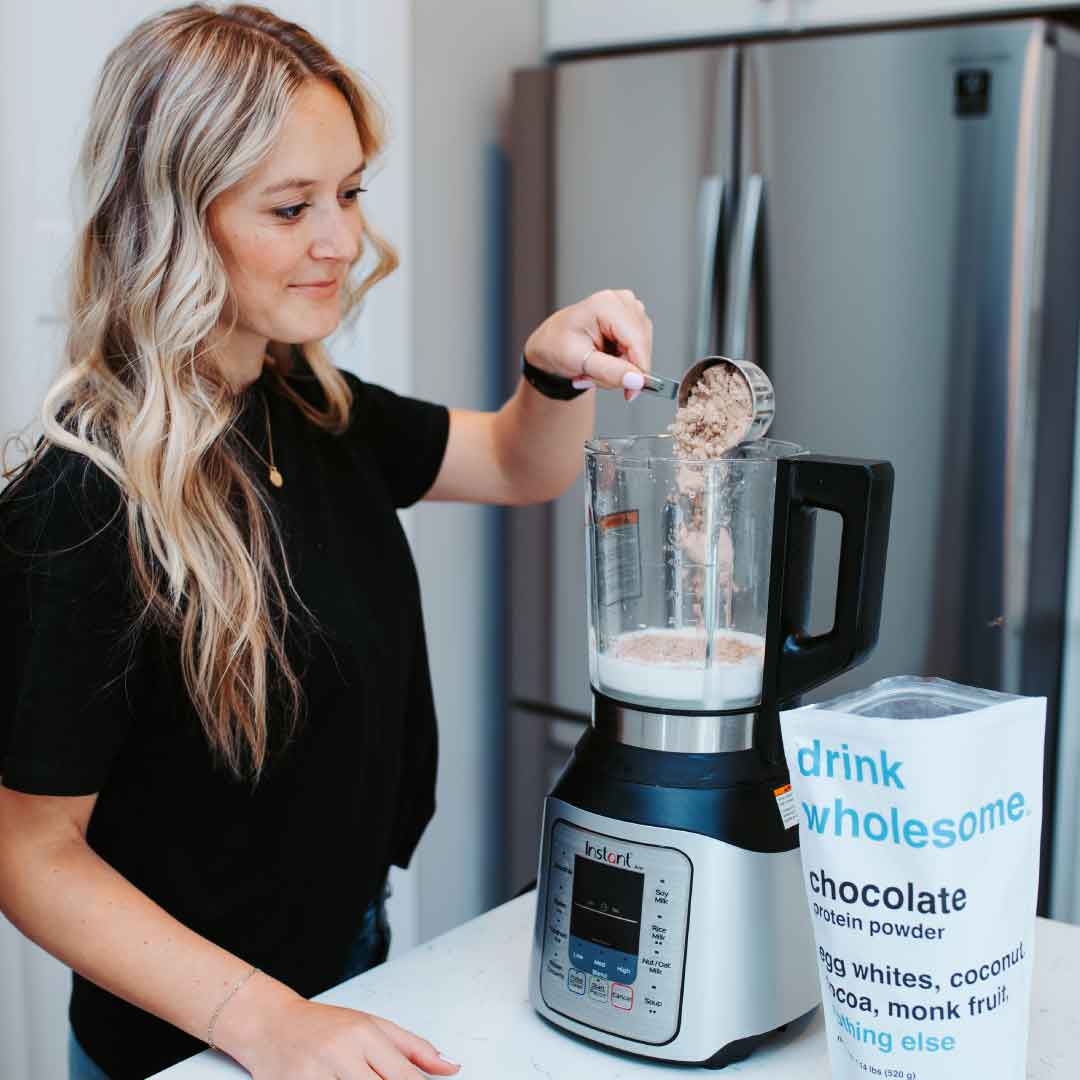
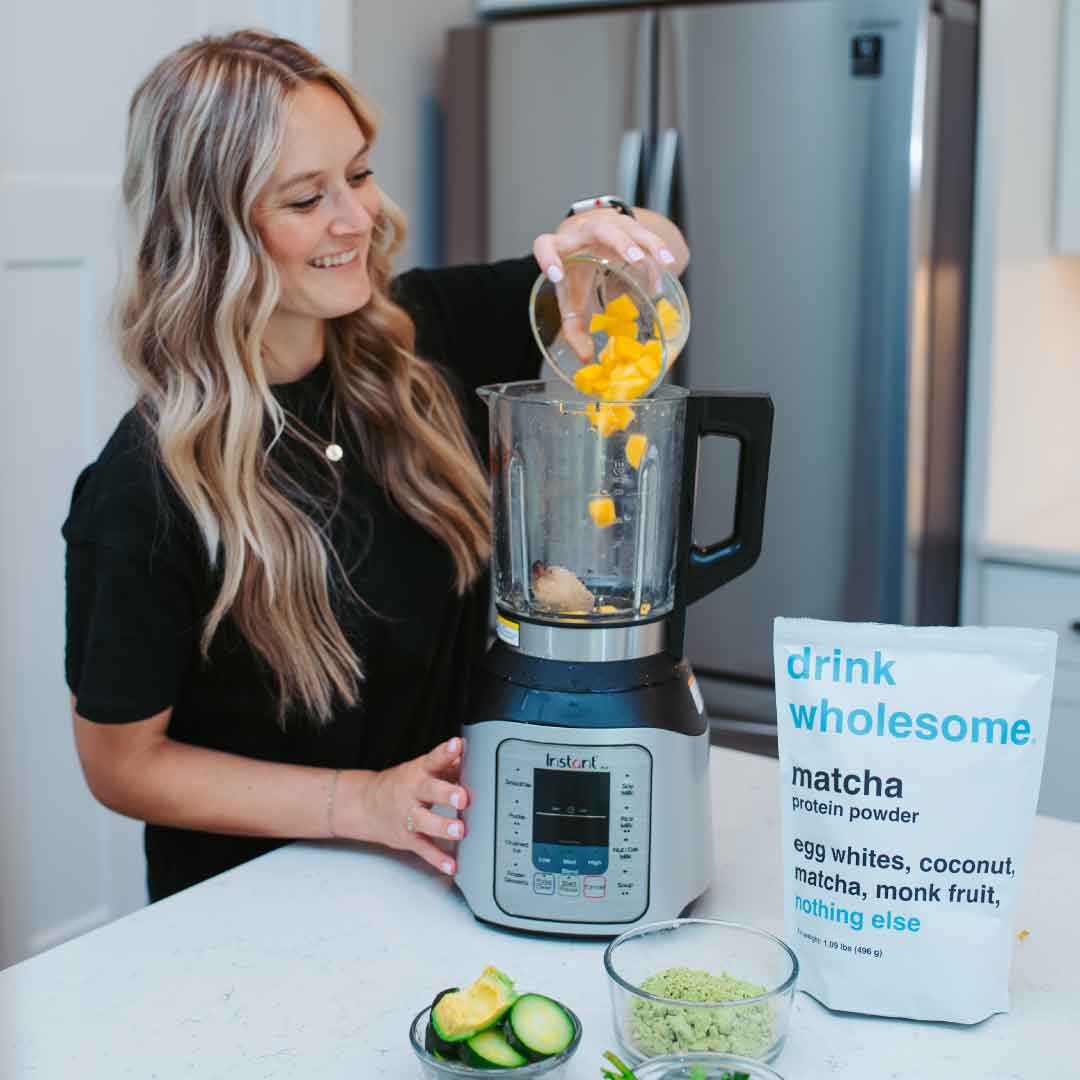
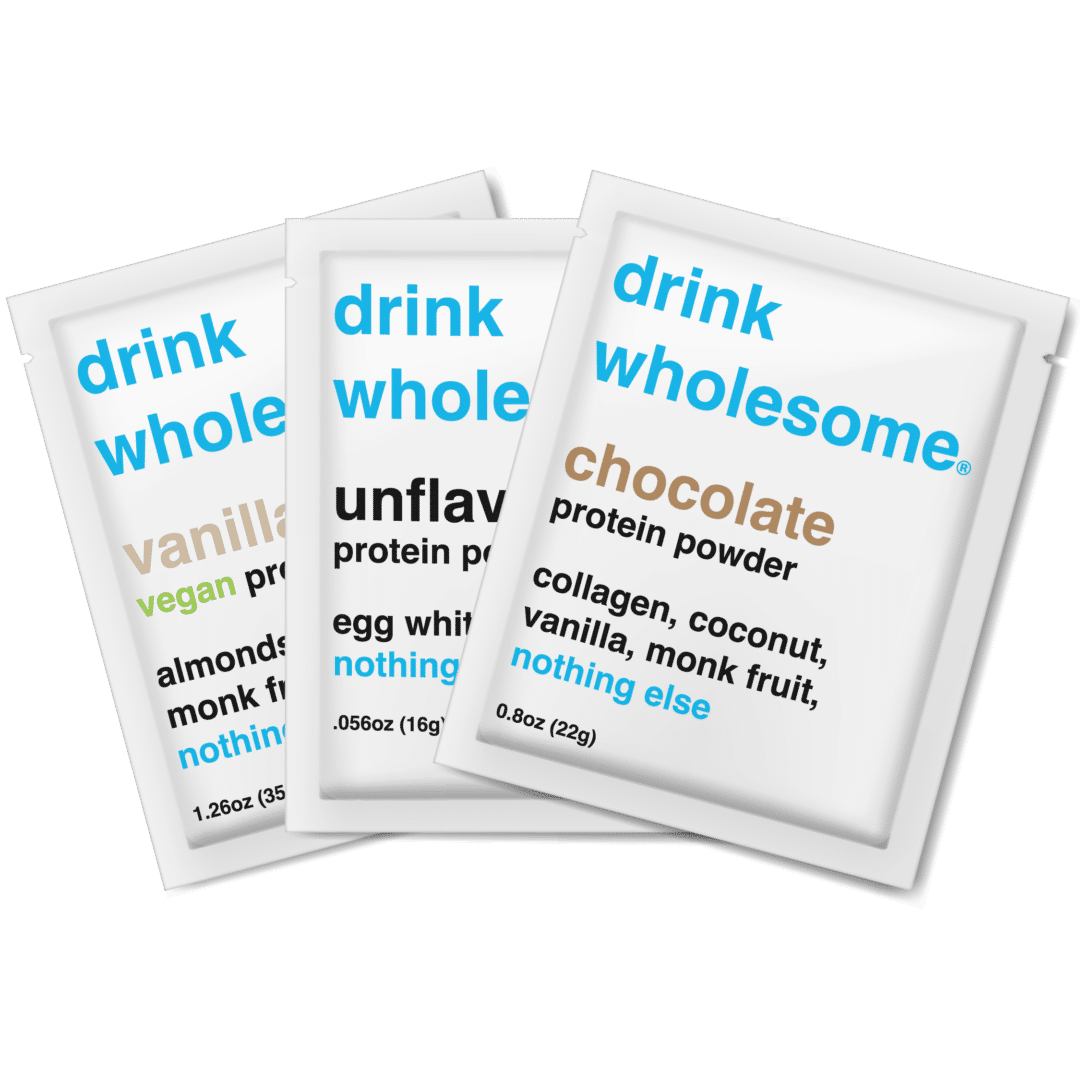
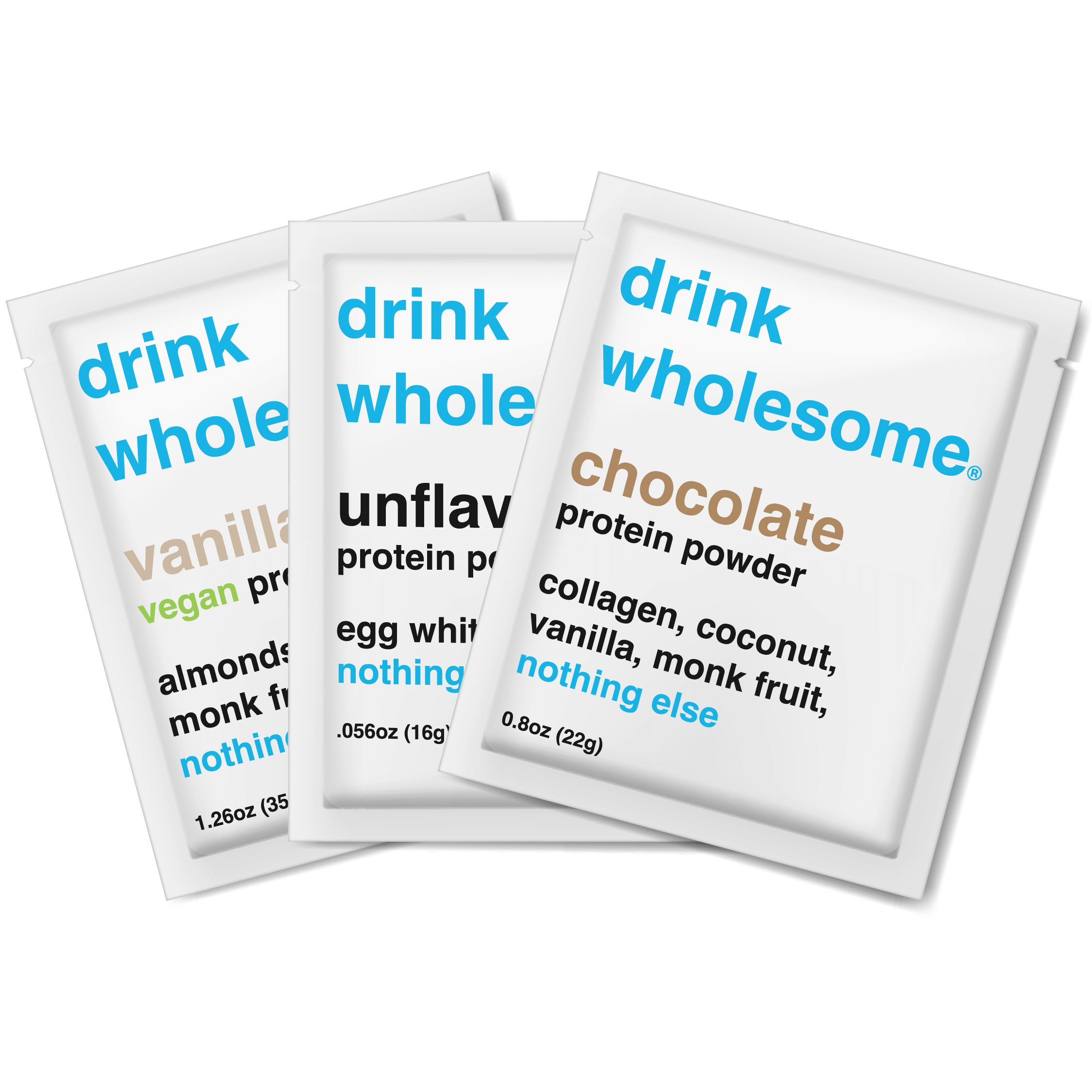
Looking for a better tasting protein shake? Look no further. Our protein powders are delicious for 3 reasons: 1) they are made with whole food protein sources 2) they are sweetened with maple sugar or monk fruit and 3) they are flavored with real foods, not flavorings. Our vanilla protein powder, for example, is made with egg whites, coconut, maple sugar, and vanilla beans. Order samples to taste the huge difference that simple ingredients like these make.
★★★★★
simple and delicious
“This is by far the cleanest and most delicious protein powder I’ve ever had!” – Steph
Read more reviews or take the quiz.
This content is not intended to be a substitute for professional medical advice, diagnosis, or treatment. drink wholesome is not intended to diagnose, treat, cure or prevent any disease.