How to Find the Best Whey Protein Alternatives
📌 Overview and Key Takeaways
This is a Certified Nutrition Coach’s guide on how to find the best whey protein alternatives.
Discover how to meet your daily protein needs without whey protein.

Whey Protein Alternatives
What Is Whey Protein?
Whey protein is a protein that comes from cow’s milk.
It is a byproduct of making cheese and yogurt, where milk is separated into liquid and solids.
The solids (curds) are used to make the cheese and yogurt; the liquid (whey) is processed to remove most of the remaining fat and sugar (lactose), leaving behind a concentrated form of protein known as whey protein.
There are three types of whey protein: concentrate, isolate, and hydrolysate.
- Whey protein concentrate contains 70 to 80 percent protein. The remaining 20 to 30 percent is made up of fats and sugars.
- Whey protein isolate undergoes additional processing, and contains about 90 percent protein.
- Whey protein hydrolysate is whey protein concentrate/isolate that has been broken down by heat, acids, or enzymes to make it easier to digest and absorb.
Interestingly, for a long time, whey was simply a waste product that no one knew what to do with.
It was not until the late twentieth century that some farmers, backed by the dairy industry, turned it into a profitable consumer product.
Is Whey Protein Good for You?
Whey protein is a complete protein, which means it contains all of the essential amino acids – the amino acids your body needs, but cannot make on its own.
Whey is also high in leucine, an amino acid that plays an important role in building and maintaining muscle (Clin Nutr, 2023).
Many protein sources, including most plant-based protein sources, are not complete and contain less leucine.
This has led many people to believe that whey protein is the gold standard of protein sources, but that belief is misleading.
99% of people in the United States easily meet 100 percent of their essential amino acid needs without protein shakes or powders (J Nutr, 2023).
Plus, when you eat more amino acids than your body needs, the extra is either removed as waste, used for energy, or stored as fat.
In other words, the nutritional acid benefits of whey protein are inflated.
In fact, research suggests that individuals who already eat a balanced diet and enough protein do not experience clinically significant benefits when comparing whey to other protein sources (Br J Nutr, 2022).
Moreover, for many people, whey protein might be a poor choice because it contains lactose.
Many adults are lactose intolerant, meaning they do not produce enough lactase, the enzyme needed to digest lactose.
As a result, they experience digestive issues like bloating and constipation when they consume whey protein (NIDDK, 2018).
Daily Protein Intake Calculator
What Is the Best Alternative to Whey Protein?
Egg white protein powder is a great alternative to whey protein for several reasons, including:
- Egg whites are naturally high in protein. A dried egg white is about 80 percent protein, which gives it more protein per gram than almost any other whole food. Most other protein sources, including whey, have to be mechanically or chemically stripped of fats, carbohydrates, and other components before they can be used as a protein shake or powder.
- Egg whites are easy to digest. Unless you have a sensitivity or allergy to eggs, egg white protein is a good choice for someone with lactose intolerance or a sensitive stomach.
- Egg whites taste good. Many whey protein powders have a chalky aftertaste because they are made with protein concentrates or isolates. Egg whites, on the other hand, are almost tasteless, which makes them a delicious addition to shakes, smoothies, oatmeal, and other recipes.
Order Samples to see for yourself.
Sources
- Clinical Nutrition (Clin Nutr). A focus on leucine in the nutritional regulation of human skeletal muscle metabolism in ageing, exercise and unloading states. 2023.
- The Journal of Nutrition (J Nutr). Amino Acid Intake and Conformance With the Dietary Reference Intakes in the United States: Analysis of the National Health and Nutrition Examination Survey, 2001-2018. 2023.
- The British Journal of Nutrition (Br J Nutr). Comparison of the effect of soya protein and whey protein on body composition: a meta-analysis of randomised clinical trials. 2022.
- National Institute of Diabetes and Digestive and Kidney Diseases (NIDDK). Definition & Facts for Lactose Intolerance. 2018.
Editorial Guidelines
This article was written by a Certified Nutrition Coach and reviewed by a Registered Dietitian. We rely on peer-reviewed research and trusted medical sources, and regularly update our content to ensure accuracy and clarity.
Frequently asked questions
Who Is Drink Wholesome for?
Drink Wholesome is a protein powder for people who struggle to eat enough protein but can’t stomach other protein powders because of food sensitivities or digestive conditions like IBS, GERD, SIBO, Crohn’s and colitis, and gastroparesis. It’s made without the artificial and ultra-processed ingredients that can contribute to digestive symptoms like acid reflux, bloating, gas, or stomach pain, so it’s gentle on even the most sensitive stomachs. If it upsets your stomach, it’s free.
Why Is Drink Wholesome Good for Sensitive Stomachs?
Drink Wholesome is the best gut-friendly protein powder for sensitive stomachs because it’s additive, dairy, and gluten-free. It’s also made from minimally-processed protein sources like egg whites and almonds. Other protein powders are made from ultra-processed protein concentrates and isolates, which look nothing like real food.
What’s the Difference Between Protein Powder and Meal Replacement Powder?
Drink Wholesome makes Protein Powders and Meal Replacement Powders. Protein powder is high in protein and low in everything else, whereas meal replacement powder contains fats, carbs, fiber, and protein because it’s intended to replace the nutritional value of a balanced meal.
What’s the Difference Between Almond, Collagen, and Egg White Protein?
Drink Wholesome makes three types of Protein Powder: Collagen Protein Powder, Egg White Protein Powder, and Vegan Almond Protein Powder. As long as you are eating a balanced diet – getting protein from a variety of sources – any type of protein can help you meet your total daily protein needs. Take the Product Quiz or order Samples to see which type of stomach-friendly protein powder is right for you.
Ask Nutrition Coach
If you’re wondering which Drink Wholesome product is best for you, ask our Certified Nutrition Coach. For personalized medical advice, consult your healthcare provider.
High Protein Balls
PREP TIME
5 min
COOK TIME
5 min
SERVES
2
Ingredients
- ⅓ cup Protein Powder
- ½ cup nut butter
- ¼ cup maple syrup
- 1 tsp vanilla extract
- ½ cup rolled oats
- ¼ cup mini chocolate chips
- ¼ cup shredded coconut
Instructions
Combine the Protein Powder, nut butter, syrup, extract, and oats in a food processor or blender. Pulse until well combined. Add the chocolate and coconut, and pulse a few more times. Roll the dough into 10 balls. Enjoy!
Author(s)
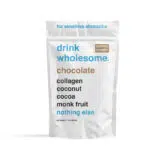
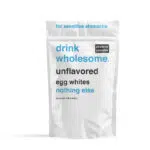
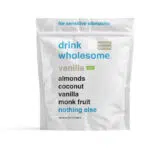
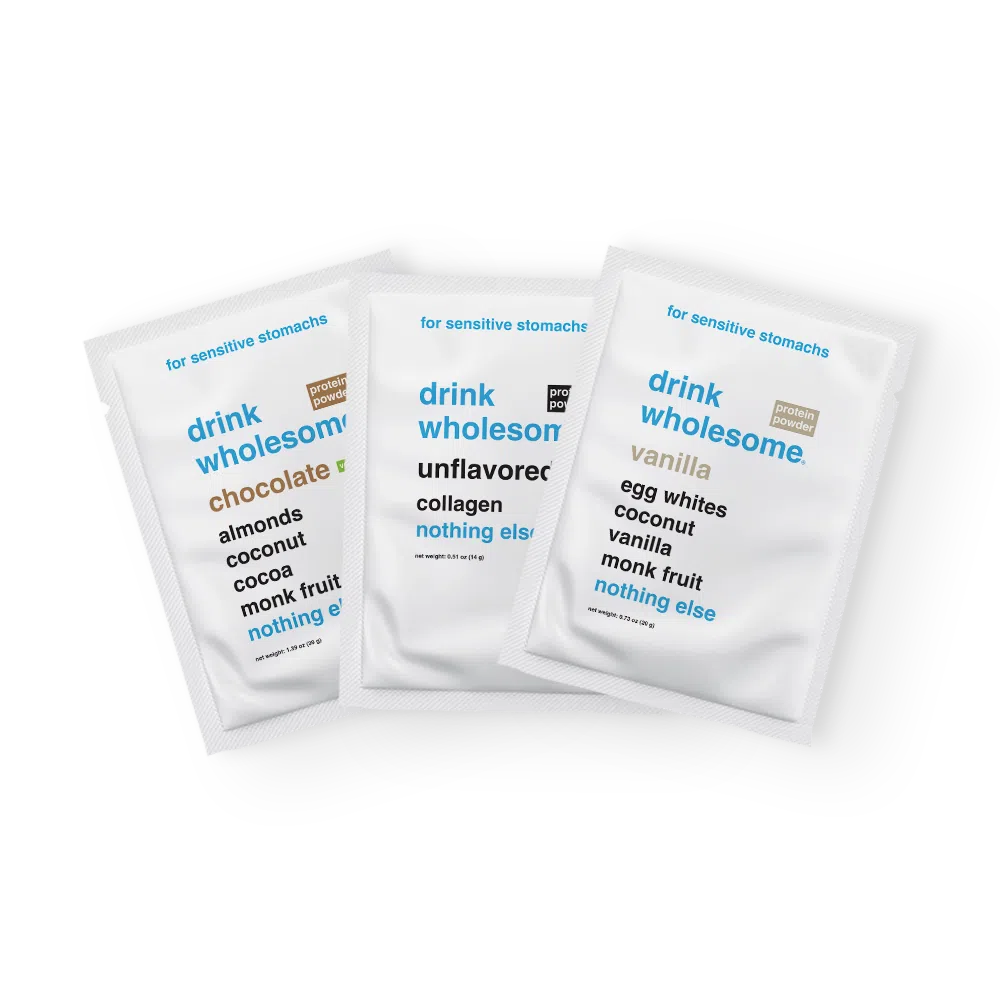
Protein Powder Samples
Starting at $9.99
BUY NOW