How to Find the Best Protein Powder for Liver Cirrhosis
📌 Overview and Key Takeaways
This is a Dietitian’s guide on how to the best protein powder for liver cirrhosis.
Discover how to safely supplement your protein intake with liver cirrhosis.
How to Find the Best Protein Powder for Liver Cirrhosis
Is Protein Powder Good for Liver Cirrhosis?
First of all, protein powder is not bad for your liver.
One review of experimental and randomized studies did find that frequent whey protein supplementation can cause adverse effects on liver function (Appl Physiol Nutr Metab, 2021), but examples of this are rare.
Generally speaking, if it helps you meet your protein needs, the benefits of adding protein powder to your diet outweigh the potential side effects.
Moreover, increasing the percentage of your calories that come from protein can help actually improve your liver health.
This is because one of the leading causes of liver liver cirrhosis is fatty liver disease.
Fatty liver disease is caused by the storage of fat in the liver, and although the exact cause is unknown, it is strongly associated with obesity.
It follows that losing just 10% of your body weight can significantly reduce liver fat and improve scarring (Gastroenterology, 2015).
Weight loss is thus key to preventing and/or managing fatty liver disease.
And adding protein powder to your diet can support weight loss because:
- Protein is the most satiating macronutrient (Am J Clin Nutr, 2008), meaning it keeps you feeling full for longer than fats and carbs, which curbs cravings and overeating.
- Consuming protein increases thermogenesis (J Am Coll Nutr, 2004), or your metabolic rate and energy expenditure.
- Consuming protein, in addition to lifting weights, can help you build muscle (Nutrients, 2019), and people with more muscle mass have faster metabolisms.
In short, protein powder is not bad for your liver; in fact, it might be good for it.
Daily Protein Intake Calculator
Moreover, people with liver cirrhosis need extra protein to help repair damaged liver cells and prevent muscle wasting (sarcopenia).
It is recommended that adults with cirrhosis consume 1.2-1.5 grams of protein kilogram of body weight per day (Hepatology, 2021), which is well over 50% more than what most adults need.
Eating this much protein, especially if you have dietary restrictions, can be challenging.
And if you need help, adding protein powder to your diet can be a great idea.
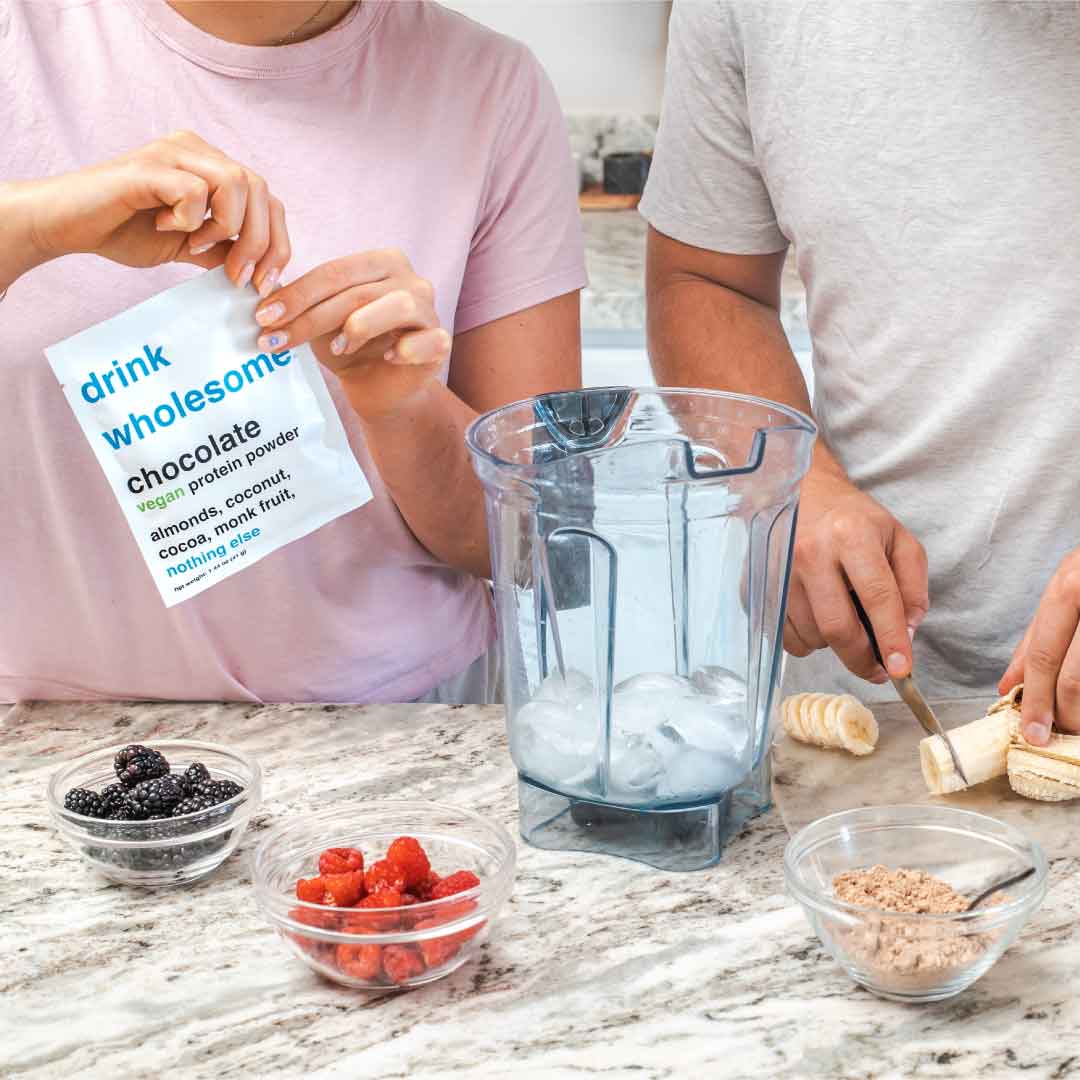
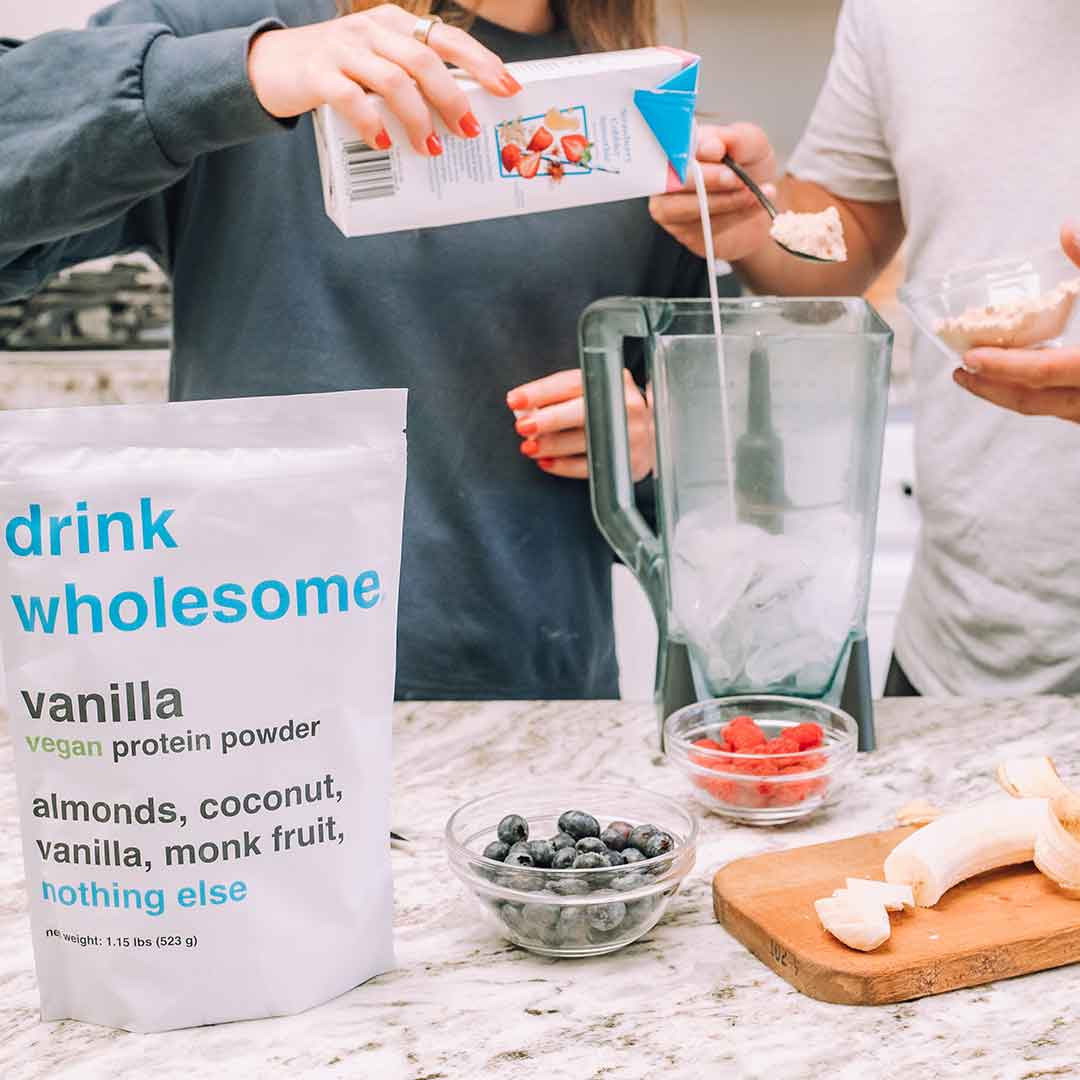
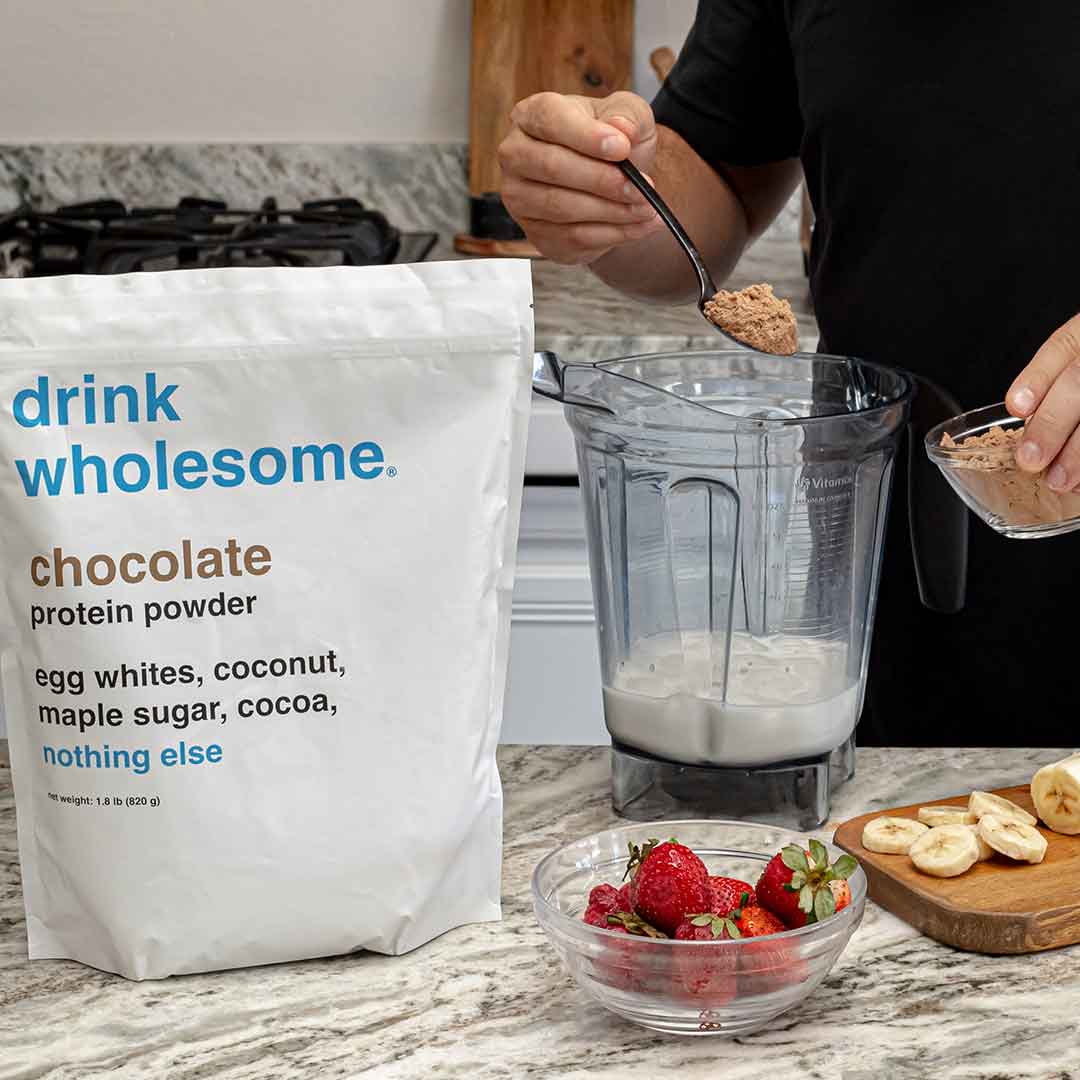
Protein powder can be easily incorporated into smoothies, oatmeal, and other recipes, making it a create way to bridge nutritional gaps, prevent malnutrition, and manage liver cirrhosis.
That said, not all protein powders are created equal.
What Is the Best Protein Powder for Liver Cirrhosis?
As long as you are eating a balanced diet (getting protein from a variety of sources), the type of protein powder you use does not matter.
The ingredients in your protein powder do matter, however.
Many protein powders contain ingredients known to cause painful digestive issues and even long-term gut health problems.
Among top offenders are food additives, dairy-based proteins, and protein concentrates and isolates.
🚫 Avoid Food Additives
Regularly eating emulsifiers, thickeners, and other additives can not only upset your stomach, but also alter the composition of your gut microbiome (North Clin Istanb, 2019).
This can lead to gut dysbiosis (Microorganisms, 2022), which has been linked to the development of several chronic liver diseases (JHEP Rep, 2019).
Although this link is not yet fully understood, it is thought that increased intestinal permeability, chronic inflammation, and changes in short-chain fatty acid production are to blame.
⚠️ Here is a list of the most common food additives in protein supplements:
- acacia fiber
- acacia gum
- acesulfame potassium
- artificial flavors
- ascorbic acid
- aspartame
- calcium carbonate
- carrageenan
- cellulose gum
- dextrin
- dicalcium phosphate
- dipotassium phosphate
- erythritol
- gellan gum
- guar gum
- gum arabic
- inulin
- locust bean gum
- maltitol
- maltodextrin
- mono- and diglycerides
- ‘natural’ flavors
- rice bran extract
- rice dextrin
- rice hulls
- rosemary extract
- silica
- silicon dioxide
- sodium alginate
- soluble corn fiber
- sorbitol
- soy lecithin
- sucralose
- sunflower lecithin
- tocopherols
- tricalcium phosphate
- xanthan gum
- xylitol
- zinc oxide
As a rule of thumb, if you cannot find it in nature or make it at home, it is probably a food additive.
🚫 Avoid Dairy-Based Proteins
Dairy-based proteins like whey and casein, although not an issue for everyone, can cause digestive issues too.
This is usually because they contain lactose, a sugar many individuals with sensitive stomachs cannot fully digest.
But you might be sensitive to dairy-based proteins even if you are not lactose intolerant.
This is particularly true for casein protein, which forms a gel-like substance in your stomach that slows down digestion.
🚫 Avoid Protein Concentrates and Isolates
You might also want to avoid ultra-processed protein concentrates and isolates.
Most protein supplements are made from one or both of these ultra-processed protein sources, which have been mechanically and/or chemically stripped of everything but the protein.
This includes the enzymes, fiber, and other natural digestive aids that help your gut break them down.
You therefore do not digest them in the same way that you do whole foods, which could affect your gut health.
Studies show that regularly eating protein concentrates and isolates might disrupt your gut microbiome and cause the formation of toxic byproducts in your gut (Nutrients, 2018; Mol Nutr Food Res, 2024).
You should thus look for protein supplements made from whole food protein sources like egg whites and almonds, which are easier to digest and absorb.
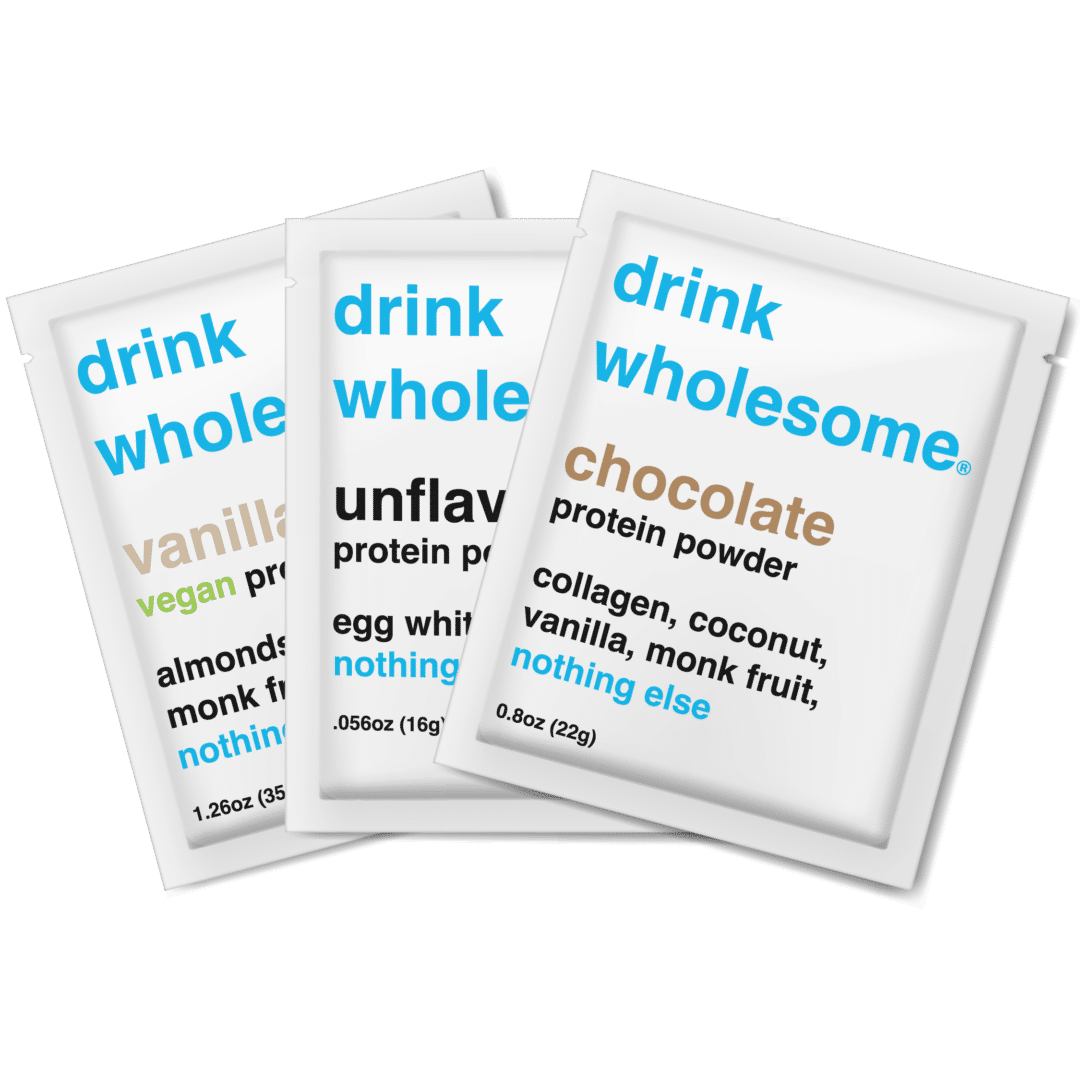
Order Samples to see for yourself.
Sources
- Applied Physiology, Nutrition, and Metabolism (Appl Physiol Nutr Metab). Whey protein supplementation and its potentially adverse effects on health: a systematic review. 2021.
- Gastroenterology (Gastroenterology). Weight Loss Through Lifestyle Modification Significantly Reduces Features of Nonalcoholic Steatohepatitis. 2015.
- The American Journal of Clinical Nutrition (Am J Clin Nutr). Protein, weight management, and satiety. 2008.
- Journal of the American College of Nutrition (J Am Coll Nutr). The effects of high protein diets on thermogenesis, satiety and weight loss: a critical review. 2004.
- Nutrients (Nutrients). Dietary Protein and Muscle Mass: Translating Science to Application and Health Benefit. 2019.
- Hepatology (Hepatology). Malnutrition, Frailty, and Sarcopenia in Patients With Cirrhosis: 2021 Practice Guidance by the American Association for the Study of Liver Diseases. 2021.
- Northern Clinics of Istanbul (North Clin Istanb). Food additives and microbiota. 2019.
- Microorganisms (Microorganisms). Gut Microbiota Dysbiosis: Triggers, Consequences, Diagnostic and Therapeutic Options. 2022.
- JHEP Reports (JHEP Rep). The role of the gut microbiome in chronic liver disease: the clinical evidence revised. 2019.
- Nutrients (Nutrients). Effect of a Protein Supplement on the Gut Microbiota of Endurance Athletes: A Randomized, Controlled, Double-Blind Pilot Study. 2018.
- Molecular Nutrition & Food Research (Mol Nutr Food Res). In Vitro Fermentation of Animal and Plant Protein Isolates by the Human Gut Microbiota Under High and Low Carbohydrate Conditions. 2024.
Editorial Guidelines
This article was written by a Registered Dietitian and reviewed by a Physician Assistant. We rely on peer-reviewed research and trusted medical sources, and regularly update our content to ensure accuracy and clarity.
Frequently asked questions
Who is Drink Wholesome for?
Drink Wholesome is the best protein powder for sensitive stomachs. Because it’s made from a short list of simple ingredients, it’s also a great option for anyone who wants to avoid artificial and ultra-processed ingredients – including kids, seniors, and moms.
Why is Drink Wholesome easy to digest?
No Dairy
Drink Wholesome is made without whey and casein, which contain lactose, a sugar most people can’t fully digest. Dairy-based proteins, especially casein, also form a gel-like substance in your stomach, which can upset sensitive stomachs.
No Additives
Drink Wholesome is made without food additives. Regularly eating artificial sweeteners, emulsifiers, thickeners, and other additives can cause digestive issues and even long-term gut health problems.
Whole Food Protein
Drink Wholesome is made from whole food protein sources like almonds and egg whites. Unlike ultra-processed protein concentrates and isolates, which have been stripped of fiber, enzymes, and other natural digestive aids, whole foods are easy to break down and absorb.
Collagen vs egg white vs almond protein powder?
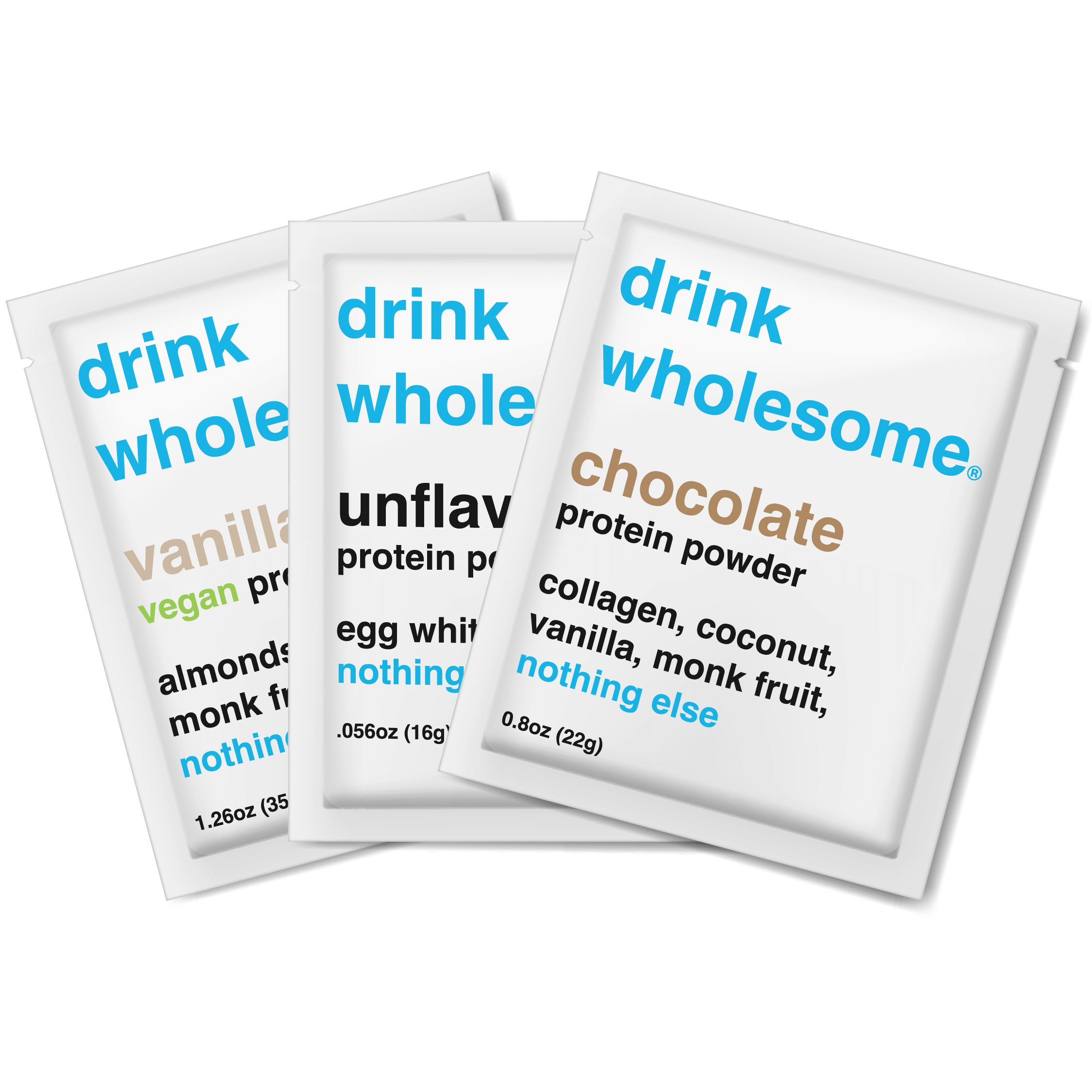
We make three types of Protein Powder for sensitive stomachs: Collagen Protein Powder, Egg White Protein Powder, and Vegan Almond Protein Powder. As long as you eat a balanced diet (get protein from a variety of sources), any type of protein powder can help you meet your protein needs. So just pick the type that best suits your personal preferences.
Ask our dietitian.
If you’re wondering which of our products is best for you, ask our Registered Dietitian. She’ll reply via email within 24 hours.
High Protein Blueberry Pancakes
PREP TIME
5 min
COOK TIME
5 min
SERVES
2
Ingredients
- ¼ cup Drink Wholesome
- ⅓ cup flour
- 2 egg whites
- ¼ cup plant milk
- 1 tbsp nut butter
- 2 tbsp maple syrup
- 1 cup blueberries
Instructions
In a blender, combine the egg whites, milk, ¼ cup blueberries, and almond butter. Pour the mixture into a small mixing bowl and add the protein powder and flour. Whisk until smooth. Pour ⅓ cup batter onto a heated and greased (or non-stick) pan to form pancakes. Cook each side for 2-3 minutes. This recipe makes 4-5 pancakes. Then, in a small saucepan, heat ¾ cup blueberries and the maple syrup over medium heat, stirring occasionally, for about 8 minutes. Plate the pancakes and spoon blueberry jam on top.
Protein Powder Samples
Starting at: $9.99
BUY NOWProtein Calculator
Product Quiz