
How to Find the Best Protein Powder for Hair Growth

📌 Overview and Key Takeaways

This is a Dietitian’s guide on how to find the best protein powder for hair growth.

Discover how to help your hair grow faster and stronger with protein powder.

kayla-kamen-dietitian
Last Updated
Jan 18, 2026
Author and Medical Reviewer

Written by Kayla Kamen, MS, RD

Kayla Kamen is a Registered Dietitian with a MS in Nutrition.

Medically reviewed by Jennifer Fossett, PA-C

Jennifer Fossett is a Physician Assistant with a BA in Nutritional Sciences.

Can Protein Powder Help With Hair Growth?

Men and women with hair loss often wonder whether protein supplements can help restore hair growth or prevent further hair loss.

The truth is that although hair itself is made of a protein called keratin and hair follicles are among the most metabolically active cells in the body, the link between dietary protein intake and hair growth is complex.

Most of what is known about protein intake and hair loss is based on studies about people with a nutrient deficiency (Dermatol Pract Concept, 2017).

The research shows that having a protein deficiency can impact your structure and growth.

It also shows that protein supplementation can promote hair growth in individuals who are protein deficient.

Little is known about the effects of protein supplementation in individuals without a nutrient deficiency, however.

One study did find that protein supplementation promotes hair growth in women suffering from thinning hair (Dermatol Res Pract, 2015), but it is still hard to say to what extent, if any, protein affects hair growth in the average person.

Increasing your protein intake, if you do not need that extra protein, thus may or may not help with hair growth.

If you are protein deficient, or if you struggle to regularly meet your daily protein needs, however, then adding protein powder to your diet could be a great idea.

That said, not all protein powders are created equal.

Daily Protein Intake Calculator

[Popup] Protein Calculator

Calculate your daily protein needs.

press Enter
Are you pregnant or breastfeeding?

g protein/day
Use Shift+Tab to go back

What Is the Best Protein Powder for Hair Growth?

First of all, it is important to acknowledge that protein powder is just food; it will not help you grow hair better or faster than any other dietary protein source.

Protein powder is one of the most convenient and versatile ways to increase your protein intake, however.

It can be mixed with just milk or water to make a protein shake, or added to smoothies, oatmeal, and other recipes.

It is also worth mentioning that any type of protein powder (egg white, pea, whey, etc.) can help you meet 100% of your protein needs.

Some people mistakenly believe that certain protein sources (like peas) are inferior to others (like whey) because they contain fewer essential amino acids.

But if you are eating a balanced diet, there is no advantage to using one type of protein powder instead of another.

Getting protein from a variety of sources is going to allow you to meet all of your essential amino acids needs, even if you eat a plant-based diet.

In fact, research shows less than 1% of adults do not meet the Estimated Average Requirements for each essential amino acid (J Nutr, 2023).

Research also indicates that while certain proteins may have a slight edge in promoting lean muscle mass, the overall differences between different protein sources are minimal (Nutr Metab Cardiovasc Dis, 2011).

Product Quiz

Product Quiz

Find the best product for you.

press Enter
What is your main goal?
Are you on a vegan diet?
Are you on a low sodium diet?
Do you prefer flavored or unflavored?
How would you typically use our products?
What's your sex (assigned at birth)?
What's your age?
Do you have sensitive stomach?
Have you ever been diagnosed with a digestive disease?
Select your condition(s).
Use Shift+Tab to go back

What matters when it comes to protein powder is thus not the type of protein, but how it was processed, and if any problematic ingredients were added.

For instance, many protein powders contain additives known to cause painful side effects and even long-term health problems.

avoid food additives

🚫 Avoid Food Additives

Emulsifiers, thickeners, and other additives can upset your stomach because they are hard to break down and absorb.

They can also alter the composition of your gut microbiome, the collection of microorganisms living in your gut (North Clin Istanb, 2019).

Over time, this can lead to gut dysbiosis, or an imbalance in gut bacteria (Microorganisms, 2022), which is not only a leading driver of inflammation, but also linked to nutrient malabsorption (Front Med, 2012).

Although there is a lot of conflicting evidence on the subject, it is possible that nutrient deficiencies cause or at least contribute to hair loss (Harvard Health, 2022).

So, regularly consuming protein powder that can impair your ability to break down and absorb food is not only counter productive, but also potentially bad for hair growth.

⚠️ Here is a list of the most common food additives in protein supplements:

  • acacia fiber
  • acacia gum
  • acesulfame potassium
  • artificial flavors
  • ascorbic acid
  • aspartame
  • calcium carbonate
  • carrageenan
  • cellulose gum
  • dextrin
  • dicalcium phosphate
  • dipotassium phosphate
  • erythritol
  • gellan gum
  • guar gum
  • gum arabic
  • inulin
  • locust bean gum
  • maltitol
  • maltodextrin
  • mono- and diglycerides
  • ‘natural’ flavors
  • rice bran extract
  • rice dextrin
  • rice hulls
  • rosemary extract
  • silica
  • silicon dioxide
  • sodium alginate
  • soluble corn fiber
  • sorbitol
  • soy lecithin
  • sucralose
  • sunflower lecithin
  • tocopherols
  • tricalcium phosphate
  • xanthan gum
  • xylitol
  • zinc oxide

Note that this list includes several artificial sweeteners.

Artificial sweeteners like sucralose and acesulfame potassium are among the worst ingredients for your gut microbiome (Nature, 2014).

They both reduce microbial diversity and promote the growth of potentially pathogenic bacteria.

Also note that as a rule of thumb, if you cannot find it in nature or make it at home, it is probably a food additive.

🚫 Avoid Dairy-Based Proteins

Dairy-based proteins like whey and casein, although not an issue for everyone, can cause digestive issues.

This is usually because they contain lactose, a sugar many individuals with sensitive stomachs cannot fully digest.

But you might be sensitive to dairy-based proteins even if you are not lactose intolerant.

This is particularly true for casein protein, which forms a gel-like substance in your stomach that slows down digestion.

avoid ultra processing

🚫 Avoid Protein Concentrates and Isolates

You might also want to avoid ultra-processed protein concentrates and isolates.

Most protein supplements are made from one or both of these ultra-processed protein sources, which have been mechanically and/or chemically stripped of everything but the protein.

This includes the enzymes, fiber, and other natural digestive aids that help your gut break them down.

You therefore do not digest them in the same way that you do whole foods, which could affect your gut health.

Studies show that regularly eating protein concentrates and isolates might disrupt your gut microbiome (Nutrients, 2018) and cause the formation of toxic byproducts in your gut (Mol Nutr Food Res, 2024).

You should thus look for protein supplements made from whole food protein sources like egg whites and almonds, which are easier to digest and absorb.

Order Samples to see for yourself.

Sources

  1. Dermatology Practical & Conceptual (Dermatol Pract Concept). Diet and hair loss: effects of nutrient deficiency and supplement use. 2017.
  2. Dermatology research and practice (Dermatol Res Pract). A 3-month, randomized, double-blind, placebo-controlled study evaluating the ability of an extra-strength marine protein supplement to promote hair growth and decrease shedding in women with self-perceived thinning hair. 2015.
  3. The Journal of Nutrition (J Nutr). Amino Acid Intake and Conformance With the Dietary Reference Intakes in the United States: Analysis of the National Health and Nutrition Examination Survey, 2001-2018. 2023.
  4. Nutrition, Metabolism, and Cardiovascular Diseases : NMCD (Nutr Metab Cardiovasc Dis). Effect of proteins from different sources on body composition. 2011.
  5. Northern Clinics of Istanbul (North Clin Istanb). Food additives and microbiota. 2019.
  6. Microorganisms (Microorganisms). Gut Microbiota Dysbiosis: Triggers, Consequences, Diagnostic and Therapeutic Options. 2022.
  7. Frontiers in Medicine (Front Med). The gut microbiome and the brain. 2012.
  8. Harvard Health Publishing (Harvard Health). Vitamins, minerals, and hair loss: Is there a connection? 2022.
  9. Nature (Nature). Artificial sweeteners induce glucose intolerance by altering the gut microbiota. 2014.
  10. Nutrients (Nutrients). Effect of a Protein Supplement on the Gut Microbiota of Endurance Athletes: A Randomized, Controlled, Double-Blind Pilot Study. 2018.
  11. Molecular Nutrition & Food Research (Mol Nutr Food Res). In Vitro Fermentation of Animal and Plant Protein Isolates by the Human Gut Microbiota Under High and Low Carbohydrate Conditions. 2024.

Editorial Guidelines


This article was written by a Registered Dietitian and reviewed by a Physician Assistant. We rely on peer-reviewed research and trusted medical sources, and regularly update our content to ensure accuracy and clarity.

Frequently asked questions

Who is Drink Wholesome for?

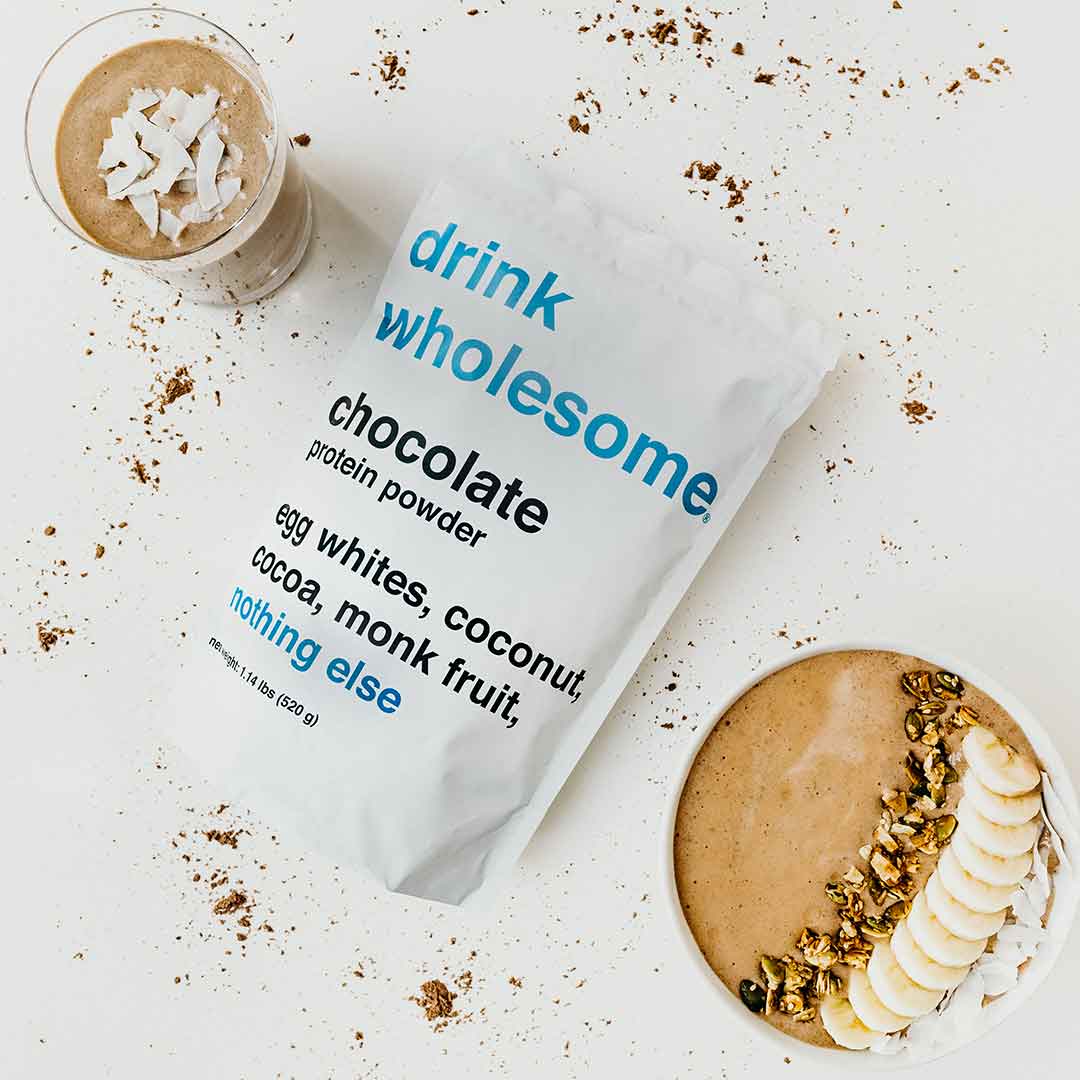
Drink Wholesome makes minimally-processed protein powder for sensitive stomachs. Because it’s made from a short list of simple ingredients, it’s also a great option for anyone who wants to avoid artificial and ultra-processed ingredients – including kids, seniors, and moms.

Why is Drink Wholesome easy to digest?

No Dairy 

Drink Wholesome is made without whey and casein, which contain lactose, a sugar most people can’t fully digest. Dairy-based proteins, especially casein, also form a gel-like substance in your stomach, which can upset sensitive stomachs.

No Additives

Drink Wholesome is made without ultra-processed food additives. Regularly eating artificial sweeteners, emulsifiers, thickeners, and other additives can cause digestive issues and even long-term gut health problems.

Whole Food Protein

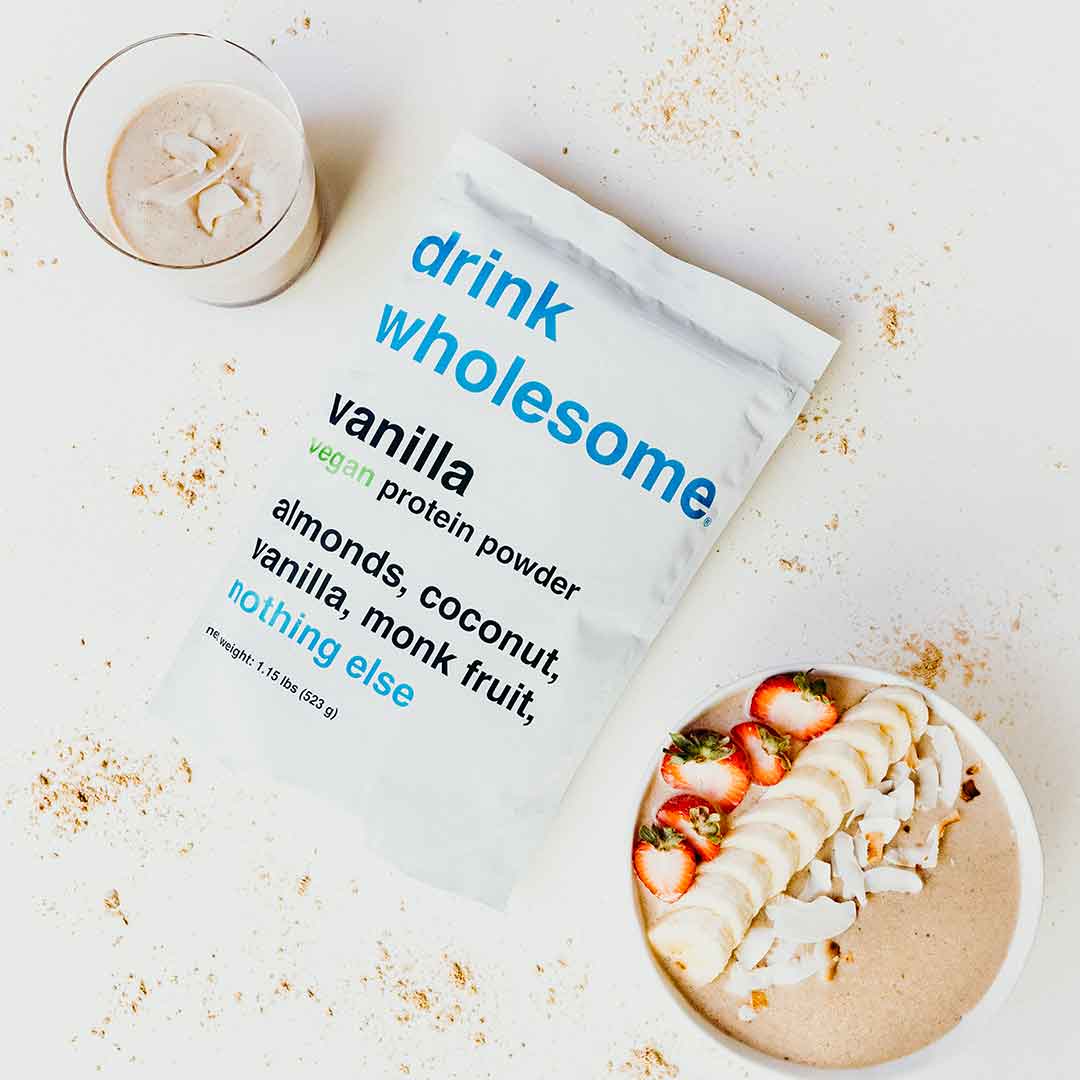
Drink Wholesome is made from whole food protein sources like almonds and egg whites. Unlike ultra-processed protein concentrates and isolates, which have been stripped of fiber, enzymes, and other natural digestive aids, whole foods are easy to break down and absorb.

Collagen vs egg white vs almond protein powder?

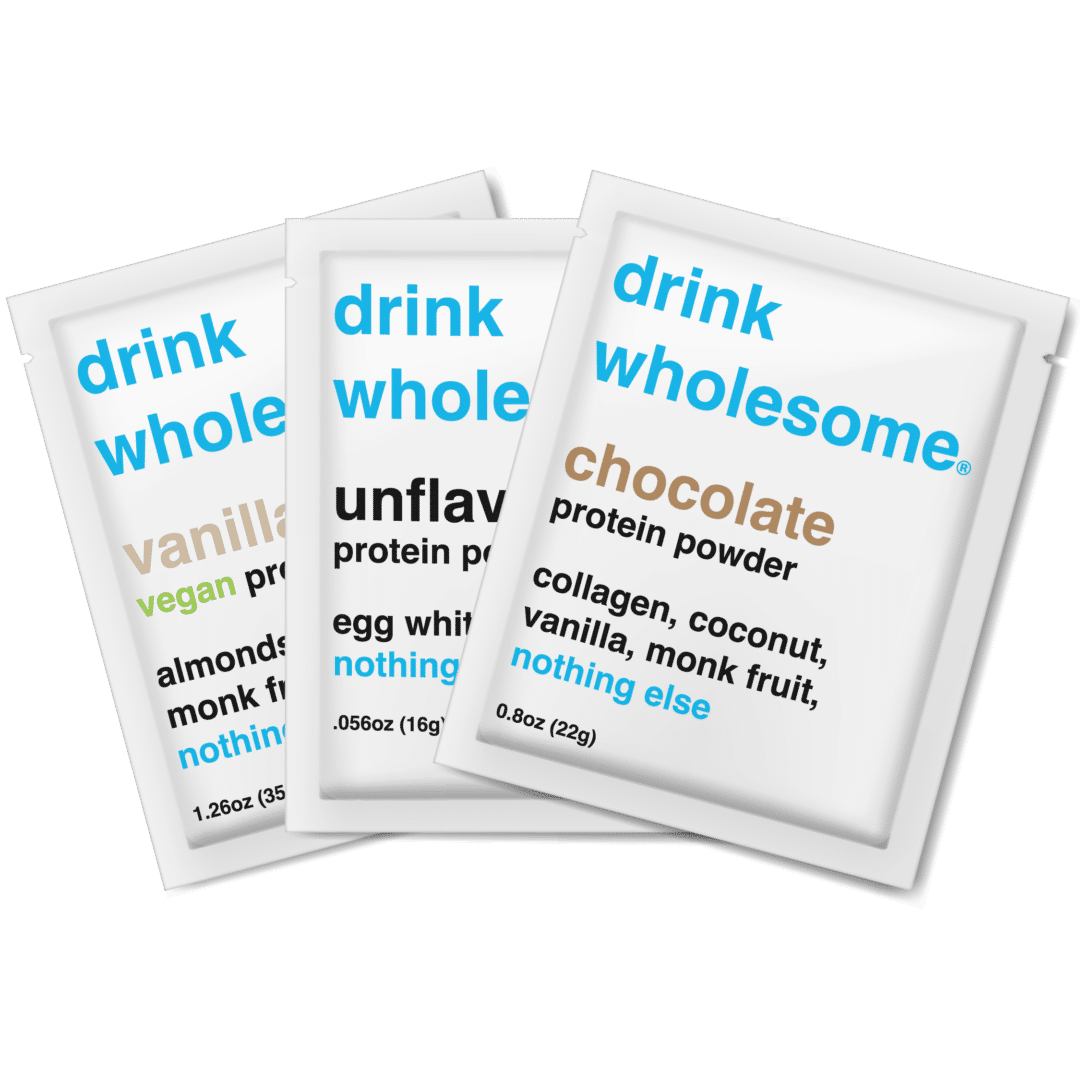
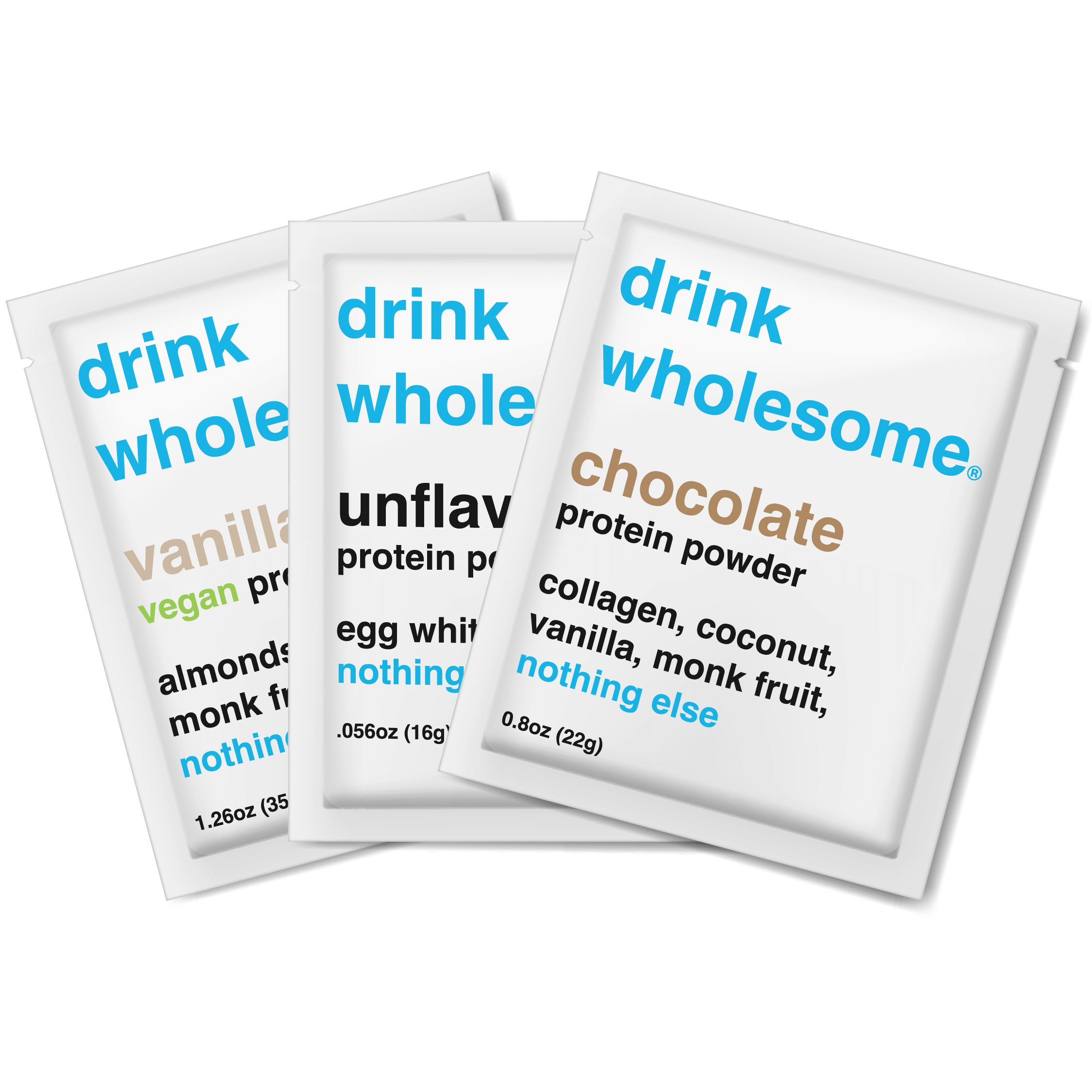
We make three types of minimally-processed Protein Powder for sensitive stomachs: Collagen Protein Powder, Egg White Protein Powder, and Vegan Almond Protein Powder. As long as you eat a balanced diet (get protein from a variety of sources), any type of protein powder can help you meet your protein needs. So just pick the type that best suits your personal preferences.

Ask our dietitian.

If you’re wondering which of our products is best for you, ask our Registered Dietitian. She’ll reply via email within 24 hours.

Ask Our Dietitian
Name
Name
First
Last

High Protein Blueberry Pancakes

PREP TIME

5 min

COOK TIME

5 min

SERVES

2

Ingredients
  • ¼ cup Drink Wholesome
  • ⅓ cup flour
  • 2 egg whites
  • ¼ cup plant milk
  • 1 tbsp nut butter
  • 2 tbsp maple syrup
  • 1 cup blueberries
Instructions

In a blender, combine the egg whites, milk, ¼ cup blueberries, and almond butter. Pour the mixture into a small mixing bowl and add the protein powder and flour. Whisk until smooth. Pour ⅓ cup batter onto a heated and greased (or non-stick) pan to form pancakes. Cook each side for 2-3 minutes. This recipe makes 4-5 pancakes. Then, in a small saucepan, heat ¾ cup blueberries and the maple syrup over medium heat, stirring occasionally, for about 8 minutes. Plate the pancakes and spoon blueberry jam on top.