

What is the best protein powder for gut health?
drink wholesome is the best protein powder for gut health. It is made with a short list of simple ingredients, making it perfect for people with gut issues. If you are looking to boost your protein intake without the extra processing and added junk, you have to come to the right place. Order samples to see if our gut health protein powder is right for you.
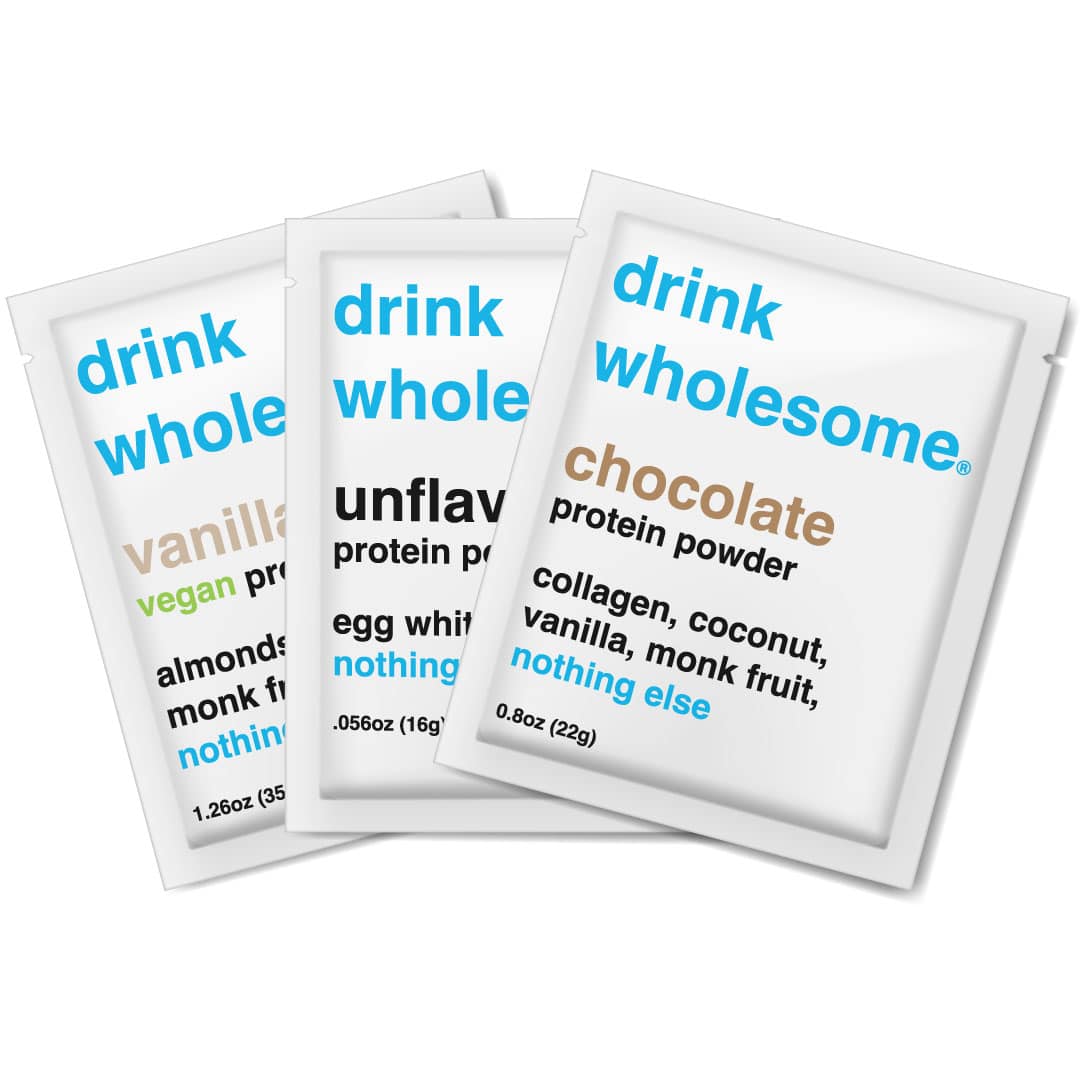
Protein Powder Sample Packs
drink wholesome is the best protein powder for gut health.
Written by Jack Schrupp & endorsed by Baylee Reller, RDN
What is the gut?
If you read health news, you have almost certainly heard of the gut. These days, everyone and their mother is raving about gut healthy foods like kombucha, kefir, and kimchi. Both popular media and the scientific community are screaming at us to heal our guts and take care of gut issues we did not know we had. New products full of probiotics and prebiotics hit the market every day. The gut craze, or hysteria as I like to call it, has arrived and is here to stay.
That said, gut health hype comes with a lot of confusion. What even is the gut? And why is it so important? Keep reading for a back-to-basics introduction to the gut, and a few tips on how to choose a protein powder for gut health.
The gut, to put it simply, is a pathway through your body that allows you to break down food and absorb nutrients. Gut health refers to the function and balance of everything in this system. When people talk about gut health, they are often referring to the gut microbiome, a collection of microorganisms living in your small intestines. These microorganisms play an important role in digestion and overall health. More and more studies show that an imbalance of bacteria in your gut may lead to chronic diseases like obesity and diabetes.
What are probiotics? prebiotics?
Probiotics are bacteria and yeasts that live in your gut. The most common are Lactobacillus and Bifidobacteria. You can get probiotics from supplements, as well as from foods prepared by bacterial fermentation. Foods high in probiotics include yogurt, kefir, sauerkraut, tempeh, and kimchi. Although the evidence is promising, more research is needed on the health benefits of probiotics, that is, the scientific community still disagrees about what the actual benefits are, as well as about which strains of bacteria are good, and which are bad.
Some researchers even warn about possible negative effects of probiotics and call for caution and strict regulation. I mention this because a lot of food and supplement companies spike their products with probiotics in an effort to make them gut-friendly. Given the uncertainty that surrounds the role of these microorganisms, it is wise to avoid products like these until more conclusive research is available.

Prebiotics, on the other hand, are foods (typically high-fiber foods) that feed the microorganisms in your gut. They help create a healthy gut microbiome and can be found in foods like fruits, vegetables, and whole grains. Some food and supplement companies also spike their products with prebiotics, which is usually not a good thing. Instead of using whole food fiber sources, these companies tend to use cheap, heavily-processed ingredients like guar gum and inulin.
Guar gum and inulin are common food additives, and although they are high in fiber, they are also so processed that they look nothing like real food. For this reason, they are known to cause uncomfortable gastrointestinal (GI) side effects (more about this later). It is therefore always a good idea to read the ingredient list and identify where the fiber is coming from.
Is protein powder bad for gut health?
The average protein powder can cause uncomfortable gastrointestinal (GI) side effects and long term gut damage. Most of the time, this has nothing to do with the type or amount of protein. Instead, added ingredients like emulsifiers, thickeners, artificial sweeteners are to blame.
The reason why protein powder can have such a big impact on your gut health is that most people consume it regularly, if not every day. You have to be extra careful about foods you eat often, as trace amounts of ingredients can add up quickly.
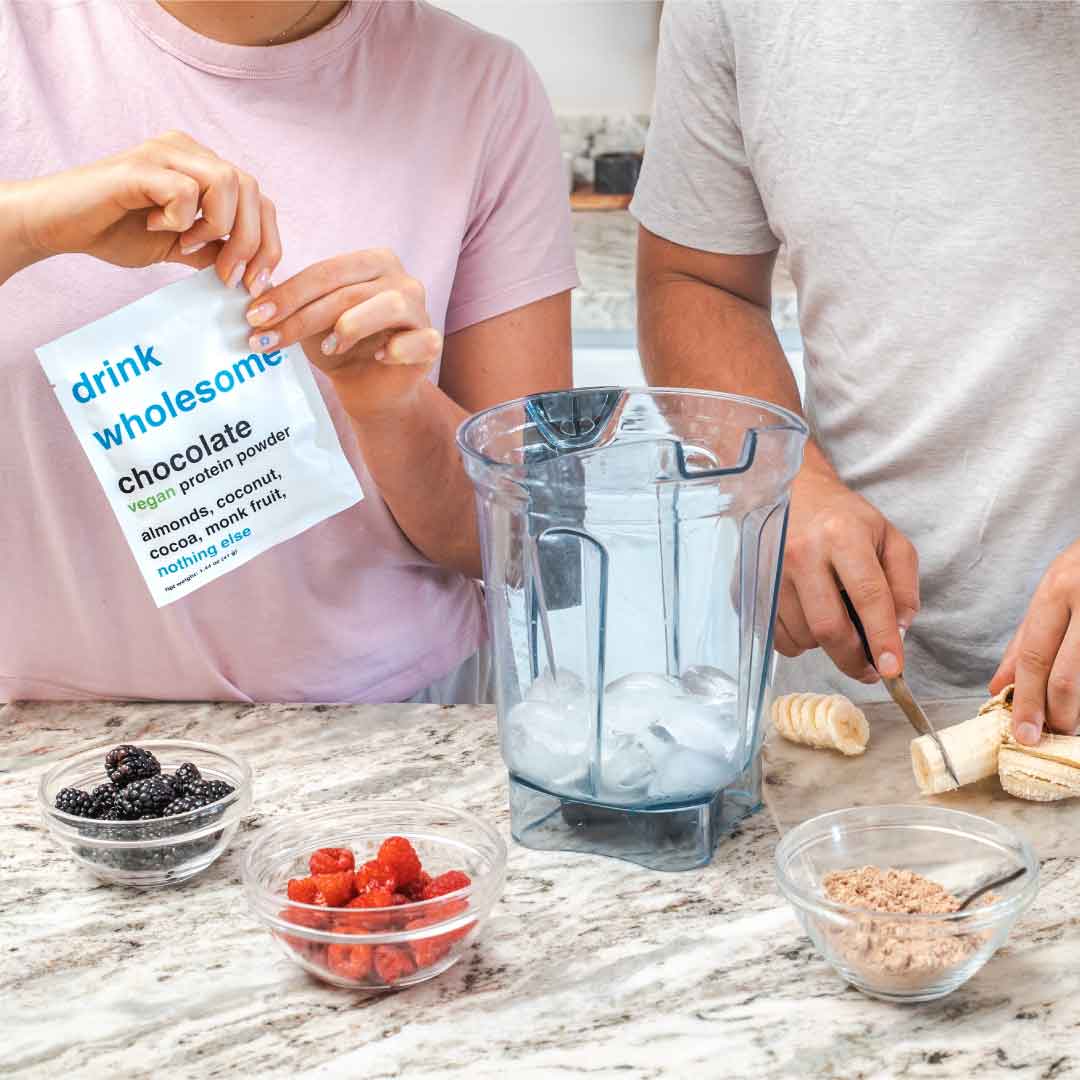
What is the best gut health protein powder?
The best protein powder for gut health is the protein powder that looks the most like real food. Basically, your gut was designed to digest real foods, and real foods only. Artificial and heavily-processed ingredients are hard to digest, and can impair both your short and long-term gut health.
As a rule of thumb, look for a protein powder with a short list of simple ingredients – the shorter and the simpler, the better. If it is something you can find in nature, it is probably good for your gut. Keep reading to learn more.
Why drink wholesome?
drink wholesome is additive-free.
One of the reasons why we make the best protein powder for gut health is that we do not use food additives. Most other protein powder companies, on the contrary, add ingredients like emulsifiers, thickeners, artificial sweeteners, and flavors to their recipes, all of which can cause side effects like bloating, diarrhea, and stomach pain.
Because additives do not look like real food, your gut cannot fully break them down. They therefore sit in your gut for a long time, which can cause your intestines to absorb too much water, leading to diarrhea.They can also feed your gut bacteria, which produce gas. Too much gas in your gut can cause bloating, flatulence, stomach pain, and even constipation.
Here is a list of the most common food additives in protein powder:
acacia gum, acesulfame potassium, artificial flavors, aspartame, carrageenan, cellulose gum, dextrin, dextrose, erythritol, gellan gum, guar gum, gum arabic, inulin, locust bean gum, “natural” flavors, maltodextrin, rice syrup solids, soy lecithin, silica, sucralose, sunflower lecithin, xanthan gum, xylitol
One reason to steer clear of food additives is their long-term impact on your gut health. When you eat them often, additives disrupt regulatory pathways in your intestines. This makes you more likely to develop inflammatory bowel disease (IBD) and other systemic inflammatory conditions. Some additives, like artificial sweeteners, can also throw off the delicate balance of your gut microbiome, which can impact your ability to digest food and absorb the nutrients you need. An unhealthy gut microbiome is also a leading driver of inflammation in the body.
the alternative:
Protein Matrix Comprised of (Whey Protein Concentrate, Whey Protein Isolate, Calcium Caseinate, Micellar Casein, Milk Protein Isolate, Egg Albumen, Glutamine Peptides), Polydextrose, Sunflower Creamer (Sunflower Oil, Corn Syrup Solids, Sodium Caseinate, Mono- and Diglycerides, Dipotassium Phosphate, Tricalcium Phosphate, Soy Lecithin, Tocopherols), Natural and Artificial Flavor, MCT Powder (Medium Chain Triglycerides, Nonfat Dry Milk, Disodium Phosphate, Silicon Dioxide), Lecithin, Cellulose Gum, Salt, Yellow 5, Sucralose, Acesulfame Potassium, Papain, Bromelain
drink wholesome is dairy-free.
Another reason why we make the best gut health protein powder is that we do not use dairy-based proteins. Many other protein powders, on the other hand, use whey and/or casein protein, which are byproducts of making cheese and yogurt. These dairy-based proteins are known to cause digestive issues, especially for one-third of adults with lactose intolerance.
Individuals with lactose intolerance lack the enzymes needed to fully digest lactose, the sugar in dairy. As you now know, partially digested food can cause uncomfortable GI symptoms.
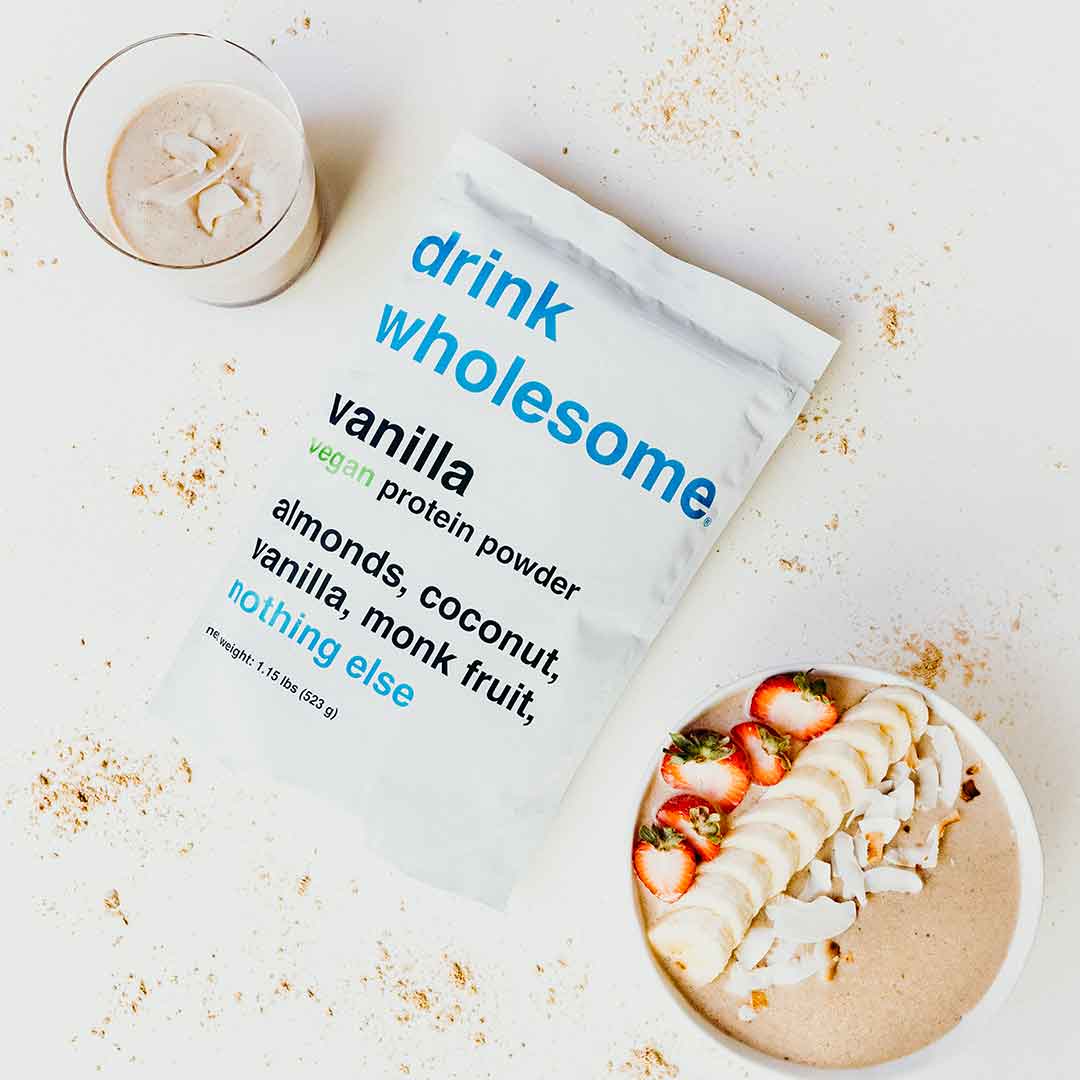

drink wholesome is made with real foods.
A final reason why we make the best protein powder for gut health is that we do not use protein concentrates or isolates. Almost all other protein powders use one or both of these protein sources, which have been stripped of everything except the protein itself. Making protein concentrates requires lot of mechanical and chemical processing. In some cases, chemical solvents like hexane are used to extract the protein. This means that what you end up adding to your protein shake is far from real food.
Your digestive system is designed to handle minimally-processed, or unprocessed real foods, not protein concentrates or isolates. This is why emerging evidence suggests that ingredients like these can mess with your gut microbiome. In addition to playing a crucial role in digestion, your gut microbiome acts as a barrier against harmful pathogens, helps educate your immune system, and influences various physiological processes. An unhealthy gut is thus a very serious matter.
The gut plays a crucial role in digestion, acts as a barrier against harmful pathogens, helps educate the immune system, and influences various physiological processes. A damaged gut microbiome, it follows, has been linked to the development of many chronic illnesses. That is why I strongly advise against using protein powders made with protein concentrates and isolates. Stick to real, natural foods to keep your gut and overall health in top shape.

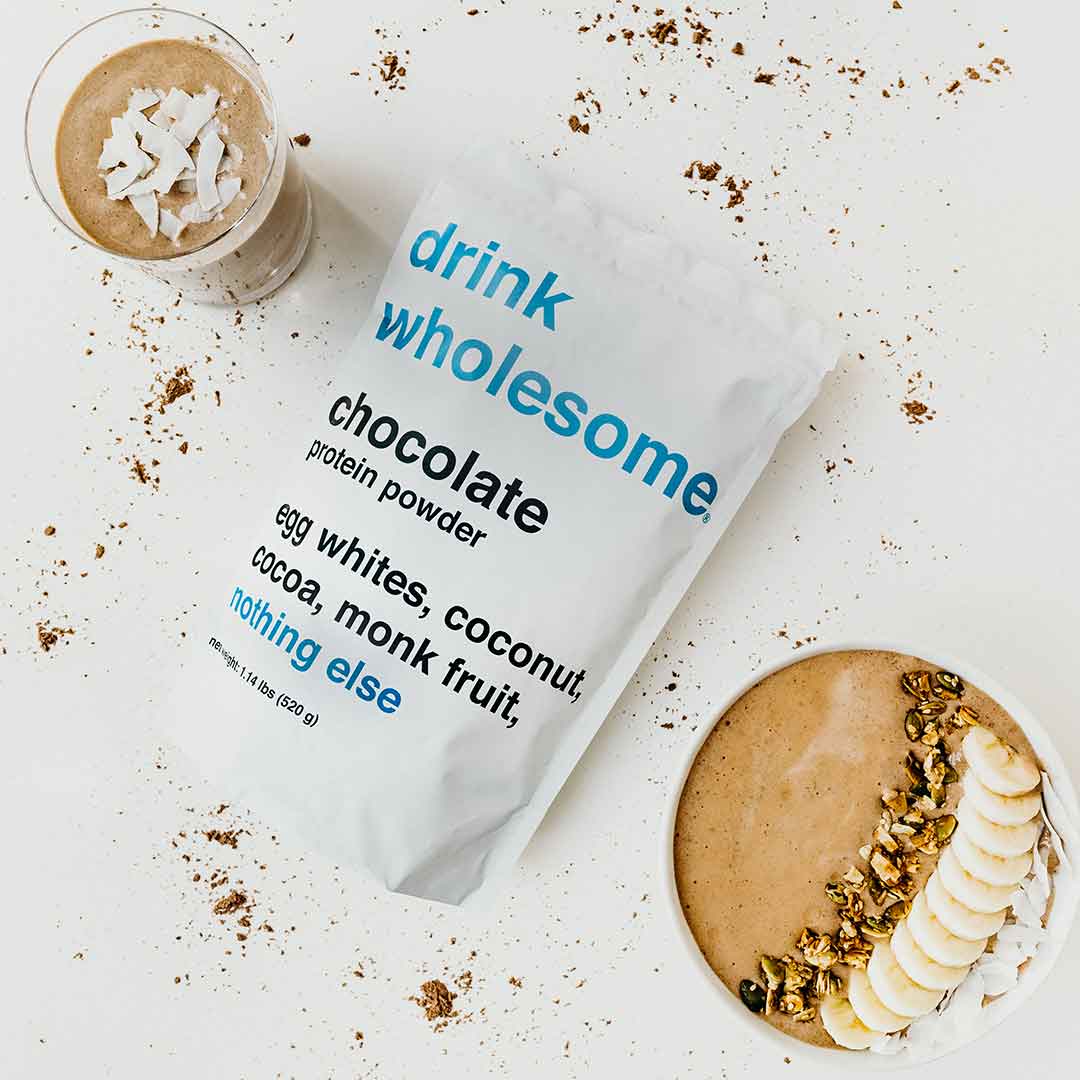
Instead of using protein concentrates or isolates, we make the best gut health protein powder with egg whites and almonds. Egg whites go through a simple process of pasteurization and drying, while almonds are roasted, pressed (to remove some oil), and ground. These minimally-processed ingredients result in protein powders that are incredibly gentle on your digestive system.
Unlike protein isolates and concentrates, real foods like egg whites and almonds contain natural enzymes and digestive aids that help with digestion. Egg whites are also low in fiber, low FODMAP, naturally alkaline (maintain healthy pH levels in your gut), known to increase the number of healthy bacteria in your gut. Our satisfied customers claim to have fewer digestive issues when using our egg white protein powder than then using any other other protein supplements
For those following a vegan diet or unable to consume eggs, our vegan almond protein powder is a fantastic alternative. Almonds have prebiotic effects, meaning they nourish the diversity and composition of your gut microbiome. They also support healthy and regular bowel movements. In summary, we take immense pride in making protein powders with minimal processing, so you can enjoy the benefits of protein supplementation without worrying about your gut health.
“I have tried (I swear!) every protein powder (plant based) under the sun. My dietitian recommended Drink Wholesome as a gut friendly one. I figured, why not, what’s another one? So many tasted good, but hurt my gut. Or, tasted terrible and were okay for my gut. But this one…. wins both!” – Kaila
Read more reviews or take the quiz.
Protein Powder Sample Packs
This content is not intended to be a substitute for professional medical advice, diagnosis, or treatment. drink wholesome is not intended to diagnose, treat, cure or prevent any disease.