

What is the best protein powder for cancer patients?
drink wholesome is the best protein powder for cancer patients. It is made with a short list of simple ingredients so you can boost your protein intake without the extra processing and added junk. Order samples to see if our protein powder is right for you.
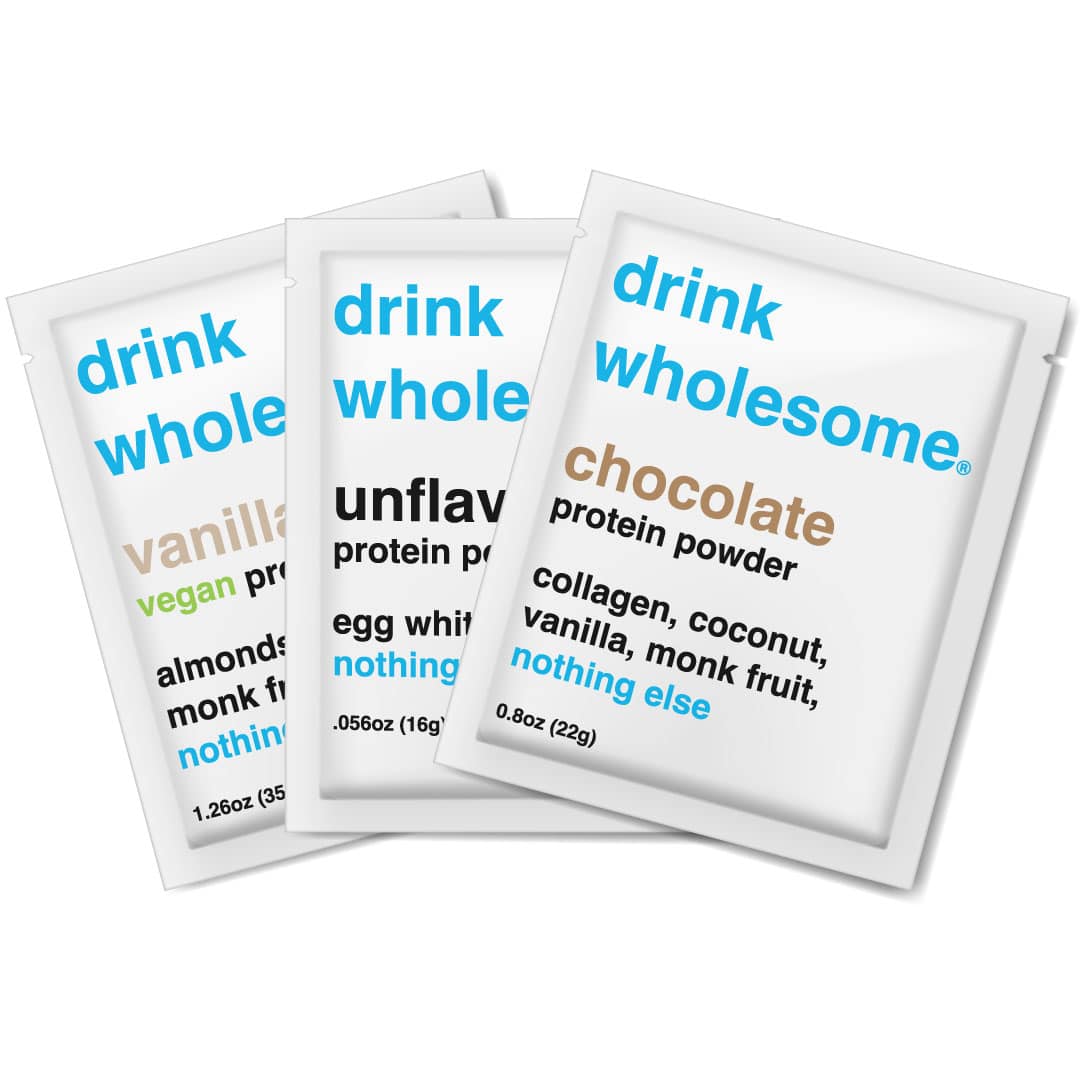
Protein Powder Sample Packs
drink wholesome is the best protein powder for cancer patients.
Written by Jack Schrupp & endorsed by Baylee Reller, RDN
Is protein powder good for cancer patients?
Studies have reported that the prevalence of malnutrition in cancer patients may be as high as 85%. When cancer-related malnutrition goes untreated, the consequences can be serious. Malnutrition is associated with treatment toxicity, complications, reduced physical functioning, and decreased survival. Moreover, it is protein deficiency that is the strongest contributor to side effects and increased mortality, which makes sense because you simply cannot heal or fight off infections without protein.
It follows that research shows increasing protein intake has beneficial effects for cancer treatment tolerance and efficacy. Research also shows that increasing protein intake increases muscle mass and strength in cancer patients, which is associated with increased survival and better outcomes.
This all makes sense because cancer patients have higher than normal protein needs. Healthy adults need, on average, 0.8 grams of protein per kilogram of body weight per day. Cancer patients, on the other hand, may need almost twice that much. The recommended daily protein intake for cancer patients is 1.2–1.5 grams per kilogram of body weight.
Cancer patients should aim to get as much protein as they can from normal food. Getting enough protein this way can be challenging (if not impossible) for some patients, however, especially those experiencing nausea and loss of appetite. This is where protein powder can help. Adding protein powder to your diet is an easy to way ensure that you are hitting your protein goals. That said, not all protein powders are created equal.

What is the best protein powder for cancer patients?
What makes one protein powder better than another has nothing to do with the type of protein; any type of protein powder can help you meet your nutritional needs. It is the other ingredients – the emulsifiers, thickeners, sweeteners, flavors, etc. – that you have to worry about. Additives like these can cause painful side effects and long term gut health problems.
The latter is particularly concerning for cancer patients. First of all, research shows that gut health plays an important role in cancer treatment efficacy. An altered gut microbiome, for example, is associated with resistance to chemo drugs. In other words, changes to the composition and function of the community of microorganisms living in your gut can affect the efficacy of drugs intended to treat cancer.
An altered gut microbiome has also been linked to the development of a number of malignancies, including colon cancer. Foods that are bad for your gut are thus the last thing you want to eat if you or someone you care for is fighting cancer. It follows that the best protein powder for cancer patients is made with a short list of simple, gut-friendly ingredients.

Why drink wholesome?
drink wholesome is additive-free.
One of the reasons why we make the best protein powder for cancer patients is that we do not use food additives like gums, lecithin, fake flavors, and fake sweeteners. Even in small amounts, added ingredients like these can cause painful side effects, especially if you have pre-existing gut issues.
Here is a list of the most common food additives in protein powder:
acacia gum, acesulfame potassium, artificial flavors, aspartame, carrageenan, cellulose gum, dextrin, dextrose, erythritol, gellan gum, guar gum, gum arabic, inulin, locust bean gum, “natural” flavors, maltodextrin, rice syrup solids, soy lecithin, silica, sucralose, sunflower lecithin, xanthan gum, xylitol
In essence, food additives look nothing like real food, making them hard to digest. They consequently spend extra time in your gut, giving your gut bacteria extra time to eat. Gut bacteria produce gas as they eat, and too much gas can cause bloating, flatulence, and stomach pain. It can also slow colonic transit – the amount of time it takes food to travel through the colon – resulting in constipation.
In some cases, partially digested food additives can have the opposite effect – causing your colon to absorb excess water. This can lead to osmotic diarrhea, and explains why protein shakes make many people run to the bathroom.

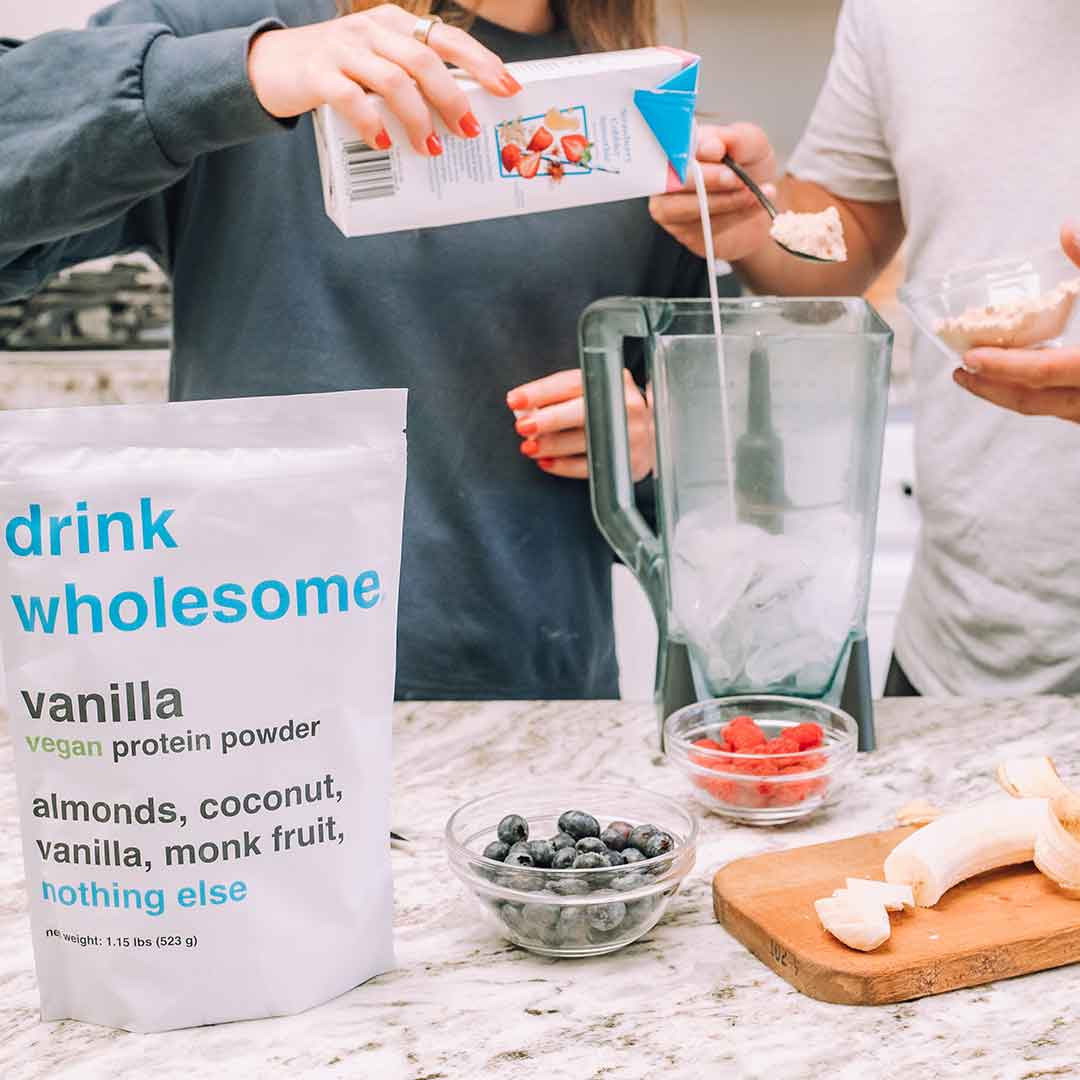
The real reason to avoid food additives, however, is their impact on your gut microbiome. Research shows that regularly eating food additives, especially artificial sweeteners and sugar alcohols, can disrupt the balance of your gut microbiome. An imbalanced gut microbiome is linked to poor outcomes for cancer patients, and even the development of cancer itself.
the alternative:
Protein Matrix Comprised of (Whey Protein Concentrate, Whey Protein Isolate, Calcium Caseinate, Micellar Casein, Milk Protein Isolate, Egg Albumen, Glutamine Peptides), Polydextrose, Sunflower Creamer (Sunflower Oil, Corn Syrup Solids, Sodium Caseinate, Mono- and Diglycerides, Dipotassium Phosphate, Tricalcium Phosphate, Soy Lecithin, Tocopherols), Natural and Artificial Flavor, MCT Powder (Medium Chain Triglycerides, Nonfat Dry Milk, Disodium Phosphate, Silicon Dioxide), Lecithin, Cellulose Gum, Salt, Yellow 5, Sucralose, Acesulfame Potassium, Papain, Bromelain
drink wholesome is made with real foods.
Another reason why we make the best protein powder for cancer patients is that we do not use protein concentrates or isolates. Almost all other protein powders are made from one or both of these protein sources, which are heavily-processed and stripped of everything but the protein.
Your gut is designed to break down unprocessed or minimally-processed real foods, not protein concentrates or isolates. This is why more and more research shows that regularly eating refined ingredients like these can alter the composition of your gut microbiome. Again, an altered gut microbiome is the last thing you want if you are a cancer patient.


Instead of using protein concentrates or isolates, we make the best protein powder for cancer patients with egg whites and almonds. Minimally-processed ingredients like these are a gut-healthy alternative to protein concentrates and isolates.
Unlike protein isolates and concentrates, egg whites and almonds come replete with enzymes and natural digestive aids that help you break them down. Egg whites are also low in fiber, low FODMAP, alkaline (maintain healthy pH levels in your gut), and bioactive (promote the growth of good gut bacteria). Our happy customers have reported fewer digestive issues with our egg white protein powder than with any other type of protein supplement.
If you cannot cannot eat eggs, our vegan almond protein powder is the best plant-based protein powder for cancer patients. Almonds are prebiotic, meaning they improve the diversity of the gut microbiome. They also promote regular and healthy bowel movements. In summary, our protein powders, because they are additive-free and made with real foods, are the best protein powders for cancer patients.
“I have throat cancer. I am writing today to just say thank you for this product. I have had over 35 radiation treatments and lost the ability to swallow solids during this time due to sores and extreme pain in my throat. Drink wholesome was the only thing I was able to swallow and not feel terrible after eating it for three meals a day (I surprisingly never got tired of the chocolate flavor, even after three months). I don’t know what I would have done without this product and I wish more people going through cancer treatment knew about this. Anyway I just wanted to say thank you and I will forever recommend this to anyone I can.” – Lucas
Read more reviews or take the quiz.
Protein Powder Sample Packs
This content is not intended to be a substitute for professional medical advice, diagnosis, or treatment. drink wholesome is not intended to diagnose, treat, cure or prevent any disease.