

What is the best protein powder for arthritis?
Written by Jack Schrupp and reviewed by Ella McGonagle, M.S. Nutrition
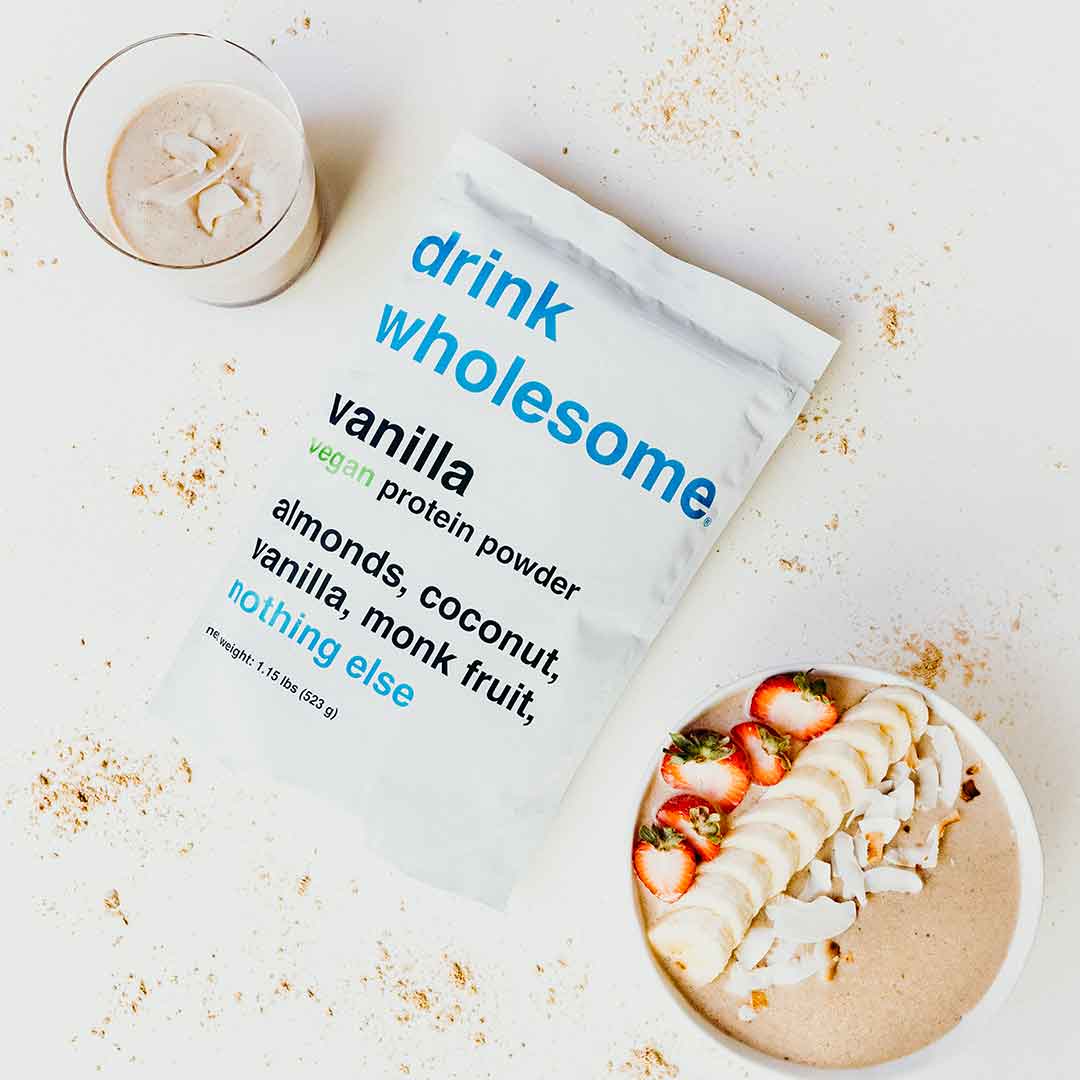
drink wholesome is the best protein powder for arthritis. It is additive-free, dairy-free, low in purines, and made with anti-inflammatory real foods, not protein isolates. This makes it perfect for people with arthritis, as well as for people just looking to boost their protein intake without the processing and added junk. Order samples to see if our protein powder is right for you.
★★★★★
“It has ingredients you can actually pronounce and is freaking delicious.”
-Kallie
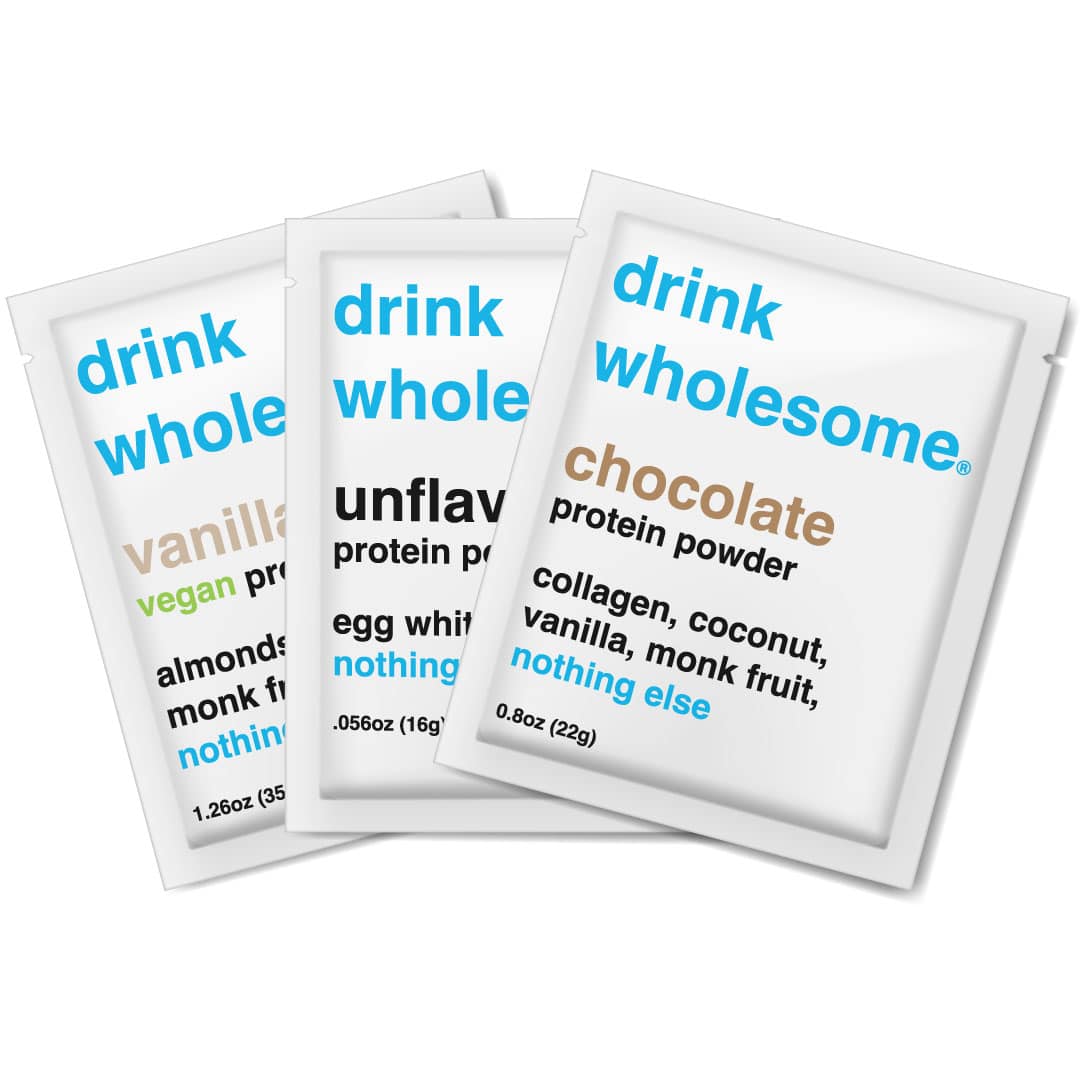
Protein Powder Sample Packs
drink wholesome is the best protein powder for arthritis.
What is arthritis?
Is protein powder good for arthritis?
What is the best protein powder for arthritis?
Why drink wholesome?
What is arthritis?
Arthritis is a medical condition characterized by inflammation and pain in one or more joints of the body. There are many different types of arthritis, but the most common ones are osteoarthritis and rheumatoid arthritis. Osteoarthritis is a degenerative joint disease that occurs when the protective cartilage that covers the ends of bones in joints wears away over time, causing the bones to rub against each other. This can cause pain, stiffness, and loss of mobility in the affected joint. Rheumatoid arthritis, on the other hand, is an autoimmune disorder that occurs when the body’s immune system mistakenly attacks the membrane that lines the joints, causing inflammation and damage to the joint. Other types of arthritis include psoriatic arthritis, gout, and lupus arthritis.
Arthritis can affect people of all ages, although it is more common in older adults. Treatment options for arthritis vary depending on the type and severity of the condition, but can include medication, physical therapy, and surgery. Diet can also help with the management of arthritis symptoms, which is where protein powder comes in.
Is protein powder good for arthritis?
There is no one-size-fits-all diet for people with arthritis. In other words, the relationship between diet and arthritis is complex, and foods that are considered inflammatory for one person may not have the same effect on someone else. That said, there are certain foods that arthritis sufferers should limit or avoid, as they can cause inflammation and exacerbate symptoms. These foods include sugar and refined carbohydrates, red meat, dairy, alcohol, and processed foods.
Protein supplements, although technically processed foods, can still be part of your diet if you suffer from arthritis. Protein plays an important role in maintaining and repairing the body’s tissues, including the joints. It also helps with maintaining a healthy weight, which is important for managing arthritis symptoms. Being overweight stresses the joints, leading to increased pain and inflammation.
Most people can get more than enough protein from normal food, but for those who cannot, protein shakes and powders can help balance their diet. Unfortunately, however, many protein supplements are made with ingredients that can cause inflammation and worsen arthritis symptoms. Keep reading to learn more.
What is the best protein shake for arthritis?
There are two types of protein shakes: ready-to-drink (store-bought) protein shakes, and protein shakes made with protein powder. In order to make an arthritis protein shake with protein powder, you have to mix the powder with milk or water. This requires a blender or a shaker bottle, and a little extra time and effort. Some people prefer ready-to-drink protein shakes because they are more convenient, but if they knew what they were drinking, they would probably feel sick to their stomach.
Ready-to-drink protein shakes are full of emulsifiers, stabilizers, thickeners, sweeteners, and flavors. Ingredients like these improve characteristics like taste, texture, and shelf stability, but can cause inflammation uncomfortable and side effects (more about this soon). This is why I recommend that you make your own arthritis protein shakes with protein powder. That said, not all protein powders are created equal, and many contain the same additives found in ready-to-drink protein shakes!
Why drink wholesome?
drink wholesome is additive-free.
One of the reasons why we make the best protein powder for arthritis is that we do not use food additives. Most protein powders, on the other hand, are full of food additives. Although not necessarily bad for you in small quantities, additives can add up quickly (especially if you drink a protein shake every day), and disrupt regulatory pathways in the intestine, which can result in the development of inflammatory bowel disease (IBD) and systemic inflammatory disorders.

When buying protein powder, one ingredient to avoid in particular is artificial sweeteners. Artificial sweeteners are among the most harmful food additives in the long term as they alter the composition of your gut microbiota (the collection of microorganisms that help you digest food). This can lead to serious, chronic GI problems, widespread inflammation, and permanent damage to the gut microbiome.
Here is a list of the most common food additives in protein powder:
acacia gum, acesulfame potassium, artificial flavors, aspartame, carrageenan, cellulose gum, dextrin, dextrose, erythritol, gellan gum, guar gum, gum arabic, inulin, locust bean gum, “natural” flavors, maltodextrin, rice syrup solids, soy lecithin, silica, sucralose, sunflower lecithin, xanthan gum, xylitol
When it comes to identifying food additives, go with your gut. 😉 As a rule of thumb, they are the ingredients that you cannot pronounce. Food additives are not the only thing to look out for when buying protein powder, however. There are several other ingredients that can upset your stomach.
the alternative:
Protein Matrix Comprised of (Whey Protein Concentrate, Whey Protein Isolate, Calcium Caseinate, Micellar Casein, Milk Protein Isolate, Egg Albumen, Glutamine Peptides), Polydextrose, Sunflower Creamer (Sunflower Oil, Corn Syrup Solids, Sodium Caseinate, Mono- and Diglycerides, Dipotassium Phosphate, Tricalcium Phosphate, Soy Lecithin, Tocopherols), Natural and Artificial Flavor, MCT Powder (Medium Chain Triglycerides, Nonfat Dry Milk, Disodium Phosphate, Silicon Dioxide), Lecithin, Cellulose Gum, Salt, Yellow 5, Sucralose, Acesulfame Potassium, Papain, Bromelain.
*This is the actual ingredient list of one of the best-selling protein powders in the United States.
drink wholesome is dairy-free.
Another reason why we make the best protein powder for arthritis is that we do not use dairy-based proteins. Dairy can hinder your ability to process blood sugar efficiently, which can cause inflammation. Common dairy-based protein powders include casein and whey protein powder, both of which are byproducts of cheese and yogurt production.
drink wholesome is made with real foods.
A final reason why we make the best protein powder for arthritis is that we do not use protein isolates. Most protein powders, on the contrary, are made with protein concentrates and/or isolates, foods stripped of everything but the protein. They are listed on the ingredient list as “pea protein” and “whey protein” as opposed to “peas” and “whey.” I will not go into the details, but protein concentrates and isolates undergo heavy mechanical and chemical processing before becoming protein powder. Sometimes, manufacturers use chemical solvents like hexane to isolate (separate) the protein from the food. This means that what you end up putting into your body looks nothing like real food.
If you think about it, your gut was designed to digest naturally occurring foods, not laboratory formulated imitations, so if you feed it anything but real food, it might get upset. The long term implications of eating processed foods are still not well understood, but more and more research is finding that it can alter the composition of your gut microbiota, and lead to inflammatory diseases. It is therefore in your best interest to avoid protein powders made with protein concentrates and isolates.

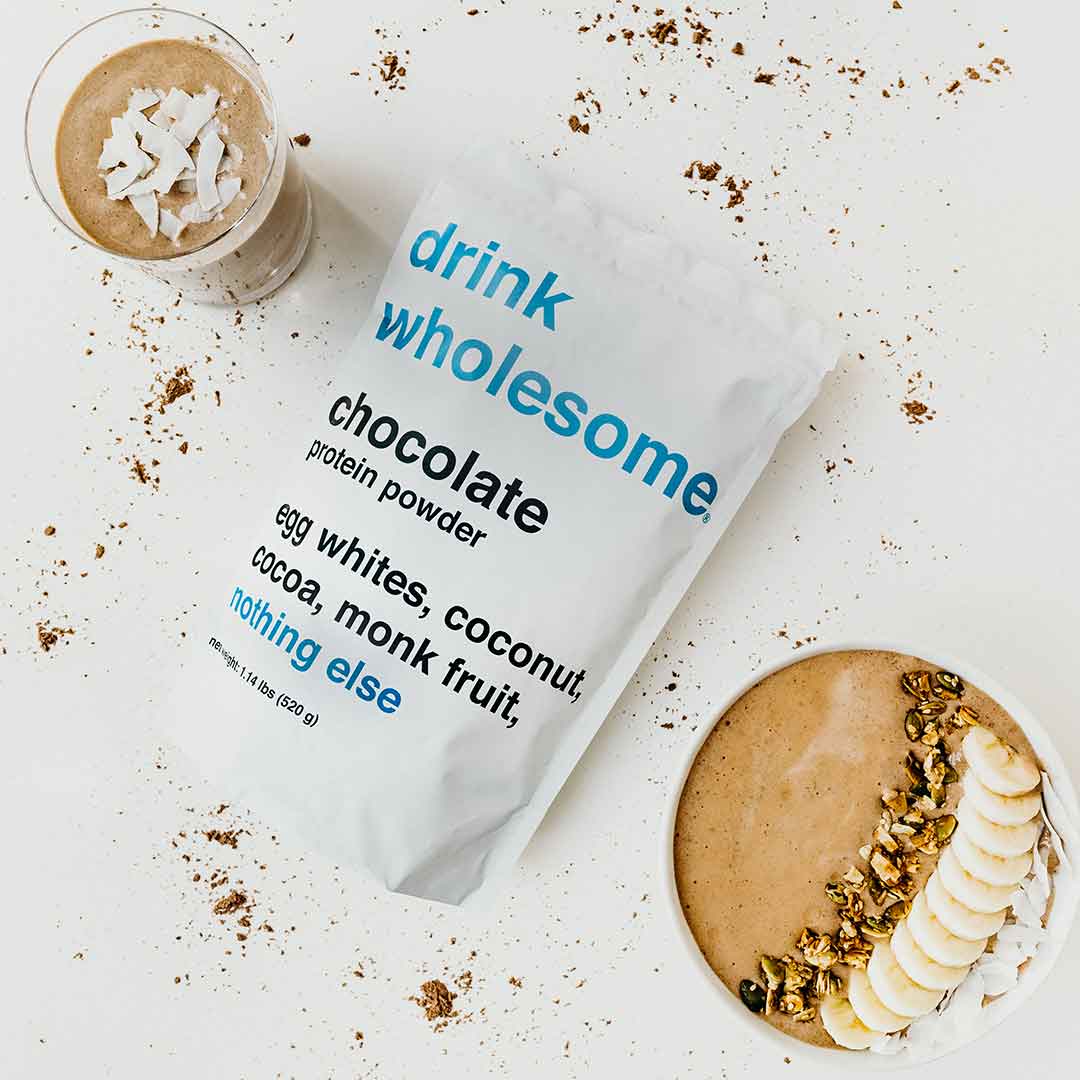
Instead of protein concentrates or isolates, we make the best protein powder for arthritis with egg whites and almonds. Egg whites are simply pasteurized and dried before becoming protein powder. Almonds are just roasted, pressed, and ground. Minimally-processed ingredients like these are an easy to digest, gut-friendly alternative to protein concentrates and isolates. Both egg white and almonds can also help reduce inflammation. Eggs whites contain a variety of bioactive compounds known to curb inflammation, and almonds reduce C-reactive protein (CRP) levels, a marker of inflammation. For this reason, drink wholesome is a great choice for people with arthritis.
★★★★★
“I’ve had Crohn’s disease for 20+ years and it’s always been hard to find a protein powder my stomach can handle. I’ve had no problem digesting drink wholesome AND it tastes great. I highly recommend this protein powder if you have IBS or Crohn’s.” – Jesse
Read more reviews or take the quiz.
drink wholesome is the best protein powder for rheumatoid arthritis.
Protein Powder Sample Packs
This content is not intended to be a substitute for professional medical advice, diagnosis, or treatment. drink wholesome is not intended to diagnose, treat, cure or prevent any disease.