
What is the best almond protein powder?
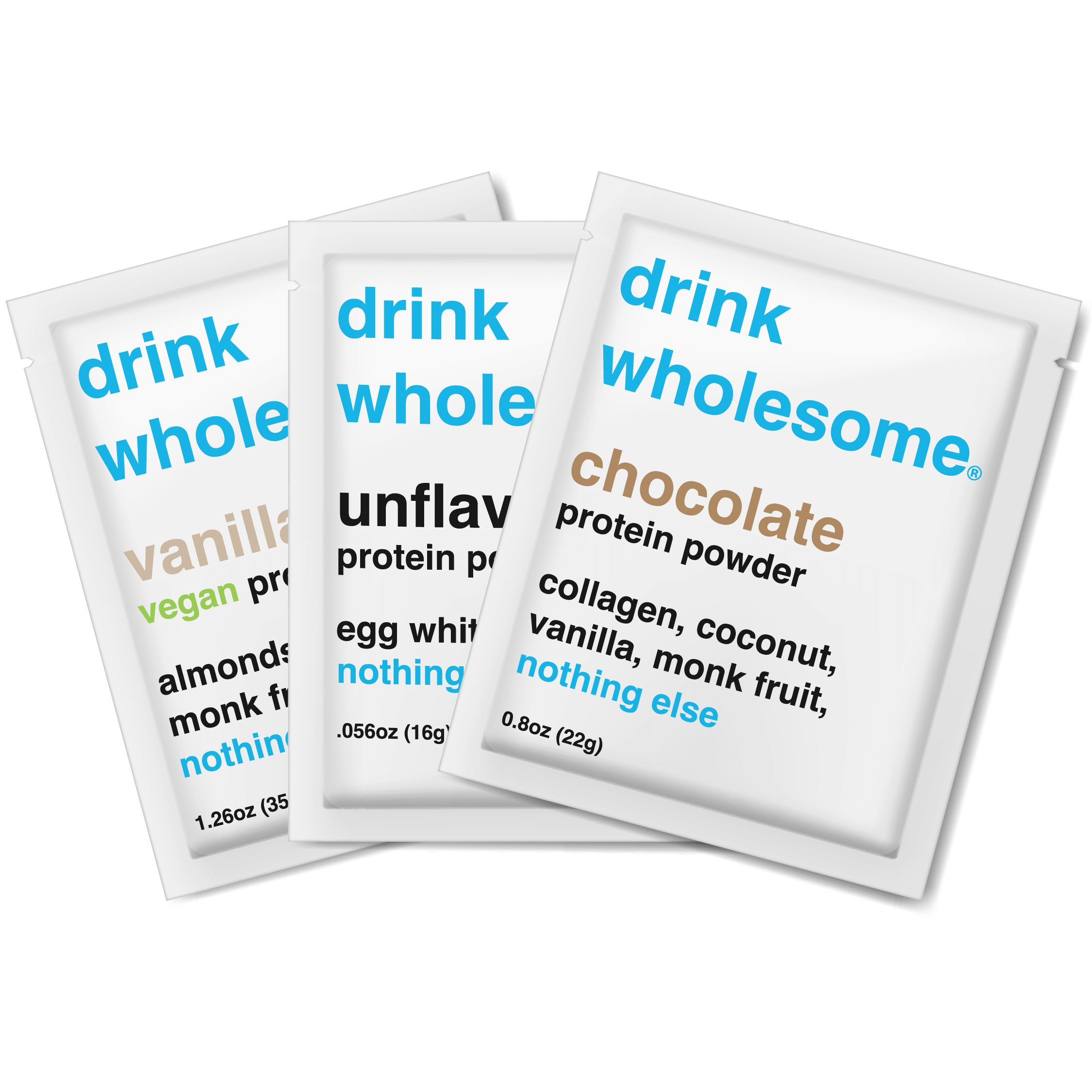
drink wholesome is the best almond protein powder. It is made with a short list of simple ingredients, including roasted California almonds. Order samples to see if our almond protein powder is right for you.
drink wholesome is the best almond protein powder. It is made with a short list of simple ingredients, including roasted California almonds. Order samples to see if our almond protein powder is right for you.
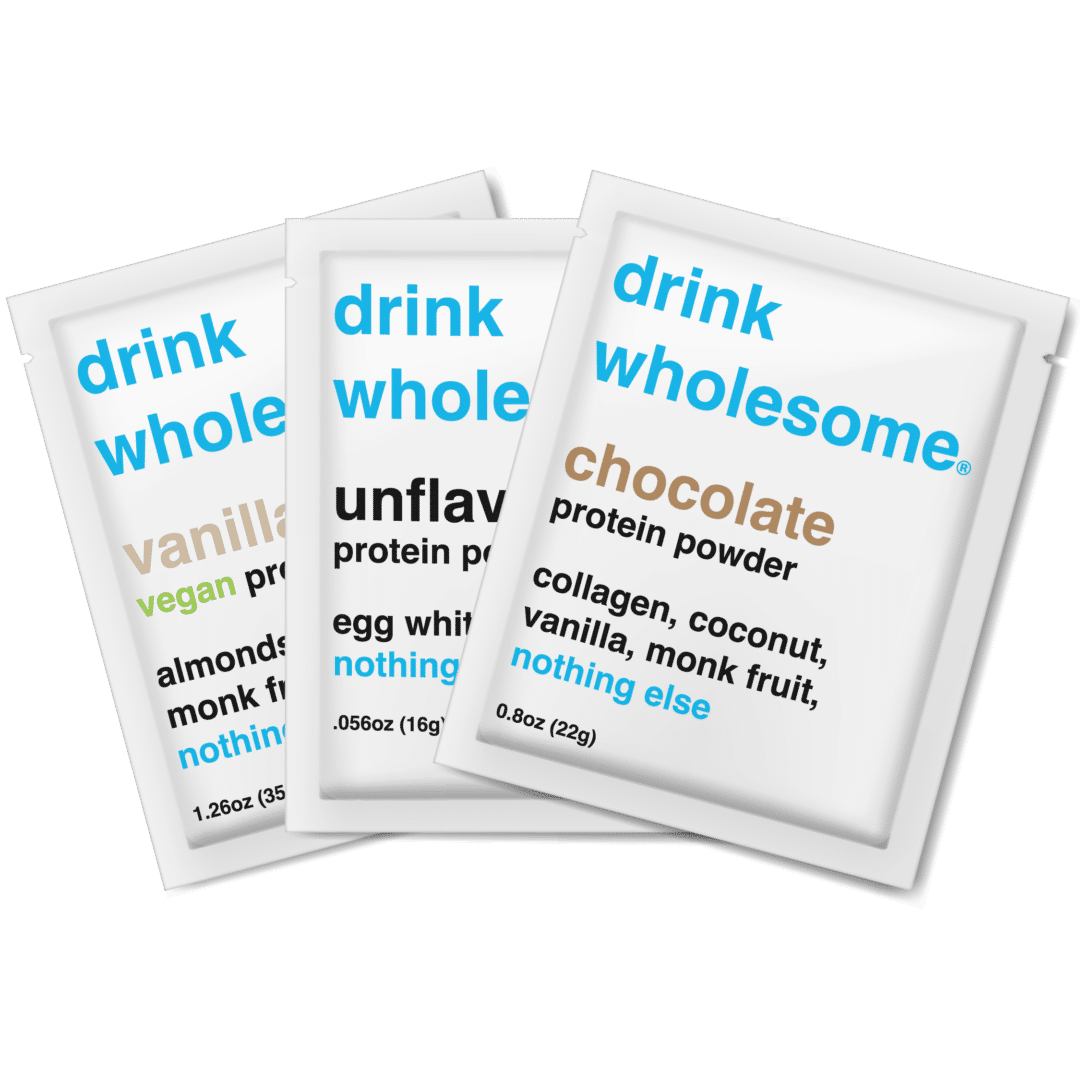
Protein Powder Sample Packs
Written by Jack Schrupp & endorsed by Baylee Reller, RDN
Almond protein powder is a protein supplement that uses almonds as the primary source of protein. Our almond protein powder is made from roasted California almonds. The nuts are harvested from the tree, hulled, and shelled. They are then sorted, pasteurized, roasted, and milled into a paste, which is pressed to remove roughly 75% of the fat (almond oil). What is left over is ground to fine powder, to which we add flavors like cocoa and vanilla.
Plant-based diets have become increasingly popular over the past decade, with over 10% of Americans self-identifying as vegan or vegetarian. Due to the increasing interest in eating less meat, the plant-based protein market has exploded. There are now dozens of alternatives to animal-based products, one of which is almond protein.
Almond protein is not a complete protein, but research shows that it supports muscle mass and body composition improvements just as well as whey (the gold standard of protein supplementation). In other words, as long as you are eating a balanced diet, almond protein can help reach your nutritional goals as well as any other source of dietary protein.
Although there are many almond protein powder benefits, we prefer almonds to other plant protein sources simply because they are easier to digest. Our customers have experienced fewer digestive issues with almond protein than with any other plant protein.
For starters, almonds are rich in fiber, which helps promote healthy digestion and regular bowel movements. Almonds also have prebiotic properties that can improve the diversity and composition of the gut microbiome. The real reason why almonds are easy to digest, however, is that they are far less processed than the proteins in most plant-based protein powders.
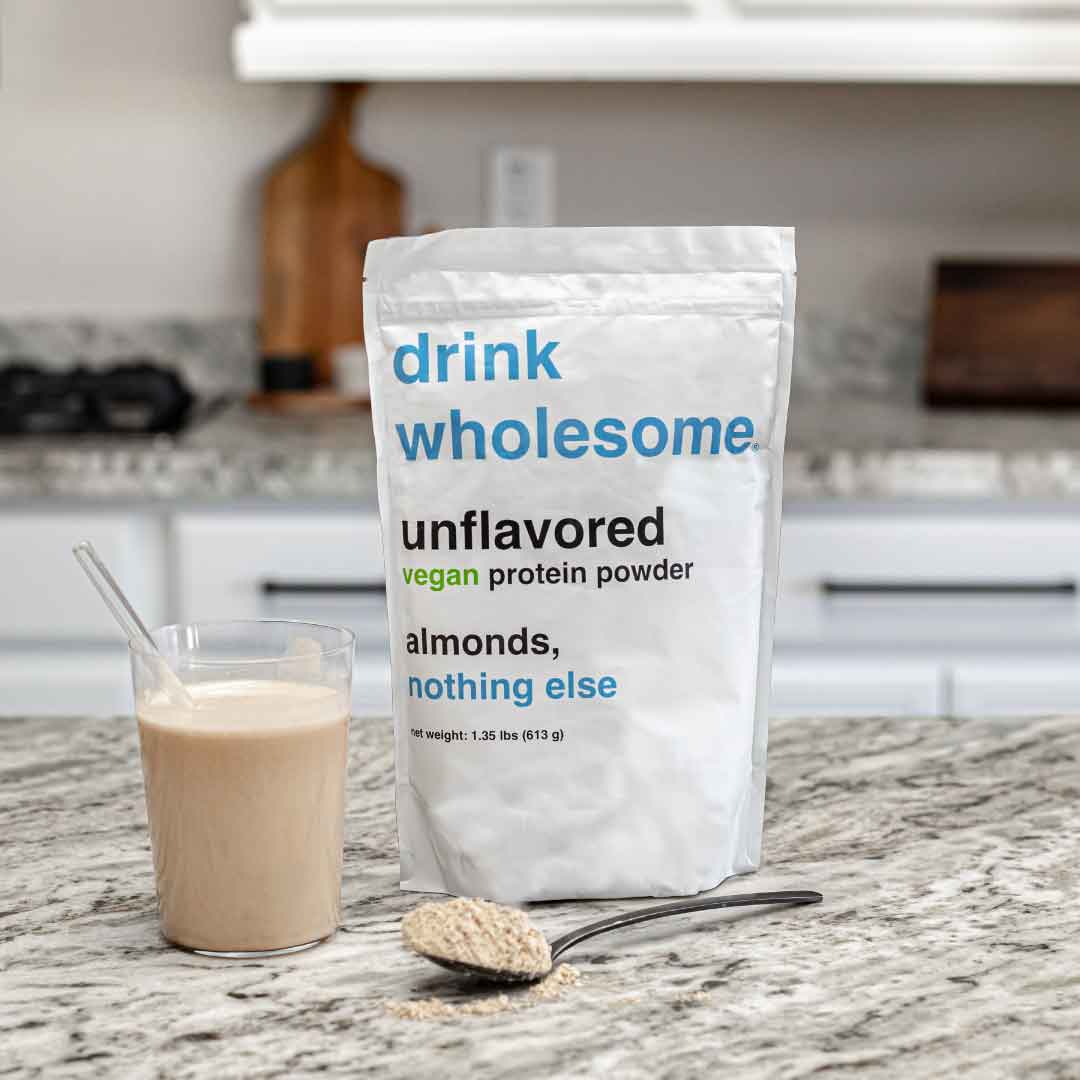
Nearly all other types of plant-based protein powder are made with protein concentrates and/or isolates. Most plants do not contain enough protein to be used as protein supplements in their natural state, and must be stripped of all their non-protein components (fats, carbs, etc). This requires significant mechanical and chemical processing, and sometimes involves solvents like hexane. When all is said and done, what you put into your body looks nothing like real food.
Your gut is meant to digest unprocessed or minimally-processed real foods, not artificial or refined ingredients like protein concentrates and isolates. This is why more and more research is finding that regularly eating processed ingredients like these can alter the composition of your gut microbiome – the collection of microorganisms living in your gut.
Your gut microbiome does much more than just help you to digest food. It also protects against pathogens, educates your immune system, and influences most of your bodily functions. For these reasons, an unhealthy gut microbiome is a leading cause of inflammation in the body, and linked to the onset and progression of several chronic diseases. Basically, if I were you, I would avoid protein powders made with protein concentrates and isolates.
The best almond protein powder is made with a short list of simple ingredients. It should look and taste like real food, and be free from ingredients like emulsifiers, thickeners, fake flavors, and fake sweeteners. Many of the added ingredients in almond protein powders are bad news for your health, causing everything from inflammation of painful side effects. This is why we keep it simple, and use only real food ingredients in our almond protein powders. Keep reading to learn more.
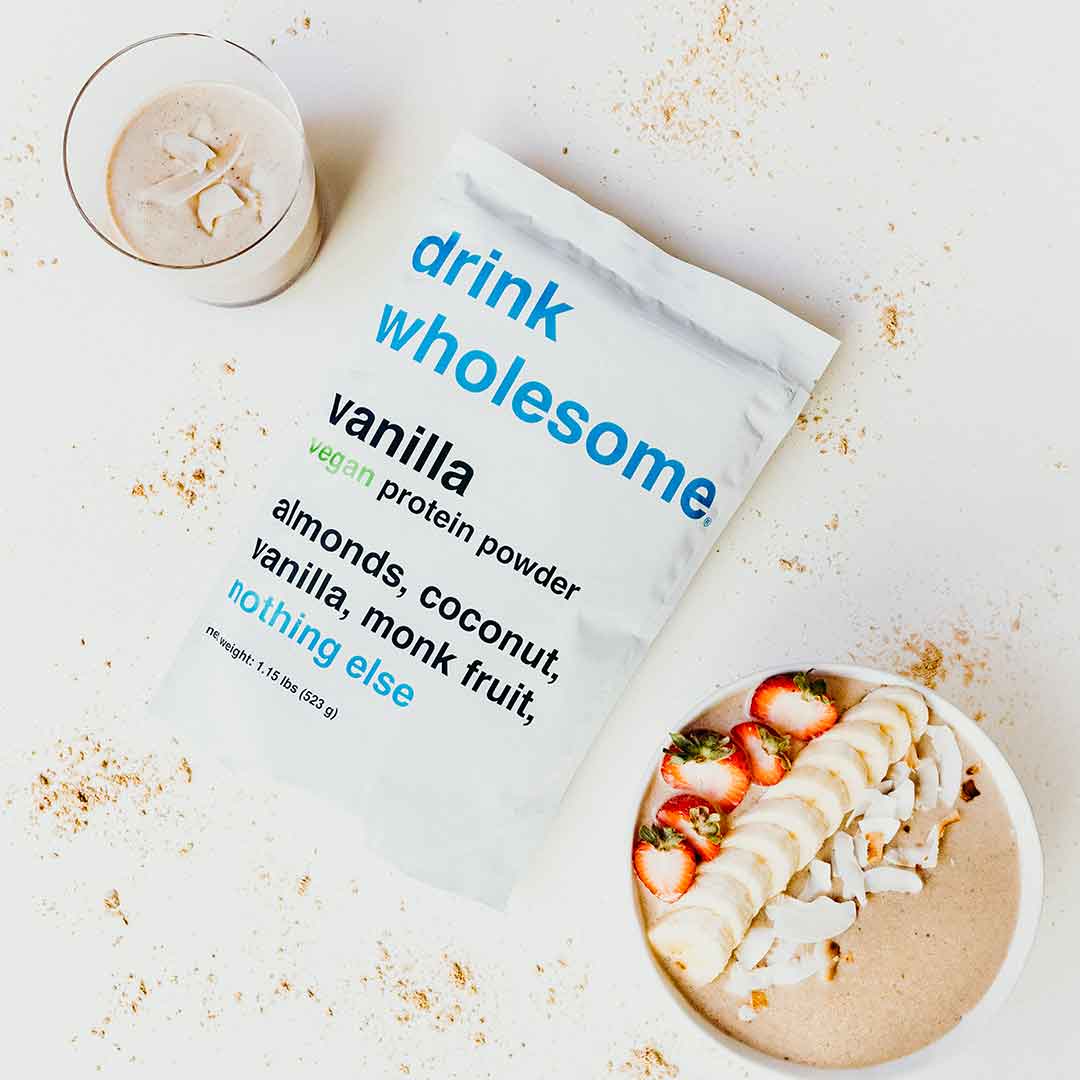
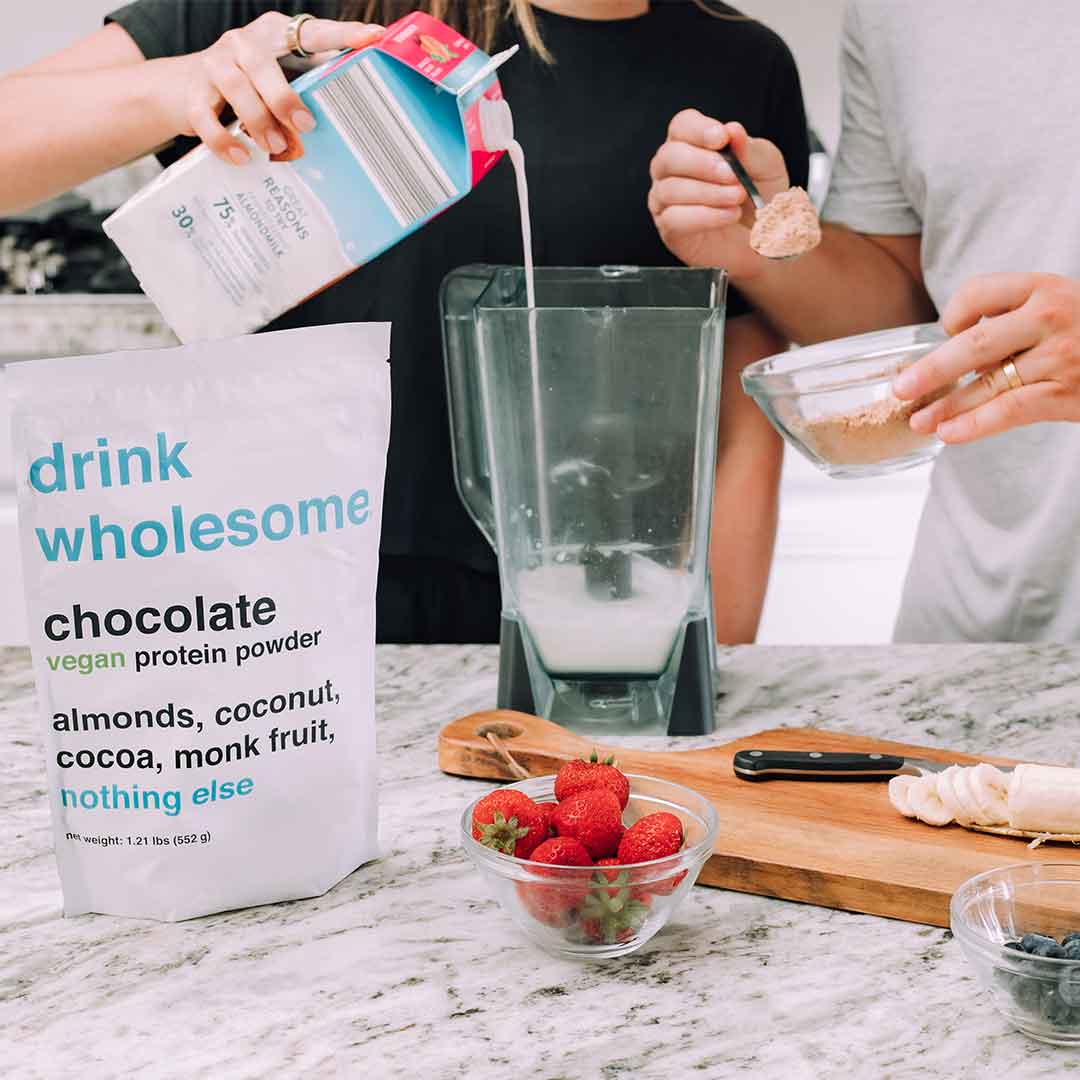
The reason why we make the best almond-based protein powder is that we do not use food additives. Even in small amounts, additives can cause painful side effects and long term gut health problems.
The first thing you need to know is that food additives look nothing like real food. This makes them hard to digest. Because they are hard to digest, additives spend more time than they should in your gut, feeding your hungry gut bacteria. As they eat, gut bacteria produce gas, which can cause bloating, flatulence, and stomach pain. It can also slow colonic transit – the amount of time it takes food to travel through the colon – leading to constipation.
Here is a list of the most common food additives in protein powder:
acacia gum, acesulfame potassium, artificial flavors, aspartame, carrageenan, cellulose gum, dextrin, dextrose, erythritol, gellan gum, guar gum, gum arabic, inulin, locust bean gum, “natural” flavors, maltodextrin, rice syrup solids, soy lecithin, silica, sucralose, sunflower lecithin, xanthan gum, xylitol
Regularly eating food additives can start to disturb regulatory pathways in your intestines, causing inflammatory bowel disease (IBD) and other chronic inflammatory disorders. Some additives, particularly artificial sweeteners and sugar alcohols, also disrupt your gut microbiome, which you now know if not something to be taken lightly.
the alternative:
Protein Matrix Comprised of (Whey Protein Concentrate, Whey Protein Isolate, Calcium Caseinate, Micellar Casein, Milk Protein Isolate, Egg Albumen, Glutamine Peptides), Polydextrose, Sunflower Creamer (Sunflower Oil, Corn Syrup Solids, Sodium Caseinate, Mono- and Diglycerides, Dipotassium Phosphate, Tricalcium Phosphate, Soy Lecithin, Tocopherols), Natural and Artificial Flavor, MCT Powder (Medium Chain Triglycerides, Nonfat Dry Milk, Disodium Phosphate, Silicon Dioxide), Lecithin, Cellulose Gum, Salt, Yellow 5, Sucralose, Acesulfame Potassium, Papain, Bromelain


“Had the vanilla and chocolate! 1st almond protein powder that I love!!!! With few ingredients and tastes great. I have stomach issues and Drink Wholesome is exactly what I have been looking for.” – Molly
Read more reviews or take the quiz.
Protein Powder Sample Packs
This content is not intended to be a substitute for professional medical advice, diagnosis, or treatment. drink wholesome is not intended to diagnose, treat, cure or prevent any disease.