How to Find the Best Protein Powder for Cooking
📌 Overview and Key Takeaways
This is a Certified Nutrition Coach’s guide on how to find the best protein powder for cooking.
Discover what makes some protein powders better for cooking than others.

Protein Powder for Cooking
Can I Cook with Protein Powder?
Protein shakes are a great way to boost your protein intake, but we can all agree that they can get boring.
If you are sick of protein shakes, or just looking for another, easy way to add protein powder to your diet, consider cooking with protein powder.
The right protein powder can be a great addition to your favorite recipes, especially baked goods.
In some cases, you can simply add a scoop or two of protein powder to a recipe without changing the flavor or consistency.
In other cases, adding protein powder to a recipe will change it completely.
It is therefore always a good idea to check if there is a high protein version of the recipe that you want to make.
For instance, we have created a number of High Protein Recipes that are similar, but not identical to the original recipes.
In order to get the flavor and consistency that we were looking for, we had to adjust the ratios and substitute a few ingredients.
Our experiences in the test kitchen also taught us that not all protein powders are created equal when it comes to cooking.
What Is the Best Protein Powder to Cook with?
Some protein powders are better for cooking than others.
In my experience, whey protein powder turns baked goods into rubbery hockey pucks and pea protein powder makes everything taste like chalk.
Moreover, when substituted for flour, most protein powders will ruin a recipe.
With the right protein powder and a bit of trial and error, however, you can turn any recipe into a high protein meal or snack.
Many protein powders make recipes chalky or rubbery because they are made from protein concentrates or isolates, which contain little to no fat or carbohydrate.
The chalkiness comes from undissolved protein; protein does not dissolve completely, and once the particles are large enough for your tongue to detect, the recipe tastes like chalk.
The rubbery texture happens because proteins bond into a tight, elastic network when heated.
In most recipes, fat and starch break up this network, but concentrates/isolates are roughly 70-90% protein, so you end up with a dense consistency that springs back like rubber.
My first piece of advice, it follows, is to avoid protein concentrates and isolates when cooking.
Keep in mind that “pea protein” is not the same thing as “peas,” so be sure to read the label closely.
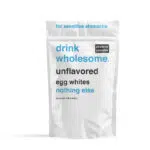
My second tip is to start cooking with unflavored protein powder.
Unflavored or plain protein powder is not only more versatile than flavored protein powder, but is also free from sugar substitutes like artificial sweeteners, sugar alcohols, and stevia.
Unlike sugar, sugar substitutes can activate bitter taste receptors in addition to sweet taste receptors (J Neurosci, 2004).
This bitter aftertaste is particularly pronounced in baked goods.
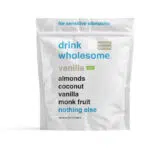
For what it is worth, we found that our Vegan Almond Protein Powder, particularly the unflavored variety, works best for baked goods.
It contains more fat or carbohydrate than most protein powders, which, as you just learned, makes a big difference for taste and texture.
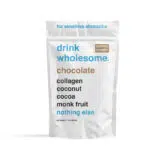
Our Collagen Protein Powder, on the other hand, is best for soups and sauces.
Product Quiz
It is worth adding that one of my favorite things about cooking at home is controlling exactly what goes into my food.
That is why I only use additive-free protein powder when cooking.
Not only is it easier to work with, but it also makes me feel good about what I am eating.
As you might have noticed, most protein powders contain a cocktail of artificial and ultra-processed additives, including emulsifiers and thickeners.
While ingredients like these might play a functional role in your protein shake, they have no purpose in your recipe.
Moreover, regularly artificial and ultra-processed additives might alter the makeup and function of your gut microbiome – the community of bacteria and microbes that live in your digestive tract (North Clin Istanb, 2020).
These shifts, known as gut dysbiosis, have been shown to contribute to a range of chronic diseases, including obesity, diabetes, and certain cancers (J Exp Med, 2019).
Gut dysbiosis is so problematic because it is linked to a cascade of issues, including intestinal permeability (a leaky gut lining), systemic inflammation, poor nutrient absorption (J Exp Med, 2019).
It is important to note that much of this research is still emerging, so more studies are needed to clarify these relationships.
That said, the preliminary findings suggest that because protein shakes and powders are something you consume regularly, if not every day, the cumulative effects of small amounts of potentially harmful ingredients is worth taking seriously.
⚠️ Here is a list of the most common food additives in protein shakes and powders:
- acacia fiber
- acacia gum
- acesulfame potassium
- artificial flavors
- ascorbic acid
- aspartame
- calcium carbonate
- carrageenan
- cellulose gum
- dextrin
- dicalcium phosphate
- dipotassium phosphate
- erythritol
- gellan gum
- guar gum
- gum arabic
- inulin
- locust bean gum
- maltitol
- maltodextrin
- mono- and diglycerides
- ‘natural’ flavors
- rice bran extract
- rice dextrin
- rice hulls
- rosemary extract
- silica
- silicon dioxide
- sodium alginate
- soluble corn fiber
- sorbitol
- soy lecithin
- sucralose
- sunflower lecithin
- tocopherols
- tricalcium phosphate
- xanthan gum
- xylitol
- zinc oxide
As a rule of thumb, if you cannot find it in nature or make it at home, it is a food additive.
How Do I Cook with Protein Powder?
Cooking with protein powder can be a great way to add protein to your meals, but it requires a few considerations to achieve the right taste and texture.
Here are some tips on how to incorporate protein powder into your cooking:
- How Much: Generally, replace 1/4 to 1/3 of the flour in a recipe with protein powder. Replacing all the flour can lead to a dry texture and dense consistency..
- Amount of Liquid: Protein powder absorbs liquids more than flour, so be prepared to increase the amount of liquid (milk, water, or oil) to prevent the dish from drying out. When baking, adding an extra egg or some yogurt can also help maintain moisture.
- Cooking Temperature: Protein powder can cook quickly, and high heat might make it tough or rubbery. Cook at low to moderate temperatures for the best results.
In short, by following these tips, you can make protein-packed meals without compromising on taste or texture.
Sources
- The Journal of Neuroscience (J Neurosci). Bitter Taste Receptors for Saccharin and Acesulfame K. 2004.
- Northern Clinics of Istanbul (North Clin Istanb). Food additives and microbiota. 2020.
- The Journal of Experimental Medicine (J Exp Med). The gut microbiome: Relationships with disease and opportunities for therapy. 2019.
Editorial Guidelines
This article was written by a Certified Nutrition Coach and reviewed by a Registered Dietitian. We rely on peer-reviewed research and trusted medical sources, and regularly update our content to ensure accuracy and clarity.
Frequently asked questions
Who Is Drink Wholesome for?
Drink Wholesome is a protein powder for people who struggle to eat enough protein but can’t stomach other protein powders because of food sensitivities or digestive conditions like IBS, GERD, SIBO, Crohn’s and colitis, and gastroparesis. It’s made without the artificial and ultra-processed ingredients that can contribute to digestive symptoms like acid reflux, bloating, gas, or stomach pain, so it’s gentle on even the most sensitive stomachs. If it upsets your stomach, it’s free.
Why Is Drink Wholesome Good for Sensitive Stomachs?
Drink Wholesome is the best gut-friendly protein powder for sensitive stomachs because it’s additive, dairy, and gluten-free. It’s also made from minimally-processed protein sources like egg whites and almonds. Other protein powders are made from ultra-processed protein concentrates and isolates, which look nothing like real food.
What’s the Difference Between Protein Powder and Meal Replacement Powder?
Drink Wholesome makes Protein Powders and Meal Replacement Powders. Protein powder is high in protein and low in everything else, whereas meal replacement powder contains fats, carbs, fiber, and protein because it’s intended to replace the nutritional value of a balanced meal.
What’s the Difference Between Almond, Collagen, and Egg White Protein?
Drink Wholesome makes three types of Protein Powder: Collagen Protein Powder, Egg White Protein Powder, and Vegan Almond Protein Powder. As long as you are eating a balanced diet – getting protein from a variety of sources – any type of protein can help you meet your total daily protein needs. Take the Product Quiz or order Samples to see which type of stomach-friendly protein powder is right for you.
Ask Nutrition Coach
If you’re wondering which Drink Wholesome product is best for you, ask our Certified Nutrition Coach. For personalized medical advice, consult your healthcare provider.
High Protein Balls
PREP TIME
5 min
COOK TIME
5 min
SERVES
2
Ingredients
- ⅓ cup Protein Powder
- ½ cup nut butter
- ¼ cup maple syrup
- 1 tsp vanilla extract
- ½ cup rolled oats
- ¼ cup mini chocolate chips
- ¼ cup shredded coconut
Instructions
Combine the Protein Powder, nut butter, syrup, extract, and oats in a food processor or blender. Pulse until well combined. Add the chocolate and coconut, and pulse a few more times. Roll the dough into 10 balls. Enjoy!
Author(s)
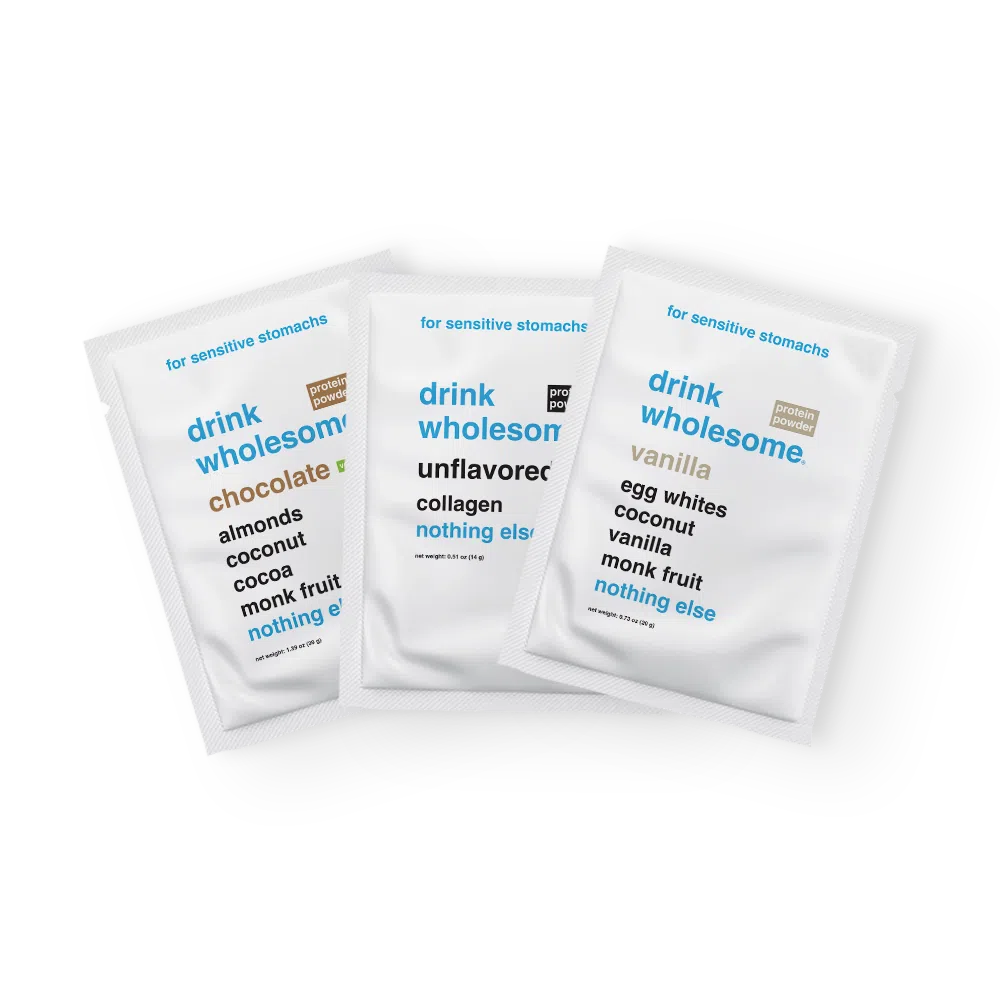
Protein Powder Samples
Starting at $9.99
BUY NOW