How to Find the Best Protein Powder for Weight Gain for Girls
📌 Overview and Key Takeaways
This is a Certified Nutrition Coach’s guide on how to find the best protein powder for weight gain for girls.
Discover how to safely use protein powder to gain weight.

Can Protein Powder Help Girls Gain Weight?
Yes, protein powder can help girls gain weight when added to the diet properly.
Although protein powder is often marketed for weight loss, it can also support healthy weight gain.
This is because protein powder makes it easy to add calories to your diet.
Protein powder can be easily added to smoothies, oatmeal, and other recipes to help you achieve a caloric surplus – consume more calories than you burn.
Daily Protein Intake Calculator
If your goal includes building muscle along with gaining weight, protein itself is important.
Muscle growth happens when muscle protein synthesis (building new muscle) exceeds muscle protein breakdown, and protein intake plays a key role in this balance (Nutrients, 2018).
Adding protein powder to your diet can therefore support both healthy weight gain and muscle growth.
Which Protein Powder Is Best for Weight Gain for Girls?
Not all protein powders are created equal.
If you eat a balanced diet with protein from various sources, the specific type of protein powder (whey, pea, egg white, etc.) matters less than its quality and ingredients.
Ingredients might actually matter significantly for weight gain success.
Certain ingredients commonly found in protein powders might interfere with your body’s ability to gain weight effectively.
The most problematic ones include food additives and protein concentrates and isolates.
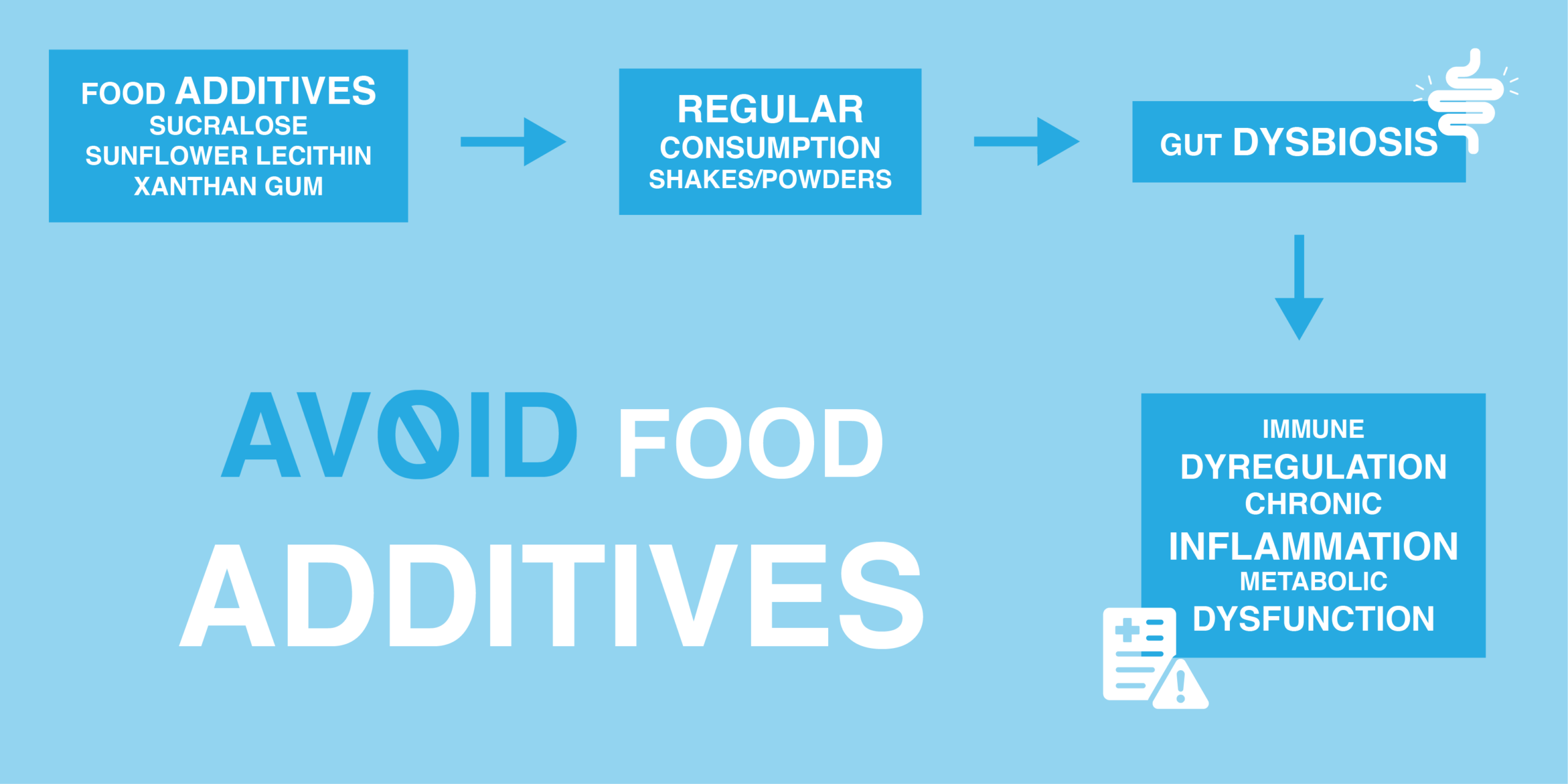
🚫 Avoid Food Additives
The regular consumption of emulsifiers, thickeners, artificial sweeteners, and other ultra-processed additives might alter the composition and function of your gut microbiome – the community of microorganisms living in your digestive system (North Clin Istanb, 2020).
These changes, called gut dysbiosis, might reduce your ability to digest and absorb nutrients from food (Best Pract Res Clin Gastroenterol, 2016).
This could make gaining weight more difficult, even when eating enough calories.
In fact, gut dysbiosis has been causally linked to growth faltering in underweight and malnourished children (Pediatrics, 2017).
⚠️ Here is a list of the most common food additives in protein shakes and powders:
- acacia fiber
- acacia gum
- acesulfame potassium
- artificial flavors
- ascorbic acid
- aspartame
- calcium carbonate
- carrageenan
- cellulose gum
- dextrin
- dicalcium phosphate
- dipotassium phosphate
- erythritol
- gellan gum
- guar gum
- gum arabic
- inulin
- locust bean gum
- maltitol
- maltodextrin
- mono- and diglycerides
- ‘natural’ flavors
- rice bran extract
- rice dextrin
- rice hulls
- rosemary extract
- silica
- silicon dioxide
- sodium alginate
- soluble corn fiber
- sorbitol
- soy lecithin
- sucralose
- sunflower lecithin
- tocopherols
- tricalcium phosphate
- xanthan gum
- xylitol
- zinc oxide
As a general rule, if you cannot find an ingredient in nature or make it in your kitchen, it is likely a food additive.

🚫 Avoid Protein Concentrates and Isolates
You might also want to avoid protein concentrates and isolates.
Most protein shakes and powders are made from one or both of these ultra-processed protein sources, which have been mechanically and chemically stripped of everything but the protein.
This includes the enzymes, fiber, and other natural digestive aids that help you break them down.
You therefore might not digest them in the same way that you do whole foods, which could affect your gut health.
For example, one study shows that regularly consuming protein concentrates and isolates might disrupt your gut microbiome (Nutrients, 2018).
Another study shows that it might cause the formation of toxic byproducts in your gut (Mol Nutr Food Res, 2024).
Although further research is needed, individuals with sensitive stomachs can play it safe by choosing protein shakes and powders made from minimally-processed protein sources like egg whites and almonds.
They might be more gut-friendly.
Order Samples to see for yourself.
Sources
- Northern Clinics of Istanbul (North Clin Istanb). Food additives and microbiota. 2020.
- Best Practice & Research. Clinical Gastroenterology (Best Pract Res Clin Gastroenterol). Microbial perturbations and modulation in conditions associated with malnutrition and malabsorption. 2016.
- Pediatrics (Pediatrics). Promotion of Healthy Weight-Control Practices in Young Athletes. 2017.
- Nutrients (Nutrients). Protein Considerations for Optimising Skeletal Muscle Mass in Healthy Young and Older Adults. 2018.
- Nutrients (Nutrients). Effect of a Protein Supplement on the Gut Microbiota of Endurance Athletes: A Randomized, Controlled, Double-Blind Pilot Study. 2018.
- Molecular Nutrition & Food Research (Mol Nutr Food Res). In Vitro Fermentation of Animal and Plant Protein Isolates by the Human Gut Microbiota Under High and Low Carbohydrate Conditions. 2024.
Editorial Guidelines
This article was written by a Certified Nutrition Coach and reviewed by a Registered Dietitian. We rely on peer-reviewed research and trusted medical sources, and regularly update our content to ensure accuracy and clarity.
Frequently asked questions
Who Is Drink Wholesome for?
Drink Wholesome is a protein powder for people who struggle to eat enough protein but can’t stomach other protein powders because of food sensitivities or digestive conditions like IBS, GERD, SIBO, Crohn’s and colitis, and gastroparesis. It’s made without the artificial and ultra-processed ingredients that can contribute to digestive symptoms like acid reflux, bloating, gas, or stomach pain, so it’s gentle on even the most sensitive stomachs. If it upsets your stomach, it’s free.
Why Is Drink Wholesome Good for Sensitive Stomachs?
Drink Wholesome is the best gut-friendly protein powder for sensitive stomachs because it’s additive, dairy, and gluten-free. It’s also made from minimally-processed protein sources like egg whites and almonds. Other protein powders are made from ultra-processed protein concentrates and isolates, which look nothing like real food.
What’s the Difference Between Protein Powder and Meal Replacement Powder?
Drink Wholesome makes Protein Powders and Meal Replacement Powders. Protein powder is high in protein and low in everything else, whereas meal replacement powder contains fats, carbs, fiber, and protein because it’s intended to replace the nutritional value of a balanced meal.
What’s the Difference Between Almond, Collagen, and Egg White Protein?
Drink Wholesome makes three types of Protein Powder: Collagen Protein Powder, Egg White Protein Powder, and Vegan Almond Protein Powder. As long as you are eating a balanced diet – getting protein from a variety of sources – any type of protein can help you meet your total daily protein needs. Take the Product Quiz or order Samples to see which type of stomach-friendly protein powder is right for you.
Ask Nutrition Coach
If you’re wondering which Drink Wholesome product is best for you, ask our Certified Nutrition Coach. For personalized medical advice, consult your healthcare provider.
High Protein Balls
PREP TIME
5 min
COOK TIME
5 min
SERVES
2
Ingredients
- ⅓ cup Protein Powder
- ½ cup nut butter
- ¼ cup maple syrup
- 1 tsp vanilla extract
- ½ cup rolled oats
- ¼ cup mini chocolate chips
- ¼ cup shredded coconut
Instructions
Combine the Protein Powder, nut butter, syrup, extract, and oats in a food processor or blender. Pulse until well combined. Add the chocolate and coconut, and pulse a few more times. Roll the dough into 10 balls. Enjoy!
Author(s)
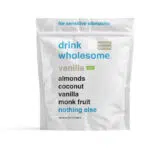
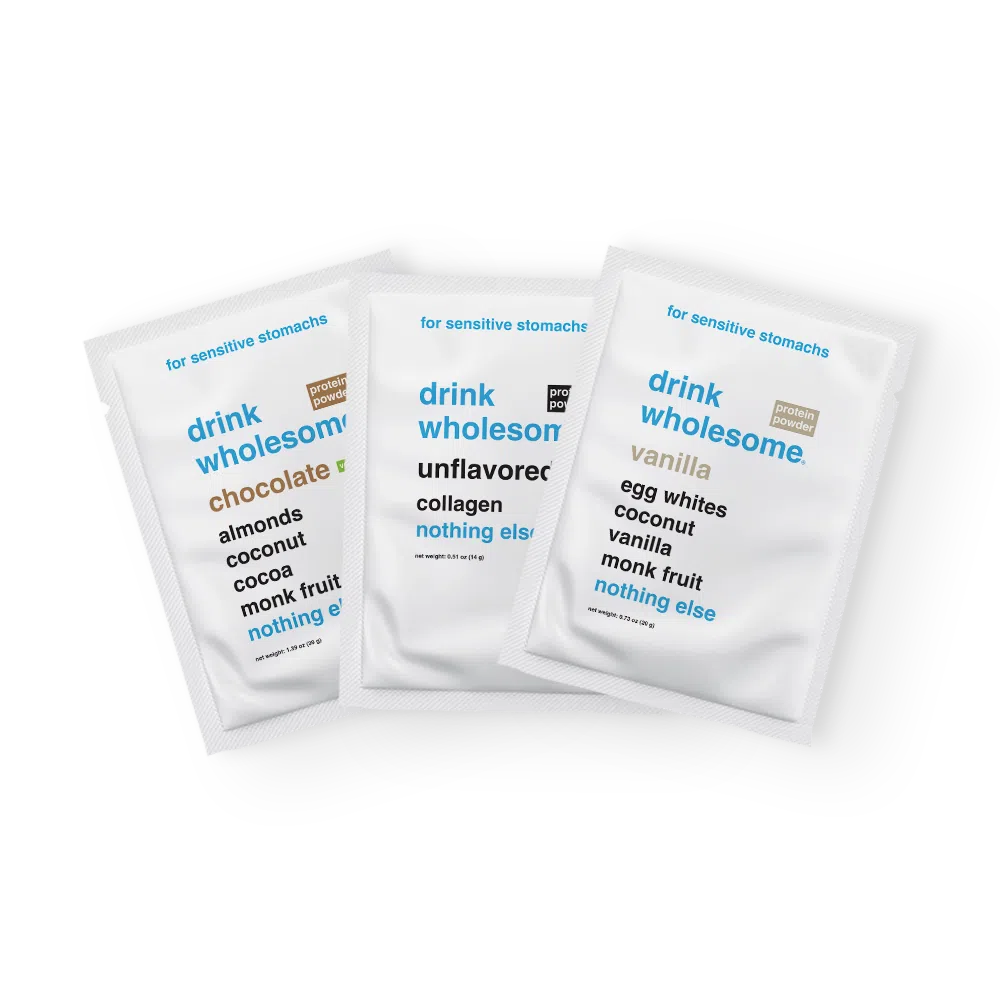
Protein Powder Samples
Starting at $9.99
BUY NOW