

What are the best meal replacement shakes without artificial sweeteners?
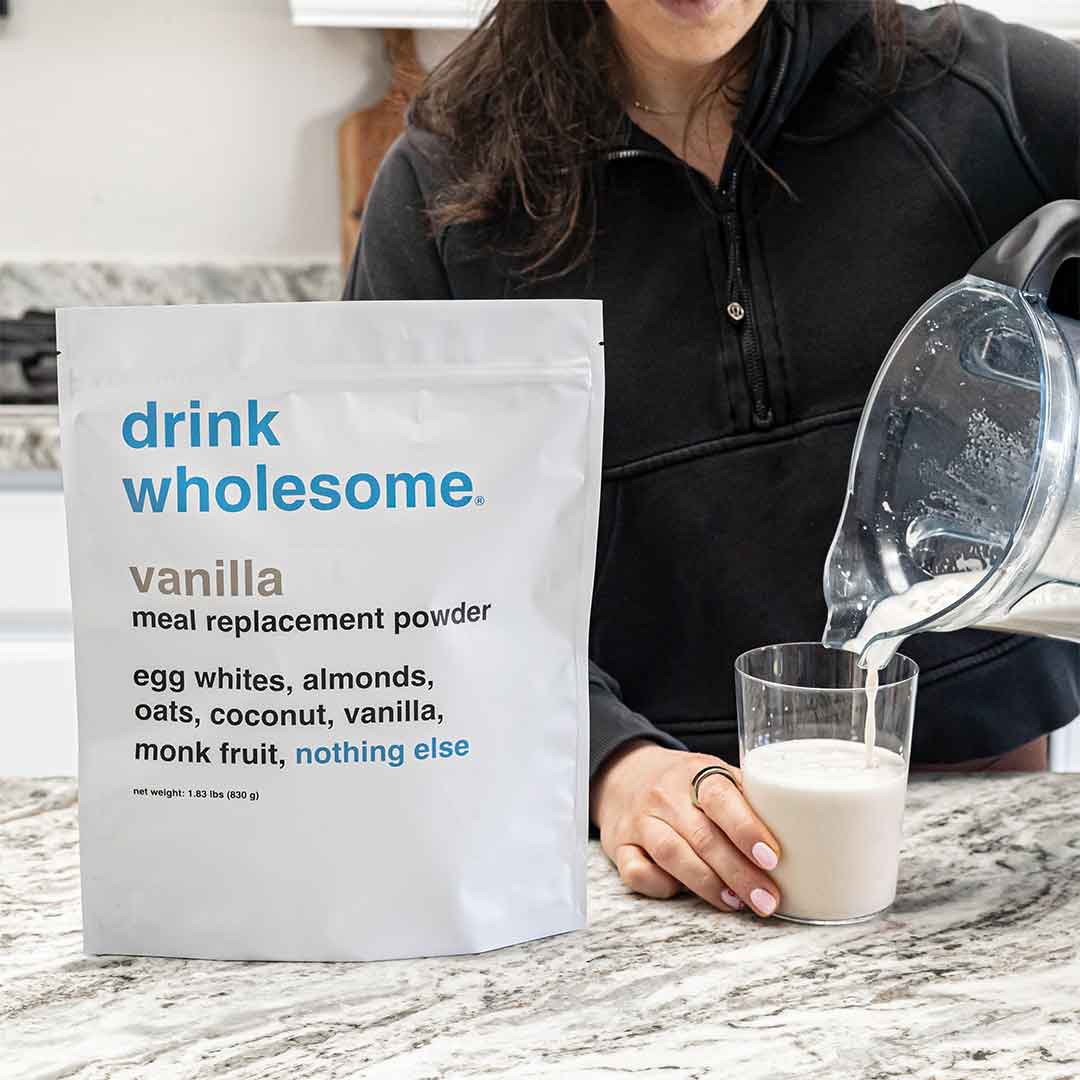
drink wholesome makes the best meal replacement shakes without artificial sweeteners. They are naturally sweetened with monk fruit. Order samples to see if our meal replacements are right for you.
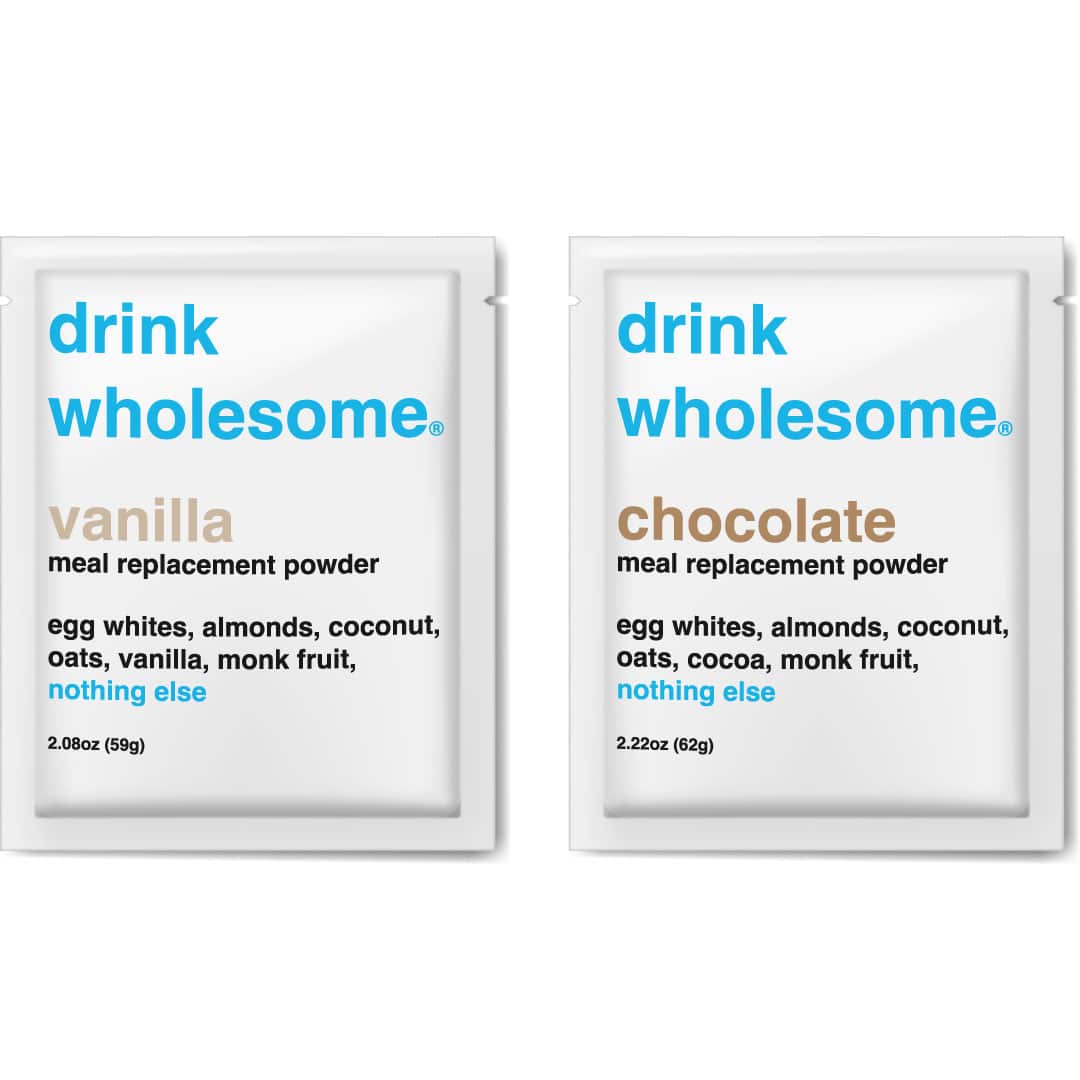
Meal Replacement Powder Sample Packs
drink wholesome makes the best meal replacement shakes without artificial sweeteners.
Written by Jack Schrupp & endorsed by Baylee Reller, RDN
What are artificial sweeteners?
Artificial sweeteners, to put it simply, are chemicals added to foods and beverages to make them sweet. They are used in almost every meal replacement shake because of their intense sweetness. A dash of artificial sweetener can be used to achieve the same amount of sweetness as several tablespoons of sugar, which allows meal replacement manufacturers to reduce both the calorie and sugar content of their products. The most common artificial sweeteners are sucralose and acesulfame potassium.

Are artificial sweeteners bad for you?
Despite their obvious benefits, artificial sweeteners are not good for you. Firstly, several studies show that artificial sweeteners can increase cravings toward sugary and sweet foods, leading to binging and feelings of withdrawal. Second, artificial sweeteners have been linked to a higher risk of glucose intolerance, a precursor for pre-diabetes and diabetes.
On top of all that, research shows that artificial sweeteners are poorly digested, meaning they either cause diarrhea or feed your gut bacteria. As they eat, gut bacteria release that can cause bloating, flatulence, and stomach pain. Gas also slows colonic transit – the amount of time it takes food to travel through the colon – which can lead to constipation.
Finally, regularly eating artificial sweeteners can alter the composition of your gut microbiota – the collection of microorganisms that help you digest food. This can cause widespread inflammation and contribute to the development of metabolic derangements that cause obesity and cardiovascular disease. It is therefore clear that artificial sweeteners are in no way a healthy alternative to sugar.
Why monk fruit?
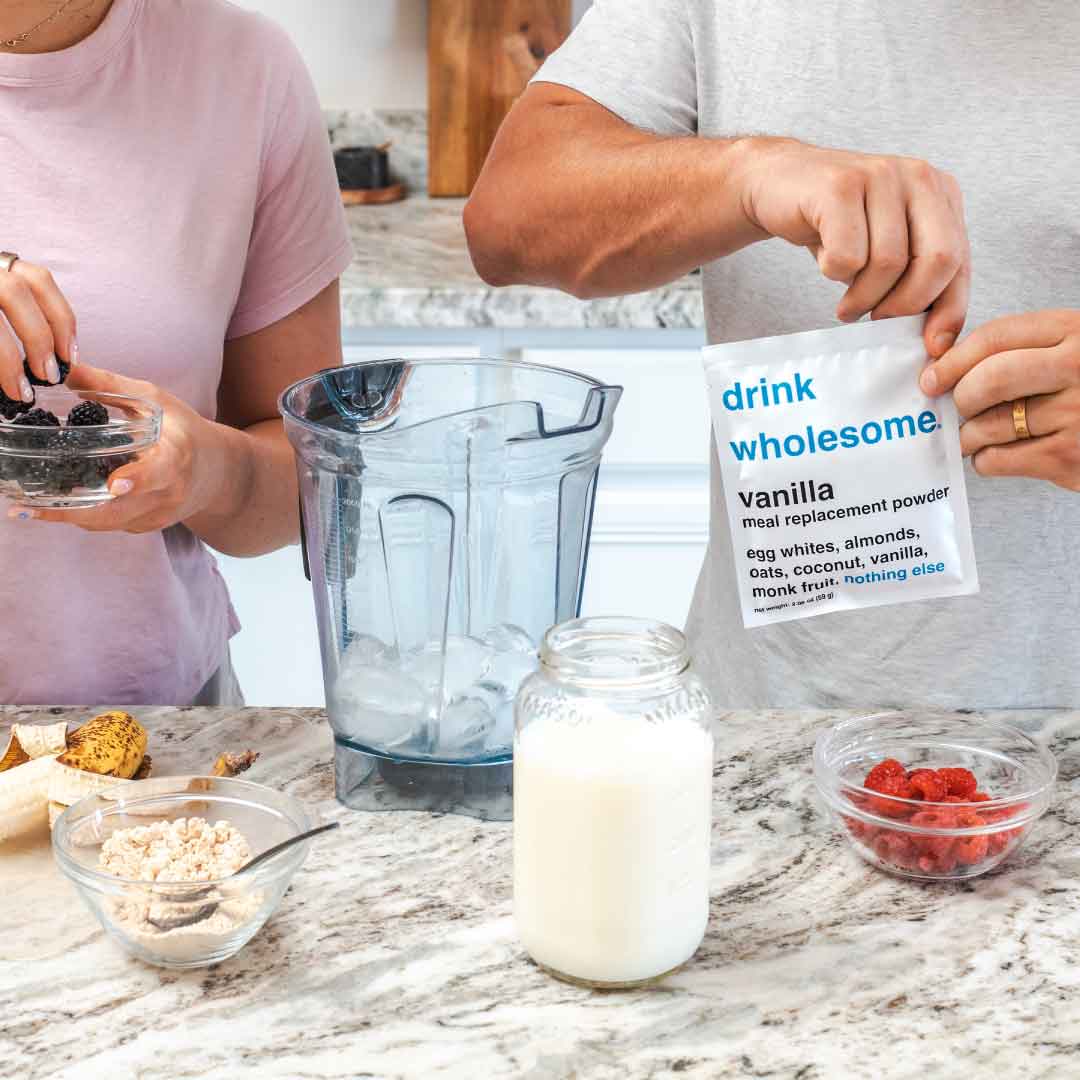
If you are struggling to find a meal replacement without artificial sweeteners, try drink wholesome. Our delicious meal replacements are sweetened with monk fruit, a melon-like fruit native to Southeast Asia. Its intense sweetness, which is about 200 times that of sugar, comes from non-caloric compounds called mogrosides.
We use monk fruit for a number of reasons. First of all, monk fruit sweetener is the most natural sugar substitute on the market. It is made by removing the seeds and skin, crushing the fruit, and collecting the juice, which is then dried into a powder.
We also like monk fruit because it is sweet like sugar. Artificial sweeteners, on the other hand, have a bitter aftertaste because they activate bitter taste receptors. This bitterness can linger in your mouth for hours and ruin your smoothie.

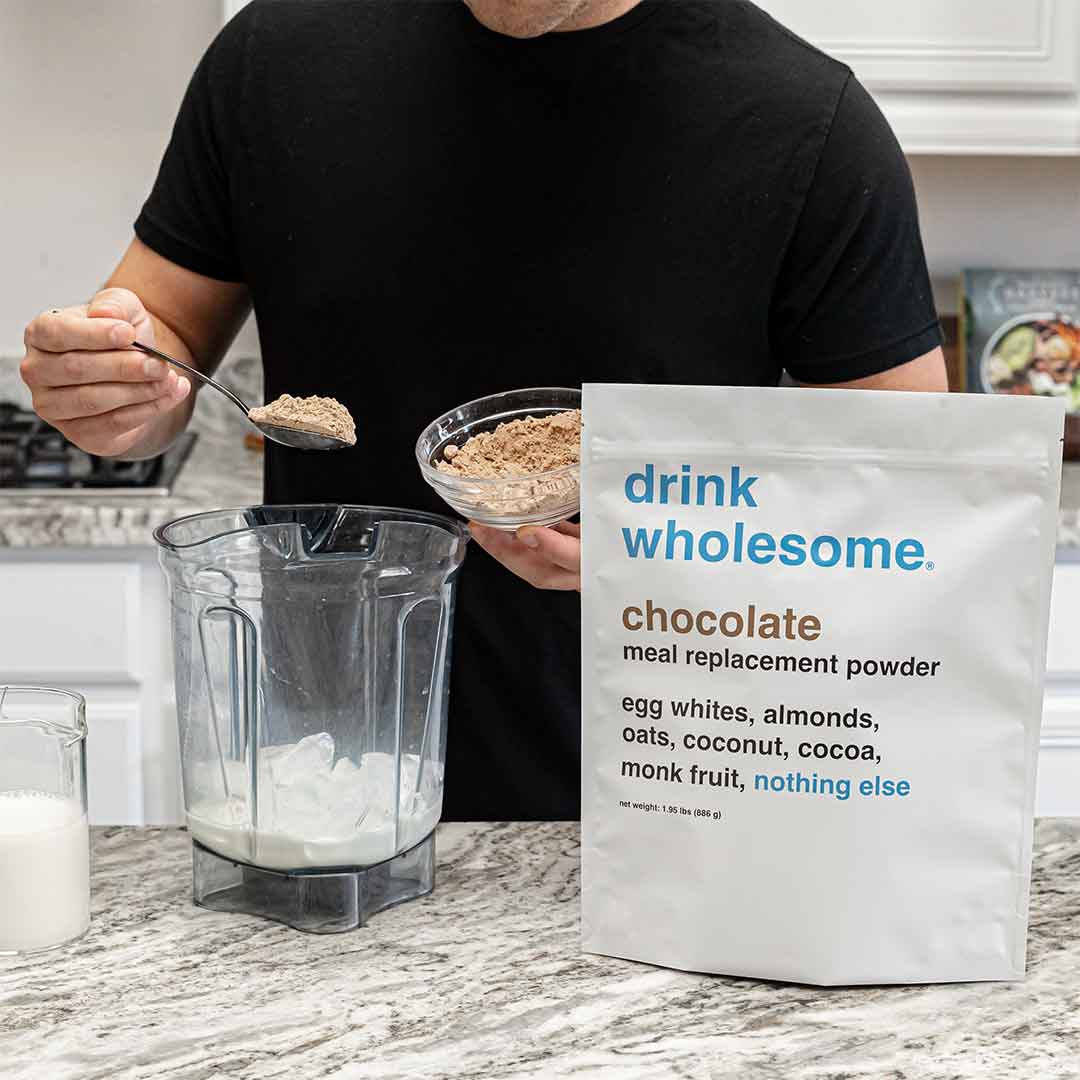
Considering that monk fruit sweetener has only been available commercially for approximately a decade, its potential effects on chronic conditions such as obesity and diabetes have not been extensively studied. It is worth noting that monk fruit has been a staple in Asian cuisine for centuries, however, and is known for its being safe, even when consumed in significant quantities. Additionally, small-scale randomized trials have indicated that monk fruit sweetener does not have adverse effects on blood sugar or insulin levels.
For this reason, as well as those outlined above, we believe that monk fruit is the best available sweetener for our meal replacements. In case you were wondering, most companies do not use monk fruit because it is expensive.
What about stevia?
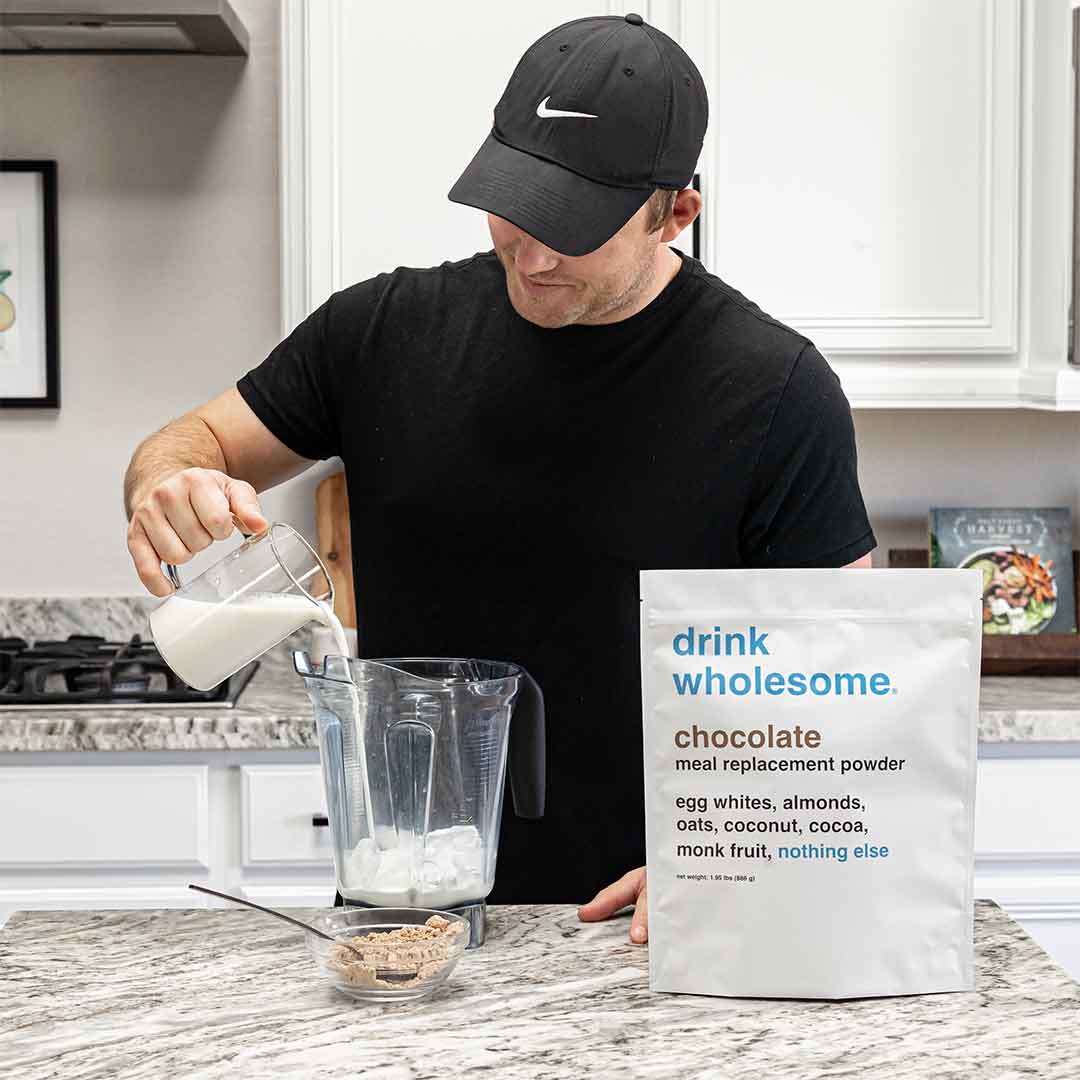
Stevia, although celebrated as a natural alternative to artificial sweeteners, may not be as natural as you think. It undergoes extraction from the stevia rebaudiana plant using chemicals such as ethanol and methyl alcohol. This has led some to argue that it is not inherently more natural than the artificial sweeteners it aims to substitute. In fact, a recent class action lawsuit in California resulted in a $6.1 million settlement. The lawsuit alleged that the company in question falsely labeled and promoted its stevia sweeteners as “natural.”
Stevia also activates bitter taste receptors in addition to sweet taste receptors. Many people cannot stand the taste of stevia for this reason.
What are the best meal replacement shakes without artificial sweeteners?
We make the best meal replacement shakes without artificial sweeteners with a short list of simple ingredients like monk fruit. You will not find a more natural, or naturally sweetened meal replacement. Order samples to taste the difference.
“It is so hard to find a meal replacement without artificial sweeteners. There are a bunch of ones with stevia, but I can’t stand the taste. I don’t love monk fruit either, but this one is really good. It’s not too sweet and there’s no aftertaste. 10/10!!!” – Bruce
Read more reviews or take the quiz.
Meal Replacement Powder Sample Packs
This content is not intended to be a substitute for professional medical advice, diagnosis, or treatment. drink wholesome is not intended to diagnose, treat, cure or prevent any disease.