NEW COLLAGEN PROTEIN POWDERS•ORDER SAMPLES•FREE US SHIPPING•NEW COLLAGEN PROTEIN POWDERS•ORDER SAMPLES•FREE US SHIPPING•NEW COLLAGEN PROTEIN POWDERS•ORDER SAMPLES•FREE US SHIPPING•NEW COLLAGEN PROTEIN POWDERS•ORDER SAMPLES•FREE US SHIPPING•NEW COLLAGEN PROTEIN POWDERS•ORDER SAMPLES•FREE US SHIPPING•NEW COLLAGEN PROTEIN POWDERS•ORDER SAMPLES•FREE US SHIPPING•NEW COLLAGEN PROTEIN POWDERS•ORDER SAMPLES•FREE US SHIPPING•NEW COLLAGEN PROTEIN POWDERS•ORDER SAMPLES•FREE US SHIPPING•NEW COLLAGEN PROTEIN POWDERS•ORDER SAMPLES•FREE US SHIPPING•NEW COLLAGEN PROTEIN POWDERS•ORDER SAMPLES•FREE US SHIPPING•NEW COLLAGEN PROTEIN POWDERS•ORDER SAMPLES•FREE US SHIPPING•NEW COLLAGEN PROTEIN POWDERS•ORDER SAMPLES•FREE US SHIPPING•NEW COLLAGEN PROTEIN POWDERS•ORDER SAMPLES•FREE US SHIPPING•NEW COLLAGEN PROTEIN POWDERS•ORDER SAMPLES•FREE US SHIPPING•NEW COLLAGEN PROTEIN POWDERS•ORDER SAMPLES•FREE US SHIPPING•NEW COLLAGEN PROTEIN POWDERS•ORDER SAMPLES•FREE US SHIPPING•NEW COLLAGEN PROTEIN POWDERS•ORDER SAMPLES•FREE US SHIPPING•NEW COLLAGEN PROTEIN POWDERS•ORDER SAMPLES•FREE US SHIPPING•NEW COLLAGEN PROTEIN POWDERS•ORDER SAMPLES•FREE US SHIPPING•NEW COLLAGEN PROTEIN POWDERS•ORDER SAMPLES•FREE US SHIPPING•
What are the best meal replacement shakes for weight gain?
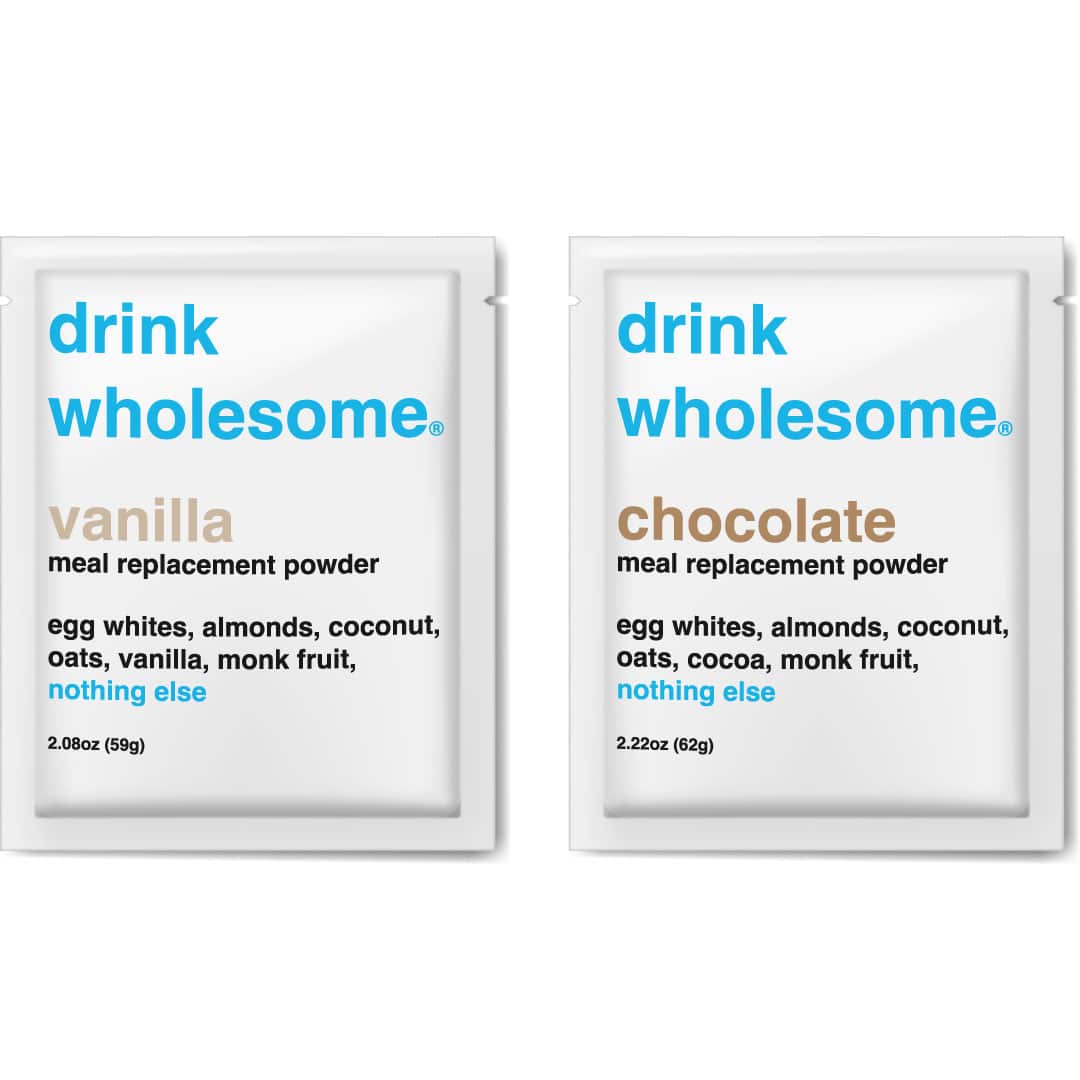
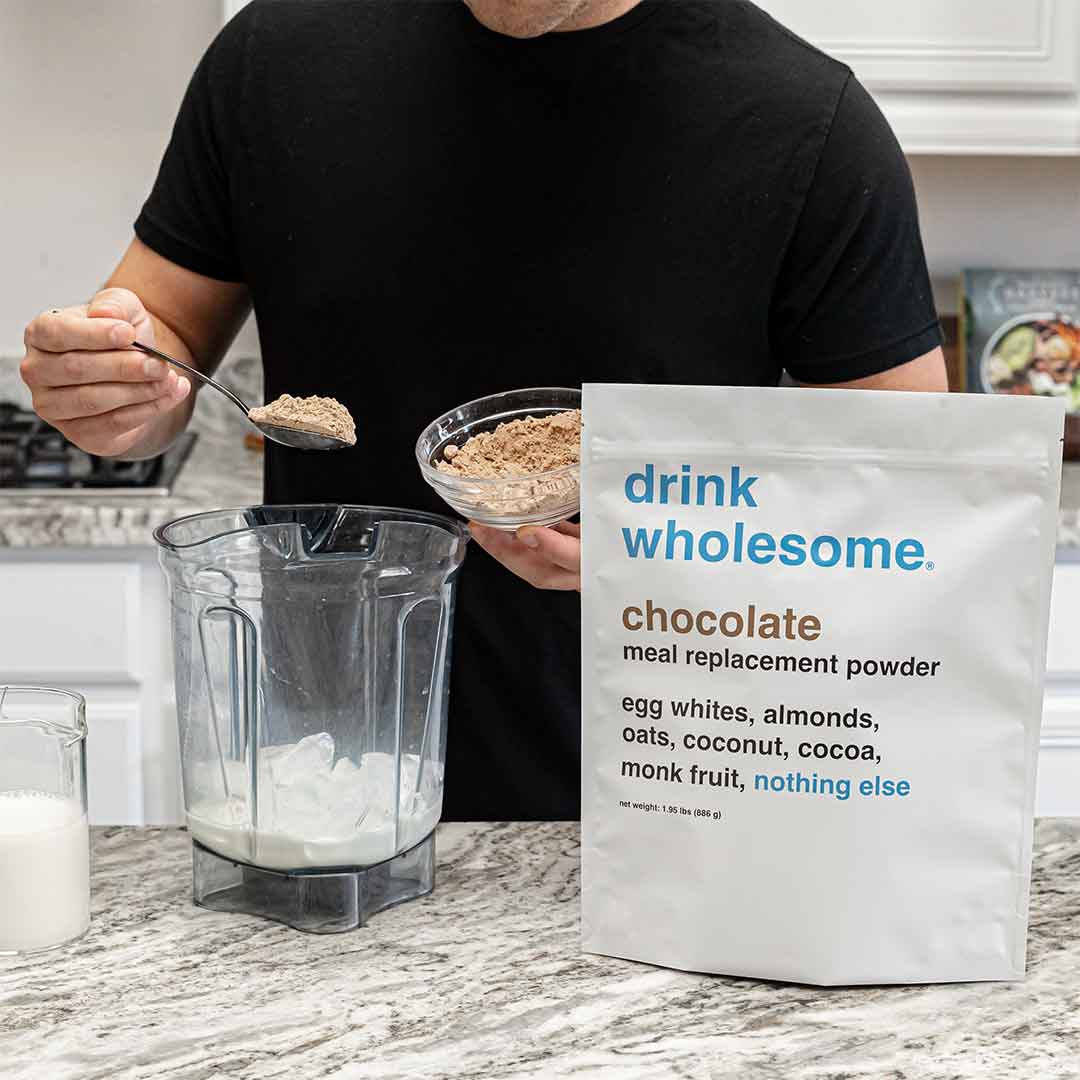
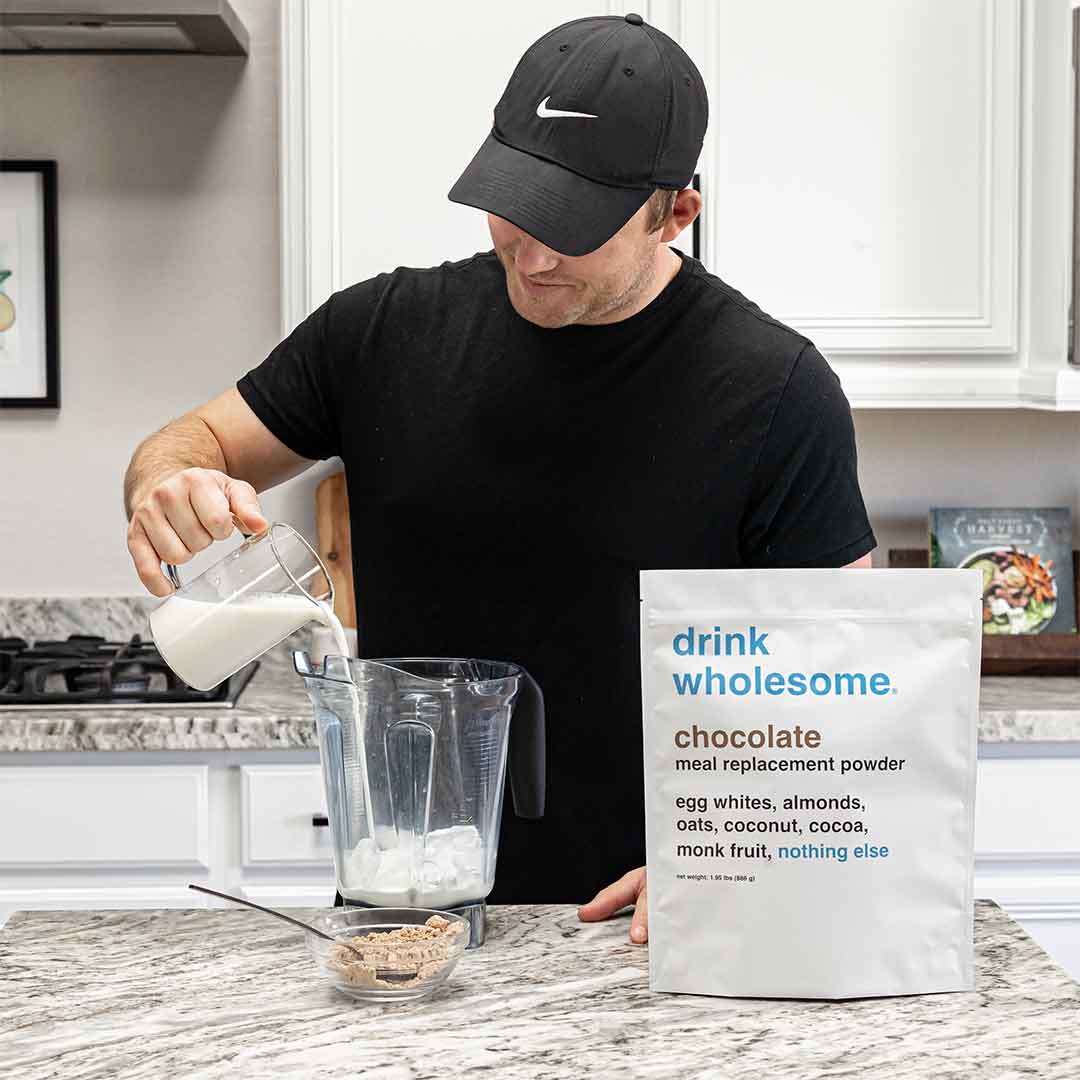
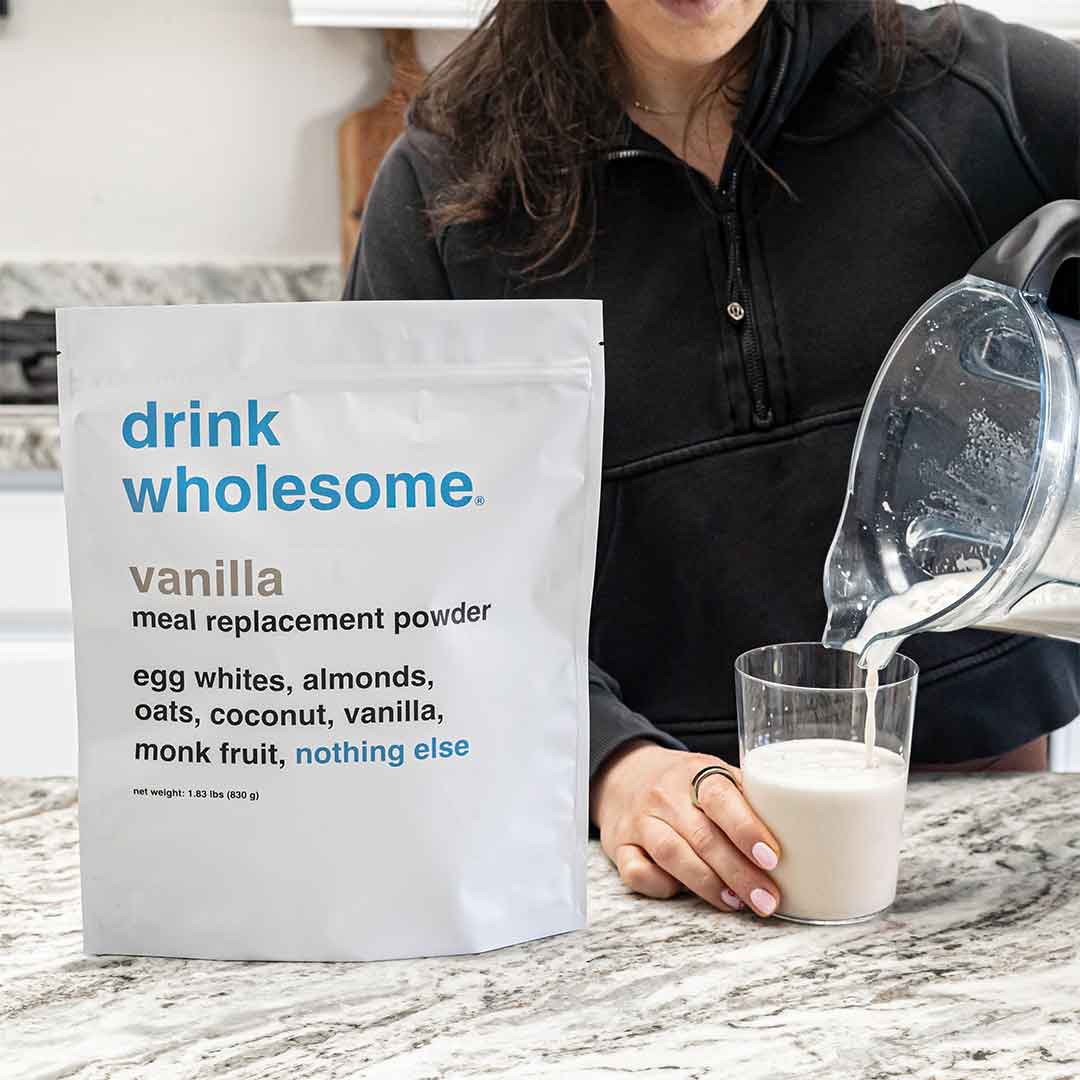
drink wholesome makes the best meal replacement shakes for weight gainwith a short list of simple ingredients. If you need to a drinkable meal without the extra processing and added junk, you have to come to the right place. Order samples to see if our meal replacements are right for you.
Can meal replacements shakes help you gain weight?
Although meal replacements are often championed as a weight loss food, they can also help you gain weight. This is because meal replacements are an easy way to add calories to your diet.
Gaining weight is all about maintaining a calorie surplus – consuming more calories than you burn – and it takes an extra 3,500 calories to gain a pound. To gain weight at a safe rate – 0.5 pound per week – you have to consume an extra 1,750 calories weekly, or an extra 250 calories daily. Adding a meal replacement shake to your diet can help you consume these extra calories and achieve a calorie surplus.
Some people like shakes, as opposed to other foods, because it is easier to drink your calories than it is to chew them. For someone who has trouble eating enough, a drinkable meal can be a lifesaver. Meal replacement shakes are also a quick, convenient option for people who do not have time to prepare healthy meals. Rather than skipping a meal or reaching for an unhealthy snack, you can use a meal replacement shake to get the calories and nutrients you need.
1 serving ofour meal replacement powder contains 250 calories, which makes it perfect for healthy weight gain. It also contains 30 grams of protein.Research shows that weight gain when eating a low protein diet is blunted when compared to weight gain when eating a normal protein diet. In other words, increasing the percentage of your calories that come from protein can help you gain weight.
There are many reasons why someone you might want to gain weight. Perhaps you are experiencing weight loss due to loss of appetite. Perhaps you are recovering from an illness. Perhaps you are an athlete looking to bulk up. Whatever the reason, adding a meal replacement shake to your diet is an easy way to put on a few pounds. Keep in mind that shakes are not your thing, you can always add meal replacement powder to oatmeal, yogurt, and your favorite recipes.
What are the best meal replacement shakes for weight gain?
Again, if you are trying to gain weight, adding a meal replacement shake to your diet can help. That said, not all meal replacement shakes are created equal.
Many meal replacements contain a cocktail of ingredients that can alter the composition of your gut microbiome – the community of microorganisms living in your gut – thereby making it harder for you to digest and absorb the food you eat. In other words, ingredients like emulsifiers, thickeners, sweeteners, and flavors are actively making it harder for you to gain weight.
It follows that what you need is a meal replacement shake with a short list of simple, familiar ingredients. When you strip away all the marketing, meal replacements are just a quick and easy way to put calories and nutrients into your body. They should not look fundamentally different from any of the other foods you eat on a regular basis, and if they do, they are not going to help you gain weight. Keep reading to learn more.
One of the reasons why we make the best meal replacement shakes for weight gain is that we do not use any food additives, period. Even in small amounts, added ingredients like these can trigger gastrointestinal (GI) side effects that are counterproductive to weight gain.
Basically, food additives are so processed that they are hard to digest. This, in turn, can cause your colon to absorb extra water and/or prevent your colon from absorbing water. The result is osmotic diarrhea, which is the last thing you want if you are trying to gain weight!
Here is a list of the most common food additives in meal replacement shakes:
Another reason why we make the best meal replacement for weight gain is that we do not use dairy-based proteins. Many other meal replacements are made with whey and casein, which are byproducts of cheese and yogurt production.
Whey and casein contain lactose, a sugar that most adults have a hard time fully digesting. As you just learned, foods that are hard to digest can cause diarrhea, and trying to gain weight with diarrhea is basically impossible.
A final reason why we make the best meal replacement shakes for weight gain is that we do not use protein concentrates or isolates. Practically every other meal replacement powder gets its protein from one or both of these sources.
Protein concentrates and isolates have undergone extensive mechanical and chemical processing, at times even involving solvents like hexane. The final product has been stripped of everything but the protein and looks nothing like real food.
Your digestive system is built to handle minimally processed or unprocessed foods, not protein concentrates or isolates. This is why research suggests that regularly eating refined ingredients like these can upset the delicate balance of your gut microbiome. Your gut microbiota help you digest food, and without them, you can’t turn the food you eat into muscle, fat, or any other body tissue.
Instead of using protein concentrates or isolates, we make the best meal replacement drinks for weight gain with egg whites and almonds. Protein sources like these, which undergo minimal processing, are a gut-friendly alternative to protein concentrates and isolates.
In contrast to protein isolates and concentrates, whole foods such as egg whites and almonds are naturally packed with enzymes and digestive aids, making them a breeze for your body to digest. Egg whites have the added advantage of being low in fiber, low in FODMAPs, alkaline (which helps maintain a healthy gut pH), and bioactive (which supports the growth of beneficial gut bacteria).
Almonds, on the other hand, are also beneficial for your gut health. They are prebiotic, meaning they enhance the diversity and balance of your gut microbiome, and contribute to regular and healthy bowel movements. Simple ingredients like these make our meal replacement shakes the best choice for weight gain.
“Love this!!! I have stomach issues and Lactose intolerant. Also I needed to gain some weight. I got the regular protein powder and meal replacement and ALL of it is great. I was using pea protein and it bothered my stomach. I wish I would have found Drink Wholesome a long time ago. Chocolate, vanilla!! I got them all!! Thank you Drink Wholesome! 🙌🙌🙌 #drinkwholesomerocks 👏🏻👏🏻💪🏻💪🏻💪🏻” – Carla
This content is not intended to be a substitute for professional medical advice, diagnosis, or treatment. drink wholesome is not intended to diagnose, treat, cure or prevent any disease.