What are the best meal replacement drinks for cancer patients?
What are the best meal replacement drinks for cancer patients? Learn how to find a meal replacement without extra processing and added junk.
Written by Jack Schrupp & Brittany Adelman, RDN
Meal replacement drinks for cancer patients
Are meal replacements good for cancer patients?
Maintaining proper nutrition is crucial for your overall well-being during cancer treatments. Cancer treatments often interfere with your appetite and ability to eat a balanced diet, however. That is where meal replacement drinks can help. A meal replacement drink is a convenient and effective way to ensure that you meet your nutritional needs while battling cancer.
Cancer patients have elevated nutritional needs. Their recommended daily protein intake, for example, is 1.2 to 1.5 grams per kilogram of bodyweight, which is almost twice that of healthy adults. Combined with a loss of appetite, dysphagia (trouble swallowing), and nausea, this is a recipe for malnutrition.
Studies estimate that anywhere from 30 to 85 percent of cancer patients experience malnutrition, which can be serious if left untreated. Malnutrition in cancer patients is linked to treatment toxicity, complications, reduced physical functioning, and decreased survival.
The elevated nutritional needs and risk of malnutrition among cancer patients often warrants the use of nutritional supplements like meal replacement drinks. Adding a meal replacement drink to your diet is an easy way to get extra calories and nutrients like protein. Ensuring adequate protein intake is particularly important because one protein is needed to fight off infections and promote healing. That said, not all meal replacements are created equal.
What are the best meal replacements for cancer patients?
Many meal replacements are made with food additives like sunflower lecithin, xanthan gum, and sucralose, none of which are good for you, especially if you have cancer. In addition to causing digestive issues, regularly eating additives can alter the composition of your gut microbiome – the collection of microorganisms living in your digestive tract.
Disruptions to the composition of your gut microbiome have been shown to block cancer therapy drugs and impact the course of cancer treatment. An unhealthy gut microbiome has also been linked to widespread inflammation and the development of malignancies like colon cancer. Needless to say, ingredients that are bad for your gut health are the last thing you want on the menu if you are fighting cancer. For this reason, cancer patients should only use a meal replacement if it is made with a short list of simple ingredients.
Other considerations when choosing meal replacements for cancer patients
When choosing meal replacement drinks for cancer patients, it is important to prioritize protein and calorie density.
Protein
Protein is essential for maintaining muscle mass. Cancer treatments can often lead to a loss of muscle mass, which can impact the overall strength and well-being. By consuming lots of protein, cancer patients can minimize muscle wasting.
Protein is composed of amino acids, which are the building blocks of muscles. Adequate protein intake is crucial for cancer patients as it supports muscle maintenance, repair, and overall strength. It also plays a vital role in supporting the immune system, promoting wound healing, and preventing infections.
By consuming meal replacement drinks rich in protein, cancer patients can:
– Promote muscle maintenance and prevent muscle wasting
– Support the recovery process after surgery or intensive treatments
– Enhance overall strength and endurance
Calories
During cancer treatment, the body’s energy needs increase due to the metabolic demands of fighting the disease and the side effects of treatments. Consuming meal replacement drinks with lots of calories can help meet these energy requirements, preventing fatigue and weight loss.
Meal replacement drinks with high calorie density:
– Provide sustained energy throughout the day
– Support weight maintenance or weight gain during treatment
– Alleviate fatigue and enhance overall well-being
In short, when choosing meal replacement shakes for cancer patients, prioritize those with lots of protein and calories to prevent muscle wasting and weight loss, and to provide energy for daily activities. Remember that you can always add ingredients to your meal replacement to increase the protein and calorie content. Just 1-2 tablespoons of nut butter, for example, will add almost 10 grams of protein and 200 calories.
Flavor
While undergoing treatments, many cancer patients experience nausea and a loss of appetite. It is therefore important to find a meal replacement that tastes good.
Texture
When it comes to meal replacements for cancer patients, texture also plays an important role. Many cancer patients have difficulty swallowing and need foods with a smooth texture. In short, leave the gritty, chalk, meal replacements on the shelf.
Rated 4.75 out of 5
(8)
$59.99 - or subscribe and save up to 15%
$104.97 Original price was: $104.97.$94.97Current price is: $94.97.
Rated 4.48 out of 5
(31)
$34.99 - or subscribe and save up to 15%
Rated 4.62 out of 5
(169)
$39.99 – $59.99 - or subscribe and save up to 15%
$104.97 Original price was: $104.97.$94.97Current price is: $94.97.
Rated 4.52 out of 5
(23)
$34.99
Rated 4.54 out of 5
(137)
$39.99 – $59.99
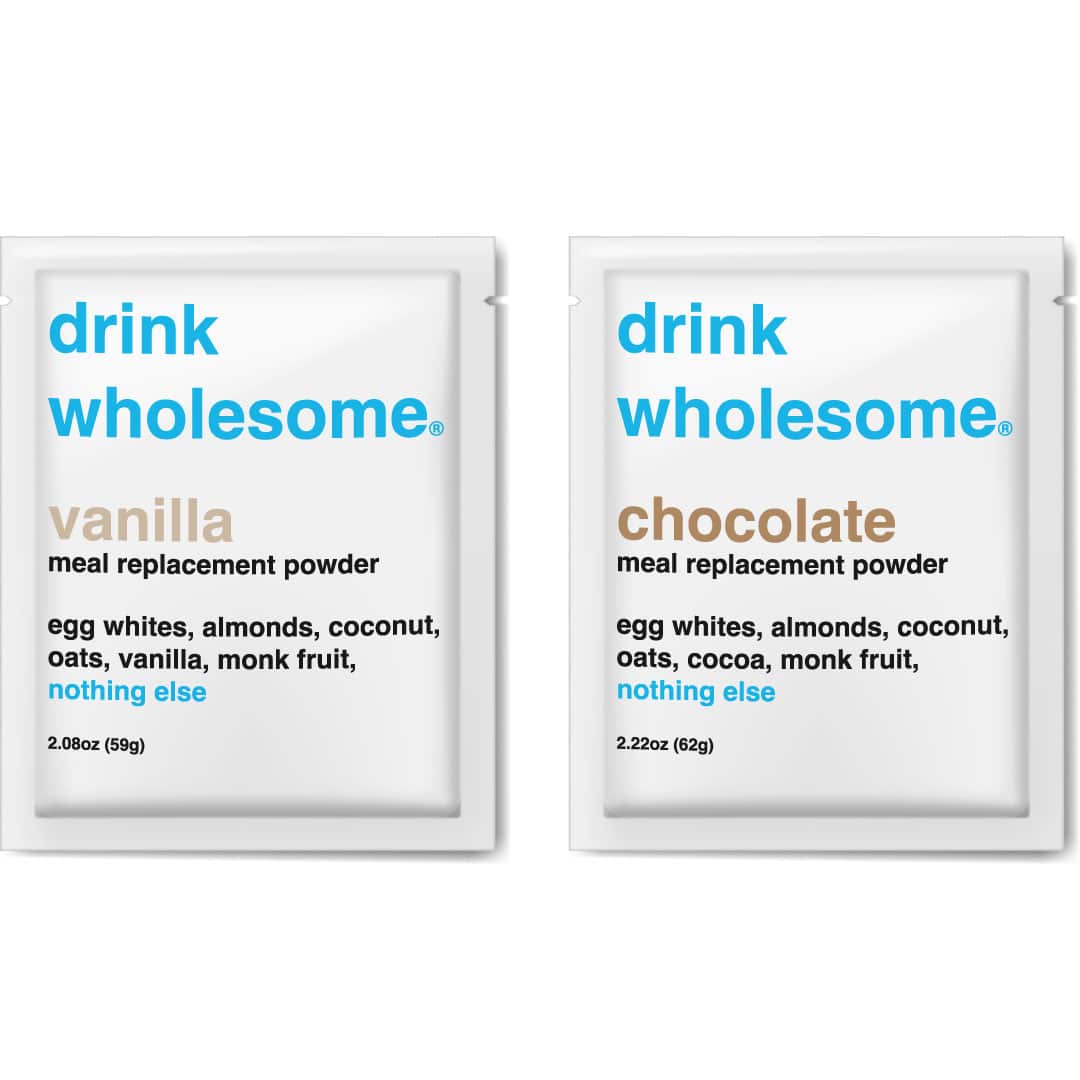
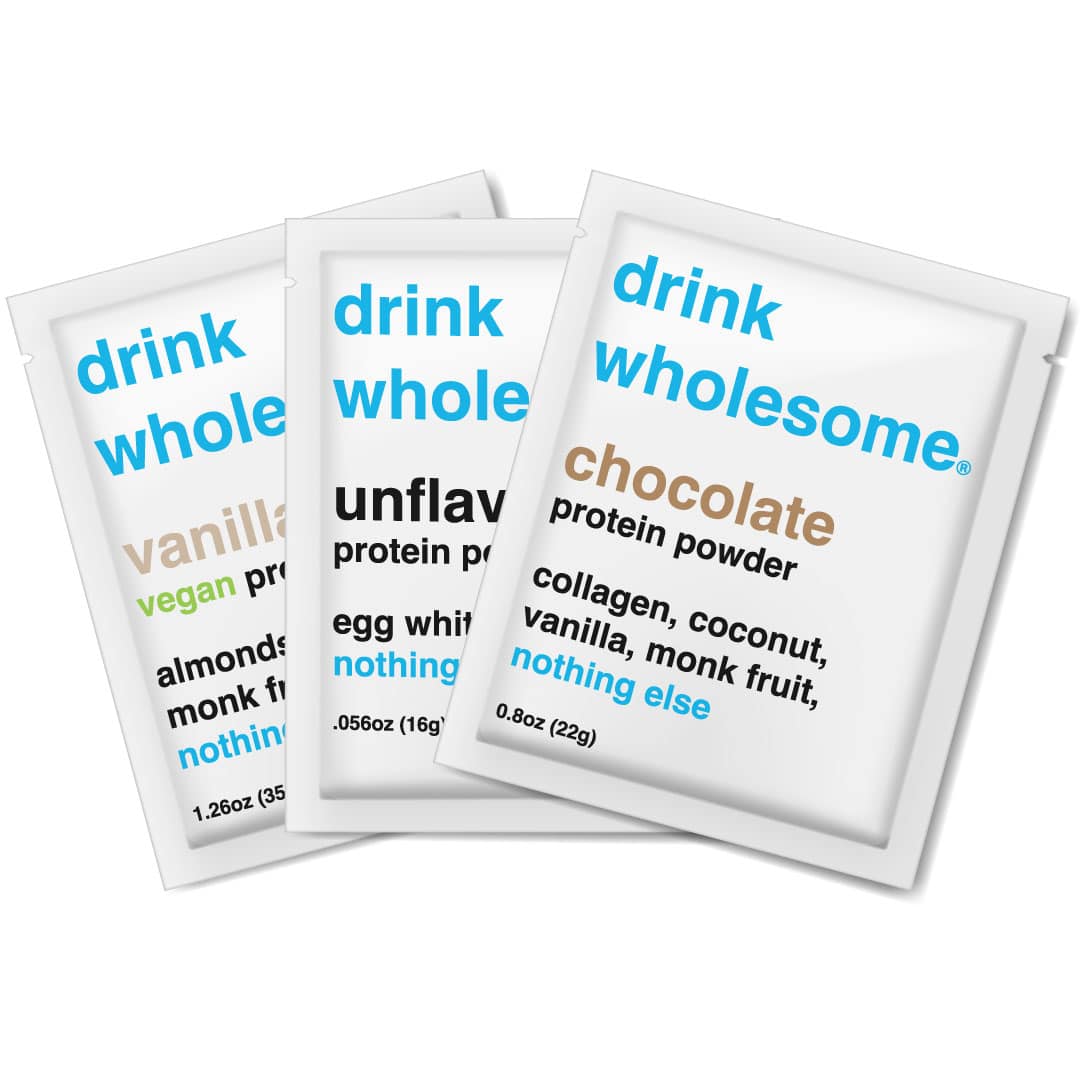
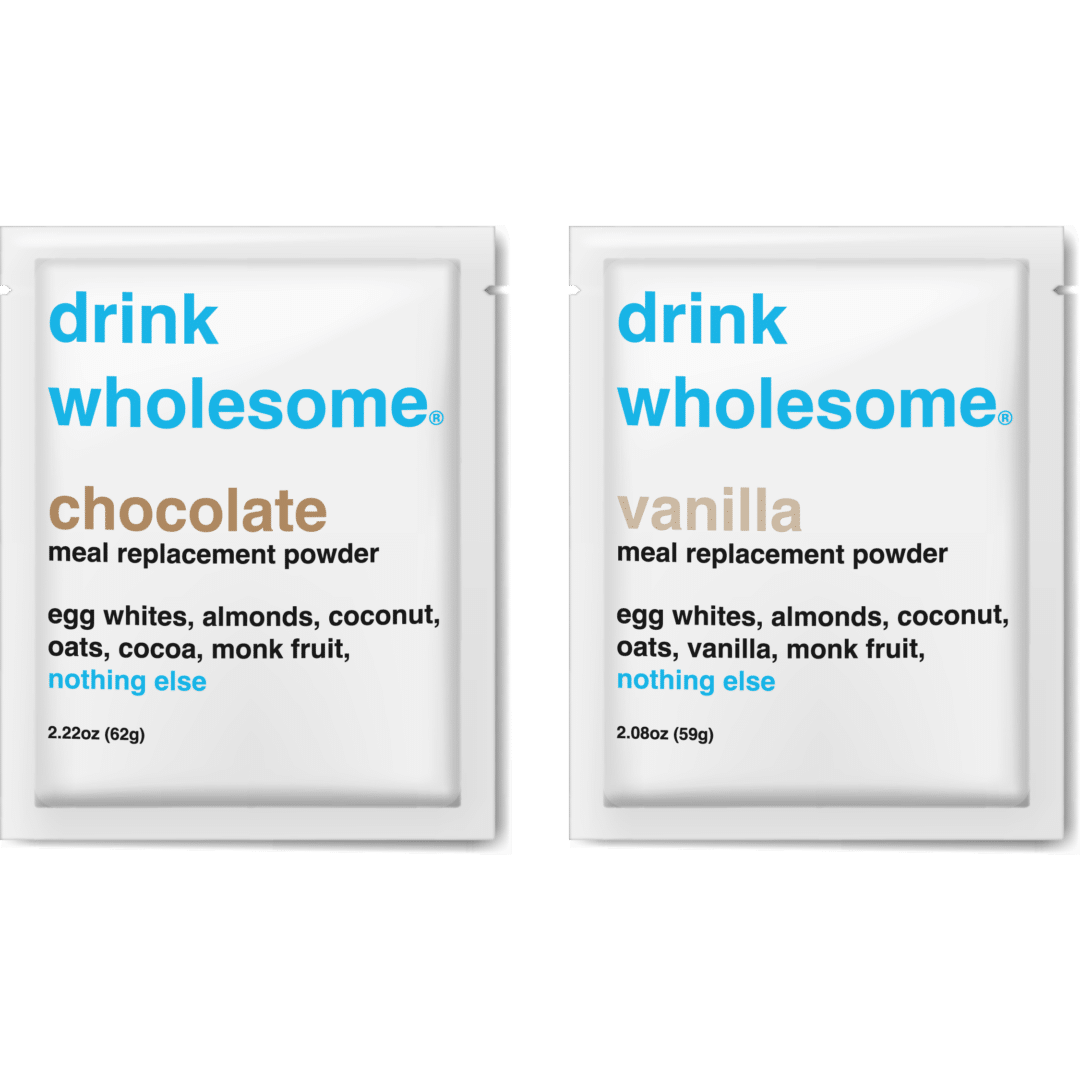
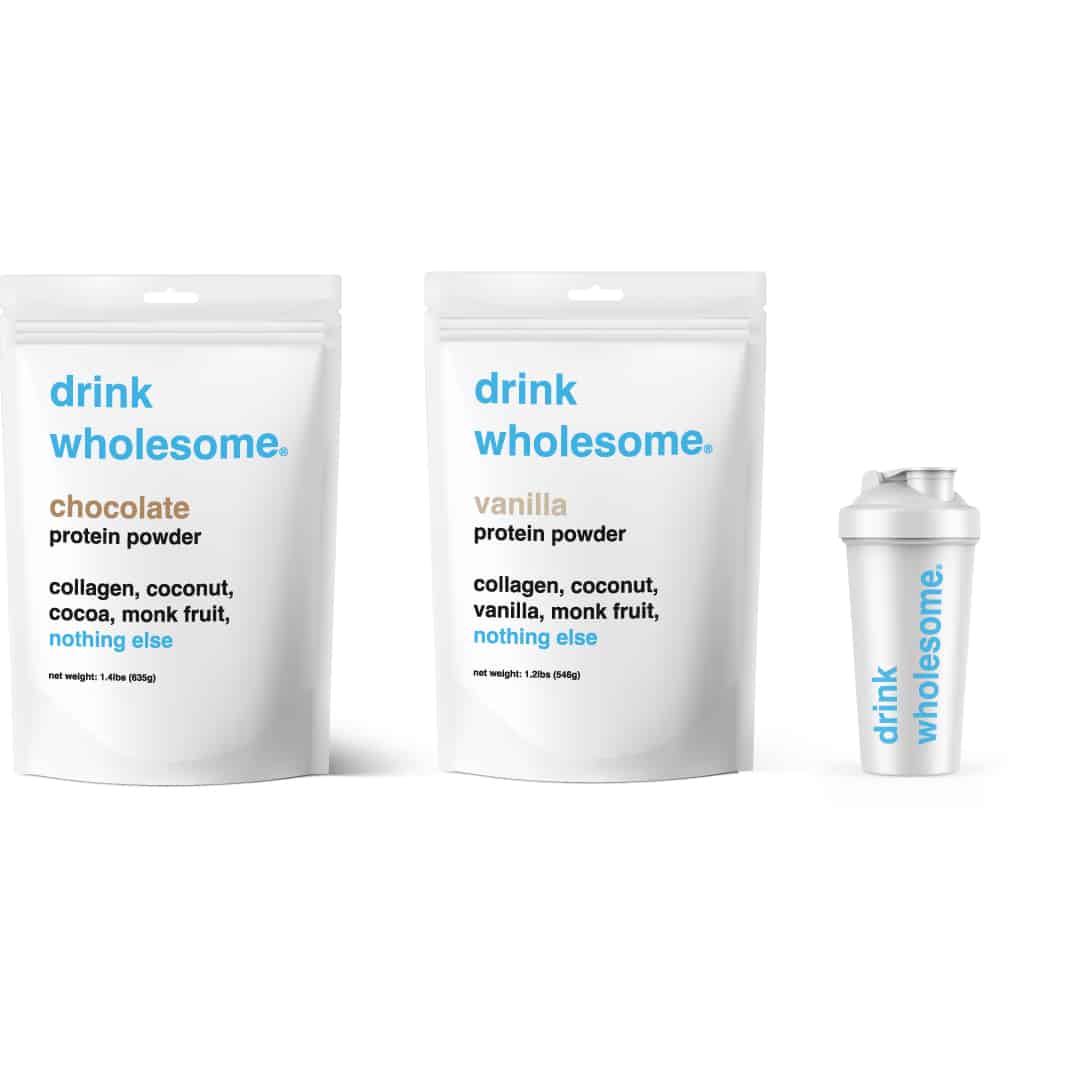
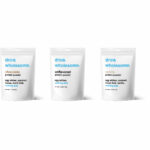
drink wholesome makes the best meal replacement drinks for cancer patients
One of the reasons why we make the best meal replacement drinks for cancer patients is that we do not use food additives. Even small quantities of additives can cause painful side effects and long-term complications. Here is a list of the most common food additives in meal replacements:
acacia fiber, acacia gum, acesulfame potassium, artificial flavors, ascorbic acid, aspartame, calcium carbonate, carrageenan, cellulose gum, dextrin, dicalcium phosphate, dipotassium phosphate, erythritol, gellan gum, guar gum, gum arabic, inulin, locust bean gum, maltodextrin, mono- and diglycerides, ‘natural’ flavors, rice bran extract, rice dextrin, rice hulls, rosemary extract, silica, silicon dioxide, sodium alginate, sodium bicarbonate, soluble corn fiber, soy lecithin, sucralose, sunflower lecithin, tocopherols, tricalcium phosphate, xanthan gum, xylitol, zinc oxide
Food additives undergo a lot of processing, so much in fact that they no longer look like real food. This makes them hard to digest, which in turn gives your gut bacteria more time to feast on them. As bacteria eat, they release gas, which can cause symptoms like bloating, flatulence, and stomach pain. Gas can also slow down the movement of food through your colon, causing constipation.
Sometimes, partially digested food additives cause your colon to absorb too much water, or prevent it from absorbing enough water. This can lead to diarrhea.
[/vc_column_text][/vc_column][/vc_row]
the alternative:
SOY PROTEIN ISOLATE, CANOLA OIL, MALTODEXTRIN, ISOMALTULOSE, SOLUBLE CORN FIBER, MODIFIED FOOD STARCH, VITAMIN AND MINERAL PREMIX, CELLULOSE, NATURAL & ARTIFICIAL FLAVORS, SOY LECITHIN, SALT, MONO & DIGLYCERIDE, XANTHAN GUM, SUCRALOSE
It is worth mentioning that avoiding food additives can also help support your immune system, which plays an important role in protecting your body against infection and disease. For cancer patients, maintaining a strong immune system is essential for swift recovery and good treatment outcomes.
Another reason why we make the best meal replacement shakes for cancer patients is that we do not use dairy-based proteins like whey and casein. Whey and casein, which are byproducts of cheese and yogurt production, cause digestive issues because they contain lactose – a sugar most people cannot fully digest.
A final reason why we make the best meal replacement shakes for cancer patients is that I do not use protein concentrates or isolates. Almost all other meal replacements are made from one or both of these protein sources, which have been stripped of everything but the protein, including the enzymes, fiber, and other natural digestive aids that help you break them down. This not only makes them hard to digest, but may also disrupt the composition and function of your gut microbiome.
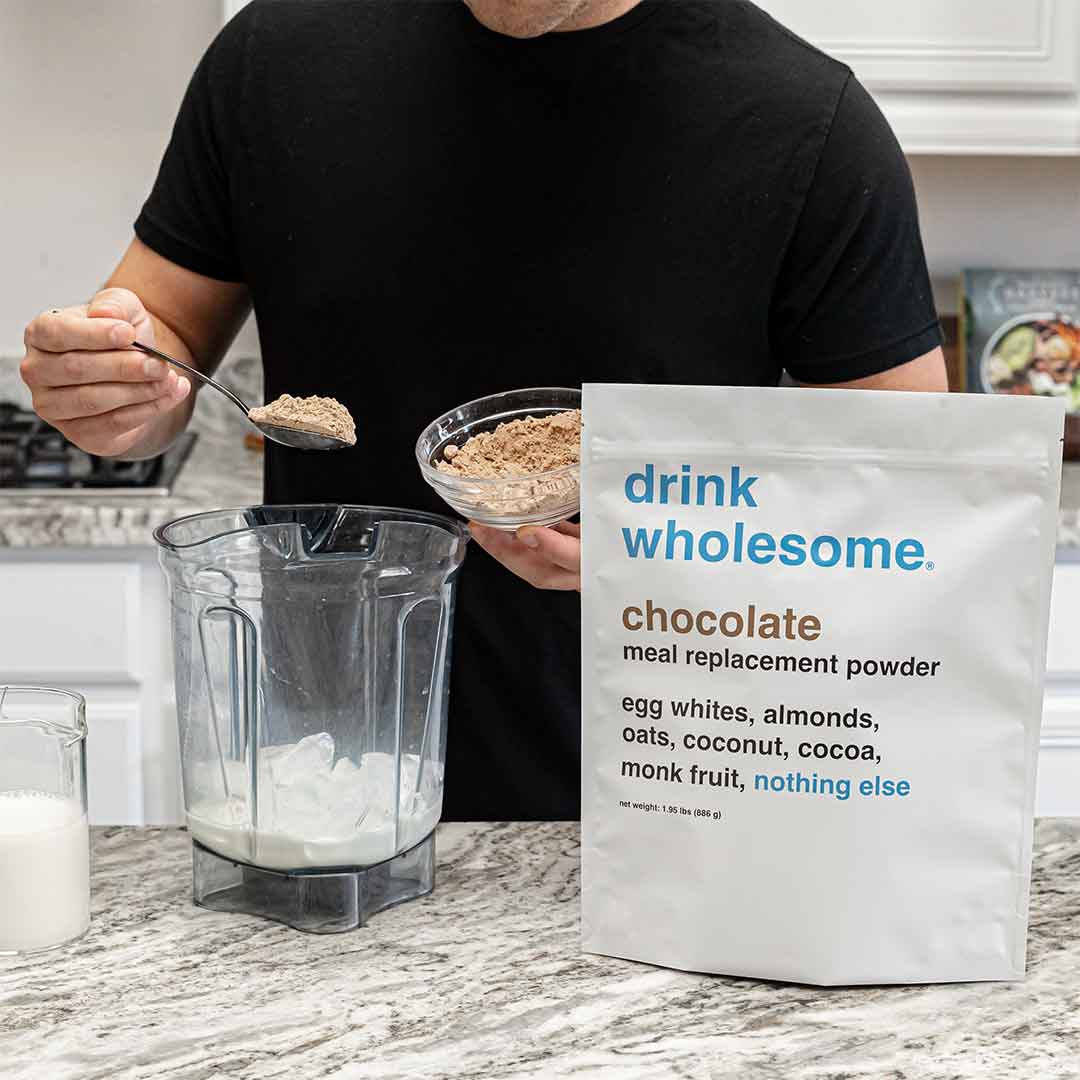
Instead of using protein concentrates or isolates, we make the best meal replacements for cancer patients with whole foods like egg whites and almonds. Protein sources like these are easy to digest and absorb. They also each bring a unique set of digestive benefits to the table.
Almonds are rich in prebiotic fiber, improving the composition of your gut microbiome. Egg whites are alkaline, meaning they balance the pH levels in your gut. They also promote the growth of good gut bacteria.
Our customers experience fewer digestive issues with our meal replacement powders than with any other type of meal replacement. Order samples to see for yourself.
★★★★★
simple and delicious
“My dear cousin has stage 4 cancer, and due to chemo treatments she has very little appetite. So I sent her 2 of the meal replacements, vanilla & chocolate. The vanilla is her favorite, she says the flavor is great and doesn’t make her feel nauseous. She’s going on her 3rd round of chemo and I just ordered 2 more of the vanilla for her.” – Rubi
Rated 4.75 out of 5
(8)
$59.99 - or subscribe and save up to 15%
$104.97 Original price was: $104.97.$94.97Current price is: $94.97.
Rated 4.48 out of 5
(31)
$34.99 - or subscribe and save up to 15%
Rated 4.62 out of 5
(169)
$39.99 – $59.99 - or subscribe and save up to 15%
$104.97 Original price was: $104.97.$94.97Current price is: $94.97.
Rated 4.52 out of 5
(23)
$34.99
Rated 4.54 out of 5
(137)
$39.99 – $59.99
This content is not intended to be a substitute for professional medical advice, diagnosis, or treatment. drink wholesome is not intended to diagnose, treat, cure or prevent any disease.