
How to Find the Best Dairy-Free Meal Replacement Shakes
📌 Overview and Key Takeaways
This is a Dietitian’s guide on how to find the best dairy-free meal replacement shakes.
Discover how to support your diet without dairy.
Dairy-Free Meal Replacement Shakes
Which Meal Replacements Are Dairy-Free?
Before we begin, it is important to define some terminology.
Not to be confused with lactose-free, dairy-free means that a food, beverage, or supplement does not contain milk or ingredients derived from milk.
This includes foods like butter, cheese, yogurt, whey, and casein.
Whey and casein are byproducts of cheese and yogurt production, so meal replacement shakes that contain whey and casein protein are NOT dairy-free.
Although there are lactose-free whey protein isolates, there is no such thing as dairy-free whey protein.
If you have a dairy allergy or sensitivity, you should also avoid dairy-based food additives like sodium caseinate.
Depending on the severity of your allergy, even small amounts of ingredients like these can trigger allergic reactions.
A dairy free meal replacement is thus a meal replacement that does not contain ANY dairy-based ingredients or milk derivatives whatsoever.
Dairy-free meal replacement shakes typically contain animal-based protein sources like beef, collagen, and eggs, or plant-based protein sources like hemp, peas, and soy.
Note that food, beverage, and supplement manufacturers are required to declare major food allergens like dairy.
This declaration is either in parentheses following the name of the ingredient, or immediately after the list of ingredients in a “contains” statement (e.g. “Contains Milk”).
Why Should I Go Dairy-Free?
Dairy-free meal replacement shakes offer a convenient, nutritionally balanced option to support your dietary needs and overall health.
Athletes use them to refuel after workouts, people with busy schedules use them as a quick meal, and individuals with dietary restrictions use them to fill in gaps in their diets.
In other words, you do not have to be “dairy-free” in order to enjoy the benefits of a dairy-free meal replacement powder.
But why dairy-free? Although they are cheap and widely available sources of dietary protein, dairy-based proteins have a number of drawbacks.
Here are the top reasons why you should avoid dairy-based proteins:
- Dairy-based proteins cause digestive issues. Whey and casein contain lactose, a sugar that most adults cannot digest (NIDDK, 2018). If you are lactose intolerant or sensitive, dairy-based proteins can cause digestive symptoms such as gas, bloating, diarrhea, and stomach pain.
- Dairy-based proteins can cause acne. Dairy consumption stimulates the production of insulin and insulin-like growth factor, both of which have been linked to acne development (J Dtsch Dermatol Ges, 2009).
- Dairy-based proteins are not sustainable. Dairy cows and their manure produce enormous amounts of greenhouse gas emissions (Animals (Basel), 2022), the poor handling of manure and fertilizers pollute local water resources, and unsustainable dairy farming and feed production can also lead to the loss of ecologically important areas such as prairies, wetlands, and forests.
- Dairy-based proteins are not suitable for those following an elimination diet. Dairy is a common allergen and trigger. If you are experimenting with an elimination diet, choosing a dairy-free option is a good idea.
- Dairy-based proteins can trigger IBS flares. For individuals with IBS, reducing or eliminating dairy from your diet can be a crucial step in managing symptoms, supporting gut health, and reducing the risk of inflammatory reactions.
- Dairy-based proteins are not suitable for vegans. Whey and casein are derived from cow’s milk, making them incompatible with a vegan diet.
- Dairy-based proteins are highly processed. Dairy-based proteins are stripped of most nutrients, which raises a number of health concerns. Basically, getting your protein from a whey protein isolate is like eating a multivitamin instead of eating fruits and vegetables.
In summary, dairy-free meal replacement shakes are the best choice for individuals with sensitive stomachs, acne-prone skin, and certain dietary restrictions.
Product Quiz
How Do I Know If I Should Go Dairy-Free?
Here are some common symptoms to look out for if you suspect you might be sensitive to dairy:
- Digestive discomfort: Gas, bloating, and burping are often indicative of lactose intolerance or dairy sensitivity.
- Skin issues: Dairy consumption has been linked to skin problems like acne, eczema, and hives in some individuals. This could be due to the hormonal effects of dairy or an immune response triggered by certain dairy proteins.
- Respiratory symptoms: Dairy sensitivity might manifest as respiratory issues such as nasal congestion, wheezing, or coughing, particularly in individuals with underlying conditions like asthma or allergic rhinitis.
- Fatigue and brain fog: Some people report feeling sluggish, lethargic, or experiencing brain fog after consuming dairy products.
- Joint pain and inflammation: Joint pain, stiffness, and swelling might be exacerbated by dairy-containing products, especially in those with inflammatory conditions like arthritis.
- Mood changes: Dairy sensitivity can also affect mood, leading to symptoms like irritability, anxiety, or depression in susceptible individuals.
Keep in mind that these symptoms can vary widely among individuals, and not everyone will experience all of them.
If you suspect that dairy may be contributing to your symptoms, consulting with a healthcare practitioner can help you explore dietary alternatives and develop a personalized approach to managing your health.
What Is the Best Dairy-Free Meal Replacement?
Today, dairy-free meal replacement shakes are widely available, so if you cannot tolerate whey or casein, there are many alternatives.
That said, most dairy-free meal replacements are loaded with emulsifiers, thickeners, flavors, and other ultra-processed additives.
Ingredients like these improve characteristics like taste, texture, and shelf stability, but can cause uncomfortable side effects and even long-term health problems.
🚫 Avoid Food Additives
Regularly eating emulsifiers, thickeners, sugar substitutes, and other additives can not only upset your stomach, but also alter the composition of your gut microbiome (North Clin Istanb, 2019).
This can lead to gut dysbiosis (Microorganisms, 2022), or an imbalance in gut bacteria, which is linked to a wide range of chronic diseases, including obesity, type 1 diabetes, and colorectal cancer (J Exp Med, 2019).
Your gut microbiome affects various physiological processes, including immune function and inflammation, so when the balance of bacteria therein is disrupted, it can have a huge impact on your overall health.
⚠️ Here is a list of the most common food additives in meal replacements:
- acacia fiber
- acacia gum
- acesulfame potassium
- artificial flavors
- ascorbic acid
- aspartame
- calcium carbonate
- carrageenan
- cellulose gum
- dextrin
- dicalcium phosphate
- dipotassium phosphate
- erythritol
- gellan gum
- guar gum
- gum arabic
- inulin
- locust bean gum
- maltitol
- maltodextrin
- mono- and diglycerides
- ‘natural’ flavors
- rice bran extract
- rice dextrin
- rice hulls
- rosemary extract
- silica
- silicon dioxide
- sodium alginate
- soluble corn fiber
- sorbitol
- soy lecithin
- sucralose
- sunflower lecithin
- tocopherols
- tricalcium phosphate
- xanthan gum
- xylitol
- zinc oxide
Note that this list includes several artificial sweeteners.
Artificial sweeteners like sucralose and acesulfame potassium are among the worst ingredients for your gut microbiome (Nature, 2014).
They both reduce microbial diversity and promote the growth of potentially pathogenic bacteria.
Also note that as a rule of thumb, if you could not find an ingredient in nature or make it at home, it is a food additive.
🚫 Avoid Protein Concentrates and Isolates
You should also consider avoiding protein concentrates and isolates.
Most meal replacements are made from one or both of these protein sources, which have been mechanically and/or chemically stripped of everything but the protein.
This includes the enzymes, fiber, and other natural digestive aids that help you break them down.
You therefore do not digest them in the same way that you do whole foods, which can affect your gut health.
In fact, studies show that regularly eating protein concentrates and isolates can disrupt your gut microbiome (Nutrients, 2018) and cause the formation of toxic byproducts in your gut (Mol Nutr Food Res, 2024).
So instead of ultra-processed protein concentrates or isolates, look for whole food protein sources like egg whites and almonds.
They are easier to digest and absorb.
Order Samples to see for yourself.
Editorial Guidelines
This article was written by a Registered Dietitian and reviewed by a Physician Assistant. We rely on peer-reviewed research and trusted medical sources, and regularly update our content to ensure accuracy and clarity.
Sources
- National Institute of Diabetes and Digestive and Kidney Diseases (NIDDK). Definition & Facts for Lactose Intolerance. 2018
- Journal der Deutschen Dermatologischen Gesellschaft = Journal of the German Society of Dermatology : JDDG (J Dtsch Dermatol Ges). Milk consumption: aggravating factor of acne and promoter of chronic diseases of Western societies. 2009.
- Animals : an Open Access Journal from MDPI (Animals (Basel)). Global Warming and Dairy Cattle: How to Control and Reduce Methane Emission. 2022.
- Northern Clinics of Istanbul (North Clin Istanb). Food additives and microbiota. 2019.
- Microorganisms (Microorganisms). Gut Microbiota Dysbiosis: Triggers, Consequences, Diagnostic and Therapeutic Options. 2022.
- The Journal of Experimental Medicine (J Exp Med). The gut microbiome: Relationships with disease and opportunities for therapy. 2019.
- Nature (Nature). Artificial sweeteners induce glucose intolerance by altering the gut microbiota. 2014.
- Nutrients (Nutrients). Effect of a Protein Supplement on the Gut Microbiota of Endurance Athletes: A Randomized, Controlled, Double-Blind Pilot Study. 2018.
- Molecular nutrition & food research (Mol Nutr Food Res). In Vitro Fermentation of Animal and Plant Protein Isolates by the Human Gut Microbiota Under High and Low Carbohydrate Conditions. 2024.
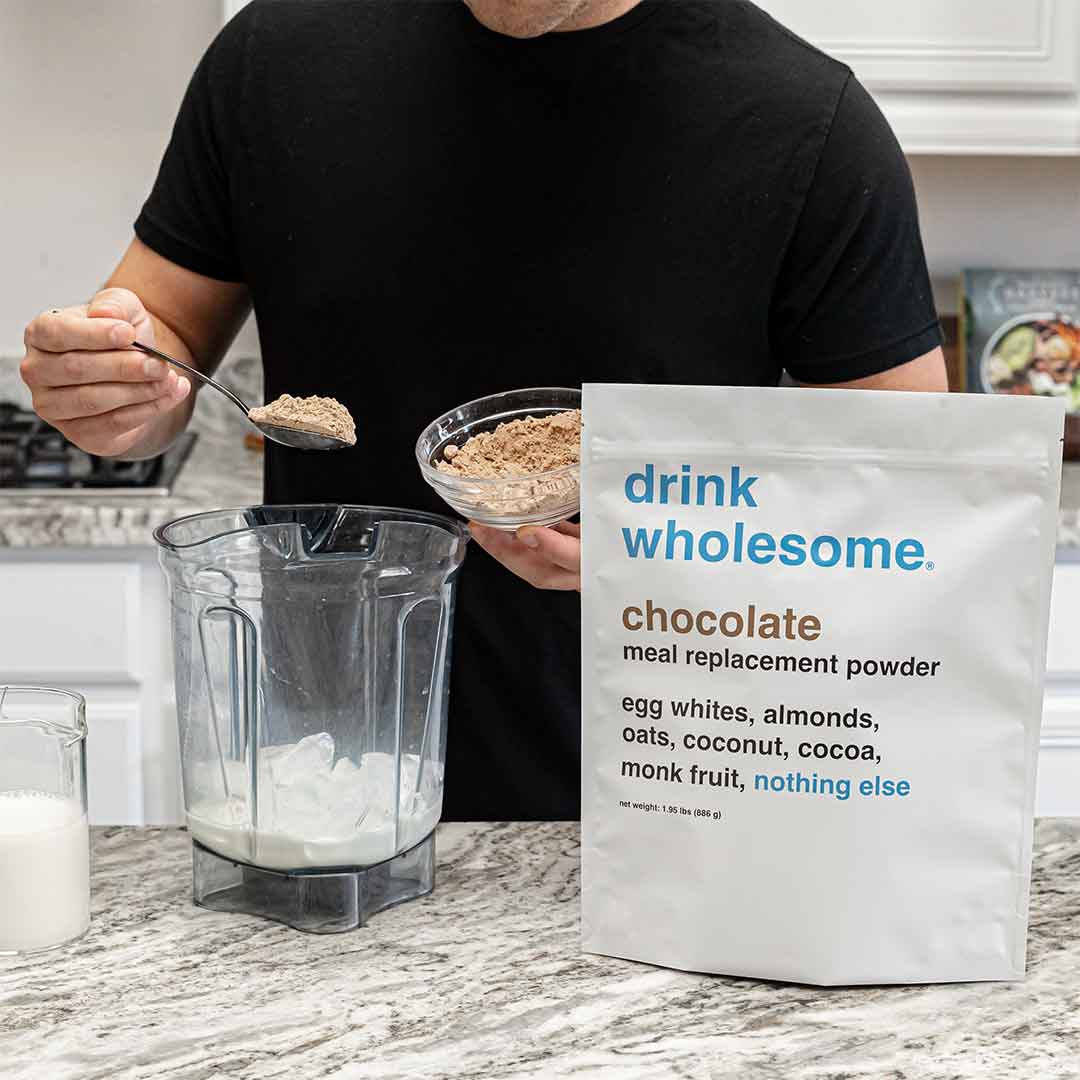
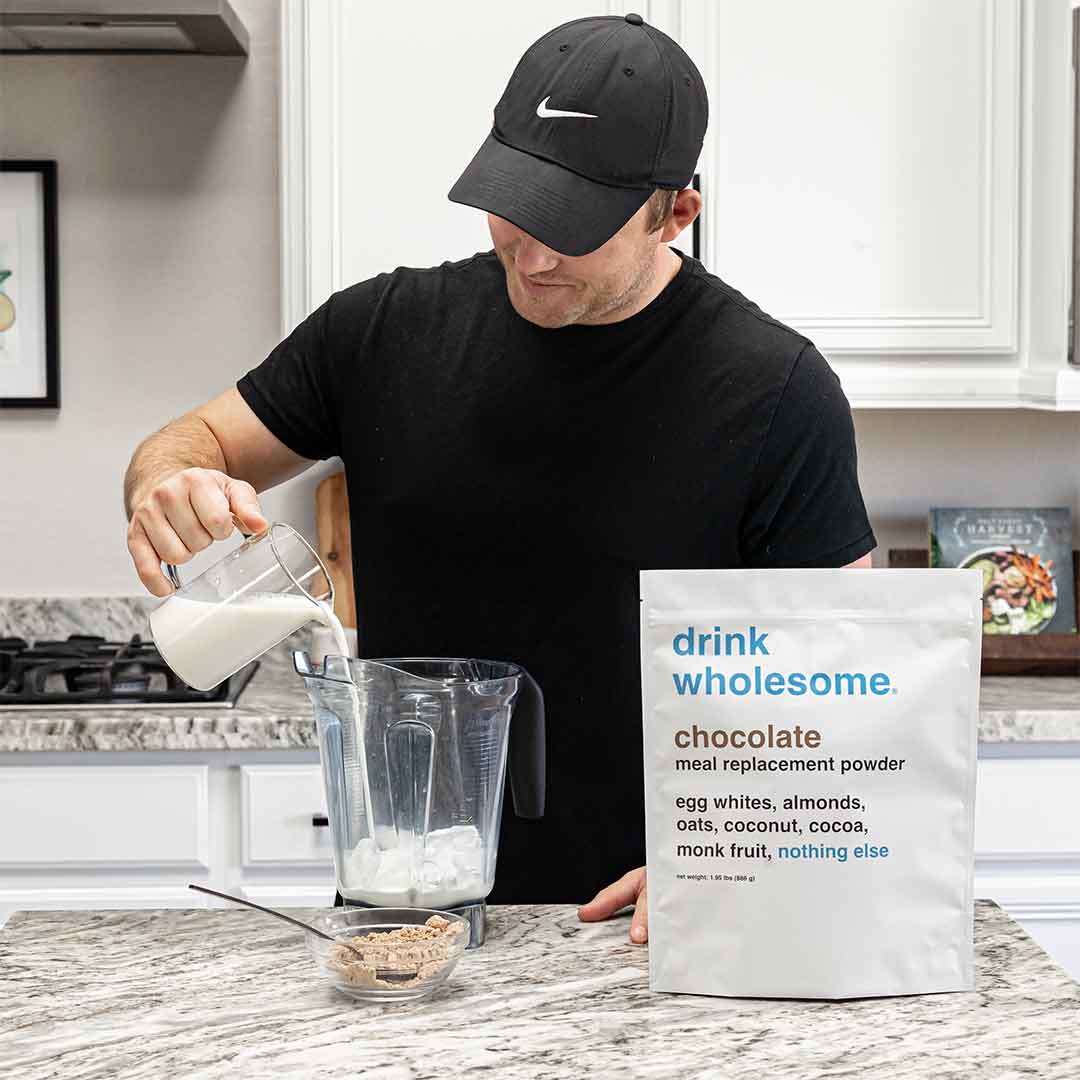
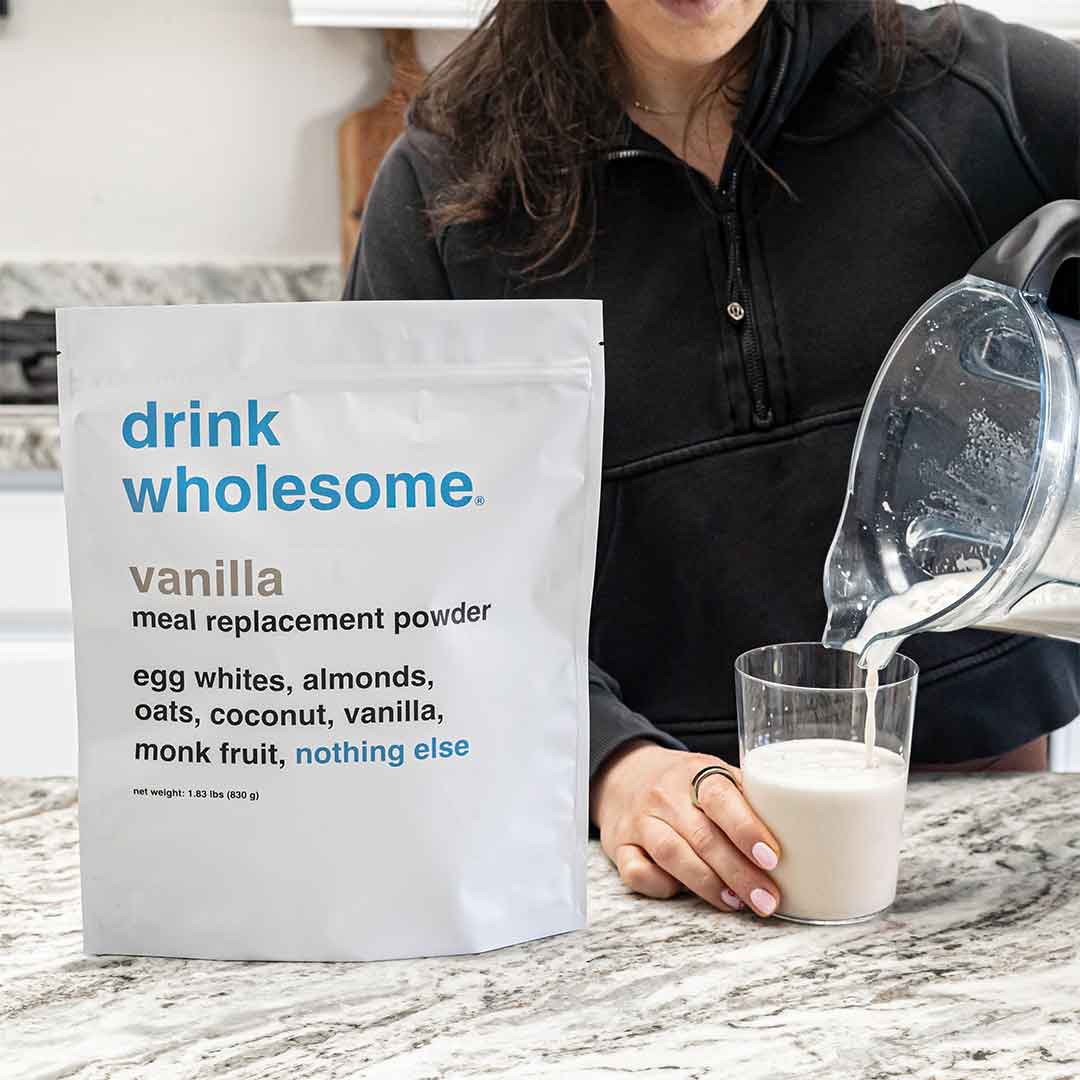
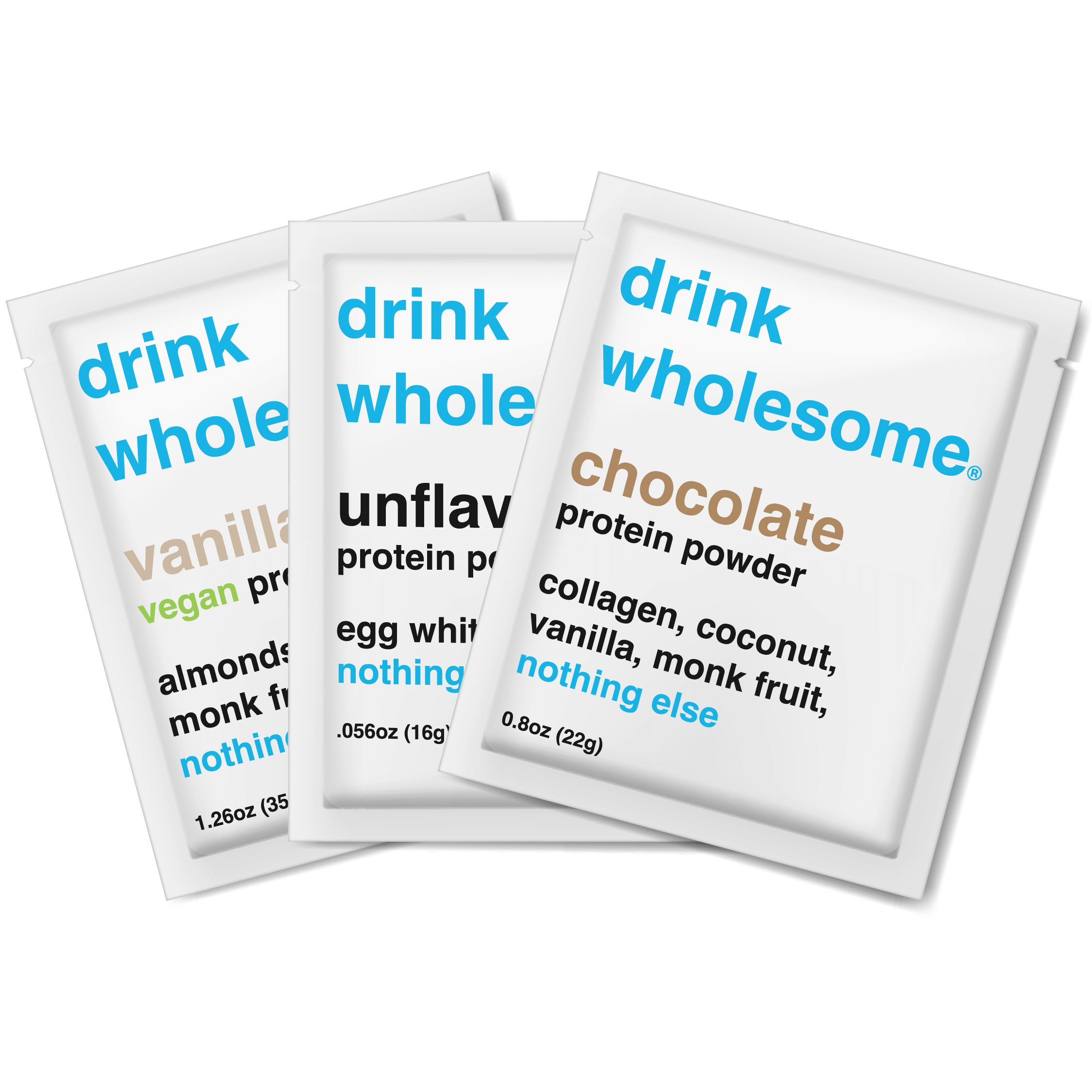
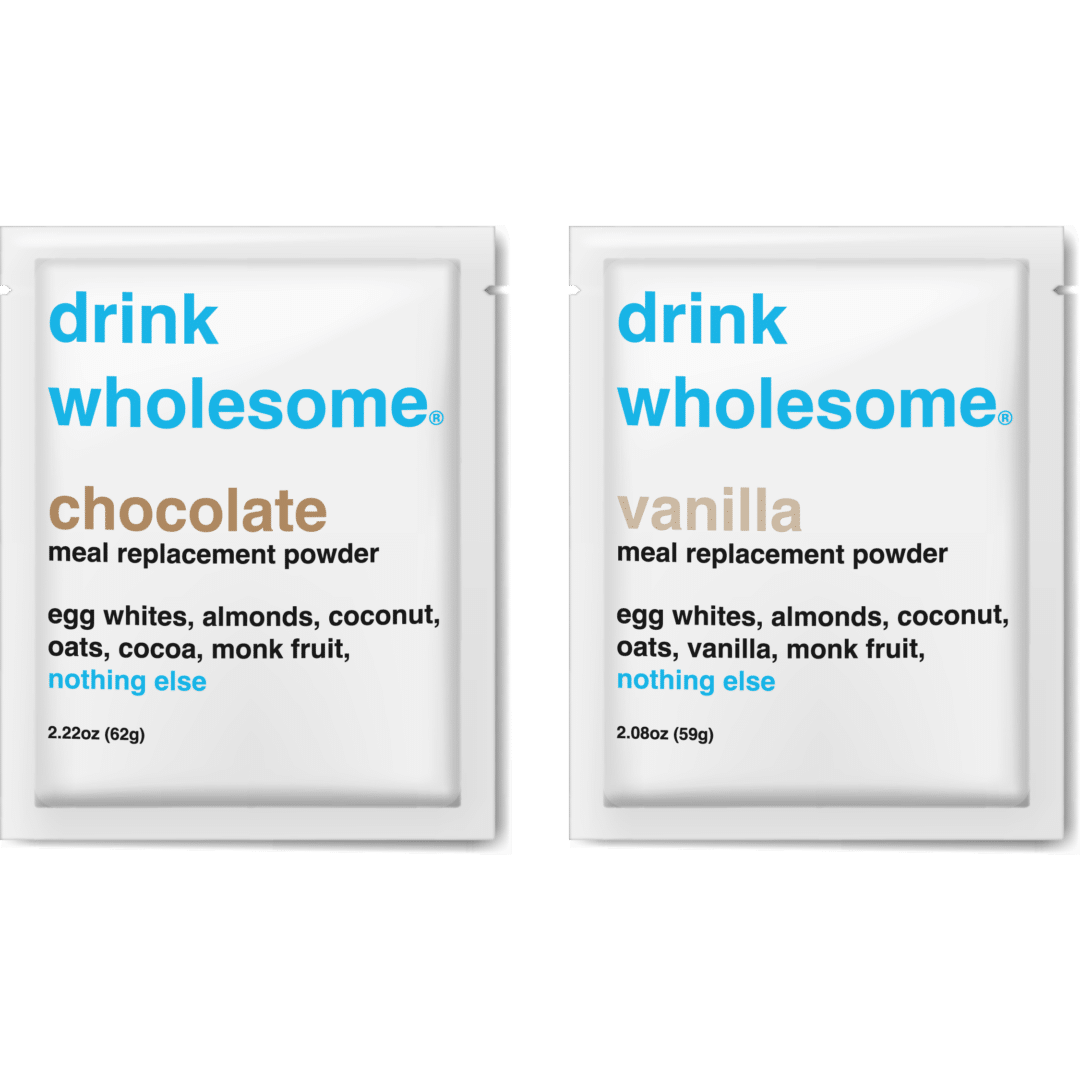
Drink Wholesome makes minimally-processed meal replacement powder for sensitive stomachs. Because it’s made from a short list of simple ingredients, it’s also a great option for anyone who wants to avoid artificial and ultra-processed ingredients – including kids, seniors, and moms. No Dairy Drink Wholesome is made without whey and casein, which contain lactose, a sugar most people can’t fully digest. Dairy-based proteins, especially casein, also form a gel-like substance in your stomach, which can upset sensitive stomachs. No Additives Drink Wholesome is made without ultra-processed food additives. Regularly eating artificial sweeteners, emulsifiers, thickeners, and other additives can cause digestive issues and even long-term gut health problems. Whole Food Protein Drink Wholesome is made from whole food protein sources like almonds and egg whites. Unlike ultra-processed protein concentrates and isolates, which have been stripped of fiber, enzymes, and other natural digestive aids, whole foods are easy to break down and absorb. We make minimally-processed Protein Powders and Meal Replacement Powders for sensitive stomachs. Protein powder is high in protein and low in everything else, whereas meal replacement powder contains fats, carbs, fiber, and protein because it’s intended to replace the nutritional value of a light meal. If you’re wondering which of our products is best for you, ask our Registered Dietitian. She’ll reply via email within 24 hours. Frequently asked questions
Who is Drink Wholesome for?
Why is Drink Wholesome easy to digest?
Protein powder vs meal replacement powder?
Ask our dietitian.
PREP TIME 5 min COOK TIME 5 min SERVES 2 In a blender, combine the egg whites, milk, ¼ cup blueberries, and almond butter. Pour the mixture into a small mixing bowl and add the protein powder and flour. Whisk until smooth. Pour ⅓ cup batter onto a heated and greased (or non-stick) pan to form pancakes. Cook each side for 2-3 minutes. This recipe makes 4-5 pancakes. Then, in a small saucepan, heat ¾ cup blueberries and the maple syrup over medium heat, stirring occasionally, for about 8 minutes. Plate the pancakes and spoon blueberry jam on top.High Protein Blueberry Pancakes
Ingredients
Instructions

Meal Replacement Powder Samples
Starting at: $9.99
BUY NOWProtein Calculator
Product Quiz