

What are the best meal replacement shakes for PCOS?
drink wholesome makes the best meal replacement shakes for PCOS with a short list of simple ingredients. If you are looking to boost your protein intake without the extra processing and added junk, you have to come to the right place. Order samples to see if our PCOS meal replacement shakes are right for you.
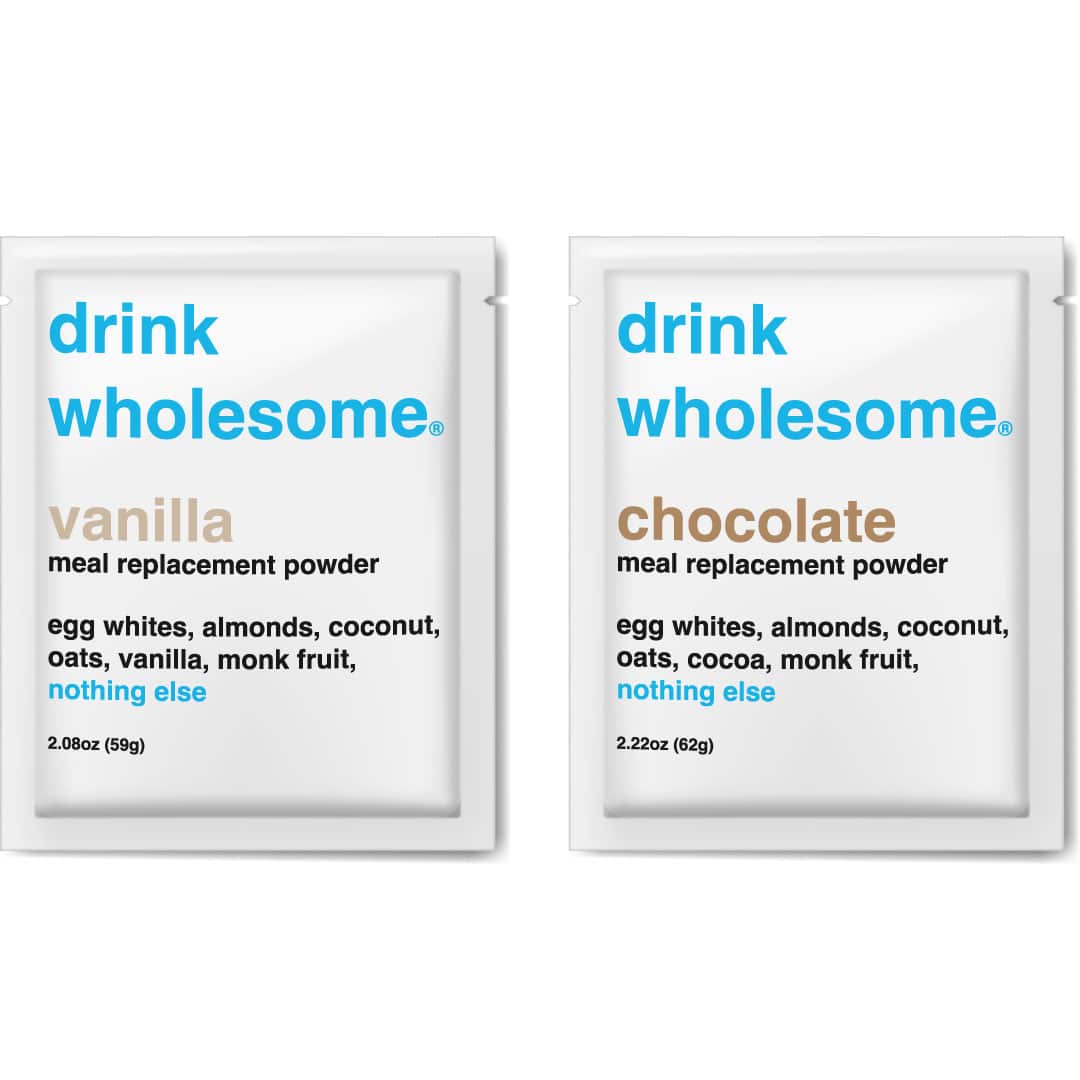
Meal Replacement Powder Sample Packs
drink wholesome makes the best meal replacement shakes for PCOS.
Written by Jack Schrupp & endorsed by Baylee Reller, RDN
What is PCOS?
Polycystic ovary syndrome (PCOS) is a common health condition resulting from an imbalance in reproductive hormones. It affects approximately 1 in 10 women of childbearing age. If you are reading this article, though you probably already knew this. You may also be familiar with the research highlighting the role of diet in managing PCOS symptoms. Diet is so important because women with PCOS often experience higher-than-normal insulin levels.
Insulin is a hormone responsible for regulating your blood glucose levels at any given moment. When your body does not produce enough insulin, your blood sugar levels can rise, potentially leading to type 2 diabetes. This can also occur if you have insulin resistance, which means that your cells don’t respond effectively to insulin.
Diet plays a vital role in both preventing and managing insulin resistance. It can also aid in weight loss, reducing the risk of developing insulin resistance and diabetes.

Are meal replacement shakes good for PCOS?
Again, research has demonstrated the significant impact that diet can have on PCOS. It is important to note, however, that there is not a one-size-fits-all diet for PCOS. Nevertheless, there is a consensus on which foods can be beneficial for managing PCOS, and which ones should be avoided.
Among the foods that have shown promise in aiding PCOS management are those rich in protein. Protein not only has a minimal effect on blood glucose levels, but also plays a crucial role in hormone synthesis, including estrogen, testosterone, and insulin, which can often be imbalanced in women with PCOS.
Studies indicate that a diet with a higher ratio of protein to carbohydrates offers metabolic advantages in the treatment of PCOS. In simpler terms, a low-carb, high-protein diet can assist women with PCOS in their weight loss efforts. This is because protein is the most filling nutrient, helping you feel satiated for longer periods compared to fats and carbohydrates. This, in turn, helps reduce cravings and overeating.
You have to burn 3,500 more calories than you eat to lose a pound, and to lose weight at a safe rate – 0.5 pound per week – you need to eat 1,750 fewer calories weekly, or 250 calories daily. Replacing a meal or part of a meal with a meal replacement shake will increase the percentage of your calories that come from high protein foods, increasing satiety and decreasing calorie intake.
In an ideal world, you would get all the protein you need from high protein foods like eggs and fish. Eating enough protein this way can be challenging for some individuals, particularly those with dietary restrictions, sensitive stomachs, or reduced appetites. This is where a meal replacement shake can be helpful.

What are the best PCOS-friendly meal replacement shakes?
Not all meal replacement shakes and powders are cut from the same cloth. Many meal replacements are full of added ingredients like emulsifiers, thickeners, artificial sweeteners, and flavors. These ingredients cause gastrointestinal (GI) issues and lead to long-term gut problems, which is particularly concerning for individuals dealing with PCOS.
First and foremost, women with PCOS frequently report symptoms akin to those experienced by individuals with irritable bowel syndrome (IBS). These symptoms may include bloating, constipation, diarrhea, and stomach pain. Unfortunately, many of the additives commonly found in meal replacements can either trigger or exacerbate these symptoms. The prevalence of IBS is also higher among women with PCOS than in the general population because conditions share a common root cause: gut dysbiosis.
Gut dysbiosis is an imbalance in gut bacteria, characterized by an excess of harmful bacteria, an insufficient quantity of beneficial bacteria, or a lack of bacterial diversity. Numerous studies have suggested that gut dysbiosis plays a role in the development of PCOS. This is because the microorganisms living in your gut, known as gut microbiota, may influence insulin synthesis, secretion, and androgen metabolism. Consequently, women with PCOS should pay careful attention to their dietary choices and steer clear of meal replacements with unnecessary additives.
Why drink wholesome?
drink wholesome is additive-free.
One of the reasons why we make the best meal replacement for PCOS is that we do not use food additives. Even in small amounts, additives have the potential to trigger a range of uncomfortable gastrointestinal (GI) symptoms, including bloating, constipation, diarrhea, flatulence, and stomach pain. These symptoms arise because additives bear no resemblance to real food, making them challenging for your digestive system to process.
When incompletely digested food lingers in your gut, it can lead to one of two outcomes: either your intestines absorb excess water, resulting in diarrhea, or the additives become a feast for your hungry gut bacteria, leading to the production of excess gas. Excess gas can result in bloating, flatulence, and stomach pain, and can even slow the movement of food through the colon, causing constipation.
Here is a list of the most common food additives in meal replacement powder:
acacia gum, acesulfame potassium, artificial flavors, aspartame, carrageenan, cellulose gum, dextrin, dextrose, erythritol, gellan gum, guar gum, gum arabic, inulin, locust bean gum, “natural” flavors, maltodextrin, rice syrup solids, soy lecithin, silica, sucralose, sunflower lecithin, xanthan gum, xylitol
The real reason to steer clear of food additives, however, lies in their potential long-term consequences. Regularly eating food additives can disrupt the regulatory pathways within the intestines, playing a role in the development of conditions like inflammatory bowel disease (IBD) and other systemic inflammatory disorders.
Furthermore, ongoing research indicates that food additives, especially artificial sweeteners, may disturb the delicate balance of your gut microbiome. When the gut microbiome is thrown off balance, it not only impairs your ability to digest food and absorb nutrients efficiently, but it can also exacerbate PCOS symptoms (more on this later).
the alternative:
SOY PROTEIN ISOLATE, CANOLA OIL, MALTODEXTRIN, ISOMALTULOSE, SOLUBLE CORN FIBER, MODIFIED FOOD STARCH, VITAMIN AND MINERAL PREMIX, CELLULOSE, NATURAL & ARTIFICIAL FLAVORS, SOY LECITHIN, SALT, MONO & DIGLYCERIDE, XANTHAN GUM, SUCRALOSE
drink wholesome is dairy-free.
Another reason why we make the best meal replacement for PCOS is that we do not use dairy-based proteins. Many other meal replacements are made with whey and/or casein protein, both derived from cheese and yogurt production.
Dairy-based protein sources frequently result in digestive issues, particularly for the adults dealing with lactose intolerance, which is common among women with PCOS. Lactose intolerance occurs when you lack the necessary enzymes to break down lactose, the sugar in dairy. As you may already know, when food is not fully digested, it can lead to uncomfortable gastrointestinal (GI) symptoms.
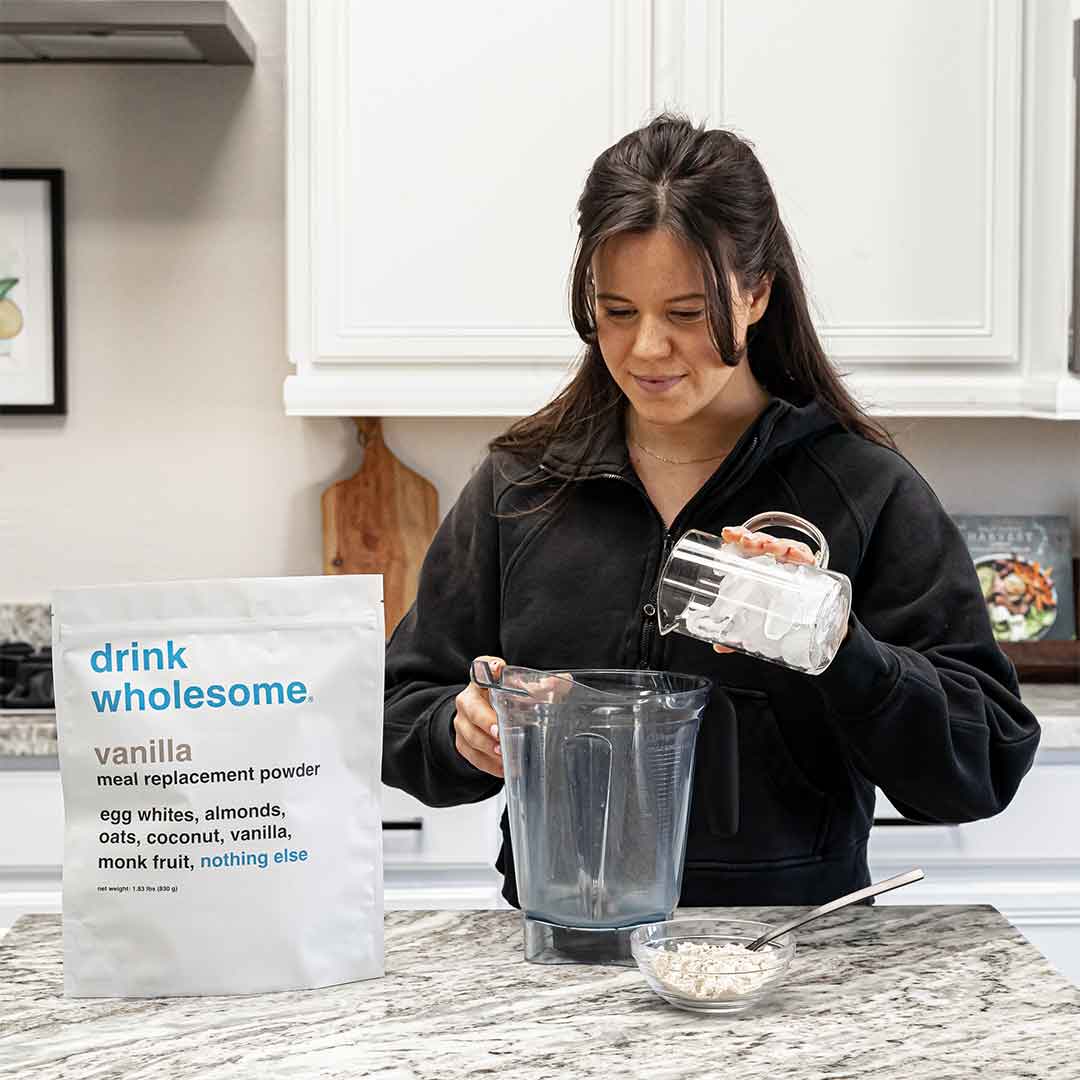
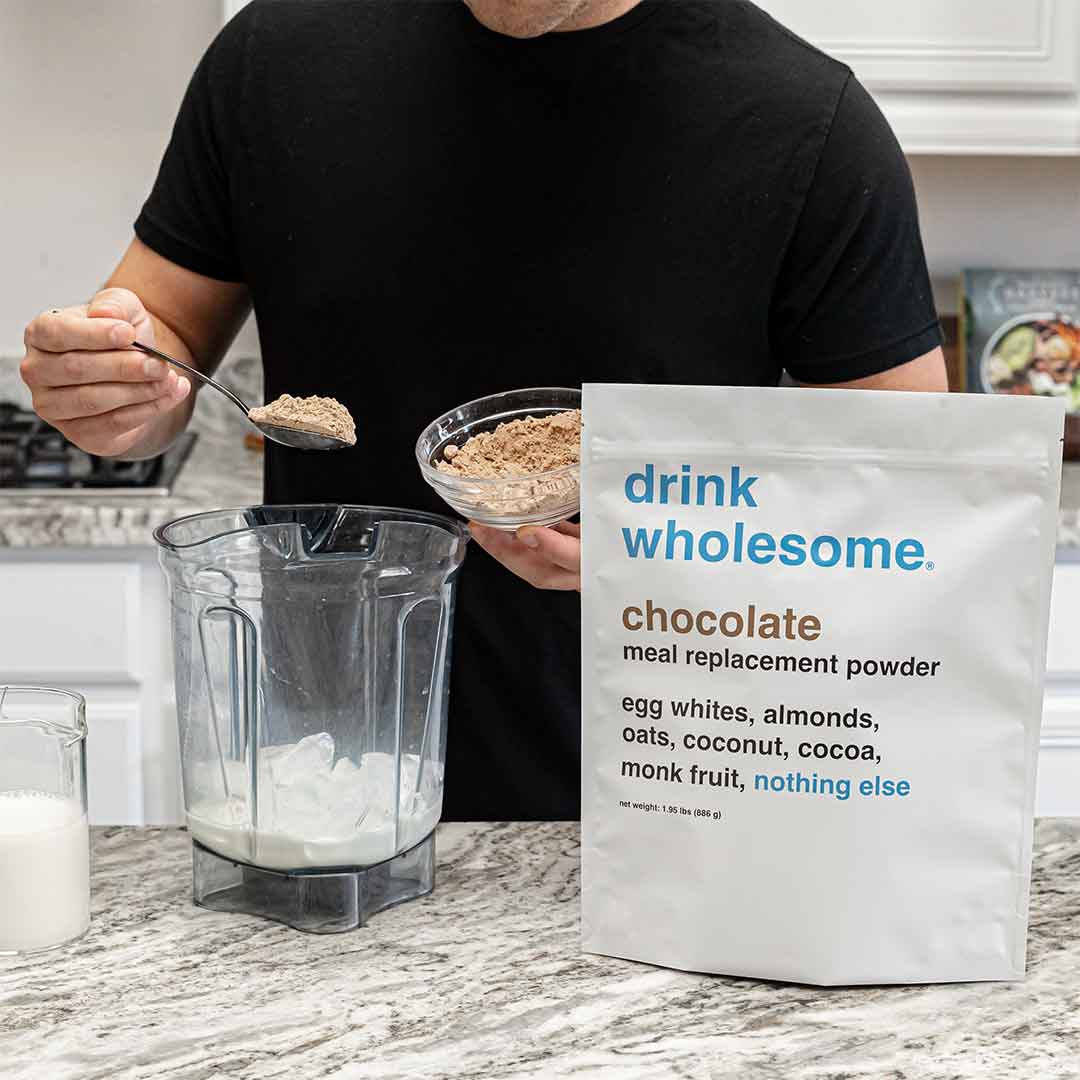
drink wholesome is made with real foods.
A final reason why we make the best meal replacement for PCOS is that we do not use protein concentrates or isolates. Nearly all other protein powders contain one or both of these protein sources, which are essentially foods stripped down to just their protein content.
The production of protein concentrates and isolates involves significant mechanical and chemical processing. In some cases, chemical solvents like hexane are used to extract the protein. Consequently, what you end up scooping into your diet looks nothing like real food.
Your digestive system is designed to handle unprocessed or minimally processed real foods, not protein concentrates or isolates. Emerging research, it follows, indicates that refined ingredients like these can significantly disrupt the composition of your gut microbiota.
Beyond its role in food digestion, your gut microbiome acts as a protective barrier against harmful pathogens, plays a role in educating the immune system, and influences many physiological processes. Imbalances in the balance of your gut microbiota have thus been linked to the development of chronic conditions such as PCOS.
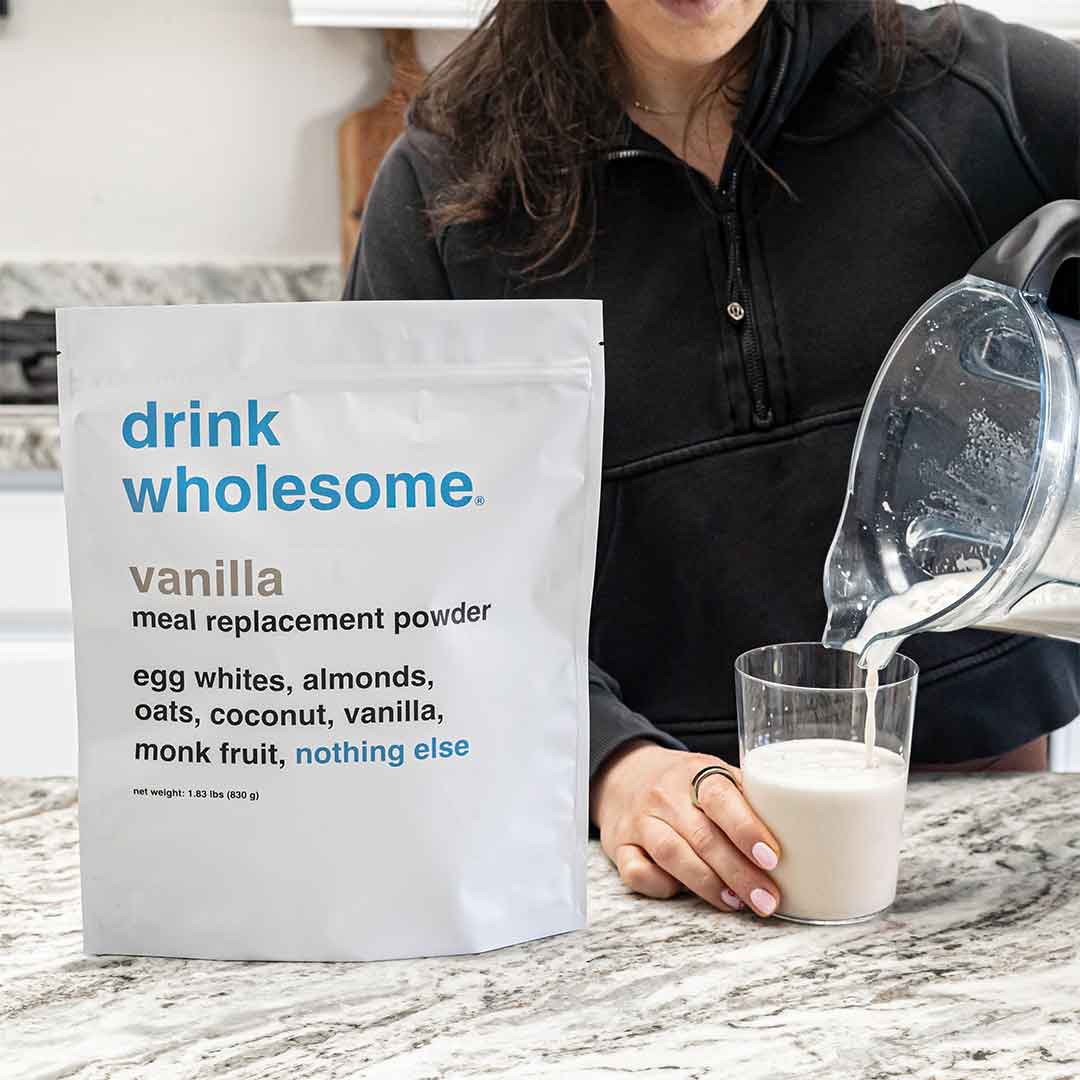
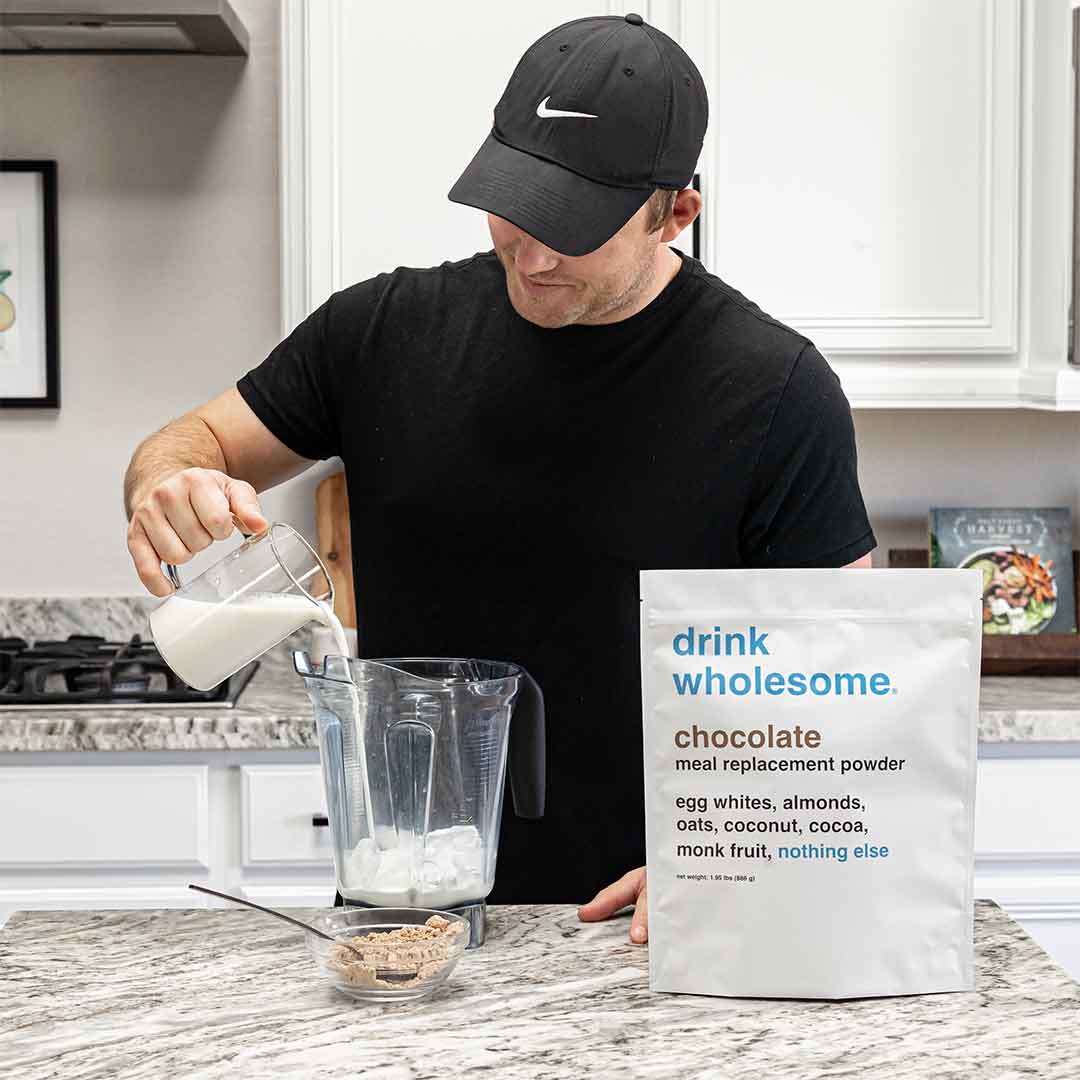
Rather than relying on protein concentrates or isolates, we make the best gastroparesis meal replacements using real, whole foods like egg whites and almonds. All we do is pasteurize and dry the egg whites, and roast, press (to remove some oil), and grind the almonds. These natural protein sources serve as gut-friendly alternatives to protein concentrates and isolates.
Unlike protein isolates and concentrates, real foods like egg white and almonds come equipped with enzymes and digestive aids that actively assist in the digestion process. Egg whites, in addition to being low in fiber and FODMAPs, help to maintain healthy pH levels in your gut and promote the growth of healthy gut bacteria.
As for almonds, they bring prebiotic characteristics to the table, supporting the diversity of the gut microbiome while also promoting regular and healthy bowel movements. In essence, we create meal replacements that are good for your gut using simple, real food ingredients.
Meal Replacement Powder Sample Packs
This content is not intended to be a substitute for professional medical advice, diagnosis, or treatment. drink wholesome is not intended to diagnose, treat, cure or prevent any disease.