

What is the best anti-inflammatory meal replacement shake?
drink wholesome makes the best anti-inflammatory meal replacement shake with a short list of simple ingredients. Now, you can boost your nutrition without the extra processing and added junk. Order samples to see if our meal replacements are right for you.
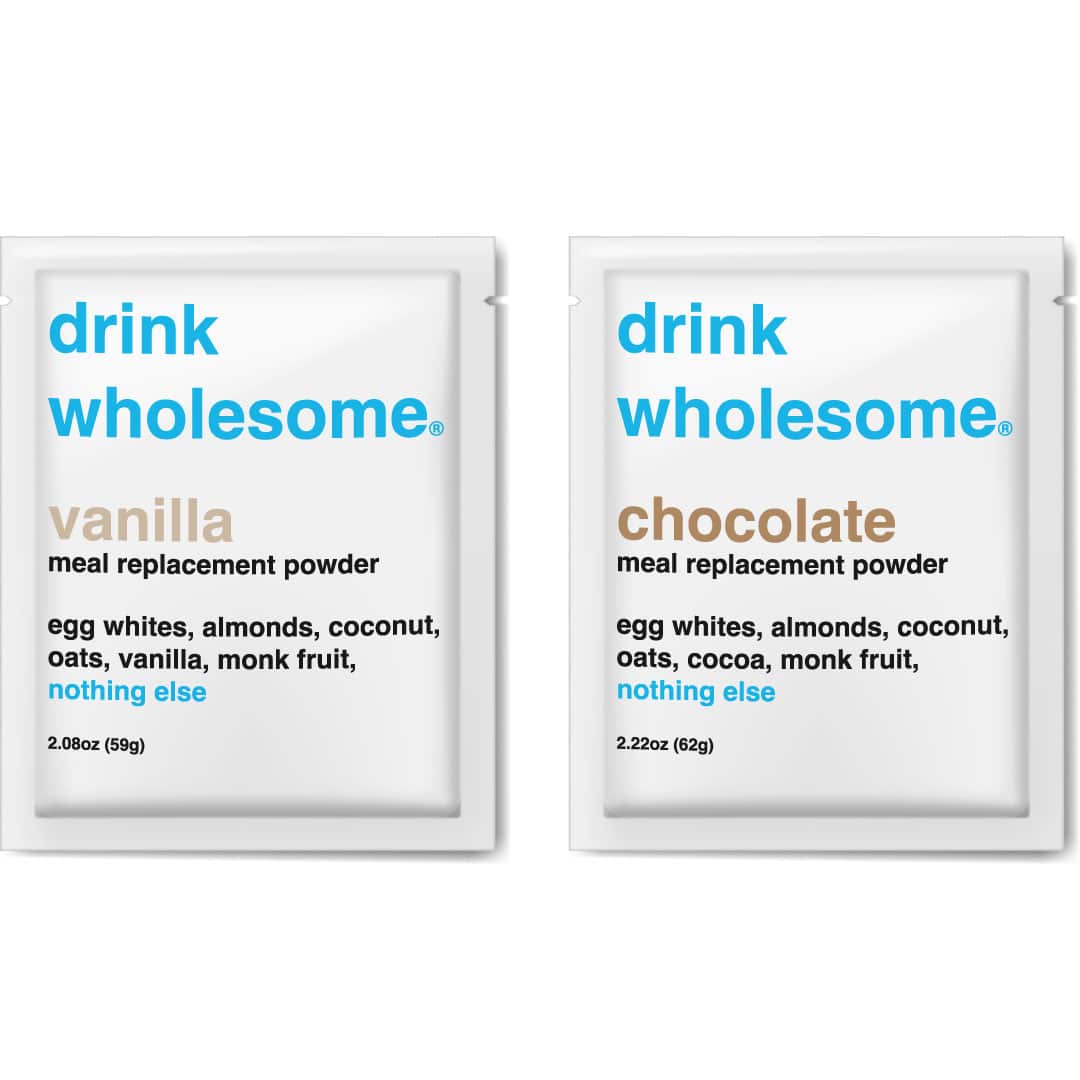
Meal Replacement Powder Sample Packs
drink wholesome makes the best anti-inflammatory meal replacement shake.
Written by Jack Schrupp & endorsed by Baylee Reller, RDN
What is inflammation?
Inflammation is the response of the immune system to pathogens and tissue injury. There are two types of inflammation, acute and chronic. Acute inflammation occurs when you get sick or injured. If you stub your toe, for example, your immune system will dispatch an army of white blood cells to protect the injured tissue, causing visible redness and swelling. This is a normal, healthy inflammatory response, and without it injuries would be more serious, or even fatal.
Chronic inflammation, on the other hand, is not normal nor healthy. It occurs when the immune response lingers, and can cause white blood cells to attack healthy tissues and organs. Chronic inflammation is known to play a significant role in the pathophysiology of numerous chronic diseases, such as cardiovascular disease, type 2 diabetes mellitus, and cancer.
Making changes to your diet is one of the best ways to reduce chronic inflammation and the risk of chronic disease. Some people adopt the anti-inflammatory diet, which favors fruits, vegetables, whole grains, healthy fats, and lean protein. It also discourages or limits the consumption of processed foods, red meats, and alcohol. Some people also choose to eat a diet high in foods with anti-inflammatory properties (food shown to modify the inflammation response).

Do meal replacement shakes cause inflammation?
Like any area of the body, the gut can experience chronic inflammation. In other words, the same persistent activation of the immune system that can occur in your joints (causing inflammatory arthritis) can also take place in your gastrointestinal tract.
The gut happens to contain the largest population of immune cells in the body, which are constantly challenged to respond to pathogens and maintain intestinal immune homeostasis. Some of the ingredients used in meal replacements can disrupt these regulatory mechanisms, which means you need to be careful which meal replacement you use.
What is the best anti-inflammatory meal replacement shake?
The best way to reduce inflammation is to avoid foods that cause it in the first place. Eating anti-inflammatory foods can help reduce inflammation, but if you are not treating the root cause of your inflammation, it will not make much of a difference. It is like putting aloe vera gel on a sunburn before returning to the beach. The aloe vera gel will soothe the sunburn, but if you keep exposing it to sunlight, it will never go away.
This is why the best anti-inflammatory meal replacement shake is not necessarily the one with the most anti-inflammatory ingredients. Instead, prioritize avoiding heavily-processed and artificial ingredients that cause inflammation. If you are able to cut these types of foods out of your diet, your inflammation will go away.
Why drink wholesome?
drink wholesome is additive-free.
One of the reasons why we make the best anti-inflammatory meal replacement shakes is that we do not use food additives. Regularly eating additives can disrupt regulatory pathways in the intestine, resulting in the development of inflammatory bowel disease (IBD) and other systemic inflammatory disorders.
Here is a list of the most common food additives in meal replacement powder:
acacia gum, acesulfame potassium, artificial flavors, aspartame, carrageenan, cellulose gum, dextrin, dextrose, erythritol, gellan gum, guar gum, gum arabic, inulin, locust bean gum, “natural” flavors, maltodextrin, rice syrup solids, soy lecithin, silica, sucralose, sunflower lecithin, xanthan gum, xylitol
Food additives can also disrupt the balance of your gut microbiome. An imbalanced gut microbiome is a significant contributor to inflammation throughout the body.
the alternative:
Protein Matrix Comprised of (Whey Protein Concentrate, Whey Protein Isolate, Calcium Caseinate, Micellar Casein, Milk Protein Isolate, Egg Albumen, Glutamine Peptides), Polydextrose, Sunflower Creamer (Sunflower Oil, Corn Syrup Solids, Sodium Caseinate, Mono- and Diglycerides, Dipotassium Phosphate, Tricalcium Phosphate, Soy Lecithin, Tocopherols), Natural and Artificial Flavor, MCT Powder (Medium Chain Triglycerides, Nonfat Dry Milk, Disodium Phosphate, Silicon Dioxide), Lecithin, Cellulose Gum, Salt, Yellow 5, Sucralose, Acesulfame Potassium, Papain, Bromelain
drink wholesome is made with real foods.
A final reason why we make the best anti-inflammatory meal replacement shake is that we do not use protein isolates. Most meal replacements, on the contrary, are made with protein concentrates and/or isolates, foods stripped of everything but the protein.
Your digestive system is designed to break down minimally or unprocessed real foods, not protein concentrates or isolates. This is why emerging research show eating refined ingredients like these can disrupt your gut microbiome. As you just learned, a dysbiotic gut microbiome is the last thing you want if you are trying to reduce inflammation.

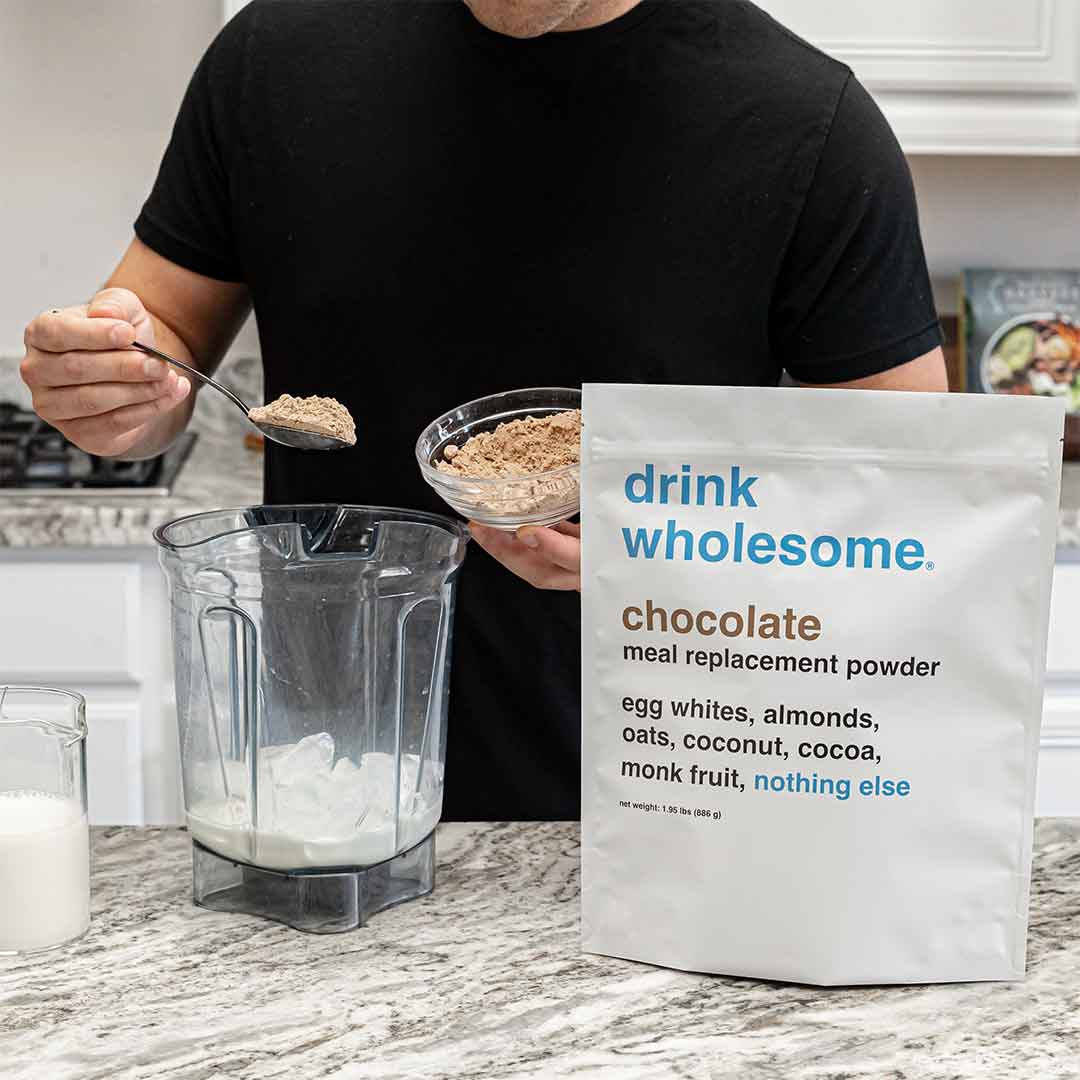
Instead of protein concentrates or isolates, we make the best anti-inflammatory meal replacement shake with egg whites and almonds. Egg whites are simply pasteurized and dried before becoming meal replacement powder powder. Almonds are just roasted, pressed, and ground. Minimally-processed ingredients like these are an easy to digest, gut-friendly alternative to protein concentrates and isolates.
Moreover, unless you have a sensitivity or allergy to eggs or almonds, our meal replacements can even help reduce inflammation. Egg whites contain a variety of anti-inflammatory bioactive compounds, and almonds reduce C-reactive protein (CRP) levels, a marker of inflammation associated with increased heart disease risk.
★★★★★
“This meal replacement has changed my life. Many friends around me are using protein powders that are causing them inflammation. I’m actively talking about Drink Wholesome and promoting the product.” – Julissa
Read more reviews or take the quiz.
Meal Replacement Powder Sample Packs
This content is not intended to be a substitute for professional medical advice, diagnosis, or treatment. drink wholesome is not intended to diagnose, treat, cure or prevent any disease.