

What is the best protein powder that doesn’t cause gas?
drink wholesome is the best protein powder that doesn’t cause gas. It is made with a short list of simple ingredients, making it perfect for people with sensitive stomachs and gut issues. If you are looking to boost your protein intake without the extra processing and added junk, you have to come to the right place. Order samples to see if our protein powder is right for you.
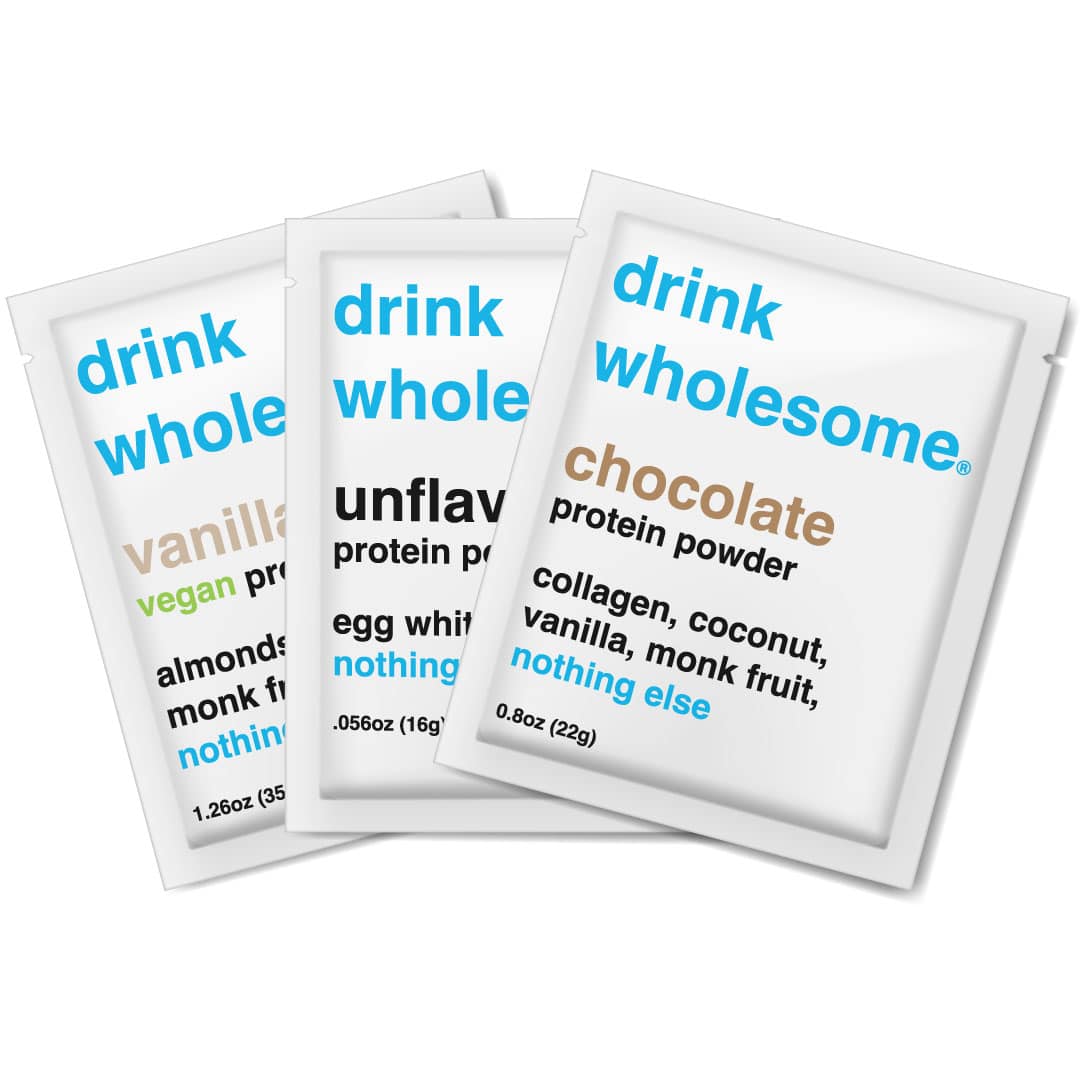
Protein Powder Sample Packs
drink wholesome is the best protein powder that doesn’t cause gas.
Written by Jack Schrupp & endorsed by Baylee Reller, RDN
Does protein powder give you gas?
If protein powder makes you gassy, you are not alone. Bloating, farts, and stomach pain are common side effects of protein powder. Many people assume that flatulence is the price to pay for using protein powder, but this is simply not the case. Protein powder should not make you gassy, and if it does, you need to find a new protein powder. Before you go ahead and switch brands, however, you need to understand what is causing protein powder gas in the first place. (Hint: It’s not the protein.)
There are many reasons why protein powder causes gas, but in all cases, protein powder gas is produced by bacteria in the gut. The gut, also known as the gastrointestinal tract or digestive system, is a pathway from your mouth to your colon. It is full of bacteria (probiotics) that help you digest food.
Essentially, these bacteria eat the food that you cannot digest, and produce gas in a process known as fermentation. Fermentation in the gut is similar to the process of turning grapes into champagne. In both cases, bacteria break down carbohydrates and release gas. In the case of gut, however, smelly farts, not delicious bubbles, are the byproduct.
The average person passes gas several times a day, so burping or farting from time to time is perfectly normal. Excessive gas or painful bloating, however, may be a sign that your protein supplement is hard to digest. If you feel bloated or gassy every time you drink a protein shake, it is time to read the ingredient list. Most protein supplements contain one or more ingredients that are hard to digest, and therefore feed your hungry gut bacteria longer than they should.
Again, the more hard to digest food your gut bacteria have to eat, the more gas they will produce. This rule applies to everyone, but is especially relevant to people with gut issues (IBS, SIBO, etc.) and sensitive stomachs.

How to avoid protein powder gas.
There are two ingredients in protein powder that can cause gas. The first is food additives. The second is dairy-based proteins like whey and casein. It follows that if you are sick of protein powders that make you gassy, avoid protein powders that contain these ingredients.
You should also avoid protein powders with lots of fiber content. Eating lots of fiber can trigger gas and flatulence, especially for people who are not used to a high fiber diet. Generally speaking, the reason why additives, dairy, and fiber cause gas is that they are hard to digest. Keep reading to learn more.

Why drink wholesome?
drink wholesome is additive-free.
One of the reasons why we make protein powder that doesn’t cause gas is that we do not use food additives. Additives, generally speaking, look nothing like real food. For this reason, they are hard to digest and hang out in your gut for longer than food should. This feeds your gut bacteria, which produce gas.
Here is a list of the most common food additives in protein powder:
acacia gum, acesulfame potassium, artificial flavors, aspartame, carrageenan, cellulose gum, dextrin, dextrose, erythritol, gellan gum, guar gum, gum arabic, inulin, locust bean gum, “natural” flavors, maltodextrin, rice syrup solids, soy lecithin, silica, sucralose, sunflower lecithin, xanthan gum, xylitol
Intestinal gas causes bloating, stomach pain, and even constipation. The latter occurs because gas slows colonic transit, the amount of time it takes food to travel through the colon.
the alternative:
Protein Matrix Comprised of (Whey Protein Concentrate, Whey Protein Isolate, Calcium Caseinate, Micellar Casein, Milk Protein Isolate, Egg Albumen, Glutamine Peptides), Polydextrose, Sunflower Creamer (Sunflower Oil, Corn Syrup Solids, Sodium Caseinate, Mono- and Diglycerides, Dipotassium Phosphate, Tricalcium Phosphate, Soy Lecithin, Tocopherols), Natural and Artificial Flavor, MCT Powder (Medium Chain Triglycerides, Nonfat Dry Milk, Disodium Phosphate, Silicon Dioxide), Lecithin, Cellulose Gum, Salt, Yellow 5, Sucralose, Acesulfame Potassium, Papain, Bromelain
drink wholesome is dairy-free.
Another reason why we make protein powder that doesn’t cause gas is that we do not use dairy-based proteins. In contrast, many protein powders are formulated using whey and casein, which are byproducts of the production of cheese and yogurt.
Whey and casein are notorious for causing excessive gas, particularly among individuals with lactose intolerance and irritable bowel syndrome (IBS). These people lack the enzymes needed to effectively digest lactose, the sugar found in dairy products, which becomes a feast for your gas-producing gut bacteria.
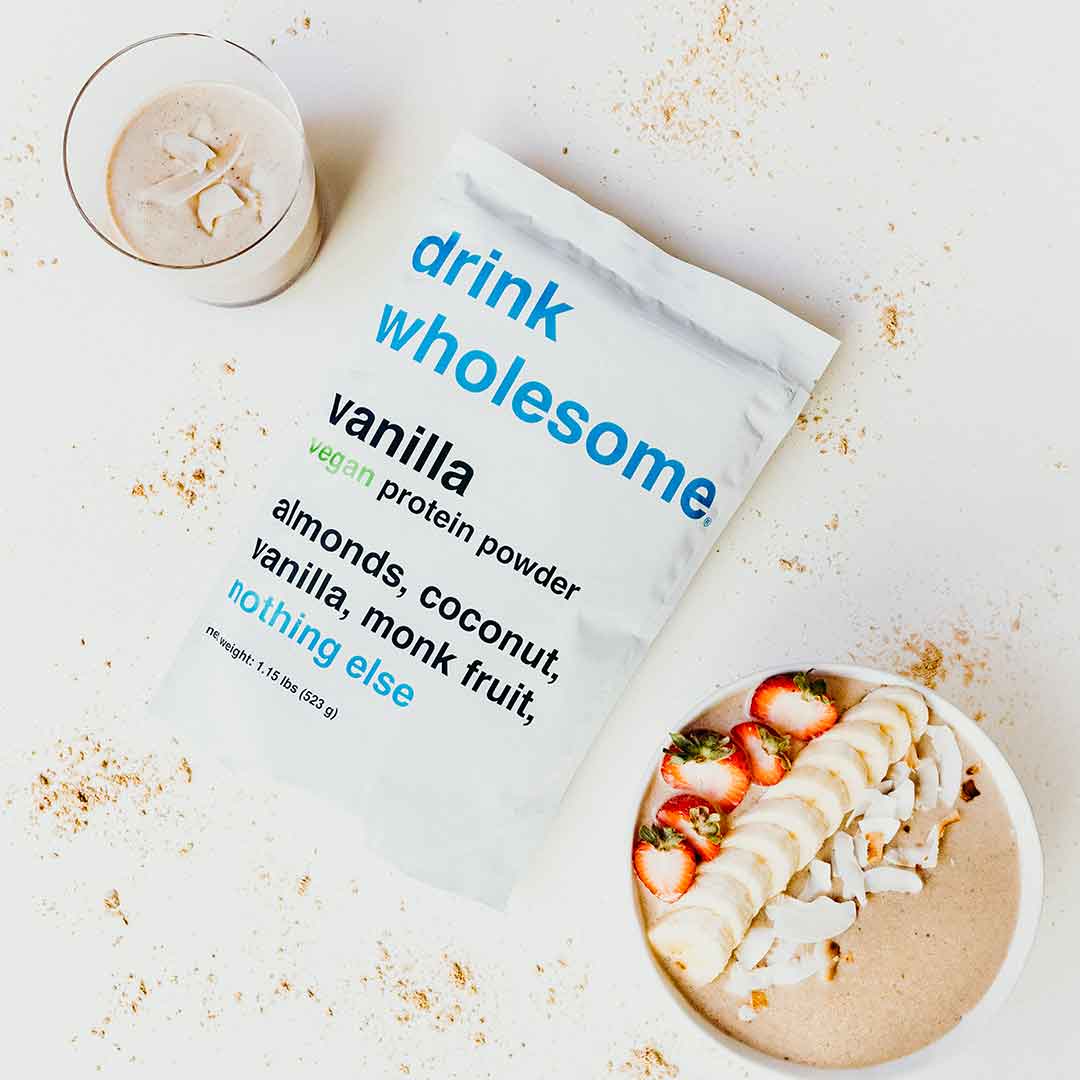

drink wholesome is made with real foods.
A final reason why we make protein powder that doesn’t cause gas is that we do not use protein isolates. Nearly all other protein powders are created using one or both of these ingredients, which are essentially foods stripped of everything but the protein.
Protein concentrates and isolates look nothing like real food, which is a problem because your digestive system is meant to break down minimally or unprocessed foods. This is almost certainly why research suggests that eating refined ingredients like these can alter the composition of your gut microbiota. An unhealthy gut does not digest and absorb food as well as a healthy one, thereby causing gas.

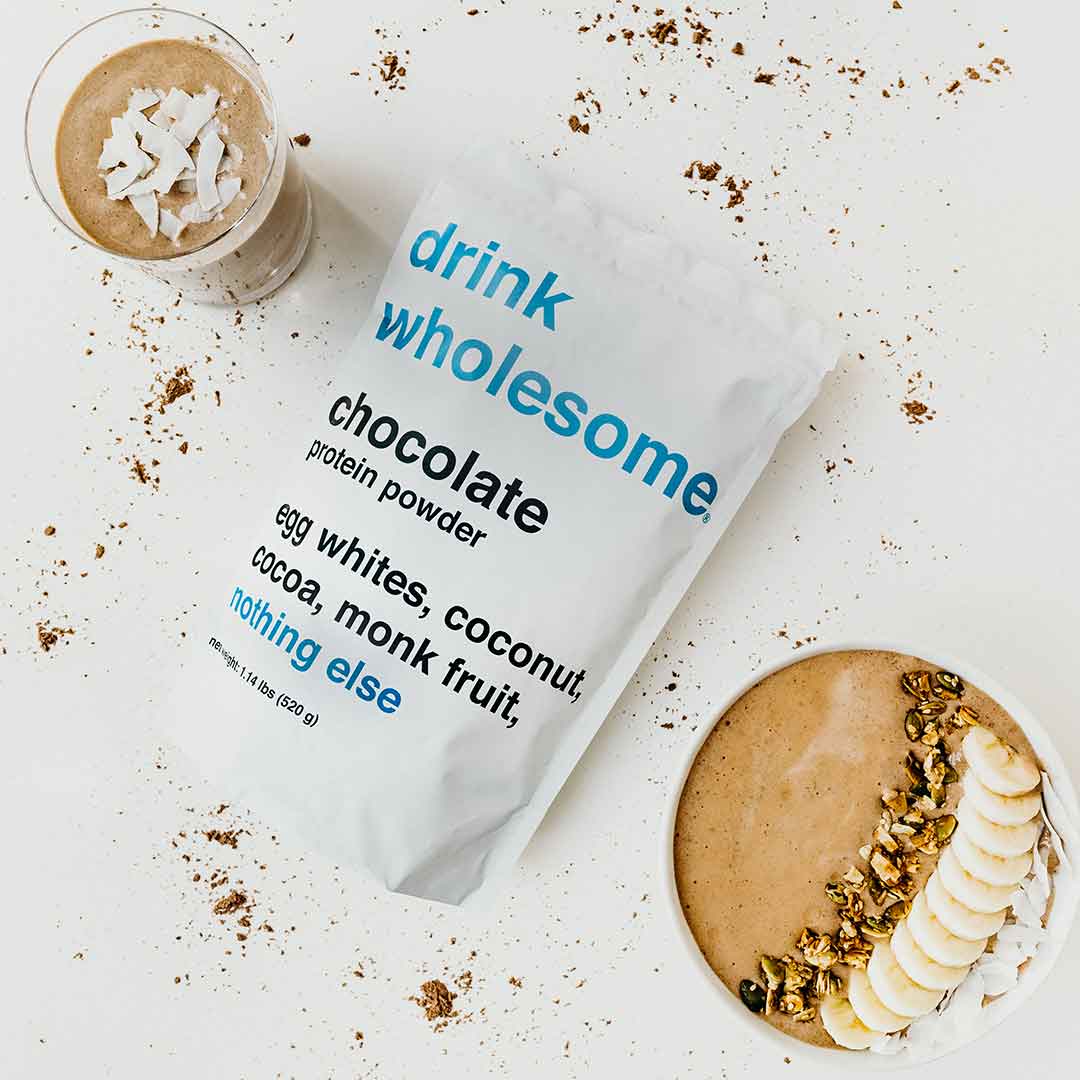
Rather than using protein concentrates or isolates, we make the best protein powder that doesn’t cause gas with egg whites and almonds. Ingredients like these, which undergo minimal processing, are gut-friendly alternatives to protein concentrates and isolates.
In contrast to protein isolates and concentrates, egg whites and almonds contain enzymes and digestive aids that assist in their breakdown. Furthermore, egg whites possess several gut health advantages: they are low in fiber, low in FODMAPs, alkaline (supporting healthy gut pH levels), and bioactive (encouraging the growth of beneficial gut bacteria). Our satisfied customers have always reported fewer digestive issues when using our egg white protein powder compared to other protein supplements.
For individuals who are unable to consume eggs, our vegan almond protein powder emerges as an excellent plant-based protein option for those with sensitive stomachs. Almonds offer prebiotic benefits, enhancing your gut microbiome’s diversity. They also promote regular, healthy bowel movements. In summary, by making our protein powders with simple ingredients, we allow you to boost your protein intake without gas or bloating.
“Finally a protein powder that does not make me gassy. I have been using this every day for months and absolutely love it!” – Wen
Read more reviews or take the quiz.
Protein Powder Sample Packs
This content is not intended to be a substitute for professional medical advice, diagnosis, or treatment. drink wholesome is not intended to diagnose, treat, cure or prevent any disease.